
The 10 Most Recognised Chinese Words in English Language

The English language has absorbed numerous loanwords from various cultures, and Chinese is no exception. Over time, several Chinese terms have become widely recognized in English, reflecting cultural exchange and global influence. From culinary delights to philosophical concepts, these words enrich everyday vocabulary and offer a glimpse into Chinese heritage. Whether used in casual conversation or specialized contexts, they demonstrate how language evolves through cross-cultural interaction. This article explores the ten most recognized Chinese words in English, delving into their origins, meanings, and how they’ve seamlessly integrated into modern discourse. Discover the linguistic bridges that connect these two distinct yet interconnected worlds.
- The 10 Most Recognised Chinese Words in English Language
- What are the most popular Chinese words?
- What English words came from Chinese?
- How many Chinese words to become fluent?
- What is the 1 most commonly used word in the English language?
-
Frequently Asked Questions (FAQ)
- What are the 10 most recognised Chinese words in the English language?
- How did Chinese words like kung fu and tofu become part of the English language?
- Why are words like feng shui and yin yang widely understood in English-speaking countries?
- Are there any other Chinese words gaining recognition in English today?
The 10 Most Recognised Chinese Words in English Language
The English language has borrowed numerous words from Chinese over the centuries, reflecting cultural exchanges, trade, and globalization. Below, we explore the 10 most recognized Chinese words that have seamlessly integrated into English vocabulary. These terms span food, philosophy, and everyday objects, showcasing China's linguistic influence worldwide.
1. Kung Fu: The Art of Martial Mastery
Kung Fu (功夫) refers to Chinese martial arts, emphasizing discipline, technique, and physical prowess. Popularized globally through films and media, it symbolizes both combat skills and spiritual growth.
See AlsoThe benefits of using 语文/國文 textbooks to learn Chinese| Word | Meaning | Usage Example |
| Kung Fu | Martial arts | Bruce Lee mastered Kung Fu. |
2. Feng Shui: Harmonizing Energy in Spaces
Feng Shui (风水) is the ancient practice of arranging environments to balance energy flow. Widely adopted in interior design, it promotes harmony and prosperity.
| Word | Meaning | Usage Example |
| Feng Shui | Energy alignment | Her office follows Feng Shui principles. |
3. Dim Sum: A Culinary Delight
Dim Sum (点心) are bite-sized Cantonese dishes served in steamer baskets. This dining tradition has gained global popularity, especially in brunch culture.
| Word | Meaning | Usage Example |
| Dim Sum | Small Cantonese dishes | We ordered Dim Sum for lunch. |
4. Typhoon: The Power of Nature
Typhoon (台风) describes a tropical cyclone in the Pacific region. This term is used interchangeably with hurricane in English meteorology.
See AlsoHow To Write An Email in Chinese?| Word | Meaning | Usage Example |
| Typhoon | Pacific storm | The Typhoon caused heavy damage. |
5. Yin Yang: The Balance of Opposites
Yin Yang (阴阳) represents dualistic forces in Taoist philosophy, symbolizing harmony between opposites like dark/light or passive/active.
| Word | Meaning | Usage Example |
| Yin Yang | Dualistic balance | The Yin Yang symbol is universal. |
What are the most popular Chinese words?
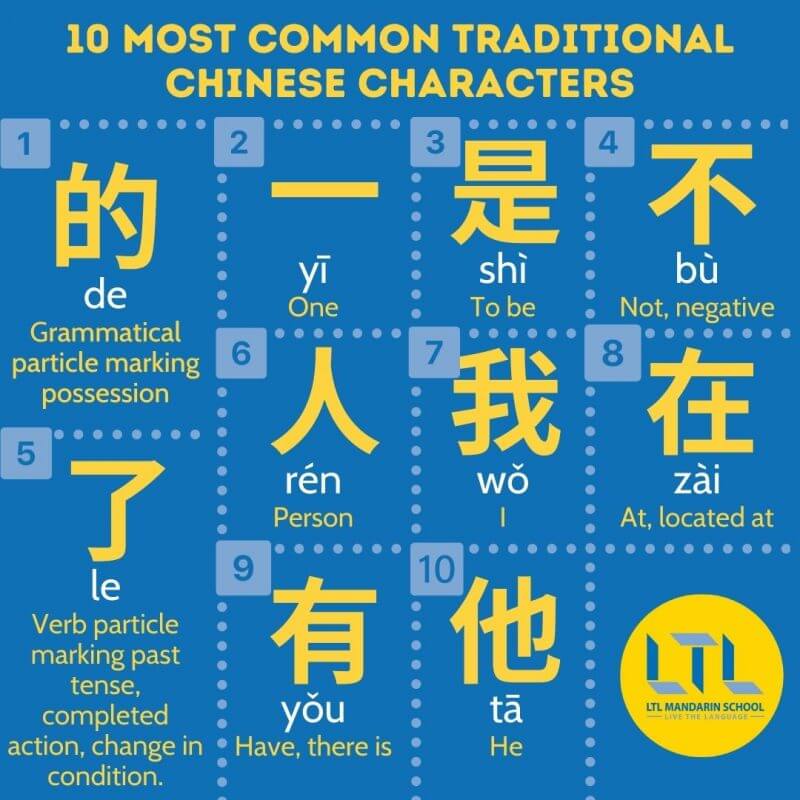
Basic Greetings and Common Phrases
Some of the most popular Chinese words are basic greetings and everyday phrases. These are essential for communication and widely recognized:
See AlsoHow to not teach Chinese characters to beginners: A 12-step approach- 你好 (nǐ hǎo) - Means Hello and is the standard greeting.
- 谢谢 (xiè xiè) - Translates to Thank you, a polite expression of gratitude.
- 再见 (zài jiàn) - Means Goodbye, commonly used when parting.
Numbers in Chinese
Numbers are fundamental in any language, and Chinese numerals are frequently used in daily life:
- 一 (yī) - The number One, simple yet essential.
- 十 (shí) - Means Ten, a base number in counting.
- 百 (bǎi) - Translates to Hundred, used in larger quantities.
Chinese cuisine is world-famous, and these words are often heard in restaurants or markets:
- 米饭 (mǐ fàn) - Means Rice, a staple food.
- 面条 (miàn tiáo) - Translates to Noodles, a popular dish.
- 茶 (chá) - Simply means Tea, a widely consumed beverage.
Family Terms
Family is central in Chinese culture, and these terms are commonly used:
- 妈妈 (mā ma) - Means Mom, an affectionate term.
- 爸爸 (bà ba) - Translates to Dad, another key family word.
- 朋友 (péng you) - Means Friend, important in social contexts.
Technology and Modern Terms
With China's tech growth, these words have gained popularity:
- 手机 (shǒu jī) - Means Mobile phone, ubiquitous in daily life.
- 电脑 (diàn nǎo) - Translates to Computer, essential for work and study.
- 微信 (wēi xìn) - Refers to WeChat, a dominant messaging app.
What English words came from Chinese?

Common English Words Borrowed from Chinese
Many English words have origins in Chinese, often entering the language through trade, cultural exchange, or colonialism. Here are some notable examples:
- Typhoon: Derived from the Cantonese word daaih-fùng (大風) or the Mandarin táifēng (颱風), meaning big wind.
- Ketchup: Originates from the Hokkien word kê-tsiap (茄汁), a sauce made from fermented fish.
- Tea: Comes from the Min Chinese word tê (茶), reflecting the global spread of tea culture.
Culinary terms are among the most common Chinese borrowings in English, thanks to the popularity of Chinese cuisine worldwide.
- Chow mein: From the Mandarin chǎomiàn (炒麵), meaning fried noodles.
- Dim sum: Borrowed from Cantonese dim sám (點心), referring to small bite-sized dishes.
- Tofu: Comes from the Mandarin dòufu (豆腐), a staple in vegetarian diets.
English Words from Chinese Philosophy and Culture
Chinese philosophy and traditions have also contributed unique terms to the English language.
- Feng shui: From Mandarin fēngshuǐ (風水), meaning wind-water, a practice of harmonizing environments.
- Yin and yang: Borrowed from Mandarin yīnyáng (陰陽), representing dualities in nature.
- Kung fu: Derived from gōngfu (功夫), meaning skill achieved through hard work.
Trade and Economic Terms with Chinese Origins
Historical trade routes introduced several Chinese terms into English, especially related to goods and commerce.
- Silk: From the Old English sioloc, tracing back to the Chinese sī (絲).
- Ginseng: Borrowed from Mandarin rénshēn (人參), a prized medicinal root.
- China: The country's name itself comes from the Qin dynasty (秦, Qín).
Modern English Words Influenced by Chinese
Contemporary globalization continues to introduce new Chinese-derived words into English.
- Goji: From Mandarin gǒuqǐ (枸杞), referring to wolfberries.
- Bok choy: Borrowed from Cantonese baahk choi (白菜), meaning white vegetable.
- Mahjong: Derived from Mandarin májiàng (麻將), a popular tile-based game.
How many Chinese words to become fluent?
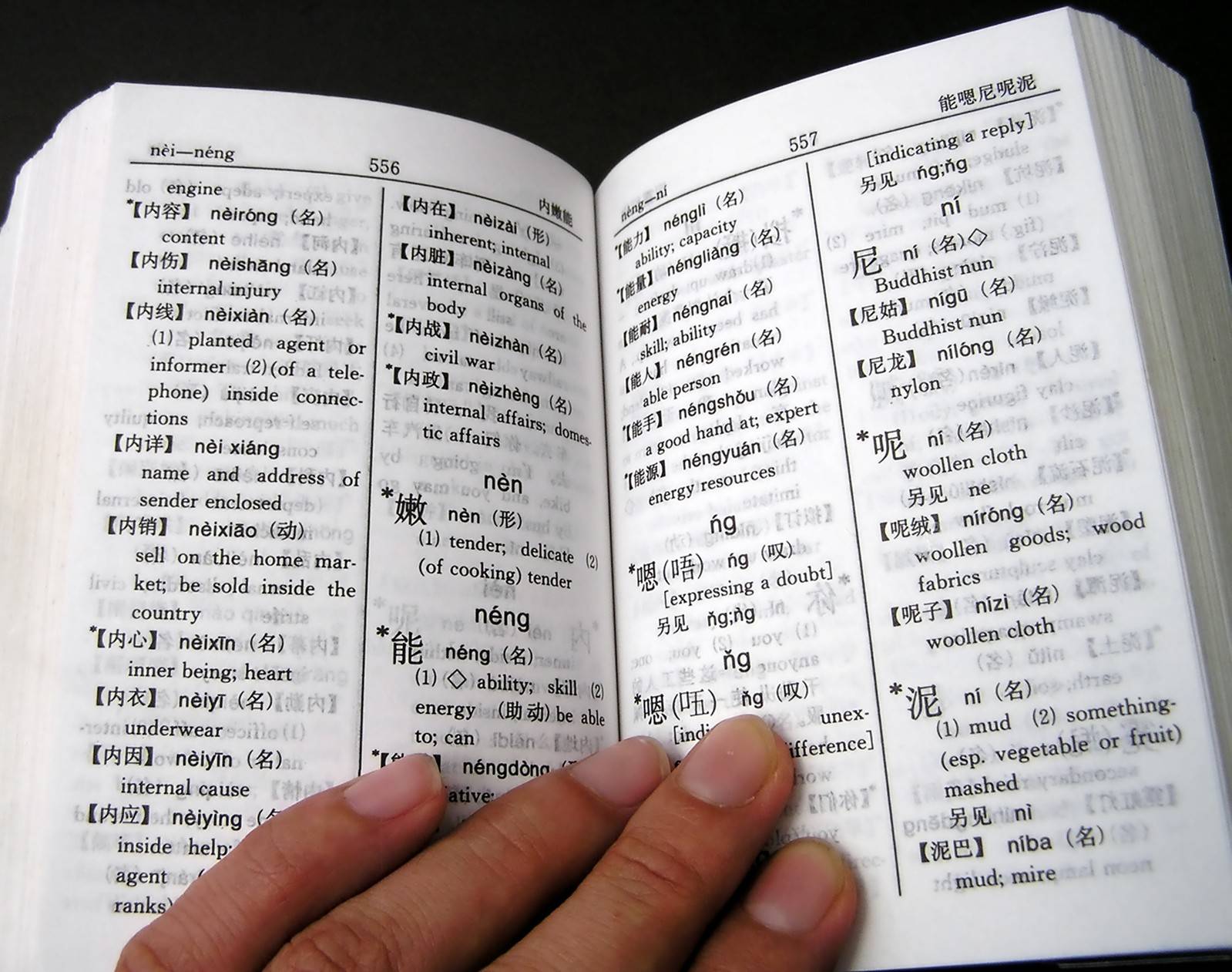
How Many Chinese Words Are Needed for Basic Fluency?
To achieve basic fluency in Chinese, you typically need to know around 2,500 to 3,000 words. This level allows you to handle everyday conversations, understand simple texts, and express yourself in common situations.
- Daily Communication: Covers greetings, shopping, dining, and basic social interactions.
- Reading Comprehension: Enough to understand news headlines, menus, and simple articles.
- Listening Skills: Recognize frequently used phrases in movies, songs, or casual dialogues.
How Many Words for Intermediate Fluency in Chinese?
Intermediate fluency requires approximately 4,000 to 5,000 words. At this stage, you can engage in deeper discussions, read more complex texts, and follow native content with moderate ease.
- Conversational Depth: Discuss hobbies, work, and opinions on various topics.
- Media Understanding: Watch TV shows or read blogs without constant dictionary use.
- Writing Ability: Compose emails or short essays with fewer errors.
Advanced Fluency: How Many Chinese Words Are Required?
For advanced fluency, aim for 8,000 to 10,000 words. This level lets you navigate professional settings, consume specialized content, and debate nuanced subjects.
- Professional Use: Work in a Chinese-speaking environment or study academic material.
- Cultural Nuances: Understand idioms, slang, and regional dialects.
- Near-Native Proficiency: Engage in debates, literature, and technical discussions.
Does Vocabulary Alone Determine Fluency in Chinese?
While vocabulary is crucial, fluency also depends on grammar, pronunciation, and cultural context. Knowing 5,000 words won’t guarantee fluency if you lack these skills.
- Grammar Mastery: Proper sentence structure and word order matter.
- Tones & Pronunciation: Mispronouncing tones can change meanings entirely.
- Contextual Usage: Words may have different meanings based on context.
How to Efficiently Learn Chinese Words for Fluency?
To learn Chinese words effectively, combine memorization with practical application. Focus on high-frequency terms and reinforce them through immersion.
- Spaced Repetition: Use apps like Anki to review words systematically.
- Immersion Techniques: Watch Chinese media, read books, or join language exchanges.
- Practical Practice: Speak with natives and write daily to reinforce retention.
What is the 1 most commonly used word in the English language?

The 1 most commonly used word in the English language is the. It is a definite article that precedes nouns to specify them as something already known or particular. Due to its essential role in grammar, it appears far more frequently than any other word in written and spoken English.
Why Is The the Most Common Word?
The word the is indispensable in English because:
- It specifies nouns, distinguishing them from general references (e.g., the book vs. a book).
- It appears in almost every sentence, making it statistically dominant.
- It is grammatically required in many contexts, such as before superlatives (the best) or unique objects (the sun).
How Often Is The Used Compared to Other Words?
Studies show the accounts for about 4-7% of all words in written English, far surpassing other common words like:
- be – A verb with multiple forms (is, am, are).
- to – A preposition or infinitive marker.
- and – A conjunction linking words or phrases.
What Makes The Grammatically Unique?
Unlike other articles or determiners, the has no alternative forms and serves three key functions:
- Definiteness – Indicates a specific noun (e.g., the car we bought).
- Generality – Used with singular nouns representing whole categories (e.g., the dolphin is intelligent).
- Uniqueness – Refers to one-of-a-kind things (e.g., the Earth).
Where Does The Appear Most Frequently?
The dominates in:
- Academic writing – For precise references.
- News articles – To specify subjects.
- Everyday speech – In phrases like the store or the weather.
Can The Be Omitted in English?
While the is usually mandatory, exceptions include:
- Proper nouns – Names (e.g., Paris, not the Paris).
- Plural/uncountable general nouns – (e.g., Cats are cute).
- Fixed expressions – (e.g., go home, not go to the home).
Frequently Asked Questions (FAQ)
What are the 10 most recognised Chinese words in the English language?
The 10 most recognised Chinese words in the English language include terms like kung fu, tofu, feng shui, yin yang, dim sum, typhoon, kowtow, mahjong, wok, and oolong. These words have been widely adopted into English due to cultural exchange, trade, and globalization. Many of them relate to cuisine, martial arts, philosophy, and traditional games, reflecting the influence of Chinese culture worldwide.
How did Chinese words like kung fu and tofu become part of the English language?
Words like kung fu and tofu entered the English language primarily through cultural exposure and immigration. The popularity of martial arts films in the 20th century introduced terms like kung fu to Western audiences, while Chinese cuisine's global spread made tofu a household term. Additionally, trade relations and diaspora communities played a key role in embedding these words into everyday English vocabulary.
Why are words like feng shui and yin yang widely understood in English-speaking countries?
Terms such as feng shui and yin yang are widely understood because they represent unique philosophical and spiritual concepts with no direct English equivalents. The growing interest in Eastern spirituality, wellness, and alternative practices has made these words mainstream. Additionally, their use in design, medicine, and pop culture has reinforced their presence in the English lexicon.
Are there any other Chinese words gaining recognition in English today?
Yes, newer Chinese words like guanxi (relationships/networking), baijiu (a traditional liquor), and xiaokang (moderate prosperity) are gaining traction in English, especially in business, diplomacy, and global discussions. The rise of China's economic influence and cultural exports, such as films and technology, continues to introduce more Chinese terms into the English language.
Leave a Reply
Related Posts