
How To Write An Email in Chinese?

Writing an email in Chinese can seem daunting, especially if you’re unfamiliar with the language’s formalities and cultural nuances. However, mastering this skill is essential for professional and personal communication in Chinese-speaking environments. Unlike English, Chinese emails often follow specific conventions, from polite greetings to structured closings. Understanding these elements—such as proper salutations, tone, and formatting—can make your message more effective and respectful. Whether you’re reaching out to a colleague, client, or friend, this guide will walk you through the key steps to crafting a clear and culturally appropriate email in Chinese. Let’s break down the process to ensure your communication is both polished and professional.
How To Write An Email in Chinese: A Step-by-Step Guide
1. Understanding Chinese Email Etiquette
When writing an email in Chinese, it's essential to follow cultural norms. Start with a polite greeting, such as 尊敬的 (zūn jìng de) for formal contexts or 你好 (nǐ hǎo) for informal ones. Always use honorifics and avoid being too direct. Closing phrases like 此致敬礼 (cǐ zhì jìng lǐ) show respect.
| Formality Level | Greeting | Closing |
|---|---|---|
| Formal | 尊敬的 [Name] | 此致敬礼 |
| Informal | 你好 [Name] | 祝好 |
2. Structuring Your Email Properly
A well-structured Chinese email includes: a subject line, greeting, body, and closing. The subject should be concise, like 关于会议安排 (guān yú huì yì ān pái, Regarding Meeting Arrangements). The body should be clear and divided into short paragraphs.
See AlsoFive International Brands That Got it Wrong in China| Section | Example in Chinese |
|---|---|
| Subject | 关于项目更新 |
| Greeting | 尊敬的张经理, |
| Body | 我们希望讨论下一步计划... |
3. Using Polite and Formal Language
In Chinese business emails, politeness is crucial. Use phrases like 请问 (qǐng wèn, May I ask) or 麻烦您 (má fan nín, Sorry to trouble you). Avoid slang and keep the tone professional.
| English | Chinese (Polite) |
|---|---|
| Could you please...? | 请问您可以...? |
| Thank you for your help. | 感谢您的帮助。 |
4. Common Phrases for Different Scenarios
Depending on the purpose of your email, use these phrases: requests (请确认 - qǐng què rèn), apologies (抱歉 - bào qiàn), or follow-ups (请回复 - qǐng huí fù).
| Scenario | Useful Phrase |
|---|---|
| Request | 请提供更多信息。 |
| Apology | 对此造成的不便深感抱歉。 |
5. Proofreading and Cultural Nuances
Always proofread for tone and errors. Avoid sensitive topics like politics. Use Chinese characters correctly; pinyin alone is unprofessional. Tools like Pleco or Google Translate can help but aren't flawless.
See AlsoChinese Made Easy: How to Ask “How Are You”?| Mistake | Correction |
|---|---|
| 你 (informal) | 您 (formal) |
| 谢谢 (casual) | 非常感谢 (formal) |
How do I write an email to a Chinese person?
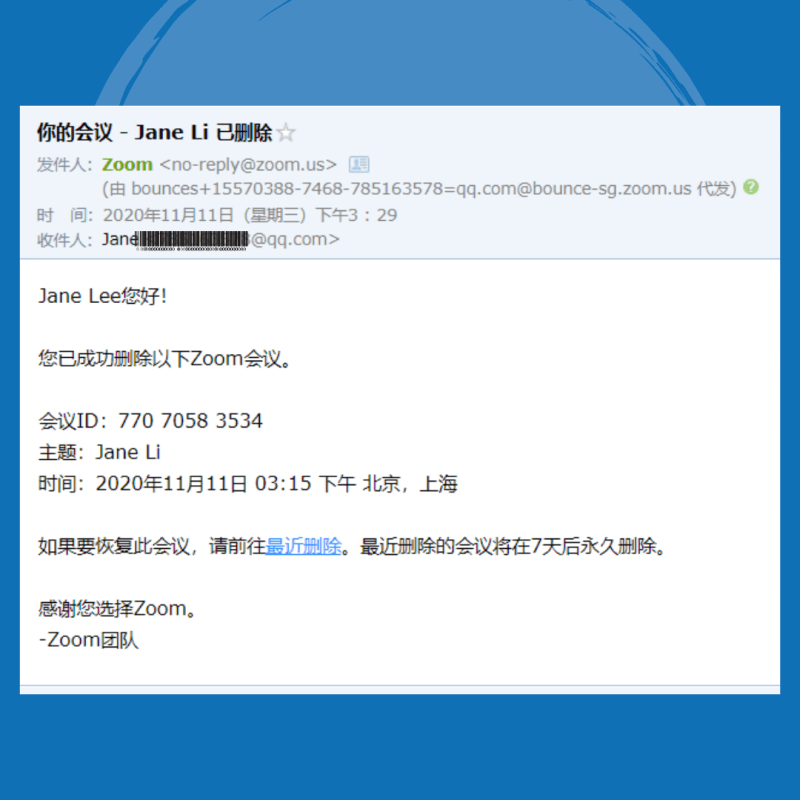
Understanding Cultural Etiquette in Chinese Emails
When writing an email to a Chinese recipient, it's essential to consider cultural norms to ensure respect and professionalism. Here are key points to remember:
- Use formal titles: Address the recipient with their title (e.g., Mr., Ms., or professional titles like Director) followed by their surname.
- Politeness is key: Begin with a respectful greeting, such as Dear [Title] [Surname], and avoid overly casual language.
- Hierarchy matters: Acknowledge the recipient's position and maintain a tone that reflects their seniority if applicable.
Structuring Your Email Clearly
A well-organized email ensures clarity and professionalism. Follow this structure:
See Also3 Fun Chinese Games to Learn Chinese- Subject line: Keep it concise and specific, e.g., Meeting Request: Project Collaboration.
- Introduction: State your purpose clearly in the first few lines.
- Body: Use short paragraphs or bullet points for readability.
Choosing the Right Tone and Language
The tone of your email should align with Chinese business culture, which values harmony and respect:
- Avoid directness: Use indirect language for requests or criticism to avoid seeming confrontational.
- Be humble: Phrases like I would appreciate your guidance show deference.
- Keep it professional: Steer clear of humor or slang, which may be misunderstood.
Including Essential Details
Ensure your email contains all necessary information to avoid back-and-forth communication:
- Context: Briefly explain why you’re reaching out.
- Specifics: Provide dates, times, or deadlines clearly.
- Contact information: Include your full name, position, and company details.
Closing the Email Appropriately
A respectful closing leaves a positive impression:
- Use formal closings: Phrases like Best regards or Sincerely are safe choices.
- Express gratitude: Thank the recipient for their time or consideration.
- Sign off with your full name: Avoid nicknames or abbreviations.
What is the email format for China?

What is the Standard Email Format in China?
The standard email format in China follows the international convention: username@domain.com. However, Chinese email addresses may include Chinese characters or Pinyin (Romanized Chinese). Common domains include @qq.com, @163.com, and @sina.com.
- Username: Can be in Pinyin (e.g., zhangsan) or numbers.
- Domain: Often uses popular Chinese providers like QQ or 163.
- Special Characters: Some providers allow Chinese characters in the local part.
How to Write a Professional Email in China?
Professional emails in China should follow formal etiquette, including a clear subject line and respectful tone. Business emails often use Pinyin names or English names.
- Subject Line: Be concise (e.g., Meeting Request – [Your Name]).
- Greeting: Use Dear [Title] [Last Name] or 尊敬的 [Name].
- Signature: Include your full name, company, and contact details.
What Are Common Chinese Email Providers?
China has several local email providers widely used for personal and business communication.
- QQ Mail (@qq.com): Owned by Tencent, very popular.
- 163 Mail (@163.com): Operated by NetEase, reliable for business.
- Sina Mail (@sina.com): Used for both personal and professional purposes.
Can Chinese Emails Include Chinese Characters?
Some Chinese email providers support Unicode characters, allowing emails in Chinese script.
- Local Providers: Services like QQ may allow Chinese usernames.
- International Providers: Gmail and Outlook typically require Latin characters.
- Compatibility: Ensure the recipient's system supports Chinese characters.
How to Address a Chinese Recipient in an Email?
Properly addressing a Chinese recipient requires understanding cultural norms and hierarchy.
- Formal Titles: Use Mr. (先生), Ms. (女士), or professional titles.
- Name Order: Chinese names are written surname first (e.g., Zhang San).
- Company Position: Mention their role if relevant (e.g., Director Wang).
How do you write a Chinese address in an email?
Understanding the Structure of a Chinese Address
When writing a Chinese address in an email, it's essential to follow the correct hierarchical order. Chinese addresses are written from the largest administrative division to the smallest. Here’s the standard structure:
- Country: Start with China if the recipient is outside China.
- Province/Municipality: Example: Guangdong Province or Beijing.
- City/District: Include the city name, followed by the district if applicable.
- Street Name and Number: Write the street name first, followed by the building number.
- Recipient's Name and Company: Add the recipient's details last.
Formatting the Address for Clarity
Proper formatting ensures the address is easy to read and avoids confusion. Follow these guidelines:
- Use commas or line breaks to separate each component.
- Write the address in English if the email is for international correspondence.
- Include the postal code after the city or district.
- Avoid abbreviations unless they are universally recognized.
Including Recipient Details Correctly
The recipient's information should be precise to ensure timely delivery. Key points:
- Place the recipient's name at the top or bottom, depending on the format.
- Add the company name if the address is business-related.
- Use courtesy titles like Mr. or Ms. if appropriate.
Common Mistakes to Avoid
Errors in writing a Chinese address can lead to delivery issues. Avoid these mistakes:
- Reversing the order (e.g., starting with the street name instead of the province).
- Omitting the postal code or using an outdated one.
- Miswriting Chinese characters if including them alongside English.
Examples of Well-Written Chinese Addresses
Here are two examples of correctly formatted Chinese addresses in emails:
- Business Address: Mr. Zhang Wei, ABC Corp, 123 Nanjing Road, Huangpu District, Shanghai, 200001, China.
- Residential Address: Ms. Li Hua, 456 Zhongshan Avenue, Tianhe District, Guangzhou, Guangdong Province, 510000, China.
How to start an email in Mandarin?
Formal Email Greetings in Mandarin
When starting a formal email in Mandarin, it's essential to use respectful and polite language. Here are common ways to begin:
- 尊敬的 (Zūn jìng de) + Title + Surname: Translates to Respected and is ideal for professional contexts.
- 您好 (Nín hǎo): A formal Hello showing respect, often paired with the recipient's title.
- 致 (Zhì) + Organization/Department: Used for addressing groups, e.g., 致人力资源部 (To the HR Department).
Casual Email Openings in Mandarin
For informal emails, such as those to friends or colleagues you know well, these phrases work best:
- 你好 (Nǐ hǎo): A simple Hello for peers or acquaintances.
- 嗨 (Hāi): The Mandarin equivalent of Hi, very relaxed.
- 亲爱的 (Qīn ài de) + Name: Means Dear and is common among close contacts.
Business Email Introductions in Mandarin
In business emails, clarity and professionalism are key. Consider these approaches:
- 敬启者 (Jìng qǐ zhě): A formal To whom it may concern for unknown recipients.
- 尊敬的客户 (Zūn jìng de kè hù): Respected Client for customer communications.
- 谨致问候 (Jǐn zhì wèn hòu): Sincere greetings as a polite opener.
Academic Email Beginnings in Mandarin
For academic or research emails, use these formal yet specific greetings:
- 尊敬的教授 (Zūn jìng de jiào shòu): Respected Professor followed by their name.
- 敬爱的导师 (Jìng ài de dǎo shī): Beloved Mentor for advisors or supervisors.
- 致相关研究人员 (Zhì xiāng guān yán jiū rén yuán): To relevant researchers for broader audiences.
Common Mistakes to Avoid in Mandarin Email Openings
When writing emails in Mandarin, avoid these common errors:
- Overusing informal greetings in professional settings.
- Misplacing titles or names, e.g., putting the surname before the title.
- Ignoring cultural nuances, like omitting honorifics for senior recipients.
Frequently Asked Questions (FAQ)
What are the key elements of a formal email in Chinese?
When writing a formal email in Chinese, structure and politeness are crucial. Start with a proper greeting, such as 尊敬的 [Recipient's Name] (Respected [Name]) or 您好 (Hello). The subject line should be concise and clear, summarizing the email's purpose. In the body, begin with a brief introduction and state your intent politely. Use honorifics and formal language throughout, avoiding slang. End with a closing phrase like 此致敬礼 (Sincerely) and your name and title if applicable.
How do I address someone respectfully in a Chinese email?
Respect is paramount in Chinese communication. Use titles like 先生 (Mr.), 女士 (Ms.), or 老师 (Teacher) followed by the recipient's last name. For business contexts, include their job title, such as 经理 (Manager). If unsure, opt for a general polite term like 尊敬的客户 (Respected Client). Avoid using first names unless you have a close relationship. Always double-check the spelling of names to show attentiveness.
What are common mistakes to avoid when writing an email in Chinese?
Common pitfalls include direct translations from English, which may sound unnatural. Avoid overly casual language, as Chinese culture values formality in professional settings. Don’t skip the greeting or closing, as it may seem rude. Be mindful of tone—using excessive exclamation marks or emoticons can appear unprofessional. Lastly, ensure your email is free of grammatical errors by proofreading or using a native speaker’s help.
How should I structure the body of a Chinese email for clarity?
The body should follow a logical flow: start with a polite opening sentence, then state the purpose clearly. Use short paragraphs and bullet points if listing details. Maintain a respectful tone and avoid abrupt requests. For complex topics, provide context first. Close with a call to action or next steps, and express gratitude, such as 感谢您的耐心阅读 (Thank you for your time). Keep sentences concise to ensure readability.
Leave a Reply
Related Posts