
Chinese Business Etiquette: How to Do Business in China

Navigating Chinese business etiquette is essential for success in one of the world’s largest economies. Understanding cultural norms, from formal greetings to negotiation tactics, can make or break business relationships in China. Hierarchy and respect play a central role, with emphasis on titles, proper introductions, and the exchange of business cards. Building trust through guanxi (relationships) often takes precedence over immediate deals, requiring patience and long-term commitment. Dining etiquette, gift-giving customs, and communication styles also reflect deep-rooted traditions. Whether attending meetings or networking events, adhering to these practices demonstrates professionalism and cultural awareness. This guide explores key principles to help you conduct business effectively in China.
Chinese Business Etiquette: Key Practices for Successful Negotiations
1. The Importance of Face (Mianzi) in Chinese Business Culture
In China, the concept of face (mianzi) is crucial in business interactions. Losing face (embarrassment or humiliation) can damage relationships, while giving face (showing respect) strengthens them. Always avoid public criticism, praise achievements, and maintain a respectful tone.
| Do | Don't |
|---|---|
| Praise your Chinese counterparts | Publicly correct or embarrass them |
| Use polite and indirect language | Be overly aggressive in negotiations |
2. Building Guanxi (Relationships) for Long-Term Success
Guanxi (relationships/networking) is the foundation of Chinese business. Trust is built over time through social interactions, dinners, and mutual favors. Business deals often depend on strong personal connections rather than just contracts.
See AlsoBabbel vs Duolingo Spanish: Learning App Comparison (2025)| Key Practices | Why It Matters |
|---|---|
| Attend business dinners | Strengthens personal bonds |
| Exchange small gifts | Shows goodwill and respect |
3. Proper Greetings and Business Card Exchange
First impressions matter. A firm handshake is common, but wait for your Chinese counterpart to initiate. When exchanging business cards, use both hands and take a moment to read it carefully—never write on it or put it away immediately.
| Etiquette Rule | Significance |
|---|---|
| Present card with both hands | Sign of respect |
| Receive card with both hands | Avoids disrespect |
4. Negotiation Tactics and Patience in Chinese Business
Chinese negotiations are slow and deliberate. Expect multiple meetings before decisions are made. Silence is common—don’t rush to fill gaps. Avoid aggressive tactics, as harmony is valued over confrontation.
| Strategy | Purpose |
|---|---|
| Be patient | Builds trust and respect |
| Avoid ultimatums | Preserves harmony |
5. Dining Etiquette: Seating, Toasting, and Chopsticks
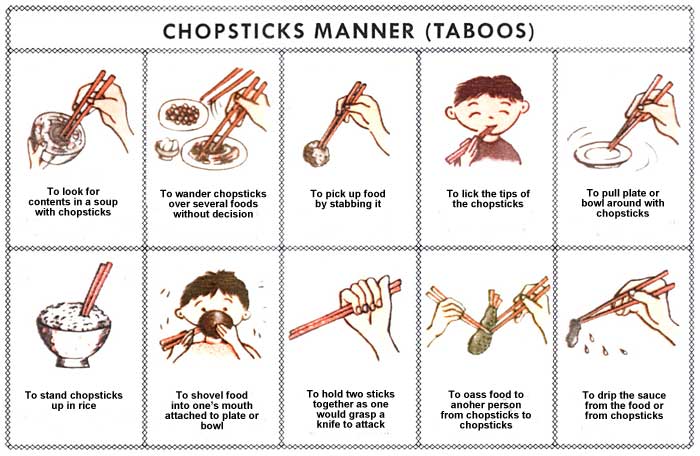
Business meals are key in China. The host sits facing the door, and the guest of honor sits to their right. Toasting (Ganbei) is common—reciprocate respectfully. Never stick chopsticks upright in rice (symbolizes death).
See AlsoBeelinguapp vs Duolingo: Best Language App for You in 2025| Dining Rule | Meaning |
|---|---|
| Wait for host to start eating | Shows respect |
| Try all dishes offered | Politeness to the host |
What is the etiquette in China for business?

Business Meeting Etiquette in China
In China, business meetings follow strict protocols. Punctuality is highly valued, and arriving late is considered disrespectful. Meetings often begin with small talk to build rapport before discussing business matters. Here are key points to remember:
- Arrive early to show respect and professionalism.
- Exchange business cards with both hands and take time to read the card before putting it away.
- Address counterparts by their formal titles unless invited to use first names.
Gift-Giving Customs in Chinese Business
Gift-giving is a common practice in Chinese business culture, symbolizing goodwill. However, there are specific rules to follow to avoid misunderstandings:
See AlsoDo You Have Proof It Was The Child? Duolingo Greek- Choose high-quality gifts but avoid overly expensive items, which may seem like bribery.
- Present gifts with both hands and refuse a gift at least once before accepting it.
- Avoid clocks, handkerchiefs, or sharp objects, as they carry negative connotations.
Dining Etiquette for Business in China
Business meals are integral to relationship-building in China. Understanding dining etiquette is crucial for making a positive impression:
- Wait to be seated, as seating arrangements often reflect hierarchy.
- Use chopsticks properly and never stick them vertically into a bowl of rice.
- Toast with enthusiasm when invited, and reciprocate the gesture.
Communication Style in Chinese Business
Chinese business communication emphasizes indirectness and harmony. Avoiding confrontation is key to maintaining relationships:
- Listen carefully to implicit messages rather than explicit words.
- Avoid saying no directly—use phrases like we’ll consider it instead.
- Maintain a calm demeanor, as emotional outbursts are frowned upon.
Dress Code for Business in China
Professional attire is expected in Chinese business settings, reflecting respect and seriousness:
See AlsoFalou vs Duolingo: Which Language App Is Right for You?- Men should wear dark suits with conservative ties.
- Women should opt for modest clothing, avoiding flashy accessories.
- Neat grooming is essential to convey professionalism.
What is the Chinese way of doing business?

The Importance of Guanxi in Chinese Business Culture
In China, Guanxi (relationships or connections) is the cornerstone of business success. Building and maintaining strong personal relationships is prioritized over formal contracts. Key aspects include:
- Trust-building: Business deals often begin with social interactions like dinners or gifts to establish mutual trust.
- Long-term focus: Relationships are nurtured over time, not just for immediate gains.
- Reciprocity: Favors are expected to be returned, creating a network of mutual obligations.
Hierarchy and Respect in Chinese Business
Chinese business culture emphasizes hierarchy and respect for authority. Decision-making is typically top-down, and understanding this structure is crucial. Key elements include:
- Seniority matters: Elders or high-ranking officials are addressed with formal titles and deference.
- Group harmony: Open disagreement is avoided to maintain face (Mianzi) and collective respect.
- Consensus-driven: Decisions may take longer as they require alignment from multiple levels.
The Role of Face (Mianzi) in Negotiations
Face (dignity/prestige) is a critical concept in Chinese business dealings. Losing or giving face can make or break deals. Important considerations:
- Avoid public criticism: Direct confrontation can cause embarrassment and harm relationships.
- Praise and humility: Compliments enhance face, while excessive self-promotion may diminish it.
- Conflict resolution: Disputes are handled discreetly to preserve mutual respect.
Indirect Communication Styles
Chinese business communication tends to be indirect and nuanced to maintain harmony. Key traits include:
- High-context: Non-verbal cues and implied meanings carry significant weight.
- Yes may not mean agreement: It can signal politeness rather than approval.
- Reading between the lines: Pay attention to tone, pauses, and body language.
Business Etiquette and Formalities
Adhering to etiquette is essential in Chinese business settings. Common practices include:
- Gift-giving: Symbolic gifts (avoid clocks or sharp objects) show respect but follow reciprocity rules.
- Banquets and toasts: Business meals are opportunities to bond; refusing a toast may offend.
- Dress code: Conservative and formal attire reflects professionalism.
How do you do business in China?

Understanding Chinese Business Culture
Doing business in China requires a deep understanding of its unique business culture, which emphasizes relationships, hierarchy, and respect. Key aspects include:
- Guanxi (关系): Building long-term relationships is crucial for trust and success.
- Face (面子): Avoiding public embarrassment and maintaining dignity is vital in negotiations.
- Hierarchy: Decision-making often flows top-down, so engaging senior executives is essential.
Legal and Regulatory Framework
Navigating China’s complex legal system is critical for compliance and smooth operations. Important considerations include:
- Business licenses: Ensure proper registration with local authorities.
- Intellectual property (IP): Protect trademarks and patents early due to weak enforcement.
- Labor laws: Understand contracts, benefits, and termination rules.
Market Entry Strategies
Choosing the right market entry strategy depends on your business goals and resources:
- Joint ventures: Partner with local firms to navigate regulations.
- Wholly Foreign-Owned Enterprises (WFOEs): Offers full control but requires higher investment.
- E-commerce platforms: Leverage Alibaba or JD.com for quick market access.
Negotiation Tactics in China
Successful negotiations in China demand patience and cultural awareness:
- Indirect communication: Avoid confrontational language; use intermediaries if needed.
- Long-term focus: Emphasize mutual benefits over quick wins.
- Gift-giving: Follow etiquette to build goodwill (e.g., avoid clocks or sharp objects).
Digital and E-Commerce Landscape
China’s digital ecosystem is highly advanced and competitive:
- WeChat and Alipay: Essential for payments and customer engagement.
- Live streaming: Use platforms like Douyin (TikTok China) for sales.
- Localized marketing: Adapt campaigns to Chinese social media (Weibo, Little Red Book).
What are 5 rules of etiquette in Chinese culture?
1. Respect for Elders and Hierarchy
In Chinese culture, showing respect to elders and acknowledging hierarchy is fundamental. This is reflected in both language and behavior.
- Always address elders with appropriate titles, such as Uncle (叔叔) or Auntie (阿姨), even if they are not relatives.
- Allow elders to speak first and avoid interrupting them.
- Offer your seat to an older person in public spaces like buses or trains.
2. Proper Dining Etiquette
Chinese dining etiquette is deeply rooted in tradition, emphasizing politeness and communal harmony.
- Wait for the host or eldest to start eating before you begin.
- Use chopsticks correctly—never stick them upright in a bowl of rice, as it resembles funeral rites.
- Share dishes family-style and avoid taking the last piece without offering it to others first.
3. Gift-Giving Customs
Exchanging gifts in China follows specific rules to avoid misunderstandings or offense.
- Present and receive gifts with both hands as a sign of respect.
- Avoid giving clocks, scissors, or white flowers, as they symbolize bad luck or death.
- Gifts are often refused once or twice before being accepted—this is a polite gesture, not a rejection.
4. Politeness in Communication
Chinese communication emphasizes indirectness and modesty to maintain harmony.
- Use polite phrases like Qǐng wèn (请问, May I ask?) when initiating conversations.
- Avoid saying no directly—instead, use softer phrases like maybe or I’ll consider it.
- Downplay compliments by modestly refusing them, as excessive praise may be seen as insincere.
5. Proper Greetings and Body Language
Greetings in China often involve a mix of verbal and non-verbal cues to convey respect.
- A slight bow or nod is common, though handshakes are also acceptable in formal settings.
- Avoid prolonged eye contact, as it can be perceived as aggressive.
- Never touch someone’s head, as it is considered disrespectful.
Frequently Asked Questions (FAQ)
What are the key aspects of Chinese business etiquette to consider before a meeting?
Punctuality is highly valued in Chinese business culture. Arriving late can be seen as disrespectful, so always aim to be on time or even a few minutes early. Business cards are another critical element; present and receive them with both hands, and take a moment to read the card before putting it away. Additionally, formal attire is expected, as it reflects professionalism and respect. Understanding these basics can set the tone for a successful meeting.
How important is building relationships (Guanxi) in Chinese business culture?
In China, Guanxi (relationships or connections) is the foundation of business success. Unlike Western cultures where deals may be transactional, Chinese businesspeople prioritize long-term trust and mutual benefit. Building Guanxi often involves social activities like business dinners or tea meetings, where personal bonds are strengthened. Neglecting this aspect can hinder negotiations, as Chinese partners may prefer working with those they know and trust.
What are the dos and don'ts during business negotiations in China?
During negotiations, patience is key—Chinese business culture values gradual progress over rushed decisions. Avoid confrontational language or aggressive tactics, as harmony and face-saving are crucial. Instead, focus on indirect communication and read between the lines, as direct refusals are rare. Also, be prepared for last-minute changes, as flexibility is often expected. Understanding these nuances can prevent misunderstandings and foster smoother discussions.
How should gifts be handled in Chinese business settings?
Gift-giving is a common practice in Chinese business culture but requires careful consideration. Choose modest yet thoughtful gifts, as extravagant ones may be seen as bribery. Always present gifts with both hands and avoid items like clocks or sharp objects, which carry negative connotations. It’s also polite to refuse a gift initially before accepting it, as this shows humility. Following these customs demonstrates respect and cultural awareness.
Leave a Reply
Related Posts