
How to Learn to Write Chinese

Learning to write Chinese characters can seem daunting at first, but with the right approach, it becomes an achievable and rewarding skill. Unlike alphabetic systems, Chinese relies on thousands of unique characters, each with its own structure and meaning. To master this art, beginners should start with basic strokes and radicals, the building blocks of more complex characters. Consistent practice, using tools like grid paper and flashcards, helps reinforce memory. Understanding stroke order and etymology also deepens comprehension. Whether for academic, professional, or personal growth, writing Chinese opens doors to a rich cultural heritage. This guide will walk you through essential steps to build confidence and proficiency in Chinese writing.
How to Learn to Write Chinese: A Step-by-Step Guide
1. Understanding the Basics of Chinese Characters
Chinese characters, or Hanzi, are the building blocks of written Chinese. Each character represents a syllable and often carries meaning. Unlike alphabetic systems, Chinese uses logograms, which can be intimidating at first. Start by learning the most common radicals (components of characters) and simple characters like 人 (rén, person) or 日 (rì, sun).
| Term | Description |
|---|---|
| Radicals | Key components of characters, often indicating meaning or pronunciation. |
| Strokes | Basic brush or pen movements used to write characters. |
| Pinyin | Romanization system to help pronounce characters. |
2. Mastering Stroke Order and Writing Techniques
Proper stroke order is crucial for writing Chinese characters correctly. The general rule is to write from top to bottom and left to right. Practicing with grid paper helps maintain proportions. Use apps like Skritter or HelloChinese to practice stroke order interactively.
See AlsoSimple Chinese Food: Braised Pork With Dry Bean Curd| Rule | Example |
|---|---|
| Top to bottom | Write 三 (sān, three) starting with the top horizontal line. |
| Left to right | Write 你 (nǐ, you) by completing the left side first. |
3. Building Vocabulary with Common Characters
Focus on learning high-frequency characters first, such as those in the HSK 1 list. Group characters by themes (e.g., numbers, family, or directions) to make memorization easier. Flashcards or spaced repetition tools like Anki can reinforce retention.
| Category | Example Characters |
|---|---|
| Numbers | 一 (yī, one), 二 (èr, two), 三 (sān, three) |
| Family | 妈妈 (māma, mom), 爸爸 (bàba, dad) |
4. Practicing with Writing Exercises and Copybooks
Use copybooks (字帖, zìtiè) to trace and replicate characters. Start with basic exercises, then progress to writing sentences. Consistent daily practice, even for 15 minutes, improves muscle memory.
| Tool | Purpose |
|---|---|
| Grid Paper | Helps maintain character proportions. |
| Tracing Apps | Interactive practice for stroke order. |
5. Leveraging Technology and Language Apps
Apps like Pleco, Duolingo, and Memrise offer structured lessons for writing Chinese. Enable handwriting input on your phone to practice typing characters by hand.
See AlsoLearning the second tone in Mandarin Chinese| App | Feature |
|---|---|
| Pleco | Dictionary with stroke order animations. |
| HelloChinese | Writing exercises with instant feedback. |
Is it easy to learn to write Chinese?

The Complexity of Chinese Characters
Learning to write Chinese characters is often considered challenging due to their logographic nature. Unlike alphabetic systems, each character represents a word or a morpheme, requiring memorization of thousands of unique symbols. Key difficulties include:
- Stroke order: Characters must be written in a specific sequence, which is crucial for legibility and speed.
- Radicals and components: Understanding the building blocks of characters can help, but adds another layer of complexity.
- Homophones: Many characters sound the same but have different meanings and written forms.
Time Investment Required
Mastering Chinese writing demands significant time and practice. Estimates suggest:
See AlsoFive of the Most Beautiful Chinese Songs to Learn Mandarin- Basic literacy (2,000–3,000 characters) takes 2–4 years of consistent study.
- Advanced proficiency (5,000+ characters) may require a decade or more.
- Daily practice is essential to retain muscle memory and recognition.
Tools and Resources for Learning
Fortunately, numerous tools can ease the learning process:
- Apps like Skritter or Pleco: Focus on character writing and repetition.
- Workbooks and grids: Provide structured practice for stroke order.
- Flashcards: Help reinforce character recognition and meaning.
Common Mistakes Beginners Make
New learners often struggle with:
- Ignoring stroke order, leading to poorly formed characters.
- Overlooking radicals, missing clues to meaning and pronunciation.
- Relying solely on pinyin, neglecting character memorization.
Strategies to Improve Writing Skills
Effective approaches include:
- Breaking down characters into radicals and components.
- Writing daily, even just a few characters, to build consistency.
- Using mnemonics to associate characters with stories or images.
What is the fastest way to learn Chinese spelling?
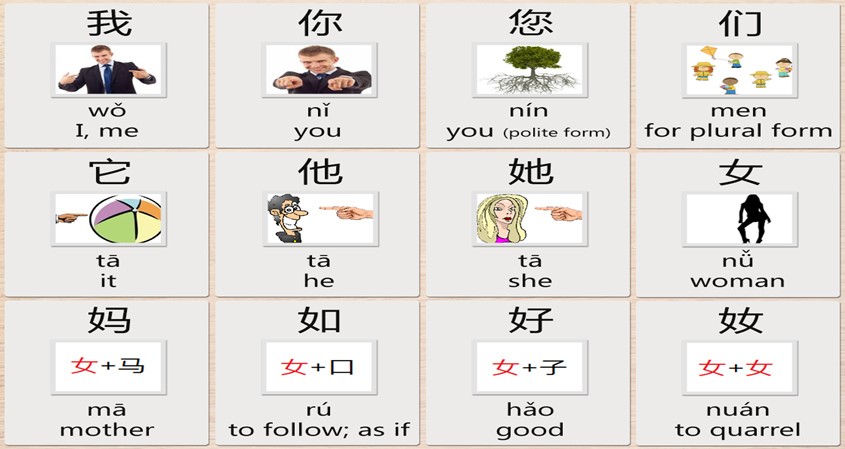
Understanding the Basics of Chinese Characters
To learn Chinese spelling quickly, start by mastering the fundamentals of Chinese characters. Each character represents a syllable and often a meaning, making them the building blocks of the language.
- Learn radicals: Radicals are the components of characters and help in memorization.
- Practice stroke order: Correct stroke order improves writing speed and recognition.
- Use flashcards: Tools like Anki can reinforce character recall through spaced repetition.
Leveraging Mnemonics for Memorization
Mnemonics are powerful tools for remembering Chinese characters by associating them with vivid mental images or stories.
- Create stories: Link characters to familiar concepts or narratives.
- Use visual aids: Drawings or animations can reinforce memory.
- Combine sounds and meanings: Relate characters to similar-sounding words in your native language.
Practicing with Native Speakers
Engaging with native speakers accelerates learning by providing real-time feedback and context.
- Join language exchanges: Platforms like Tandem or HelloTalk connect learners with natives.
- Attend conversation groups: Local meetups or online forums offer practice opportunities.
- Seek corrections: Ask natives to review your writing and pronunciation.
Using Technology and Apps
Technology can streamline the learning process with interactive tools and instant feedback.
- Try language apps: Duolingo, Pleco, and Skritter focus on character learning.
- Enable pinyin input: Typing in Chinese reinforces character recognition.
- Watch subtitled content: Movies or shows with Chinese subtitles improve reading speed.
Consistent Daily Practice
Consistency is key to mastering Chinese spelling efficiently.
- Set daily goals: Aim to learn 5-10 new characters each day.
- Review regularly: Revisit old characters to prevent forgetting.
- Write by hand: Physical writing reinforces memory better than typing.
How can I learn Chinese by myself?

How to Start Learning Chinese on Your Own
To begin learning Chinese independently, focus on foundational elements like Pinyin (the phonetic system) and basic characters. Here’s a structured approach:
- Master Pinyin: Learn pronunciation rules using online tools or apps like Pinyin Trainer.
- Study Basic Characters: Start with 50-100 common characters (e.g., 你, 好) using flashcards or apps like Skritter.
- Practice Tones: Use audio resources or YouTube tutorials to distinguish between Mandarin’s four tones.
Best Resources for Self-Studying Chinese
Leverage high-quality resources tailored for self-learners:
- Apps: Duolingo, HelloChinese, or Anki for vocabulary.
- Websites: ChineseGrammarWiki or Yabla for interactive lessons.
- Textbooks: Integrated Chinese or HSK Standard Course for structured learning.
Building Vocabulary and Grammar Skills
Expand your vocabulary and grasp grammar systematically:
- Learn HSK Lists: Focus on HSK 1-3 words first, using spaced repetition.
- Sentence Patterns: Practice common structures (e.g., 是...的) through workbooks.
- Contextual Learning: Watch Chinese dramas or read graded readers.
Practicing Speaking and Listening
Improve spoken and listening skills without a partner:
- Shadowing: Repeat dialogues from podcasts like ChineseClass101.
- Language Exchange: Use platforms like Tandem or HelloTalk.
- Record Yourself: Compare your pronunciation with native audio.
Staying Motivated and Consistent
Maintain consistency with these strategies:
- Set Goals: Track progress with milestones (e.g., HSK levels).
- Daily Habits: Dedicate 20-30 minutes daily to apps or writing.
- Join Communities: Engage with forums like Reddit’s r/ChineseLanguage.
Frequently Asked Questions (FAQ)
What is the best way to start learning to write Chinese characters?
Starting to write Chinese characters requires a solid foundation in stroke order and basic radicals. Beginners should focus on mastering the eight basic strokes used in Chinese calligraphy, as these form the building blocks of all characters. Using grid paper can help maintain proper proportions, and practicing with traceable worksheets is highly recommended. Additionally, learning Pinyin alongside characters will improve pronunciation and recognition. Consistency is key—dedicate at least 15-20 minutes daily to writing practice.
How long does it take to become proficient in writing Chinese?
The time required to become proficient in writing Chinese varies depending on dedication, practice frequency, and learning methods. On average, it takes about 6-12 months of consistent practice to write basic characters comfortably. For advanced proficiency, including 2,000-3,000 characters, learners may need 2-3 years. Incorporating spaced repetition systems (SRS) like Anki and immersing yourself in reading and writing exercises can significantly accelerate progress.
Are there any tools or apps that can help with learning to write Chinese?
Yes, several tools and apps can enhance your Chinese writing skills. Pleco is excellent for dictionary lookup and stroke order diagrams, while Skritter specializes in character writing practice with real-time feedback. HelloChinese and Duolingo offer gamified learning experiences, including writing exercises. For traditional learners, workbooks like The First 100 Chinese Characters provide structured practice. Combining these tools with handwriting input on smartphones can reinforce muscle memory.
How important is stroke order when learning to write Chinese?
Stroke order is crucial when learning to write Chinese because it ensures legibility, speed, and consistency. Following the correct sequence helps characters look balanced and makes them easier to recognize. Many dictionaries and handwriting input systems rely on proper stroke order for accurate results. While it may seem tedious at first, mastering stroke order early prevents bad habits and improves overall writing fluency. Resources like YouTube tutorials and calligraphy guides can provide visual demonstrations for reinforcement.
Leave a Reply
Related Posts