
Is Learning Multiple Languages on Duolingo Really Possible?

Learning multiple languages simultaneously has become an increasingly popular goal, and platforms like Duolingo have made it more accessible than ever. With its gamified approach and user-friendly interface, Duolingo offers courses in over 40 languages, attracting millions of users worldwide. But is it truly possible to effectively learn multiple languages at once using this app? While the platform provides structured lessons and daily practice opportunities, the challenge lies in balancing time, maintaining motivation, and avoiding confusion between languages. This article explores the feasibility of mastering multiple languages on Duolingo, examining its strengths, limitations, and strategies for success in a multilingual learning journey.
-
Is Learning Multiple Languages on Duolingo Really Possible?
- How Does Duolingo Support Multilingual Learning?
- What Are the Challenges of Learning Multiple Languages on Duolingo?
- Can You Achieve Fluency by Learning Multiple Languages on Duolingo?
- What Strategies Can Help When Learning Multiple Languages on Duolingo?
- How Does Duolingo Compare to Other Language Learning Platforms for Multilingual Learning?
- Is it possible to learn two languages at once on Duolingo?
- Can you realistically learn a language on Duolingo?
- Has anyone ever become fluent with Duolingo?
- Frequently Asked Questions From our Community
Is Learning Multiple Languages on Duolingo Really Possible?
How Does Duolingo Support Multilingual Learning?
Duolingo is designed to support learning multiple languages simultaneously. The platform offers a wide range of languages, from popular ones like Spanish and French to less commonly taught languages like Welsh and Navajo. Each language course is structured with lessons that build on previous knowledge, making it easier for users to switch between languages without losing progress. The app also uses gamification to keep learners engaged, which is particularly helpful when juggling multiple languages.
What Are the Challenges of Learning Multiple Languages on Duolingo?
While Duolingo makes it possible to learn multiple languages, there are challenges. One major issue is cognitive overload, as switching between languages can confuse learners, especially if the languages are similar. Another challenge is time management; dedicating enough time to each language can be difficult, especially for busy individuals. Additionally, the depth of learning may vary, as some courses are more developed than others.
See AlsoTraditional Chinese Medicine vs Western Medicine Who Wins?Can You Achieve Fluency by Learning Multiple Languages on Duolingo?
Achieving fluency solely through Duolingo is unlikely, especially when learning multiple languages. The app is excellent for building vocabulary and basic grammar skills, but it lacks the depth needed for advanced proficiency. To achieve fluency, learners should supplement Duolingo with other resources like conversation practice, reading, and immersion in the language.
What Strategies Can Help When Learning Multiple Languages on Duolingo?
To effectively learn multiple languages on Duolingo, consider these strategies:
- Set clear goals for each language.
- Alternate days or weeks to focus on one language at a time.
- Use supplementary resources like podcasts, books, or language exchange partners.
- Track your progress using Duolingo's built-in tools to stay motivated.
How Does Duolingo Compare to Other Language Learning Platforms for Multilingual Learning?
Duolingo stands out for its accessibility and gamified approach, making it a popular choice for beginners. However, other platforms like Babbel and Rosetta Stone offer more structured courses and deeper cultural insights, which can be beneficial for serious learners. The table below compares Duolingo with other platforms:
See AlsoBabbel vs Duolingo vs Memrise: Top Language Apps 2025| Platform | Strengths | Weaknesses |
|---|---|---|
| Duolingo | Free, gamified, wide language selection | Limited depth, less focus on speaking |
| Babbel | Structured lessons, cultural context | Paid, fewer languages |
| Rosetta Stone | Immersive, pronunciation focus | Expensive, slower pace |
Is it possible to learn two languages at once on Duolingo?
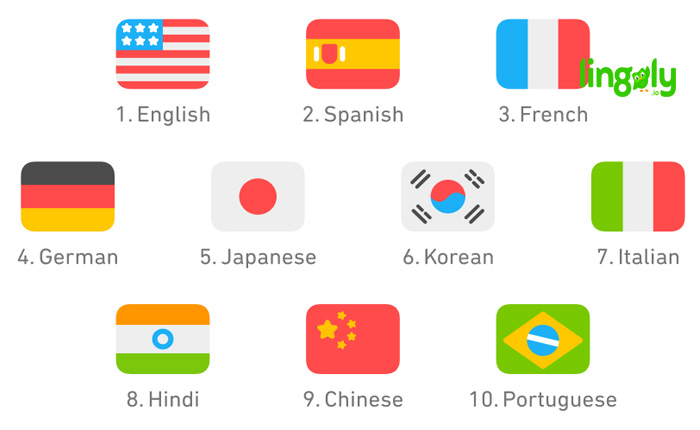
Is It Possible to Learn Two Languages Simultaneously on Duolingo?
Yes, it is possible to learn two languages at once on Duolingo. The platform allows users to study multiple languages simultaneously by switching between courses. However, this approach requires careful planning and dedication to avoid confusion or burnout. Here are some key points to consider:
- Time Management: Learning two languages requires dividing your study time effectively to ensure progress in both.
- Language Similarity: Choosing languages with similar structures (e.g., Spanish and Italian) can make the process easier, while vastly different languages (e.g., Chinese and German) may increase difficulty.
- Personal Commitment: Consistency and discipline are crucial to avoid mixing vocabulary or grammar rules between the two languages.
How to Set Up Multiple Language Courses on Duolingo
Duolingo makes it easy to add and switch between multiple language courses. Here’s how you can manage this:
See AlsoHow to look up Chinese characters you don’t know- Add a New Course: Go to your profile, select Add a new course, and choose the language you want to learn.
- Switch Between Courses: Use the flag icon at the top of the app or website to toggle between your selected languages.
- Track Progress: Duolingo allows you to monitor your progress in each language separately, helping you stay organized.
Benefits of Learning Two Languages at Once on Duolingo
Learning two languages simultaneously on Duolingo can offer several advantages:
- Enhanced Cognitive Skills: Multitasking between languages can improve memory, problem-solving, and multitasking abilities.
- Broader Cultural Understanding: Studying two languages exposes you to different cultures, traditions, and perspectives.
- Flexibility: Duolingo’s gamified approach makes it fun and engaging to switch between languages without feeling overwhelmed.
Challenges of Learning Two Languages at the Same Time
While possible, learning two languages simultaneously on Duolingo comes with its own set of challenges:
- Confusion Between Languages: Mixing vocabulary or grammar rules is a common issue, especially for beginners.
- Time Constraints: Balancing two languages requires more time and effort, which may not suit everyone’s schedule.
- Motivation: Staying motivated for both languages can be difficult if progress feels slow in one or both.
Tips for Successfully Learning Two Languages on Duolingo
To maximize your success when learning two languages on Duolingo, consider these tips:
See AlsoYour slumps affect your language learning more than your flows- Set Clear Goals: Define specific objectives for each language to stay focused and motivated.
- Create a Study Schedule: Allocate dedicated time slots for each language to ensure balanced progress.
- Use Additional Resources: Supplement Duolingo with other tools like flashcards, podcasts, or language exchange partners.
Can you realistically learn a language on Duolingo?

What Does Duolingo Offer for Language Learning?
Duolingo provides a structured approach to language learning through gamified lessons. It focuses on vocabulary, grammar, and basic sentence construction. The platform uses repetition and spaced repetition techniques to reinforce learning. However, it primarily emphasizes reading and writing skills, with limited focus on speaking and listening.
- Gamified lessons make learning engaging and interactive.
- Repetition and spaced repetition help reinforce vocabulary and grammar.
- Limited speaking and listening practice may hinder fluency development.
Can Duolingo Help You Achieve Fluency?
Duolingo is not designed to make you fluent in a language. It is more suitable for beginners or those looking to build a foundation. Fluency requires extensive practice in speaking, listening, and real-world communication, which Duolingo does not fully provide.
See AlsoMale and Female Names in Chinese – Spot the Difference!- Beginner-friendly but not sufficient for advanced learners.
- Lacks real-world conversational practice needed for fluency.
- Best used as a supplementary tool alongside other resources.
What Are the Limitations of Duolingo?
While Duolingo is accessible and convenient, it has several limitations. The platform often lacks depth in cultural context and advanced grammar. Additionally, the automated voice recognition for speaking exercises may not always be accurate, limiting its effectiveness for pronunciation practice.
- Limited cultural context in lessons.
- Inaccurate voice recognition for speaking exercises.
- Shallow coverage of advanced grammar and vocabulary.
How Effective Is Duolingo for Vocabulary Building?
Duolingo is effective for building a basic vocabulary. It introduces words and phrases in context, which helps with retention. However, the vocabulary range is often limited to common words and may not cover specialized or advanced terms.
- Contextual learning aids in vocabulary retention.
- Limited to common words and phrases.
- Not ideal for specialized vocabulary in professional or academic settings.
Is Duolingo a Good Starting Point for Language Learners?
Duolingo is an excellent starting point for absolute beginners. It provides a low-pressure environment to learn the basics of a language. However, learners should complement it with other resources like language exchange partners, tutors, or immersion experiences for a well-rounded skill set.
- Low-pressure environment for beginners.
- Complements other learning methods like tutoring or immersion.
- Not a standalone solution for comprehensive language mastery.
Has anyone ever become fluent with Duolingo?

Can Duolingo Make You Fluent in a Language?
Duolingo is a popular language-learning app designed to help users build vocabulary, grammar, and basic conversational skills. However, achieving fluency—defined as the ability to speak, read, write, and understand a language effortlessly—requires more than just using Duolingo. While the app is an excellent tool for beginners, it has limitations in providing advanced language skills, such as nuanced vocabulary, cultural context, and real-life conversational practice.
- Duolingo focuses on foundational skills: It teaches basic grammar, vocabulary, and sentence structure, which are essential for beginners.
- Limited speaking and listening practice: The app offers some speaking exercises, but they are not sufficient for mastering fluency.
- No immersion or cultural context: Fluency often requires understanding cultural nuances, which Duolingo does not provide.
What Are the Limitations of Duolingo for Achieving Fluency?
Duolingo is a great starting point, but it has several limitations that prevent users from achieving fluency. The app primarily focuses on gamified learning, which can be engaging but lacks depth in advanced language skills. Additionally, it does not offer personalized feedback or opportunities for real-life conversation, which are crucial for mastering a language.
- Gamified learning: While fun, it may not encourage deep understanding or retention of complex language concepts.
- Lack of personalized feedback: Users do not receive tailored corrections or guidance to improve their skills.
- No real-life conversation practice: Fluency requires interaction with native speakers, which Duolingo does not facilitate.
How Can Duolingo Be Used Effectively Alongside Other Resources?
To maximize the benefits of Duolingo and move closer to fluency, it should be used as a supplementary tool alongside other resources. Combining Duolingo with immersive experiences, language exchange programs, and advanced courses can significantly enhance language proficiency.
- Pair Duolingo with immersive experiences: Watch movies, listen to podcasts, or read books in the target language.
- Join language exchange programs: Practice speaking with native speakers through platforms like Tandem or HelloTalk.
- Take advanced courses: Enroll in formal classes or use platforms like Babbel or Rosetta Stone for deeper learning.
What Do Users Say About Achieving Fluency with Duolingo?
Many users report that Duolingo is effective for building a basic understanding of a language but falls short in helping them achieve fluency. Testimonials often highlight the app's strengths in vocabulary building and grammar but note its limitations in advanced language skills and real-world application.
- Positive feedback on basics: Users appreciate the app's ability to teach foundational skills in a fun way.
- Criticism of advanced learning: Many users feel the app does not prepare them for complex conversations or professional use.
- Suggestions for improvement: Users recommend adding more speaking and listening exercises to enhance fluency.
What Are the Alternatives to Duolingo for Achieving Fluency?
For those aiming for fluency, there are several alternatives to Duolingo that offer more comprehensive language learning experiences. These alternatives often include immersive methods, personalized feedback, and opportunities for real-life practice.
- Babbel: Focuses on conversational skills and provides structured lessons for all levels.
- Rosetta Stone: Uses immersive techniques to teach languages without translation.
- Language exchange platforms: Platforms like Tandem and HelloTalk connect learners with native speakers for real-life practice.
Frequently Asked Questions From our Community
Can I effectively learn multiple languages at the same time on Duolingo?
Yes, it is possible to learn multiple languages simultaneously on Duolingo, but it requires careful planning and dedication. The platform allows users to switch between different language courses, making it convenient to study more than one language. However, time management and consistent practice are crucial to avoid confusion between languages. It is recommended to focus on one language until you reach an intermediate level before adding another, as this helps build a strong foundation and reduces the risk of mixing up vocabulary or grammar rules.
How does Duolingo handle learning multiple languages without causing confusion?
Duolingo uses a structured approach to help learners manage multiple languages. Each language course is designed independently, with its own lessons, vocabulary, and grammar rules. The app also provides spaced repetition and adaptive learning techniques to reinforce what you’ve learned. To minimize confusion, it’s important to set clear goals and allocate specific times for each language. Additionally, using Duolingo’s progress tracking features can help you stay organized and monitor your improvement in each language separately.
What are the challenges of learning multiple languages on Duolingo?
One of the main challenges of learning multiple languages on Duolingo is the potential for language interference, where similar words or grammar structures from different languages might get mixed up. Another challenge is maintaining motivation and consistency across multiple courses. Balancing your time and energy between languages can be difficult, especially if you’re learning languages from different language families. To overcome these challenges, it’s essential to create a study schedule, use supplementary resources, and practice regularly to reinforce your learning.
Are there any tips for successfully learning multiple languages on Duolingo?
To successfully learn multiple languages on Duolingo, start by setting realistic goals and prioritizing one language at a time. Use Duolingo’s daily goals and streaks to stay motivated and consistent. Incorporate other learning methods, such as watching movies, listening to podcasts, or practicing with native speakers, to complement your Duolingo lessons. Additionally, try to focus on languages that are linguistically distinct to reduce confusion. Finally, track your progress regularly and celebrate small milestones to keep yourself motivated throughout your language-learning journey.
Leave a Reply
Related Posts