
Male and Female Names in Chinese – Spot the Difference!

Chinese names offer a fascinating glimpse into cultural traditions, and distinguishing between male and female names can be intriguing. While both genders share common surnames, given names often carry subtle yet meaningful differences. Male names frequently emphasize strength, ambition, or virtues like perseverance, while female names tend to reflect beauty, grace, or nature-inspired elements. The choice of characters, pronunciation, and even the flow of the name can hint at gender. Understanding these patterns not only enriches cultural appreciation but also helps avoid misunderstandings. Whether you're learning Chinese or simply curious, recognizing these distinctions adds depth to the way we perceive names and their significance in Chinese society.
Male and Female Names in Chinese – Spot the Difference!
1. Common Male Names in Chinese
In Chinese culture, male names often reflect strength, ambition, or virtues like loyalty and wisdom. Common characters include 伟 (Wěi - great), 强 (Qiáng - strong), and 杰 (Jié - outstanding). These names may also reference nature, such as 峰 (Fēng - peak) or 海 (Hǎi - sea).
| Name | Meaning |
|---|---|
| 伟强 (Wěi Qiáng) | Great and Strong |
| 志明 (Zhì Míng) | Ambition and Bright |
2. Common Female Names in Chinese
Female names in Chinese tend to emphasize beauty, grace, or elegance. Popular characters include 丽 (Lì - beautiful), 芳 (Fāng - fragrant), and 静 (Jìng - quiet/gentle). Flowers and natural elements like 梅 (Méi - plum blossom) are also common.
See AlsoThe Complicated Chinese Family Tree| Name | Meaning |
|---|---|
| 丽芳 (Lì Fāng) | Beautiful and Fragrant |
| 雅静 (Yǎ Jìng) | Elegant and Gentle |
3. Gender-Neutral Names in Chinese
Some names are unisex, using characters like 明 (Míng - bright) or 平 (Píng - peaceful). These names avoid overtly masculine or feminine traits, making them versatile.
| Name | Meaning |
|---|---|
| 小明 (Xiǎo Míng) | Little Bright |
| 和平 (Hé Píng) | Harmony and Peace |
4. Cultural Influences on Naming
Chinese names are shaped by Confucian values, historical figures, and literary classics. Male names may reference heroes, while female names often draw from poetry or virtues like modesty.
| Influence | Example |
|---|---|
| Historical Heroes | 关羽 (Guān Yǔ) |
| Classic Poetry | 诗雨 (Shī Yǔ - Poetic Rain) |
5. Modern Trends in Chinese Names
Today, parents blend tradition with modernity, using unique characters or Western influences. Some opt for simpler names or those with global appeal.
See AlsoLanguages in China (300+ In Total) - A Complete Guide| Trend | Example |
|---|---|
| Westernized Names | 安娜 (Ān Nà - Anna) |
| Minimalist Names | 一 (Yī - One) |
What is the Chinese rule for names?
What Are the Basic Rules for Chinese Names?
In Chinese naming conventions, the family name (surname) always comes first, followed by the given name. Here are key rules:
- Surname first: The family name is placed before the given name (e.g., Zhang Wei, where Zhang is the surname).
- Single or double characters: Given names are usually 1-2 characters long (e.g., Li Na or Wang Xiaoming).
- No middle names: Chinese names typically don’t include middle names, unlike Western naming traditions.
How Are Chinese Surnames Chosen?
Chinese surnames are deeply rooted in family heritage and history. Key points include:
See AlsoDuolingo Rewards: Earn XP, Gems, and More- Limited common surnames: Around 100 surnames cover most of the population (e.g., Wang, Li, Zhang).
- Patrilineal tradition: Surnames are usually passed down from the father’s side.
- Historical significance: Many surnames originate from ancient clans or dynasties.
What Are the Cultural Meanings Behind Chinese Given Names?
Chinese given names often reflect cultural values, hopes, or blessings. Examples:
- Positive traits: Names may symbolize virtues like strength (强, Qiáng) or wisdom (慧, Huì).
- Nature-inspired: Elements like moon (月, Yuè) or forest (林, Lín) are common.
- Gender influences: Male names often emphasize power, while female names lean toward grace or beauty.
Are There Legal Restrictions on Chinese Names?
China enforces naming laws to maintain cultural and administrative order. Highlights:
- Banned characters: Names cannot contain offensive or obscene symbols.
- Standardized characters: Only government-approved Chinese characters are permitted.
- No foreign scripts: Names must be written in Chinese, not alphabets like English.
How Do Chinese Names Differ in Western Contexts?
When adapting to Western cultures, Chinese names often undergo changes:
- Reversed order: Some flip to given name + surname (e.g., Wei Zhang instead of Zhang Wei).
- Anglicized versions: Names may be translated (e.g., Mei becoming May).
- Nicknames: Western colleagues might use shortened forms (e.g., Xiaoming as Ming).
What is the male female difference in China?
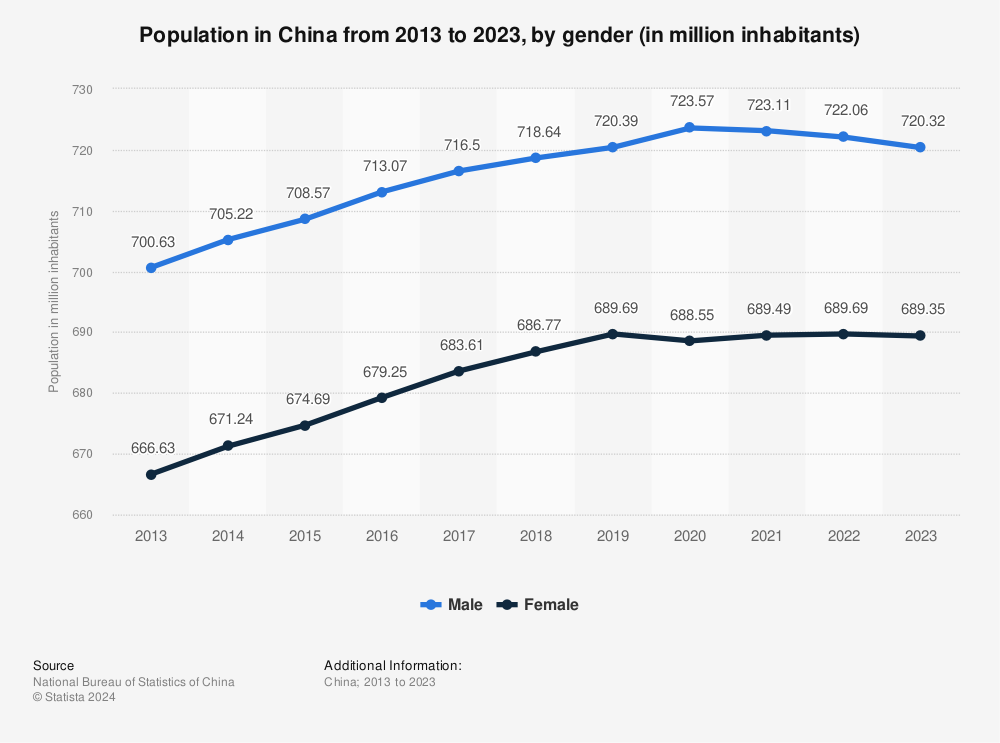
Gender Population Imbalance in China
China has a significant gender population imbalance, with more males than females due to historical and cultural factors. Key reasons include:
- One-Child Policy: Implemented from 1979 to 2015, it led to a preference for male children, resulting in sex-selective abortions.
- Cultural Bias: Sons are traditionally valued for carrying the family name and supporting parents in old age.
- Higher Male Birth Rate: The natural sex ratio at birth is skewed, with around 105-107 males per 100 females globally, but China's ratio has been higher.
Education and Employment Disparities
While education gaps have narrowed, disparities persist in employment opportunities and wages:
- Higher Education: Women now outnumber men in universities, but gender stereotypes affect field choices (e.g., fewer women in STEM).
- Workforce Participation: Women face a glass ceiling, with fewer leadership roles despite equal qualifications.
- Wage Gap: Women earn roughly 75-80% of men's salaries for similar work, influenced by societal expectations.
Marriage and Family Expectations
Marriage pressures differ by gender, reflecting traditional norms:
- Leftover Women: Educated women over 27 face stigma for being unmarried, while men face pressure to provide financially.
- Bride Prices: Men often pay high dowries, exacerbating financial strain due to the gender imbalance.
- Childcare Roles: Women are expected to prioritize family over careers, limiting professional growth.
China has laws against gender discrimination, but enforcement varies:
- Anti-Discrimination Laws: Exist on paper but are rarely enforced in hiring or promotions.
- Maternity Leave: Generous on paper, but employers often avoid hiring women to bypass costs.
- Domestic Violence: Awareness is growing, but cultural stigma prevents many women from reporting abuse.
Urban vs. Rural Gender Differences
Urban areas show more gender equality than rural regions:
- Education Access: Rural girls are more likely to drop out early to support families.
- Job Opportunities: Urban women have better access to white-collar jobs, while rural women often work in agriculture or factories.
- Traditional Norms: Rural communities cling to patriarchal values, whereas cities adopt more progressive views.
How do Chinese female names work?
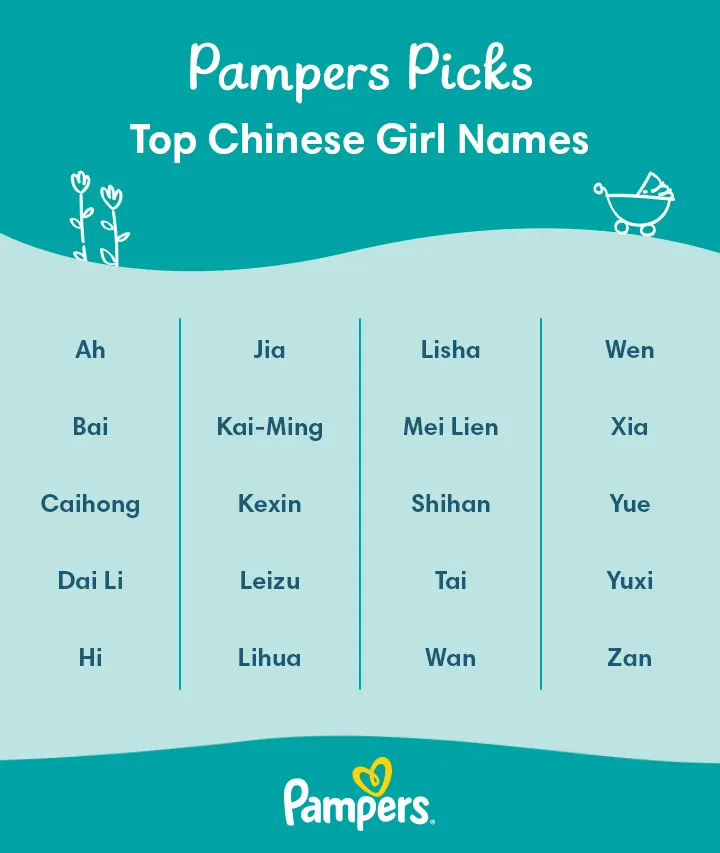
Structure of Chinese Female Names
Chinese female names typically consist of a surname followed by a given name, which is often one or two characters long. The surname is inherited from the father and comes first, while the given name is chosen by parents and usually carries a meaningful or poetic connotation. Here are key points:
- Surname: Usually one character (e.g., 李 Lǐ, 王 Wáng), though some are two characters (e.g., 欧阳 Ōuyáng).
- Given name: Often two characters (e.g., 丽娜 Lì-Nà) but can be one (e.g., 敏 Mǐn).
- Meaning: Given names often reflect virtues (e.g., 美 Měi, beauty), nature (e.g., 雪 Xuě, snow), or aspirations.
Common Themes in Chinese Female Names
Chinese female names frequently incorporate themes related to nature, virtues, or elegance. These names are carefully selected to convey positive attributes. Examples include:
- Flowers and plants: 兰 (Lán, orchid), 梅 (Méi, plum blossom).
- Beauty and grace: 婷 (Tíng, graceful), 雅 (Yǎ, elegant).
- Positive traits: 慧 (Huì, wise), 静 (Jìng, calm).
Naming Traditions and Customs
Chinese naming customs emphasize family heritage and cultural values. Parents often consult elders or naming experts to ensure the name is auspicious. Key practices include:
- Generational names: Some families use a shared character in siblings' names.
- Five Elements: Names may balance missing elements (e.g., water, wood) in a child's birth chart.
- Avoiding taboos: Names shouldn’t resemble those of ancestors or carry negative meanings.
Modern Trends in Chinese Female Names
Contemporary names blend tradition with modern influences, including Western names or unique characters. Trends include:
- Unisex names: Increasing use of gender-neutral characters (e.g., 宇 Yǔ, universe).
- Shortened names: One-character names (e.g., 欣 Xīn, joy) are becoming popular.
- Creative combinations: Parents mix characters for originality (e.g., 子涵 Zǐ-Hán).
Differences Between Chinese and Western Female Names
Chinese female names differ from Western names in structure, meaning, and cultural significance. Notable contrasts:
- Order: Surname precedes given name (e.g., 张伟 Zhāng Wěi vs. John Smith).
- Flexibility: Western names often reuse classics (e.g., Emily), while Chinese names prioritize uniqueness.
- Characters vs. letters: Each Chinese character carries meaning, unlike alphabetic names.
Frequently Asked Questions (FAQ)
What are the main differences between male and female names in Chinese?
Male names in Chinese often incorporate characters that signify strength, ambition, or virtues like bravery and resilience. Examples include 伟 (wěi, meaning great) or 勇 (yǒng, meaning brave). Female names, on the other hand, tend to use characters associated with beauty, grace, or nature, such as 丽 (lì, meaning beautiful) or 花 (huā, meaning flower). While these trends aren't absolute, they reflect traditional gender expectations in Chinese culture.
Are there unisex names in Chinese, or are they strictly gendered?
Yes, some Chinese names are considered unisex, meaning they can be used for both males and females. Characters like 明 (míng, meaning bright) or 平 (píng, meaning peaceful) are common in unisex names. However, the overall name structure—such as pairing a neutral character with a gendered one—often provides clues about the intended gender.
How do Chinese parents choose names for their children based on gender?
Chinese parents often select names based on cultural values and aspirations for their child. For boys, names may emphasize success, intelligence, or moral character, while girls' names might highlight elegance or kindness. Additionally, parents may consult fortune-tellers or name dictionaries to ensure the name's meaning, pronunciation, and even stroke count align with positive outcomes.
Can you determine someone's gender just by their Chinese name?
While many Chinese names have gendered indicators, it's not always possible to determine gender with certainty. Some names are ambiguous, and modern parents may intentionally choose less traditional names. Context, such as the surname or additional characters, can also influence perception. However, names with strongly gendered characters (e.g., 强 for males or 娜 for females) usually make the distinction clear.
Leave a Reply
Related Posts