
Traditional Chinese Medicine vs Western Medicine Who Wins?

The debate between Traditional Chinese Medicine (TCM) and Western Medicine has persisted for centuries, each offering distinct approaches to health and healing. TCM, rooted in ancient philosophies like Qi and Yin-Yang, emphasizes holistic balance and natural remedies. In contrast, Western Medicine relies on scientific research, advanced technology, and pharmaceutical interventions to treat symptoms and diseases. While both systems have proven effective in different contexts, their methodologies and underlying principles often clash. This article explores the strengths and limitations of each practice, examining whether one truly outperforms the other or if a integrative approach holds the key to optimal healthcare in the modern world.
- Traditional Chinese Medicine vs Western Medicine: A Comparative Analysis
- Is Chinese medicine more effective than Western medicine?
- Why is TCM not accepted?
- What happens if you take Chinese and Western medicine together?
-
Frequently Asked Questions (FAQ)
- What are the main differences between Traditional Chinese Medicine (TCM) and Western Medicine?
- Which is more effective: Traditional Chinese Medicine or Western Medicine?
- Are there any risks or side effects associated with Traditional Chinese Medicine?
- Can Traditional Chinese Medicine and Western Medicine be used together?
Traditional Chinese Medicine vs Western Medicine: A Comparative Analysis
The debate between Traditional Chinese Medicine (TCM) and Western Medicine (WM) has been ongoing for decades. While WM relies on scientific research, advanced technology, and pharmaceutical interventions, TCM emphasizes holistic healing, natural remedies, and balancing the body's energy. Both systems have strengths and weaknesses, making them suitable for different health conditions. Below, we explore key aspects of this comparison.
1. Philosophical Foundations: TCM vs Western Medicine
TCM is rooted in ancient philosophies like Yin-Yang and the Five Elements Theory, focusing on harmony and energy flow (Qi). In contrast, Western Medicine is based on anatomy, physiology, and biochemistry, prioritizing disease diagnosis and targeted treatments. While TCM treats the body as an interconnected system, WM often addresses symptoms in isolation.
See AlsoHSK 2 Vocabulary Test (150 Words)| Aspect | Traditional Chinese Medicine (TCM) | Western Medicine (WM) |
|---|---|---|
| Philosophy | Holistic, energy-based | Scientific, evidence-based |
| Focus | Balance and prevention | Symptom and disease treatment |
2. Treatment Approaches: Natural vs Pharmaceutical
TCM uses herbal remedies, acupuncture, and dietary therapy to restore balance. Western Medicine relies on synthetic drugs, surgery, and advanced medical technology. While TCM treatments are often slower but with fewer side effects, WM provides rapid relief but may come with adverse reactions.
| Treatment Type | TCM | WM |
|---|---|---|
| Primary Methods | Herbs, acupuncture, cupping | Drugs, surgery, radiation |
| Side Effects | Minimal | Can be severe |
3. Effectiveness in Chronic vs Acute Conditions
TCM excels in managing chronic illnesses like arthritis and digestive disorders by addressing root causes. Western Medicine is more effective for acute conditions such as infections or trauma due to its fast-acting interventions. Combining both approaches can sometimes yield the best results.
| Condition Type | TCM Effectiveness | WM Effectiveness |
|---|---|---|
| Chronic Diseases | High | Moderate |
| Acute Conditions | Low | High |
4. Scientific Validation and Global Acceptance
Western Medicine is widely accepted due to rigorous clinical trials and regulatory approvals. TCM, while increasingly studied, lacks the same level of scientific validation, leading to skepticism in Western countries. However, some TCM practices, like acupuncture, have gained recognition for pain management.
See Also6 benefits of learning Chinese through sports| Factor | TCM | WM |
|---|---|---|
| Research Backing | Limited but growing | Extensive |
| Global Recognition | Partial | Universal |
5. Personalization and Patient-Centered Care
TCM is highly personalized, with treatments tailored to an individual's energy imbalances. Western Medicine often follows standardized protocols, though personalized medicine is emerging. The choice between the two may depend on a patient's preference for customization versus consistency.
| Approach | TCM | WM |
|---|---|---|
| Customization | High | Moderate (improving) |
| Standardization | Low | High |
Is Chinese medicine more effective than Western medicine?
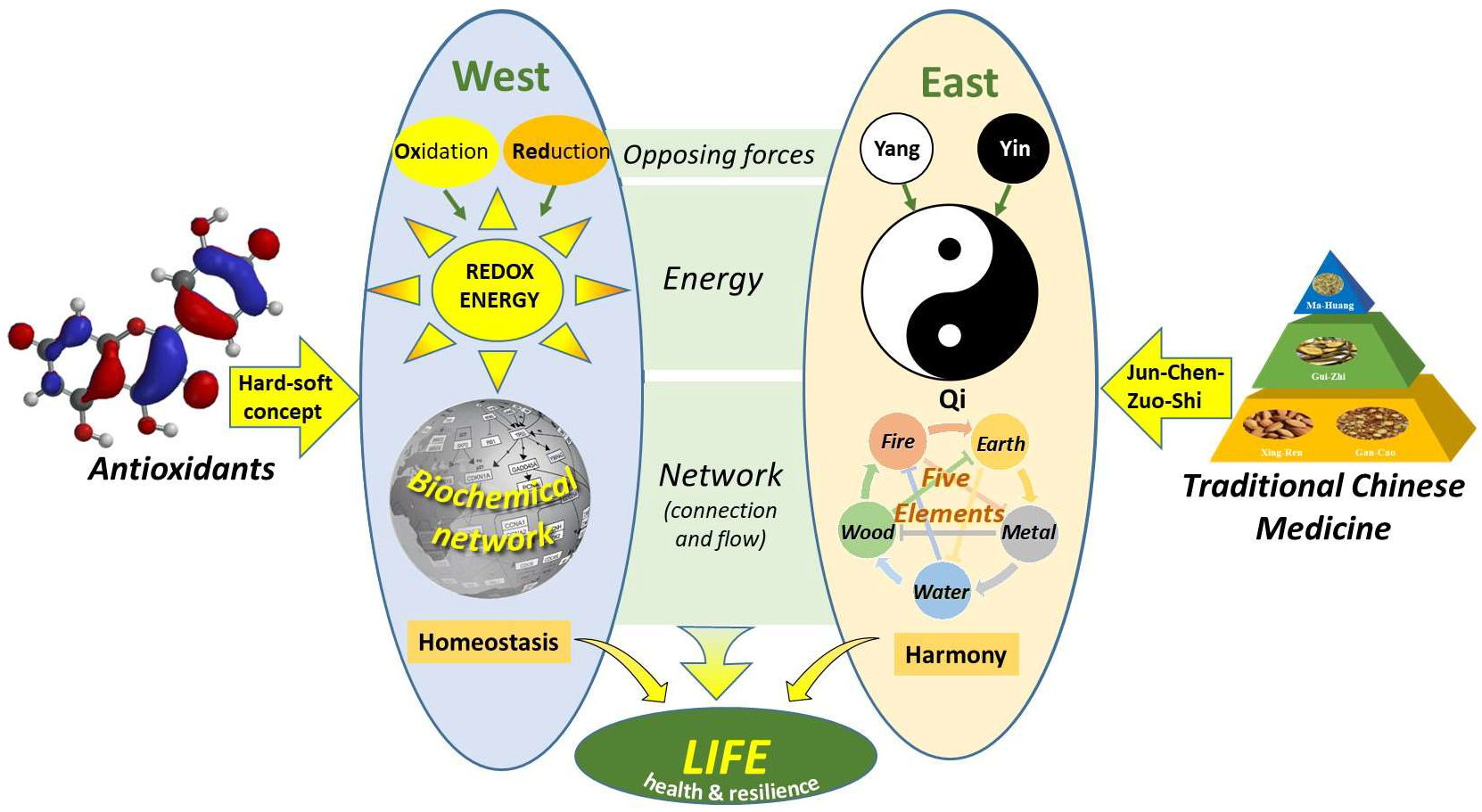
What Are the Core Principles of Chinese Medicine?
Chinese medicine is based on ancient philosophies like Qi (vital energy), Yin-Yang balance, and the Five Elements Theory. It emphasizes holistic healing, focusing on restoring harmony within the body rather than targeting isolated symptoms.
See AlsoSkritter review: Boosting your Chinese character learning- Qi flow is believed to influence overall health, and blockages can lead to illness.
- Herbal remedies and acupuncture are common treatments to restore balance.
- Diagnosis often involves examining the tongue, pulse, and overall energy patterns.
How Does Western Medicine Approach Treatment?
Western medicine relies on scientific research, clinical trials, and evidence-based practices. It focuses on diagnosing specific diseases and treating them with pharmaceuticals, surgery, or other targeted interventions.
- Antibiotics and vaccines are examples of highly effective Western treatments.
- Advanced imaging and lab tests allow for precise diagnosis.
- Standardized protocols ensure consistency in treatment across healthcare systems.
Which Conditions Respond Better to Chinese Medicine?
Chronic conditions like pain management, digestive disorders, and stress-related illnesses often show improvement with Chinese medicine due to its holistic approach.
- Acupuncture is widely recognized for pain relief and migraines.
- Herbal formulas may help with insomnia and anxiety.
- Long-term lifestyle adjustments are emphasized for sustained wellness.
Where Does Western Medicine Excel in Effectiveness?
Acute conditions, infections, and emergency care are areas where Western medicine outperforms due to rapid, targeted interventions.
See AlsoHow to get honest feedback to boost your Chinese speaking and writing- Emergency surgeries and trauma care save lives with immediate results.
- Antiviral and antibacterial drugs quickly combat infections.
- Advanced technology enables early detection of life-threatening diseases.
Can Chinese and Western Medicine Be Used Together?
Integrative medicine combines the strengths of both systems, offering a balanced approach for comprehensive care.
- Cancer patients may use acupuncture to manage chemotherapy side effects.
- Herbal supplements might support recovery post-surgery.
- Some hospitals now incorporate both modalities for chronic disease management.
Why is TCM not accepted?

Lack of Scientific Evidence
Traditional Chinese Medicine (TCM) often faces skepticism due to insufficient scientific validation. Many TCM practices rely on historical use rather than modern clinical trials, making it difficult to prove efficacy.
See AlsoVocabulary lists that help you learn Chinese and how to use them- Limited peer-reviewed studies support TCM claims compared to Western medicine.
- Some TCM treatments lack standardized dosages, leading to inconsistent results.
- The mechanisms of action for herbs or acupuncture are not always clearly understood.
Cultural and Philosophical Differences
TCM is rooted in ancient Chinese philosophy, which contrasts with the biomedical model dominant in Western medicine. This creates a barrier to acceptance.
- Holistic approaches in TCM (e.g., Qi, Yin-Yang) are not easily measurable.
- Western medicine prioritizes symptom-specific treatments, while TCM focuses on balance.
- Misunderstandings arise due to language and conceptual gaps in translating TCM theories.
Safety and Regulation Concerns
The lack of global standardization in TCM raises concerns about safety and quality control, deterring wider acceptance.
- Some herbal remedies contain toxic substances or interact with pharmaceuticals.
- Counterfeit or adulterated products are a problem in unregulated markets.
- Acupuncture and other practices require proper training to avoid complications.
Resistance from the Medical Establishment
The Western medical community often views TCM as alternative or unproven, leading to institutional resistance.
- Medical schools rarely include TCM education in curricula.
- Insurance companies may not cover TCM due to lack of proven efficacy.
- Doctors may hesitate to recommend TCM without robust clinical evidence.
Misinformation and Misuse
Misrepresentation of TCM, both by proponents and critics, contributes to its lack of acceptance.
- Overpromising results by practitioners can lead to distrust.
- Media often portrays TCM as either a miracle cure or pseudoscience.
- Lack of public awareness about legitimate vs. fraudulent TCM practices.
What happens if you take Chinese and Western medicine together?

Potential Benefits of Combining Chinese and Western Medicine
Combining Chinese and Western medicine may offer complementary benefits, as each system approaches health differently. For example:
- Chinese medicine focuses on holistic balance and natural remedies, while Western medicine targets specific symptoms with pharmaceuticals.
- Some studies suggest that integrating both can enhance recovery, such as using acupuncture alongside painkillers for chronic pain.
- Herbal remedies may reduce side effects of Western drugs, like using ginger to alleviate nausea from chemotherapy.
Possible Risks and Interactions
Mixing Chinese herbs and Western medications can sometimes lead to adverse effects. Key concerns include:
- Drug-herb interactions, such as ginseng interfering with blood thinners like warfarin, increasing bleeding risks.
- Overlapping effects, where both systems may lower blood pressure or sugar excessively.
- Unregulated herbal products may contain contaminants or undisclosed ingredients affecting prescription drugs.
How to Safely Combine Both Medicines
To minimize risks, follow these guidelines when using Chinese and Western medicine together:
- Always consult a healthcare provider before mixing treatments, especially if taking prescription drugs.
- Research credible sources or practitioners trained in integrative medicine.
- Monitor for unusual symptoms and report them immediately to avoid complications.
Examples of Effective Combinations
Certain pairings of Chinese and Western medicine have shown promise in clinical settings:
- Astragalus (Chinese herb) may boost immunity during chemotherapy.
- Turmeric can reduce inflammation when used with NSAIDs like ibuprofen.
- Acupuncture alongside physical therapy improves mobility in stroke patients.
Common Misconceptions About Mixing Both Systems
Misunderstandings about combining Chinese and Western medicine can lead to unsafe practices. Notable myths include:
- Assuming all herbal remedies are natural and harmless, ignoring potential interactions.
- Believing Western medicine alone is superior, dismissing the preventive benefits of Chinese practices.
- Overestimating the speed of results, as Chinese medicine often requires longer-term use.
Frequently Asked Questions (FAQ)
What are the main differences between Traditional Chinese Medicine (TCM) and Western Medicine?
Traditional Chinese Medicine (TCM) and Western Medicine differ fundamentally in their approaches to health and treatment. TCM is rooted in ancient philosophies like Yin-Yang balance and the flow of Qi (vital energy), focusing on holistic healing through herbs, acupuncture, and dietary therapy. In contrast, Western Medicine relies on scientific research, evidence-based practices, and targeted treatments such as pharmaceuticals and surgery. While TCM emphasizes prevention and harmony with nature, Western Medicine prioritizes rapid symptom relief and technological advancements.
Which is more effective: Traditional Chinese Medicine or Western Medicine?
The effectiveness of TCM versus Western Medicine depends on the condition being treated. Western Medicine excels in acute and life-threatening situations, such as infections or trauma, due to its precise diagnostics and fast-acting treatments. On the other hand, TCM often shows better results for chronic conditions, stress-related disorders, and overall wellness by addressing root causes rather than just symptoms. Integrative approaches combining both systems are increasingly popular for balanced care.
Are there any risks or side effects associated with Traditional Chinese Medicine?
While Traditional Chinese Medicine is generally considered safe when practiced correctly, it is not without risks. Some herbal remedies may interact with Western medications or cause allergic reactions. Poorly administered acupuncture can lead to infections or nerve damage. Additionally, the lack of standardized regulations in some regions raises concerns about contamination or mislabeling of herbal products. Consulting a qualified practitioner and informing your Western doctor about TCM use is crucial for safety.
Can Traditional Chinese Medicine and Western Medicine be used together?
Yes, integrative medicine that combines TCM and Western Medicine is gaining traction globally. For example, cancer patients may use chemotherapy (Western) alongside acupuncture (TCM) to alleviate side effects like nausea. However, coordination between practitioners is essential to avoid contraindications. Studies show that such combinations can enhance recovery, improve quality of life, and provide a more comprehensive approach to health. Always seek professionals experienced in both fields for optimal results.
Leave a Reply
Related Posts