
Task-based Chinese learning and teaching

Task-based Chinese learning and teaching is an innovative approach that emphasizes practical language use through real-world activities. Unlike traditional methods focused on grammar drills and memorization, this strategy immerses learners in meaningful tasks, such as ordering food or planning a trip, to develop fluency naturally. By engaging in authentic communication, students build confidence and cultural understanding while mastering Mandarin. Teachers act as facilitators, designing activities that mirror everyday scenarios, ensuring relevance and motivation. Research shows this method enhances retention and engagement, making it ideal for learners of all levels. As global interest in Chinese grows, task-based instruction offers a dynamic and effective pathway to language proficiency.
- Task-Based Chinese Learning and Teaching: An Effective Approach to Language Acquisition
- What is the difference between task-based learning and task-based language teaching?
- What is task-based learning teaching techniques?
- What is the Chinese method of teaching?
- What are task-based teaching activities?
- Frequently Asked Questions (FAQ)
Task-Based Chinese Learning and Teaching: An Effective Approach to Language Acquisition
What Is Task-Based Chinese Learning?
Task-based Chinese learning is an instructional approach where students acquire the language by completing meaningful, real-world tasks. Instead of focusing solely on grammar drills or vocabulary memorization, learners engage in activities that simulate authentic communication, such as ordering food, making travel plans, or discussing daily routines. This method emphasizes practical application and helps learners develop fluency and confidence in using Mandarin.
| Key Aspect | Description |
|---|---|
| Real-World Tasks | Activities that mimic everyday situations |
| Focus on Communication | Encourages interaction over rote memorization |
| Learner-Centered | Adapts to students' needs and proficiency levels |
Benefits of Task-Based Learning for Chinese
The task-based approach offers numerous advantages for Chinese learners. It enhances retention by contextualizing vocabulary and grammar in practical scenarios. Additionally, it improves speaking and listening skills through interactive tasks. Since Mandarin is a tonal language, practicing in real-life contexts helps learners master pronunciation and tones more effectively.
See AlsoGreetings in Chinese| Benefit | Impact |
|---|---|
| Improved Fluency | Learners speak more naturally |
| Enhanced Engagement | Makes learning more interactive and fun |
| Cultural Understanding | Integrates cultural context into language use |
How to Design Effective Task-Based Chinese Lessons
Creating successful task-based lessons requires careful planning. Instructors should select tasks that align with learners' goals, such as role-playing a business meeting or writing a social media post in Chinese. Each task should have a clear objective, incorporate relevant vocabulary, and provide opportunities for feedback and reflection.
| Step | Description |
|---|---|
| Define Objectives | Set clear language and skill targets |
| Choose Authentic Tasks | Use real-life scenarios |
| Provide Support | Offer vocabulary and grammar aids |
Examples of Task-Based Activities for Chinese Learners
Effective task-based activities include simulated shopping experiences, storytelling exercises, or debates on cultural topics. For beginners, simple tasks like introducing themselves or asking for directions work well. Advanced learners might engage in problem-solving discussions, such as planning a trip or negotiating a business deal in Mandarin.
| Activity | Skill Focus |
|---|---|
| Role-Playing a Restaurant Scene | Speaking, Listening |
| Writing a Travel Blog | Writing, Vocabulary |
| Group Project on Chinese Festivals | Collaboration, Cultural Knowledge |
Challenges in Task-Based Chinese Teaching
While highly effective, task-based teaching presents challenges, such as ensuring tasks are appropriately challenging and managing mixed-proficiency classrooms. Teachers must balance structure with flexibility, providing enough guidance without stifling creativity. Additionally, assessing progress can be complex since tasks focus on practical skills rather than standardized testing.
See Also5 insights from the first year of a master’s program in Taiwan| Challenge | Solution |
|---|---|
| Varying Skill Levels | Differentiate tasks by complexity |
| Time Management | Break tasks into manageable steps |
| Assessment | Use rubrics focused on communication |
What is the difference between task-based learning and task-based language teaching?
Definition of Task-Based Learning (TBL)
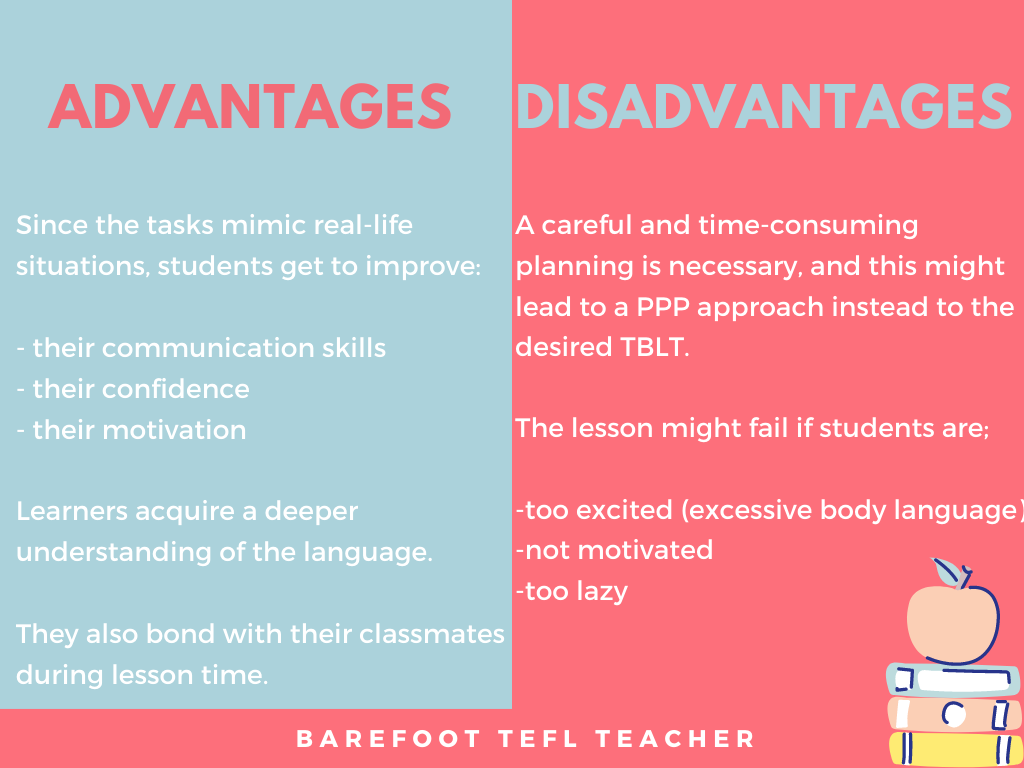
Task-Based Learning (TBL) is an educational approach where learners engage in meaningful activities, or tasks, to achieve a specific outcome. The focus is on problem-solving and real-world application, rather than explicit language instruction. Here are key aspects:
- Learner-centered: Students actively participate in tasks that mimic real-life situations.
- Process-oriented: Emphasis is on the steps taken to complete the task, not just the final product.
- Holistic development: Encourages critical thinking, collaboration, and creativity alongside language use.
Definition of Task-Based Language Teaching (TBLT)
Task-Based Language Teaching (TBLT) is a subset of TBL specifically designed for language acquisition. It integrates linguistic goals into task completion, making it a specialized method for language classrooms. Key features include:
See AlsoHow Does China Celebrate Western New Year?- Language-focused: Tasks are structured to target specific grammar, vocabulary, or communication skills.
- Scaffolded learning: Teachers provide support to ensure language development during tasks.
- Assessment-driven: Success is measured by both task completion and language proficiency gains.
Primary Focus of Each Approach
While both methods use tasks, their core objectives differ significantly:
- TBL: Aims for general skill development (e.g., teamwork, problem-solving) across subjects.
- TBLT: Targets language mastery, using tasks as a vehicle for linguistic practice.
- Overlap: TBLT is a specialized form of TBL applied exclusively in language education.
Role of the Teacher
The teacher’s involvement varies between the two approaches:
- In TBL: Acts as a facilitator, guiding learners through tasks without direct language instruction.
- In TBLT: Takes a more structured role, pre-teaching language elements and providing feedback.
- Balance: TBLT often requires tighter control to ensure language objectives are met.
Assessment and Outcomes
Evaluation methods highlight the differences between TBL and TBLT:
See AlsoChinese Translation Volunteers: Where To Apply- TBL: Assesses task success (e.g., did the group solve the problem?).
- TBLT: Measures language progress (e.g., accuracy, fluency, or vocabulary use).
- Dual focus: TBLT may evaluate both task completion and language improvement.
What is task-based learning teaching techniques?
What is Task-Based Learning (TBL)?
Task-Based Learning (TBL) is a teaching approach where students learn by completing meaningful real-world tasks rather than focusing solely on grammar or vocabulary drills. The primary goal is to develop communicative competence through practical activities that mimic authentic situations. This method emphasizes student-centered learning, encouraging active participation and problem-solving.
- Tasks are the core of the lesson, such as planning a trip or solving a problem.
- Language use is natural and contextual, rather than isolated.
- Feedback is provided after task completion to refine language skills.
Key Principles of Task-Based Learning
The key principles of TBL revolve around authenticity, learner autonomy, and focus on meaning. Teachers design tasks that require students to use language creatively and collaboratively, prioritizing fluency over accuracy during the task phase.
- Meaning-focused activities take precedence over form-focused drills.
- Collaboration among learners is encouraged to enhance communication.
- Real-world relevance ensures tasks are practical and engaging.
Stages of Task-Based Learning
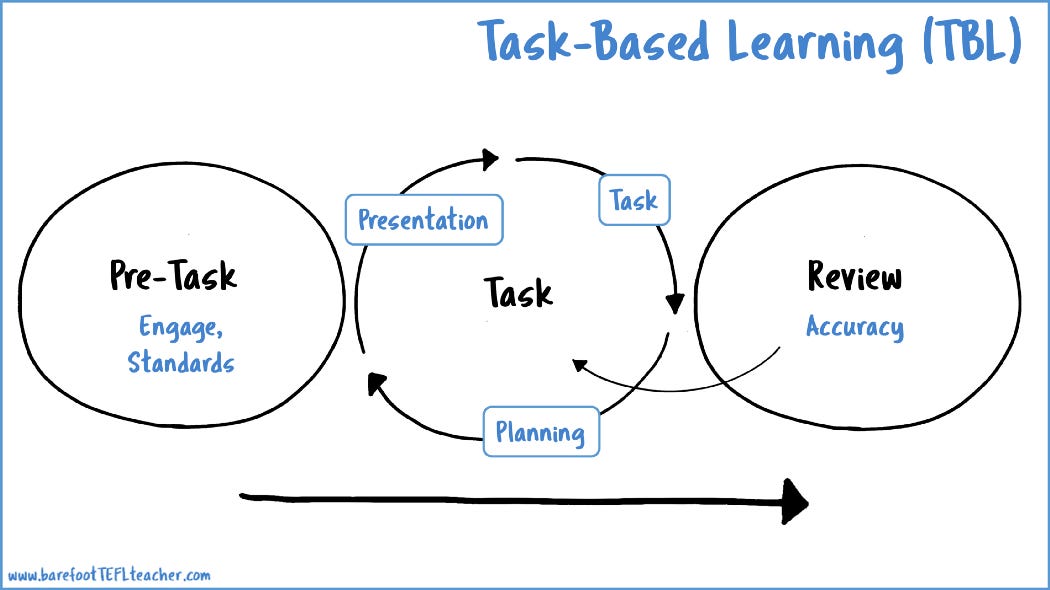
TBL typically follows a three-stage framework: pre-task, task cycle, and language focus. Each stage serves a distinct purpose in scaffolding the learning process.
- Pre-task: Introduces the topic and prepares students with necessary vocabulary or ideas.
- Task cycle: Students complete the task, plan how to present results, and then share outcomes.
- Language focus: Analysis and practice of linguistic forms used during the task.
Advantages of Task-Based Learning
TBL offers several benefits, including improved motivation, retention, and practical language skills. By simulating real-life scenarios, students gain confidence in using the language spontaneously.
- Engagement: Tasks are interactive and relevant, keeping learners interested.
- Fluency development: Focus on communication enhances speaking and listening skills.
- Critical thinking: Problem-solving tasks promote higher-order cognitive skills.
Challenges of Task-Based Learning
Despite its advantages, TBL presents challenges such as classroom management, assessment difficulties, and the need for teacher adaptability.
- Time-consuming: Designing and executing tasks requires careful planning.
- Mixed proficiency levels: Tasks may be too easy or difficult for some learners.
- Assessment: Evaluating performance can be subjective without clear rubrics.
What is the Chinese method of teaching?
The Traditional Chinese Teaching Approach
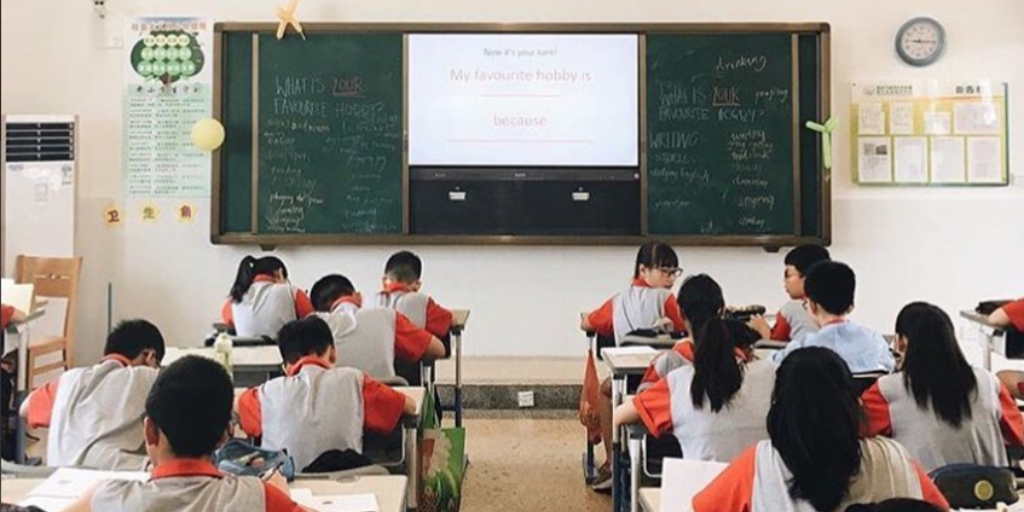
The Chinese method of teaching is deeply rooted in Confucian values, emphasizing discipline, respect for authority, and rigorous academic standards. Key characteristics include:
- Teacher-centered instruction: Educators lead the classroom with minimal student interruption.
- Memorization and repetition: Students frequently recite and practice to master content.
- High-stakes examinations: Performance is heavily evaluated through standardized tests like the Gaokao.
Role of Discipline in Chinese Classrooms
Discipline is a cornerstone of the Chinese education system, fostering a structured learning environment. Notable aspects include:
- Strict behavioral expectations: Students adhere to clear rules and routines.
- Collective responsibility: Peer pressure encourages conformity and effort.
- Minimal tolerance for distractions: Focus is prioritized over creative exploration.
Emphasis on STEM Education
China prioritizes science, technology, engineering, and mathematics (STEM) in its curriculum. This focus is evident through:
- Extended classroom hours: More time is dedicated to STEM subjects than arts or humanities.
- Competitive Olympiads: Students train intensively for international competitions.
- Government-backed initiatives: Policies promote STEM to drive economic growth.
Use of Rote Learning Techniques
Rote memorization is a dominant strategy in Chinese teaching, with benefits and drawbacks such as:
- Foundation for advanced concepts: Mastery of basics enables complex problem-solving.
- Limited critical thinking: Creativity may be stifled by repetitive drills.
- Cultural reinforcement: Aligns with historical emphasis on mastery of classical texts.
Parental Involvement and Expectations
Families play a pivotal role in the Chinese education model, often characterized by:
- High academic pressure: Parents invest heavily in tutors and extracurriculars.
- Long-term career focus: Education is viewed as a path to social mobility.
- Sacrifices for success: Households prioritize schooling over leisure activities.
What are task-based teaching activities?
Definition of Task-Based Teaching Activities
Task-based teaching activities are instructional methods where learners complete meaningful tasks using the target language. These tasks simulate real-world scenarios, requiring students to apply their linguistic skills to achieve a specific goal. The focus is on communication and problem-solving rather than rote memorization of grammar rules.
- Tasks are goal-oriented, such as planning a trip or solving a puzzle.
- They emphasize authentic language use over isolated grammar drills.
- Learners work collaboratively, fostering interaction and negotiation of meaning.
Key Characteristics of Task-Based Teaching
Task-based teaching is defined by several core features that distinguish it from traditional methods. These include a focus on real-world relevance, learner autonomy, and assessment based on task completion rather than accuracy alone.
- Meaningful context: Tasks mirror situations learners might encounter outside the classroom.
- Student-centered: Learners take an active role in directing their learning process.
- Fluency over accuracy: Communication is prioritized, even if errors occur.
Types of Task-Based Activities
There are various types of tasks used in task-based teaching, each designed to target different language skills and objectives. These range from simple to complex, depending on the learners' proficiency level.
- Information-gap tasks: Students exchange information to complete a task (e.g., asking for directions).
- Problem-solving tasks: Groups work together to find solutions (e.g., budgeting for a project).
- Creative tasks: Learners produce something new (e.g., writing a story or designing a poster).
Benefits of Task-Based Teaching
Implementing task-based activities offers numerous advantages for language learners, including improved motivation and practical language use. These benefits stem from the method's interactive and engaging nature.
- Enhances communication skills: Learners practice speaking and listening in realistic contexts.
- Boosts confidence: Successfully completing tasks builds self-assurance in language use.
- Encourages critical thinking: Tasks often require analysis and decision-making.
Implementing Task-Based Activities in the Classroom
To effectively incorporate task-based teaching, educators should follow a structured approach, ensuring tasks align with learning objectives and student needs. Proper planning and scaffolding are essential for success.
- Pre-task phase: Introduce the task and provide necessary vocabulary or structures.
- Task cycle: Students complete the task, then present or discuss their results.
- Post-task phase: Review language used, correct errors, and reinforce learning points.
Frequently Asked Questions (FAQ)
What is task-based Chinese learning and teaching?
Task-based Chinese learning and teaching is an instructional approach that focuses on using real-world tasks as the core of language acquisition. Instead of relying solely on traditional grammar drills or memorization, learners engage in meaningful activities—such as ordering food, planning a trip, or solving a problem—that require them to use Mandarin Chinese in practical contexts. This method emphasizes communication, problem-solving, and cultural understanding, making the learning process more engaging and effective.
How does task-based learning improve Chinese language skills?
By immersing learners in authentic situations, task-based learning helps develop not only vocabulary and grammar but also fluency and confidence. Tasks often simulate real-life scenarios, requiring learners to listen, speak, read, and write in Chinese to complete objectives. This holistic approach reinforces language retention and encourages learners to think critically, adapt to different contexts, and interact naturally with native speakers.
What are some examples of tasks in a Chinese language classroom?
Examples of tasks include role-playing a market negotiation, creating a travel itinerary for a trip to Beijing, or collaborating on a group project about Chinese festivals. These activities are designed to be interactive and culturally relevant, pushing learners to apply their language skills dynamically. Teachers may also incorporate multimedia, such as videos or podcasts, to enhance contextual learning and expose students to diverse accents and dialects.
What are the benefits of task-based teaching for Chinese instructors?
For instructors, task-based teaching offers a flexible framework to tailor lessons to students' proficiency levels and interests. It shifts the focus from teacher-centered instruction to student-centered learning, fostering greater engagement and participation. Additionally, this method allows educators to assess students' practical competence rather than just theoretical knowledge, providing clearer insights into their progress and areas for improvement.
Leave a Reply
Related Posts