
Standard pronunciation in Chinese and why you want it

Mastering standard pronunciation in Chinese is essential for effective communication and cultural integration. Mandarin, with its four distinct tones, requires precision to avoid misunderstandings. Standard pronunciation, known as Putonghua, is the official language of China and widely used in media, education, and business. Adopting it enhances clarity, boosts confidence, and opens doors to professional opportunities. Whether for travel, work, or personal growth, speaking with accurate tones and articulation ensures you’re understood and respected. This article explores the importance of standard Chinese pronunciation, its benefits, and practical tips to achieve it, helping you navigate the language with ease and authenticity.
- The Importance of Standard Pronunciation in Chinese and Why You Need It
- How do you say 1, 2, 3, 4, 5, 6, 7, 8 in Chinese?
- What is the correct pronunciation of Chinese?
- What is the Standard Chinese accent?
- What are the 5 common pronunciation mistakes Chinese speakers make?
- Frequently Asked Questions (FAQ)
The Importance of Standard Pronunciation in Chinese and Why You Need It
1. What Is Standard Chinese Pronunciation?
Standard Chinese pronunciation, known as Mandarin (Putonghua), is based on the Beijing dialect and serves as the official spoken language in China. It uses Pinyin as the phonetic system to represent sounds accurately. Proper pronunciation ensures clear communication and avoids misunderstandings.
| Aspect | Description |
|---|---|
| Tones | Mandarin has four main tones and a neutral tone, which change word meanings. |
| Pinyin | Romanization system that helps learners pronounce Chinese characters correctly. |
2. Why Accurate Tones Matter in Chinese
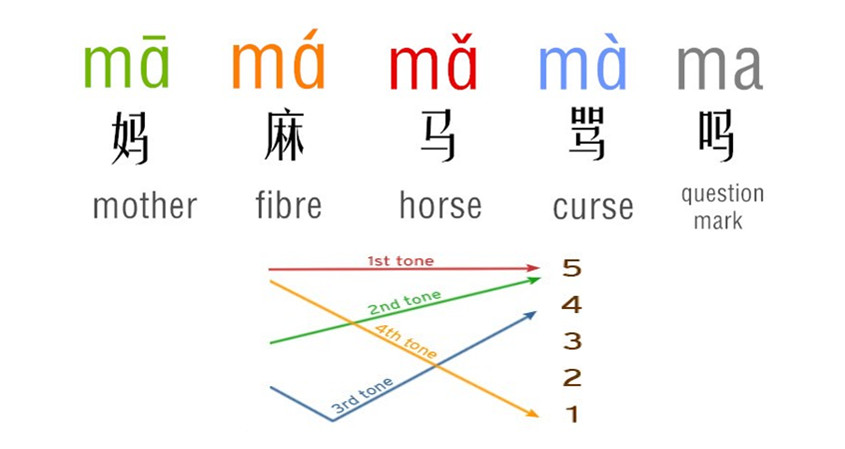
Chinese is a tonal language, meaning the same syllable with different tones can have entirely different meanings. For example, mā (妈 - mother) vs. mà (骂 - scold). Mispronouncing tones can lead to confusion or unintended meanings.
See AlsoTop 10 Most Followed Duolingo Account: Social Stars In 2025| Tone | Example | Meaning |
|---|---|---|
| First Tone (Flat) | mā | Mother |
| Fourth Tone (Sharp Fall) | mà | Scold |
3. The Role of Pinyin in Learning Pronunciation
Pinyin is essential for beginners as it bridges the gap between Chinese characters and their sounds. It helps learners master tones, initials, and finals systematically. Without Pinyin, memorizing pronunciation would be significantly harder.
| Component | Function |
|---|---|
| Initials | Consonant sounds at the start of a syllable (e.g., b, p). |
| Finals | Vowel sounds and endings (e.g., a, ang). |
Speaking with standard pronunciation enhances career opportunities, especially in fields like business, translation, or education. It also improves social interactions, helping you connect with native speakers more effectively.
| Benefit | Impact |
|---|---|
| Job Prospects | Employers prefer candidates with clear Mandarin skills. |
| Cultural Integration | Better relationships with Chinese speakers. |
5. Common Pronunciation Mistakes and How to Avoid Them
Learners often struggle with similar sounds (e.g., sh vs. x) or tone pairs. Practicing with native speakers, using language apps, and listening to Mandarin media can help refine pronunciation.
See AlsoHow to Get Duolingo Max: Unlocking the Next Level of Language Learning| Mistake | Correction |
|---|---|
| Confusing q and ch | Q is softer (e.g., qī - seven). |
| Ignoring Tones | Always practice words with their correct tones. |
How do you say 1, 2, 3, 4, 5, 6, 7, 8 in Chinese?

Basic Chinese Numbers from 1 to 8
Here’s how to say the numbers 1 to 8 in Chinese:
- 1 – 一 (yī)
- 2 – 二 (èr)
- 3 – 三 (sān)
- 4 – 四 (sì)
- 5 – 五 (wǔ)
- 6 – 六 (liù)
- 7 – 七 (qī)
- 8 – 八 (bā)
Pronunciation Tips for Chinese Numbers
Correct pronunciation is key to being understood. Here’s a breakdown:
See AlsoChristmas Greetings in Chinese- Yī (1) – Pronounced like ee with a high, flat tone.
- Èr (2) – Sounds like are but with a falling tone.
- Sān (3) – Similar to sahn with a high, level tone.
- Sì (4) – Like suh but with a sharp, falling tone.
Common Uses of Numbers in Chinese
Numbers are used daily in contexts like:
- Counting objects – 一个苹果 (yī gè píngguǒ) – one apple.
- Phone numbers – Digits are read individually (e.g., 一二三, yī-èr-sān).
- Prices – 五块钱 (wǔ kuài qián) – five yuan.
Writing Chinese Numbers: Characters vs. Numerals
Chinese uses both characters and Arabic numerals:
- Formal contexts – Characters (e.g., 三 for 3).
- Informal/speed – Numerals (e.g., 3 instead of 三).
- Financial documents – Often use complex characters to prevent fraud.
Cultural Significance of Numbers in China
Certain numbers are considered lucky or unlucky:
See AlsoI Can’t Find The Shop In Duolingo? Tips and Tricks- 8 (bā) – Sounds like prosperity, highly lucky.
- 4 (sì) – Sounds like death, often avoided.
- 6 (liù) – Associated with smooth progress.
What is the correct pronunciation of Chinese?
Understanding Chinese Pronunciation Basics
The correct pronunciation of Chinese depends on mastering its phonetic system, which includes tones, initials, and finals. Mandarin Chinese, the most widely spoken dialect, uses Pinyin as its romanization system to represent sounds.
- Tones: Mandarin has four main tones and a neutral tone, each changing the meaning of a word.
- Initials: These are consonant sounds at the beginning of syllables, like b, p, or m.
- Finals: These are the vowel or vowel-consonant combinations that follow initials, such as ai or ang.
The Role of Pinyin in Pronunciation
Pinyin is the official system for transcribing Chinese characters into the Latin alphabet. It serves as a crucial tool for learners to pronounce Chinese words accurately.
- Pinyin letters often differ from English sounds, e.g., q is pronounced like ch in cheese.
- Tone marks in Pinyin indicate the tone of each syllable, such as mā (first tone) vs. mà (fourth tone).
- Practice with Pinyin helps avoid mispronunciations of Chinese characters.
Common Pronunciation Mistakes to Avoid
Learners often struggle with certain aspects of Chinese pronunciation due to differences from their native language.
- Confusing tones, like mixing the rising (second) and falling-rising (third) tones.
- Mispronouncing initials, such as zh, ch, and sh, which are retroflex sounds not found in English.
- Ignoring the neutral tone, which is lighter and shorter but still affects meaning.
Tips for Improving Chinese Pronunciation
To achieve accurate pronunciation, consistent practice and attention to detail are essential.
- Listen and imitate native speakers through videos, podcasts, or language apps.
- Use tone drills to distinguish and produce the four tones correctly.
- Record yourself and compare your pronunciation to native speakers.
Resources for Practicing Chinese Pronunciation
Several tools and methods can help learners refine their Chinese pronunciation skills.
- Pinyin charts with audio examples for each sound combination.
- Language apps like Pleco or HelloChinese for interactive practice.
- Tutoring or language exchange with native speakers for real-time feedback.
What is the Standard Chinese accent?
What is Standard Chinese based on?
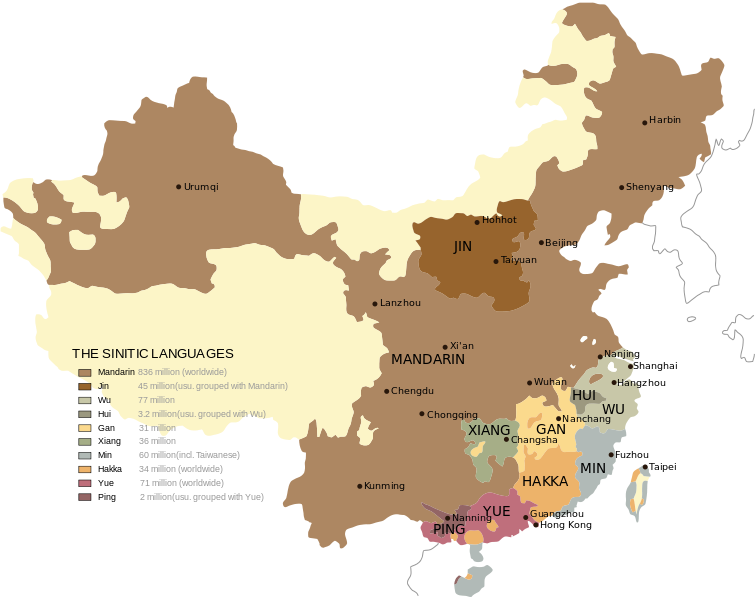
Standard Chinese, also known as Mandarin, is based on the Beijing dialect of Chinese. It serves as the official spoken language of China and is used in education, media, and government. Key features include:
- Phonology: Follows the pronunciation rules of the Beijing dialect but excludes some regional traits.
- Vocabulary: Incorporates words from northern Chinese dialects, with some standardization.
- Grammar: Based on modern vernacular Chinese literature, formalized in the 20th century.
How is Standard Chinese pronunciation standardized?
The pronunciation of Standard Chinese is regulated by the Pinyin system and follows strict rules. Important aspects include:
- Tones: Uses four main tones (flat, rising, falling-rising, falling) and a neutral tone.
- Initials and Finals: Defined by the International Phonetic Alphabet (IPA) for consistency.
- Erhua (儿化音): A feature where 儿 (ér) is added to syllables, common in northern dialects.
What role does Standard Chinese play in China?
Standard Chinese is the official language of China and serves multiple functions:
- Education: Taught in schools nationwide to ensure linguistic unity.
- Media: Used in news broadcasts, films, and official publications.
- Government: Required for official documents and public communications.
How does Standard Chinese differ from regional dialects?
While Standard Chinese is based on the Beijing dialect, it differs from regional varieties in several ways:
- Pronunciation: Some dialects, like Cantonese or Shanghainese, have distinct phonetic systems.
- Vocabulary: Regional dialects may use unique words not found in Standard Chinese.
- Grammar: Certain dialects have different sentence structures or particles.
How is Standard Chinese taught and learned?
Learning Standard Chinese involves structured methods to master its complexities:
- Pinyin: The romanization system helps learners grasp pronunciation.
- Tone Drills: Exercises to distinguish and produce the four tones accurately.
- Media Exposure: Listening to news or watching shows reinforces standard usage.
What are the 5 common pronunciation mistakes Chinese speakers make?

1. Confusing /l/ and /r/ Sounds
Chinese speakers often struggle with distinguishing between the /l/ and /r/ sounds in English. This is because Mandarin and other Chinese dialects do not differentiate these sounds as strictly as English does.
- Example: Saying lice instead of rice.
- Reason: The Mandarin r sound is closer to the English zh or a soft j, leading to confusion.
- Solution: Practice minimal pairs like light vs. right to improve clarity.
2. Omitting Final Consonants
Many Chinese speakers drop final consonants, especially /t/, /d/, /k/, and /g/, because Mandarin syllables often end in vowels or nasal sounds.
- Example: Saying ca' instead of cat.
- Reason: Chinese phonotactics favor open syllables, making final consonants unnatural.
- Solution: Exaggerate the final consonant when speaking slowly, then gradually speed up.
3. Difficulty with Vowel Length and Stress
English uses vowel length and stress patterns to distinguish meaning, but Chinese is a tonal language, making this challenging.
- Example: Pronouncing ship and sheep the same way.
- Reason: Mandarin relies on tones rather than vowel duration.
- Solution: Listen to native speakers and mimic stress patterns in words and sentences.
4. Mispronouncing th Sounds
The voiced (/ð/) and voiceless (/θ/) th sounds are rare in Chinese, leading to substitutions with /s/, /z/, or /d/.
- Example: Saying sink instead of think.
- Reason: These sounds don’t exist in Mandarin, so speakers approximate them.
- Solution: Practice placing the tongue between the teeth and blowing air gently.
5. Overusing the Neutral Tone
Chinese speakers may apply the neutral tone (common in Mandarin) to English, making speech sound monotone or unclear.
- Example: Flattening the intonation in questions (e.g., You go? instead of Are you going?).
- Reason: Mandarin uses tones lexically, not for sentence intonation.
- Solution: Record and compare speech with native English intonation patterns.
Frequently Asked Questions (FAQ)
What is standard pronunciation in Chinese and why is it important?
Standard pronunciation in Chinese, often referred to as Mandarin or Putonghua, is the official spoken language of China. It is based on the Beijing dialect and serves as a unifying linguistic standard across the country. Pronunciation accuracy is crucial because it ensures clear communication, reduces misunderstandings, and reflects cultural respect. For learners, mastering standard pronunciation is essential for professional opportunities, academic success, and integration into Chinese-speaking communities.
How does standard Chinese pronunciation differ from regional dialects?
While Mandarin is the standardized form, China has numerous regional dialects like Cantonese, Shanghainese, or Hokkien, which vary significantly in pronunciation, vocabulary, and grammar. For example, the word for hello in Mandarin is nǐ hǎo, but in Cantonese, it’s néih hóu. Standard pronunciation eliminates these regional barriers, making it the preferred choice for education, media, and official communications nationwide.
Why should non-native speakers aim for standard Chinese pronunciation?
Non-native speakers benefit from learning standard pronunciation because it is widely understood and respected. Mispronunciations can lead to confusion or even unintended meanings—for instance, mixing up shì (是, to be) and sì (四, four). Achieving accurate pronunciation enhances credibility, improves listening comprehension, and fosters better relationships with native speakers. Additionally, standardized Mandarin is tested in proficiency exams like HSK, making it vital for certifications.
What are common challenges in mastering standard Chinese pronunciation?
Learners often struggle with tones, as Mandarin has four distinct tones (plus a neutral tone) that change word meanings—e.g., mā (mother) vs. mà (scold). Other hurdles include aspirated sounds (like p vs. b) and retroflex consonants (e.g., zh, ch, sh). Consistent practice with native speakers, listening exercises, and tools like Pinyin are key to overcoming these challenges and achieving fluency.
Leave a Reply
Related Posts