
Spaced repetition isn’t rote learning

Spaced repetition is often misunderstood as mere rote learning, but the two methods are fundamentally different. While rote learning relies on repetitive, mindless drilling, spaced repetition leverages cognitive science to optimize memory retention. By strategically spacing reviews over increasing intervals, this technique ensures long-term recall without overwhelming the brain. Unlike rote memorization, which fades quickly, spaced repetition strengthens neural connections efficiently. It adapts to individual learning patterns, making it a powerful tool for mastering complex subjects. This article explores why spaced repetition stands apart from traditional memorization, highlighting its scientific basis and practical benefits for learners seeking deeper, lasting knowledge.
Spaced Repetition vs. Rote Learning: Understanding the Key Differences
1. What Is Spaced Repetition?
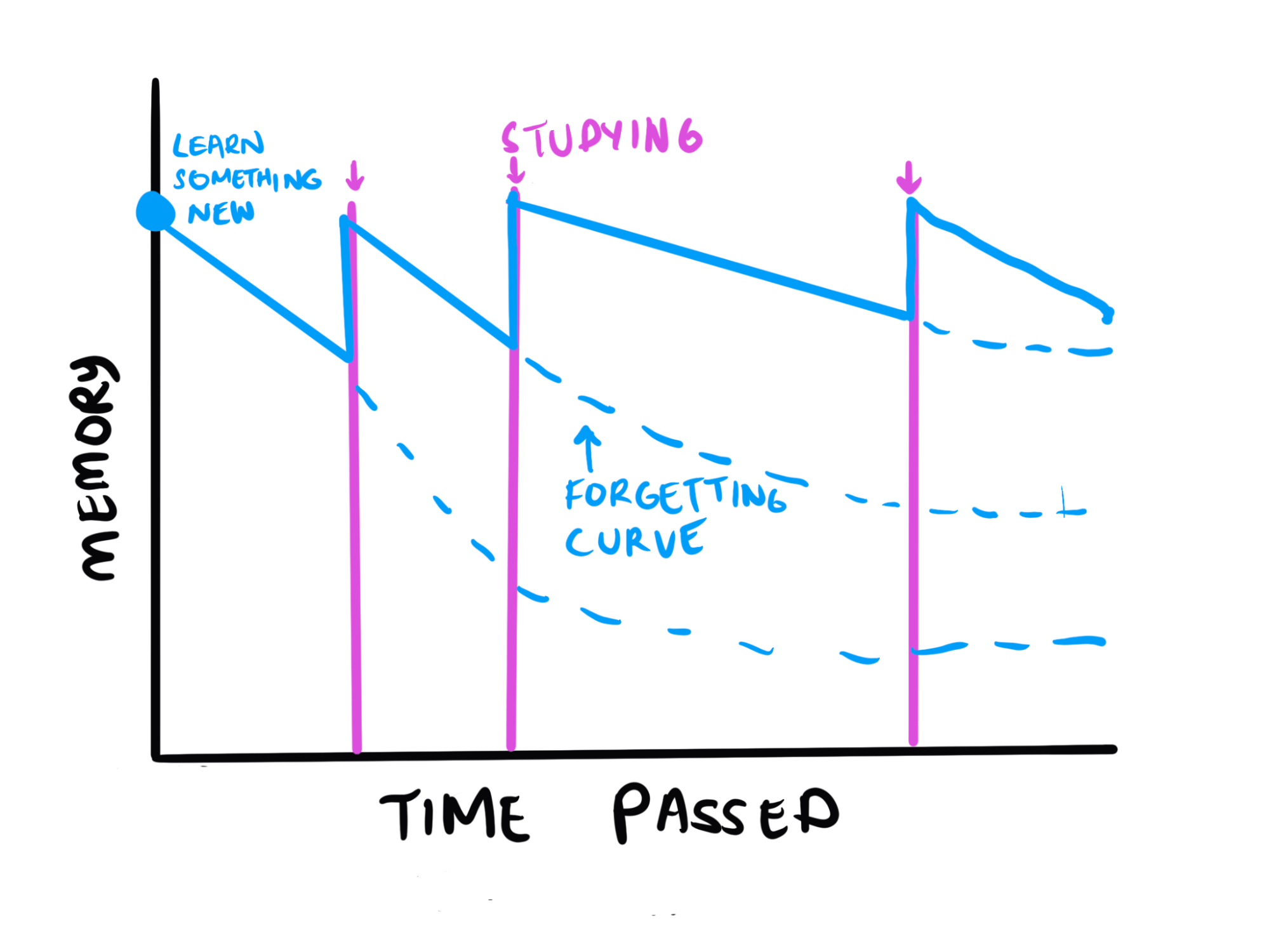
Spaced repetition is a learning technique that involves reviewing information at increasing intervals over time. Unlike rote learning, which relies on repetition in short bursts, spaced repetition leverages the psychological spacing effect to enhance long-term retention. This method is backed by cognitive science and optimizes memory by reinforcing knowledge just before it is forgotten.
| Aspect | Spaced Repetition | Rote Learning |
|---|---|---|
| Focus | Long-term retention | Short-term memorization |
| Method | Gradual intervals | Massed repetition |
2. How Does Spaced Repetition Work?
Spaced repetition uses algorithms to schedule reviews based on memory decay curves. Each time you recall information correctly, the interval before the next review increases. This contrasts with rote learning, where information is repeated in quick succession without strategic timing. Tools like Anki or SuperMemo automate this process for efficiency.
See Also5 of the Strangest Chinese Foods| Stage | Interval |
|---|---|
| First review | 1 day |
| Second review | 3 days |
3. Why Spaced Repetition Isn’t Rote Learning
While both methods involve repetition, spaced repetition is active recall-based, requiring effort to retrieve information. Rote learning, however, is passive and often leads to superficial memorization. Spaced repetition strengthens neural connections, whereas rote learning risks cognitive overload without deeper understanding.
| Factor | Spaced Repetition |
|---|---|
| Engagement | Active recall |
| Outcome | Deeper retention |
4. The Science Behind Spaced Repetition
Studies, such as those by Hermann Ebbinghaus, show that memory retention follows a forgetting curve. Spaced repetition counters this by reactivating knowledge at optimal times. Rote learning ignores this curve, leading to faster forgetting. Neuroimaging confirms that spaced practice enhances hippocampal activity, linked to long-term memory.
| Research Finding | Implication |
|---|---|
| Forgetting Curve | Reviews must be timed |
| Hippocampal Activation | Stronger memory traces |
5. Practical Applications of Spaced Repetition
From language learning to medical studies, spaced repetition is versatile. Apps like Duolingo (for vocabulary) and Quizlet (for flashcards) integrate it. Unlike rote learning, which is rigid, spaced repetition adapts to individual learning pace, making it sustainable for complex subjects.
See AlsoHSK 6 Vocabulary Test - Quick & Full Quizzes| Field | Tool Example |
|---|---|
| Medicine | Anki (for MCAT) |
| Languages | Memrise |
What is the difference between rote learning and spaced repetition?

Definition of Rote Learning and Spaced Repetition
Rote learning is a memorization technique where information is repeated over and over until it is retained in short-term memory. It relies on repetition without necessarily understanding the underlying concepts. On the other hand, spaced repetition is an evidence-based learning method that involves reviewing material at increasing intervals over time to enhance long-term retention.
- Rote learning emphasizes immediate recall through continuous repetition.
- Spaced repetition uses strategically timed reviews to strengthen memory retention.
- Rote learning is often passive, while spaced repetition is an active recall technique.
Effectiveness in Long-Term Retention
Spaced repetition is scientifically proven to improve long-term retention by leveraging the psychological spacing effect. In contrast, rote learning may lead to quick but temporary memorization, often fading without reinforcement.
See AlsoAnalysis paralysis: When choosing method becomes a problem- Spaced repetition strengthens neural connections over time.
- Rote learning is less effective for retaining complex information.
- The forgetting curve is mitigated better with spaced repetition.
Application in Learning Environments
Rote learning is commonly used for memorizing facts like multiplication tables or vocabulary lists. Spaced repetition, however, is applied in advanced learning systems like language apps (e.g., Anki) and medical studies.
- Rote learning is useful for foundational, simple concepts.
- Spaced repetition excels in mastering large volumes of information.
- Digital tools often automate spaced repetition schedules.
Cognitive Load and Engagement
Rote learning can be monotonous and mentally exhausting due to its repetitive nature. Spaced repetition reduces cognitive load by breaking study sessions into manageable intervals.
- Rote learning may lead to disengagement over time.
- Spaced repetition keeps learners motivated through varied review sessions.
- Active recall in spaced repetition enhances deeper understanding.
Adaptability to Different Learning Styles
Rote learning suits learners who thrive on repetition, while spaced repetition benefits those who prefer structured, adaptive learning.
See AlsoTime quality: Studying the right thing at the right time- Rote learning works for auditory and kinesthetic learners.
- Spaced repetition adapts to individual progress and retention rates.
- Visual learners may find spaced repetition tools more effective.
What are the disadvantages of spaced repetition?
Time-Consuming Nature of Spaced Repetition
One of the main drawbacks of spaced repetition is that it can be time-consuming, especially when dealing with large volumes of information. The method requires consistent, long-term commitment to be effective.
- Requires daily reviews to maintain retention, which may not fit busy schedules.
- Initial setup of flashcards or digital decks can take significant effort.
- Delayed mastery of material due to the gradual spacing of reviews.
Over-Reliance on Algorithmic Scheduling
Spaced repetition systems often depend on algorithms to determine review intervals, which may not always align with individual learning needs.
See AlsoChinese Emperors and Empresses: Lü Zhi of Han, China’s First Empress- Algorithms may overestimate or underestimate retention, leading to inefficient reviews.
- Lack of flexibility to adjust for personal learning pace.
- Potential for cognitive overload if intervals are too short or too long.
Risk of Superficial Learning
While spaced repetition enhances memorization, it may not always promote deep understanding of complex concepts.
- Focuses on recall rather than comprehension or application.
- May encourage rote learning instead of critical thinking.
- Less effective for subjects requiring conceptual mastery over factual recall.
Motivation and Burnout Challenges
Maintaining motivation over extended periods can be difficult, leading to burnout or abandonment of the technique.
- Repetitive nature may become monotonous over time.
- Requires self-discipline, which not all learners possess.
- Risk of procrastination due to the lack of immediate rewards.
Limited Effectiveness for Certain Subjects
Spaced repetition is not universally effective and may fall short in skill-based or creative disciplines.
- Less suitable for practical skills like playing an instrument or coding.
- Ineffective for open-ended subjects (e.g., philosophy, art) requiring interpretation.
- May not aid in developing problem-solving or analytical abilities.
Frequently Asked Questions (FAQ)
What is the difference between spaced repetition and rote learning?
Spaced repetition and rote learning are fundamentally different approaches to memorization. While rote learning relies on repetitive, short-term cramming of information, spaced repetition uses scientifically optimized intervals to reinforce memory over time. Spaced repetition leverages the forgetting curve, ensuring that information is reviewed just before it’s likely to fade, leading to long-term retention. In contrast, rote learning often results in quick recall but fails to embed knowledge deeply.
Why is spaced repetition more effective than rote learning?
Spaced repetition is more effective because it aligns with how the human brain retains information. By spacing out reviews at increasing intervals, it strengthens neural connections without overwhelming the mind. Rote learning, on the other hand, forces the brain to process information in bulk sessions, which can lead to cognitive overload and rapid forgetting. Studies show that spaced repetition improves recall accuracy and reduces study time compared to cramming.
Can spaced repetition be used for any type of learning?
Yes, spaced repetition is a versatile technique applicable to various subjects, from language vocabulary to complex scientific concepts. However, it works best for fact-based or discrete information that benefits from memorization. While it may not replace deep understanding or critical thinking, it complements them by ensuring foundational knowledge is retained. Rote learning, in comparison, is less adaptable and often ineffective for conceptual mastery.
How do I implement spaced repetition in my study routine?
To implement spaced repetition, start by breaking material into small, manageable chunks. Use tools like flashcards or apps (e.g., Anki or Quizlet) that automate review schedules. Review the material at gradually increasing intervals—first after a day, then a few days, then a week, and so on. This method ensures efficient learning without wasted effort. Unlike rote learning, which demands constant repetition, spaced repetition optimizes time by focusing on what you’re about to forget.
Leave a Reply
Related Posts