
Should you throw away your Chinese textbook?

Learning a new language is an exciting journey, but traditional methods like textbooks can sometimes feel outdated. With the rise of digital tools, apps, and immersive experiences, many learners wonder if their Chinese textbooks are still worth keeping. While textbooks offer structured lessons and reliable grammar explanations, they may lack the interactivity and real-world practice that modern learners crave. This article explores whether holding onto your Chinese textbook is a smart move or if it’s time to embrace newer, more dynamic learning resources. We’ll weigh the pros and cons to help you decide the best path for your language-learning goals.
Should You Throw Away Your Chinese Textbook?
The decision to discard or keep your Chinese textbook depends on your learning style, goals, and available resources. While some learners thrive with digital tools and immersive methods, others benefit from the structured approach of traditional textbooks. Consider factors like your proficiency level, preferred study methods, and access to alternative resources before making a choice.
1. Are Traditional Textbooks Still Effective for Learning Chinese?
Traditional textbooks provide a structured curriculum, clear grammar explanations, and vocabulary lists, making them useful for beginners. However, they may lack interactive elements and real-life conversational practice. Supplementing them with audio resources and language apps can enhance learning.
See AlsoDebunking 9 Common Myths About Learning Chinese| Pros | Cons |
|---|---|
| Organized learning path | Limited speaking practice |
| Clear grammar rules | May feel outdated |
2. Can Digital Tools Replace Chinese Textbooks Completely?
Digital tools like language apps, online courses, and video tutorials offer interactive learning and real-time feedback. However, textbooks still serve as reliable references for grammar rules and vocabulary. A hybrid approach may be the most effective.
| Digital Advantages | Textbook Advantages |
|---|---|
| Interactive exercises | Comprehensive explanations |
| Portable & accessible | No screen fatigue |
3. How to Decide If You Should Keep Your Textbook?
Evaluate your learning progress and habits. If you frequently refer to your textbook for explanations or exercises, keep it. If you rely more on spoken practice or apps, you might phase it out gradually.
| Keep If… | Discard If… |
|---|---|
| You prefer structured study | You learn better through immersion |
| It's your main reference | You never use it |
4. What Are the Best Alternatives to Chinese Textbooks?
Alternatives include language exchange programs, podcasts, flashcards, and online tutors. These methods emphasize real-world usage and adaptability.
See Also7 ideas for smooth and effortless Chinese listening practice| Alternative | Benefit |
|---|---|
| Language apps (Duolingo, HelloTalk) | Gamified learning |
| YouTube tutorials | Free & visual explanations |
5. How to Repurpose an Old Chinese Textbook?
Instead of throwing it away, use it for vocabulary drills, creating flashcards, or as a grammar reference. You can also donate it to a language learner in need.
| Repurposing Idea | How It Helps |
|---|---|
| Cut out dialogues for practice | Improves speaking skills |
| Use as a workbook | Reinforces writing practice |
Is Integrated Chinese a good textbook?

What are the strengths of Integrated Chinese as a textbook?
Integrated Chinese is widely regarded as a comprehensive resource for learning Mandarin due to several key strengths:
See AlsoHow do Chinese People Learn to Write Chinese Characters?- Structured curriculum: It follows a logical progression from beginner to intermediate levels, making it suitable for classroom use.
- Balanced skills focus: The textbook covers listening, speaking, reading, and writing, ensuring well-rounded language development.
- Cultural context: It integrates cultural notes and real-life scenarios, helping learners understand practical usage.
Are there any weaknesses in Integrated Chinese?
While Integrated Chinese is popular, it has some limitations:
- Pacing issues: Some learners find the transition between volumes abrupt, particularly from Level 1 to Level 2.
- Limited multimedia: Older editions lack digital resources, though newer versions have improved in this area.
- Formal tone: The language used can feel overly academic, missing some colloquial expressions.
How does Integrated Chinese compare to other Mandarin textbooks?
Integrated Chinese stands out in several ways when compared to alternatives like New Practical Chinese Reader or HSK Standard Course:
- Grammar emphasis: It provides clearer grammar explanations than many competitors.
- Exercise variety: Includes more diverse practice activities, though some find drills repetitive.
- Adoption rate: It’s the most commonly used textbook in U.S. universities, ensuring wide support.
Is Integrated Chinese suitable for self-study?
Integrated Chinese can be used for self-study, but with caveats:
See AlsoHow to fake sounding like a native Chinese speaker- Answer keys: The workbook answer key is sold separately, which may frustrate independent learners.
- Audio reliance: Pronunciation practice requires external audio files, now more accessible online.
- Teacher dependency: Some exercises assume classroom interaction, making solo use challenging.
What editions of Integrated Chinese are available, and which is best?
Integrated Chinese has multiple editions, each with updates:
- 4th Edition (latest): Features improved layouts, digital tools, and updated content.
- 3rd Edition: Still widely used but lacks some modern enhancements.
- Legacy editions: Earlier versions are outdated but may be cheaper for budget-conscious learners.
What is the best textbook to learn Chinese?
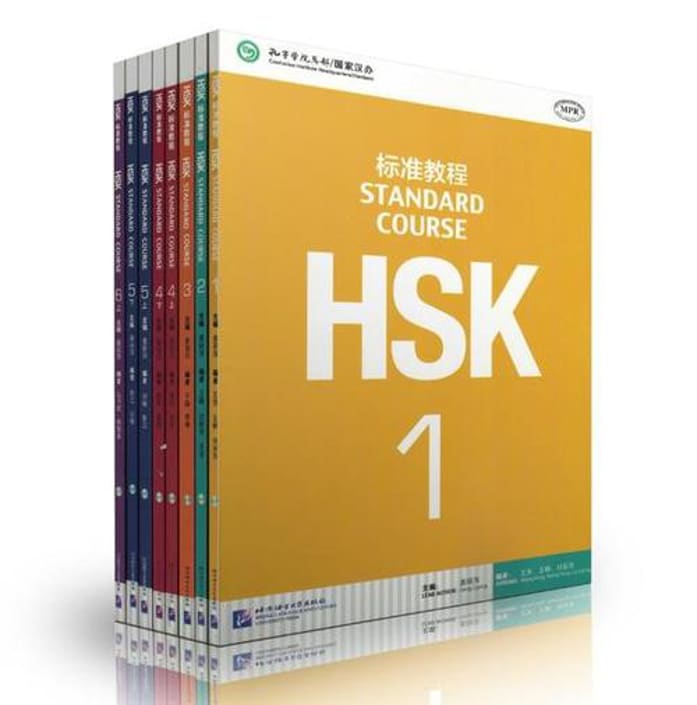
Top Recommended Textbooks for Learning Chinese
Choosing the best textbook depends on your learning style and goals. Here are some highly regarded options:
- Integrated Chinese - A comprehensive series for beginners to advanced learners, widely used in universities.
- New Practical Chinese Reader - Focuses on practical communication with clear grammar explanations.
- HSK Standard Course - Aligns with the HSK exam, ideal for test preparation.
- Colloquial Chinese - Great for self-study with an emphasis on spoken language.
- Chinese Made Easy - A visually engaging option for younger learners or beginners.
Key Features to Look for in a Chinese Textbook
A good Chinese textbook should include:
- Structured lessons - Progressive difficulty to build skills systematically.
- Audio resources - Essential for mastering pronunciation and listening.
- Cultural notes - Helps understand context and real-life usage.
- Exercises and drills - Reinforces learning through practice.
- Pinyin and characters - Balanced focus on both reading and speaking.
Best Textbooks for Beginners in Chinese
For those starting from scratch, these textbooks are ideal:
- Beginner's Chinese by Yong Ho - Simple explanations and practical vocabulary.
- Basic Chinese: A Grammar and Workbook - Strong foundation in grammar rules.
- Chinese for Dummies - User-friendly with a casual approach.
- Easy Peasy Chinese - Visual aids and bite-sized lessons.
- First Step in Chinese - Introduces basics with clear examples.
Advanced Chinese Textbooks for Fluency
For learners aiming for higher proficiency, consider:
- Advanced Chinese: Intention, Strategy, and Communication - Focuses on nuanced language use.
- A Primer for Advanced Beginners of Chinese - Bridges intermediate to advanced levels.
- Chinese Grammar Wiki BOOK - In-depth grammar for complex structures.
- Readings in Chinese Culture - Enhances comprehension through cultural texts.
- Business Chinese - Tailored for professional and formal contexts.
Textbooks for Learning Chinese Characters
Mastering characters requires dedicated resources like:
- Remembering Simplified Hanzi - Mnemonic techniques for character retention.
- The First 100 Chinese Characters - Focuses on the most essential characters.
- Chinese Character Writing Workbook - Practice sheets for stroke order.
- Learning Chinese Characters by Alison Matthews - Systematic character introduction.
- Tuttle Learning Chinese Characters - Combines etymology with memorization tips.
How many integrated Chinese books are there?

How Many Volumes Are in the Integrated Chinese Series?
The Integrated Chinese series consists of four main volumes, each designed for different proficiency levels. Below is a breakdown:
- Level 1 includes Part 1 and Part 2, covering beginner to intermediate Mandarin.
- Level 2 also has Part 1 and Part 2, targeting intermediate to advanced learners.
- Each volume comes with a workbook and character workbook for practice.
What Is the Structure of Integrated Chinese Books?
The series follows a structured curriculum with clear progression:
- Lessons focus on vocabulary, grammar, and cultural insights.
- Exercises include listening, speaking, reading, and writing tasks.
- Supplementary materials like audio CDs and online resources enhance learning.
Are There Additional Resources for Integrated Chinese?
Yes, the series offers extra materials to support learners:
- Teacher’s handbooks provide lesson plans and answer keys.
- Online platforms offer interactive exercises and audio files.
- Workbooks reinforce lessons with additional practice.
Who Publishes the Integrated Chinese Series?
The series is published by Cheng & Tsui, a leading publisher for Chinese language education:
- Known for high-quality textbooks and learning tools.
- Regularly updates content to reflect modern language usage.
- Trusted by educators and institutions worldwide.
What Proficiency Levels Does Integrated Chinese Cover?
The series spans beginner to advanced levels:
- Level 1 (Parts 1 & 2) focuses on foundational skills.
- Level 2 (Parts 1 & 2) builds fluency and complexity.
- Prepares learners for HSK exams and real-world communication.
What is the best Mandarin textbook for self study reddit?

Top Recommended Mandarin Textbooks for Self-Study
When it comes to self-studying Mandarin, several textbooks stand out based on Reddit recommendations. Here are the most frequently suggested options:
- Integrated Chinese - Popular for its structured approach, clear explanations, and practical dialogues.
- New Practical Chinese Reader - Focuses on real-life scenarios and includes audio resources for pronunciation practice.
- HSK Standard Course - Aligns with the HSK exam levels, making it ideal for goal-oriented learners.
Key Features to Look for in a Mandarin Textbook
Choosing the right textbook depends on specific features that enhance self-study efficiency. Consider the following:
- Audio companions - Essential for mastering tones and pronunciation.
- Grammar explanations - Clear, concise rules with examples.
- Exercises and answer keys - Self-assessment tools to track progress.
Pros and Cons of Popular Mandarin Textbooks
Each textbook has strengths and weaknesses for self-learners. Here’s a breakdown:
- Integrated Chinese - Pros: Comprehensive; Cons: Can be overwhelming for beginners.
- New Practical Chinese Reader - Pros: Engaging stories; Cons: Less grammar-focused.
- HSK Standard Course - Pros: Exam-aligned; Cons: Limited conversational practice.
Supplemental Resources for Self-Study Success
To maximize learning, pair your textbook with these supplemental tools:
- Anki or Pleco - For vocabulary retention and flashcards.
- ChinesePod or HelloChinese - Interactive audio and app-based practice.
- Language exchange partners - Platforms like Tandem or iTalki for real conversation.
Reddit Community Favorites for Beginners
Reddit users often highlight these beginner-friendly textbooks:
- Colloquial Chinese - Simple, dialogue-heavy approach.
- Chinese Made Easy - Visual aids and gradual difficulty progression.
- Basic Chinese: A Grammar and Workbook - Strong focus on grammar fundamentals.
Frequently Asked Questions (FAQ)
Is it necessary to throw away my Chinese textbook to learn effectively?
While some learners argue that traditional textbooks can feel outdated, they still offer a structured approach to learning Chinese. Textbooks provide essential grammar rules, vocabulary lists, and practice exercises that are invaluable for beginners. Instead of discarding them, consider supplementing your studies with digital tools like apps or online courses for a more dynamic experience.
What are the alternatives to using a Chinese textbook?
Modern learners have access to numerous interactive resources, such as language apps (Duolingo, HelloChinese), online platforms (YouTube tutorials, iTalki), and immersion techniques (watching dramas, listening to podcasts). These methods can make learning more engaging, but they often lack the systematic progression textbooks offer. A balanced combination of both approaches tends to yield the best results.
Can I become fluent in Chinese without a textbook?
Fluency is achievable without a textbook, but it requires consistent exposure and active practice. Immersion environments, language exchanges, and real-life conversations can accelerate proficiency. However, textbooks help fill knowledge gaps in grammar and formal writing. If you abandon them, ensure you replace their role with other structured learning materials.
How do I know if my Chinese textbook is still useful?
Evaluate your textbook based on its relevance to your goals. If it covers essential topics (tones, characters, sentence patterns) and aligns with your learning style, it’s worth keeping. However, if the content feels overly rigid or lacks practical examples, you might prioritize newer resources. Remember, even outdated textbooks can serve as reference guides for foundational concepts.
Leave a Reply
Related Posts