
What is Qingming Festival or Tomb Sweeping Day?

The Qingming Festival, also known as Tomb Sweeping Day, is a traditional Chinese holiday dedicated to honoring ancestors and paying respects to the departed. Observed annually on April 4th or 5th, it marks a time for families to visit gravesites, clean tombstones, and offer food, flowers, and incense as tokens of remembrance. Rooted in ancient customs, Qingming also celebrates the arrival of spring, with many people enjoying outdoor activities like flying kites or picnicking. Combining solemn rituals with seasonal joy, the festival reflects China’s deep cultural reverence for family ties and the cyclical nature of life. This article explores its history, traditions, and modern significance.
What is Qingming Festival or Tomb Sweeping Day?
Detailed Explanation:
The Qingming Festival, also known as Tomb Sweeping Day, is a traditional Chinese festival that dates back over 2,500 years. It is observed on the 15th day after the Spring Equinox (usually April 4th or 5th). This day is dedicated to honoring ancestors by cleaning their graves, making offerings, and paying respects. Beyond tomb sweeping, the festival also marks the arrival of spring, encouraging outdoor activities like picnics and kite flying. It blends remembrance, family bonding, and nature appreciation in Chinese culture.
1. Historical Origins of Qingming Festival
The festival traces its roots to the Zhou Dynasty (1046–256 BCE) and was formalized during the Tang Dynasty (618–907 CE). It evolved from the Cold Food Festival, a day forbidding fire to honor Jie Zitui, a loyal nobleman. Over time, it merged with spring rituals, becoming the modern Qingming Festival.
See AlsoA student’s guide to comprehension-based learning| Period | Key Development |
|---|---|
| Zhou Dynasty | Early ancestor worship rituals |
| Tang Dynasty | Official recognition as Qingming Festival |
2. Traditional Tomb Sweeping Rituals
Families visit graves to clean tombstones, remove weeds, and offer paper money, food, or flowers. Burning joss paper symbolizes sending wealth to ancestors in the afterlife. These acts reflect filial piety and cultural continuity.
| Ritual | Purpose |
|---|---|
| Tomb Cleaning | Show respect and maintenance |
| Offerings | Provide for ancestors' needs |
3. Qingming Festival Foods
Special foods like qingtuan (green rice balls) and cold dishes are prepared. Qingtuan, made with glutinous rice and mugwort, symbolizes renewal. Eating cold meals nods to the Cold Food Festival origins.
| Food | Significance |
|---|---|
| Qingtuan | Spring and rebirth |
| Cold Dishes | Historical tradition |
4. Modern Celebrations and Activities
Today, Qingming combines ancestral rites with spring outings. People fly kites (often with lanterns), plant trees, or enjoy nature. The government designates it as a public holiday to preserve traditions.
See AlsoPreparing for rainy days and dealing with slumps| Activity | Cultural Meaning |
|---|---|
| Kite Flying | Warding off bad luck |
| Picnics | Celebrating spring |
5. Environmental and Safety Concerns
Burning joss paper has raised air pollution issues, prompting eco-friendly alternatives like digital offerings. Authorities also enforce fire prevention measures in dry areas.
| Issue | Solution |
|---|---|
| Pollution | Flower offerings instead of burning |
| Fire Hazards | Designated burning zones |
What is Tomb Sweeping Day or Qingming Festival?
:max_bytes(150000):strip_icc()/china-marks-tomb-sweeping-day-111506874-5c7987c146e0fb00018bd7e4.jpg)
What is the Origin of Tomb Sweeping Day (Qingming Festival)?
The Qingming Festival, also known as Tomb Sweeping Day, dates back over 2,500 years to the Zhou Dynasty in China. It originated as a day to honor ancestors and pay respects to the deceased. The festival combines elements of Confucianism and traditional Chinese beliefs about filial piety and ancestral worship.
See AlsoEasy Chinese News Articles for Beginners- Historical roots: Linked to the Cold Food Festival, a memorial for the loyal official Jie Zitui.
- Imperial influence: Emperor Xuanzong of Tang formalized it as a national holiday in the 8th century.
- Cultural significance: Merged with springtime rituals celebrating renewal and nature.
How is Tomb Sweeping Day Celebrated?
During Qingming Festival, families visit ancestral gravesites to clean tombstones, offer food, and burn joss paper (spirit money). Modern celebrations also include outdoor activities like flying kites or planting willow branches.
- Tomb cleaning: Removing weeds and debris from graves as a sign of respect.
- Offerings: Placing flowers, incense, or favorite foods of the deceased.
- Family gatherings: Shared meals and storytelling about ancestors.
What Are the Traditional Foods Eaten During Qingming Festival?
Special dishes are prepared for Qingming Festival, often with symbolic meanings tied to renewal and remembrance.
- Qingtuan: Green glutinous rice dumplings flavored with mugwort.
- Cold food: Noodles or snacks eaten in remembrance of the Cold Food Festival.
- Spring pancakes: Representing the arrival of spring and new beginnings.
What Are the Symbolic Customs of Qingming Festival?
The festival incorporates rituals emphasizing ancestral connection and harmony with nature.
See AlsoDon’t be a tourist if you want to learn Chinese- Willow branches: Hung on doors to ward off evil spirits.
- Kite flying: Symbolizing letting go of misfortune.
- Fire prohibition: A nod to the Cold Food Festival’s historical ban on cooking fires.
How Has Tomb Sweeping Day Evolved in Modern Times?
While retaining traditional practices, Qingming Festival has adapted to contemporary life with eco-friendly alternatives and digital memorials.
- Online tributes: Virtual tomb-sweeping platforms for those unable to travel.
- Environmentalism: Replacing joss paper burns with flowers or digital offerings.
- Public holidays: Recognized as a national day off in China, Taiwan, and Hong Kong.
What is the purpose of the Qingming Festival?
Honoring Ancestors and Paying Respects
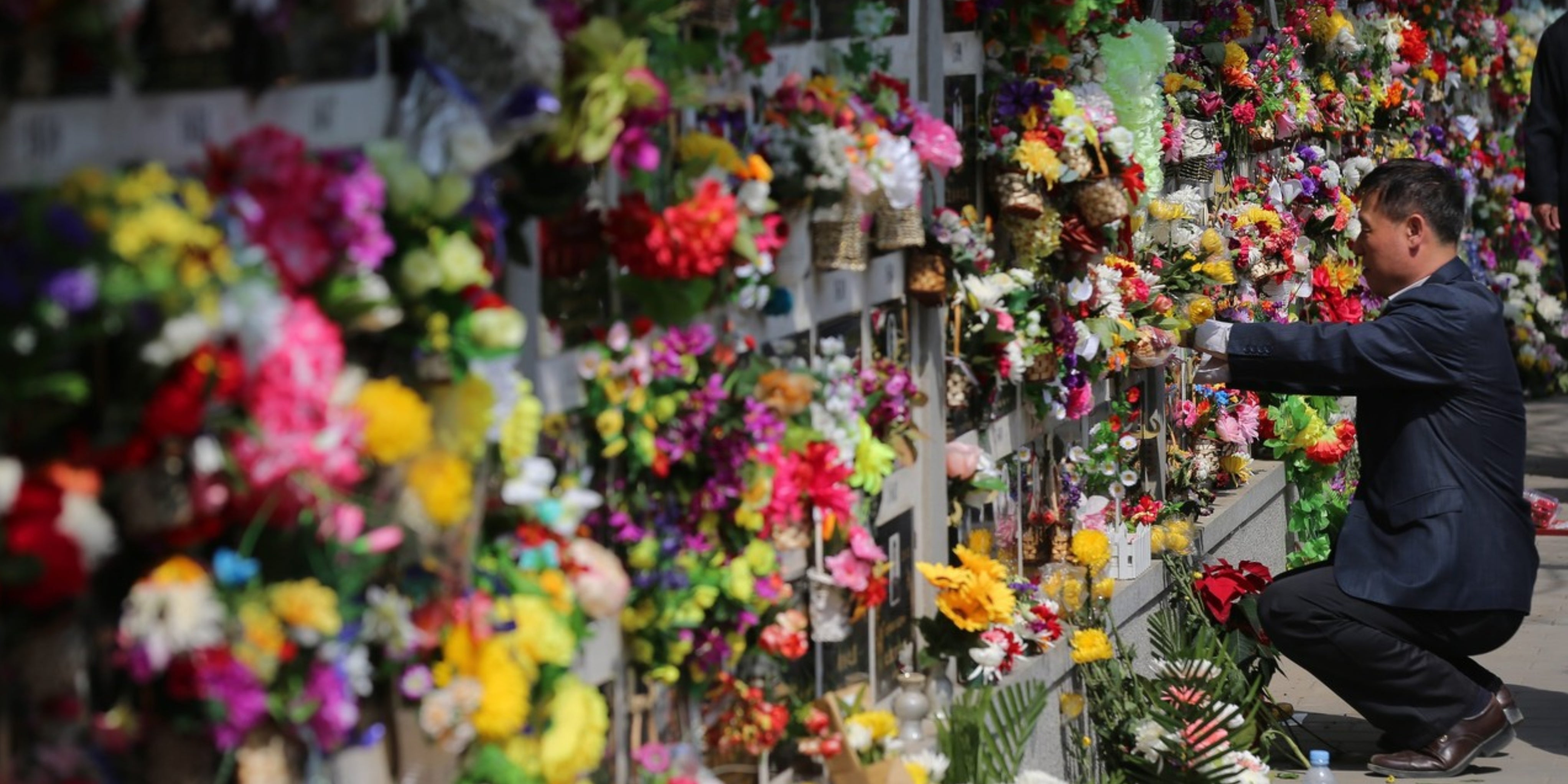
The primary purpose of the Qingming Festival, also known as Tomb-Sweeping Day, is to honor and remember deceased ancestors. Families visit gravesites to clean tombstones, offer food, burn incense, and perform rituals as a sign of respect. Key activities include:
- Cleaning gravesites by removing weeds and debris.
- Offering symbolic items like paper money, flowers, or favorite foods of the deceased.
- Praying and bowing to show reverence and maintain familial bonds.
Celebrating Spring and Renewal
The Qingming Festival coincides with the arrival of spring, symbolizing renewal and vitality. Many people take this opportunity to enjoy outdoor activities and appreciate nature. Common practices include:
- Flying kites to symbolize letting go of misfortune.
- Outing picnics to enjoy seasonal foods like qingtuan (green rice balls).
- Planting willow branches as a sign of growth and prosperity.
Cultural and Historical Significance
The festival has deep roots in Chinese history, dating back over 2,500 years. It originated from the Cold Food Festival and was later merged with Qingming traditions. Important historical aspects include:
- Connection to the Zhou Dynasty, where ancestor worship was formalized.
- Legends like Jie Zitui, whose story inspired the festival's customs.
- Imperial recognition, as emperors performed rituals to honor their lineage.
Strengthening Family Bonds
The Qingming Festival serves as a time for families to reunite and reinforce their connections. It emphasizes filial piety and collective memory. Key family-oriented practices include:
- Multi-generational gatherings at ancestral graves.
- Sharing stories about ancestors to educate younger members.
- Preparing ceremonial meals together as a family unit.
Reflecting on Life and Mortality
Beyond rituals, the festival encourages contemplation of life’s impermanence and the importance of living meaningfully. Philosophical themes include:
- Memento mori—remembering mortality to appreciate the present.
- Balancing joy and solemnity through spring festivities and grave visits.
- Expressing gratitude for the sacrifices of past generations.
What is the meaning of Tomb Sweeping Day?
What is the Historical Significance of Tomb Sweeping Day?
Tomb Sweeping Day, also known as Qingming Festival, is a traditional Chinese festival with deep historical roots. It dates back over 2,500 years to the Zhou Dynasty and was formalized during the Tang Dynasty. The day is dedicated to honoring ancestors and paying respects to the deceased. Key aspects include:
- Ancestral worship: Families visit gravesites to clean tombstones and offer sacrifices.
- Cultural continuity: The festival reinforces familial bonds and cultural traditions.
- Historical rituals: Ancient customs like burning incense and paper money symbolize respect for the afterlife.
How is Tomb Sweeping Day Celebrated?
Celebrations of Tomb Sweeping Day involve a mix of solemn rituals and outdoor activities. Families gather to perform ceremonies at ancestral graves, but the day also marks the arrival of spring. Common practices include:
- Tomb cleaning: Removing weeds and debris from gravesites as a sign of respect.
- Offerings: Placing food, flowers, and symbolic items like paper money on graves.
- Spring outings: Many people fly kites or enjoy nature, blending remembrance with renewal.
What Are the Symbolic Rituals of Tomb Sweeping Day?
The rituals of Tomb Sweeping Day carry profound symbolic meanings. These practices reflect beliefs about the afterlife and familial duty. Key rituals include:
- Burning paper offerings: Represents sending material goods to ancestors in the afterlife.
- Bowling ceremonies: Family members bow before graves to show reverence.
- Planting willow branches: Symbolizes vitality and wards off evil spirits.
How Does Tomb Sweeping Day Connect to Nature?
Tomb Sweeping Day coincides with the spring equinox, making it a time to celebrate nature’s renewal. The festival blends ancestral reverence with seasonal activities. Highlights include:
- Spring ploughing: Farmers begin preparing fields, tying the festival to agricultural cycles.
- Outdoor picnics: Families enjoy meals in nature, often with seasonal foods like green dumplings.
- Kite flying: Symbolizes letting go of misfortune and embracing new beginnings.
What Are the Modern Adaptations of Tomb Sweeping Day?
While rooted in tradition, Tomb Sweeping Day has evolved in modern times. Urbanization and technology have introduced new practices. Notable changes include:
- Online memorials: Virtual tomb-sweeping platforms allow remote participation.
- Eco-friendly offerings: Some replace paper burnings with flowers or digital tributes.
- Public holidays: The day is a national holiday in China, encouraging widespread observance.
What do people do during Tomb Sweeping Day?
Cleaning and Maintaining Ancestral Graves
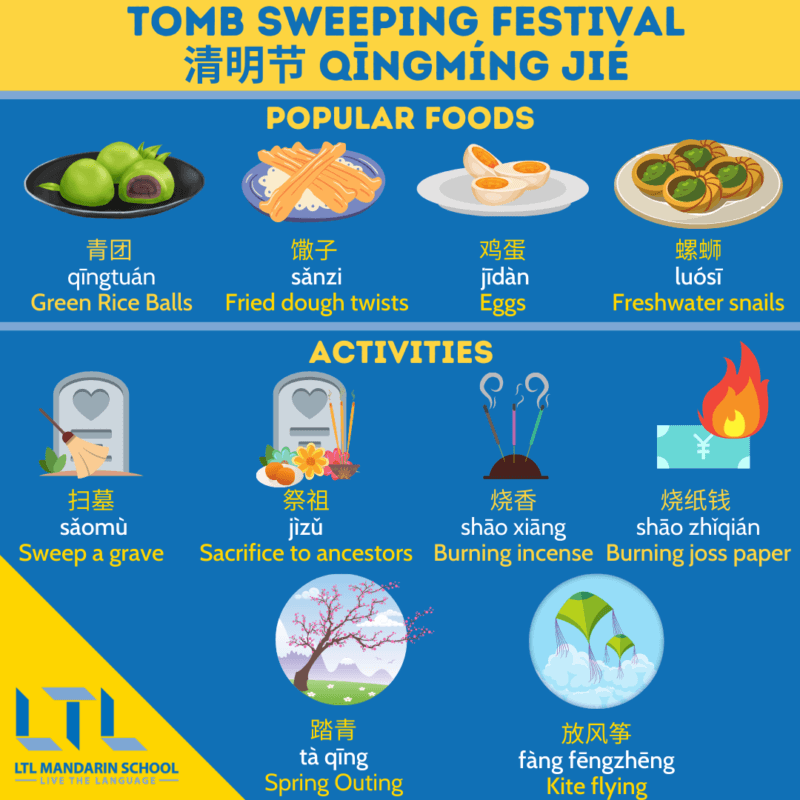
During Tomb Sweeping Day, families visit the graves of their ancestors to clean and maintain them. This involves:
- Removing weeds and debris from the burial site.
- Repainting inscriptions on tombstones to keep them legible.
- Repairing any damage to the grave structure.
Offering Food and Ritual Items
Families present offerings to honor their deceased relatives. Common practices include:
- Placing food such as fruits, rice, or the deceased's favorite dishes.
- Burning incense and paper money as a symbolic gesture.
- Lighting candles to guide the spirits of ancestors.
Holding Memorial Ceremonies
Many families conduct ceremonies at gravesites to pay respects. These often involve:
- Bowing or kneeling in front of the tomb as a sign of reverence.
- Reciting prayers or sharing memories of the deceased.
- Observing moments of silence to reflect on their legacy.
Burning Joss Paper and Other Symbolic Items
A key ritual is burning symbolic items to provide for ancestors in the afterlife. This includes:
- Joss paper, representing money for the deceased.
- Paper replicas of houses, cars, or clothes.
- Spiritual offerings believed to bring comfort in the afterlife.
After tomb-sweeping rituals, families often come together to strengthen bonds. Activities include:
- Sharing a meal featuring traditional dishes.
- Discussing family history and stories of ancestors.
- Planning future visits to maintain the tradition.
Frequently Asked Questions (FAQ)
What is the Qingming Festival or Tomb Sweeping Day?
The Qingming Festival, also known as Tomb Sweeping Day, is a traditional Chinese holiday dedicated to honoring ancestors and paying respects to the deceased. It falls on the 15th day after the Spring Equinox, usually around April 4th or 5th. During this time, families visit the graves of their loved ones to clean the tombstones, offer food, burn incense, and sometimes even paper money as a symbolic gesture. The festival combines remembrance with the celebration of spring, often involving outdoor activities like flying kites or enjoying nature.
Why is Qingming Festival called Tomb Sweeping Day?
The name Tomb Sweeping Day comes from the primary custom of the festival: cleaning and maintaining ancestral graves. Families remove weeds, wipe down tombstones, and make repairs to show respect for their ancestors. This practice reflects the deep-rooted Chinese cultural value of filial piety, emphasizing the importance of remembering and honoring one's lineage. While Qingming refers to the clear and bright spring weather, Tomb Sweeping Day highlights the practical aspect of the observance.
What are the traditional customs of Qingming Festival?
Traditional customs of the Qingming Festival include tomb sweeping, offering sacrifices like food, tea, or wine, and burning joss paper (symbolic money for the afterlife). Many families also plant willow branches or fly kites, which are believed to ward off evil spirits. Additionally, the festival marks the arrival of spring, so people often enjoy outdoor picnics or strolls in nature. These customs blend ancestral veneration with seasonal celebrations, creating a balance between solemnity and joy.
Is Qingming Festival a public holiday in China?
Yes, the Qingming Festival is an official public holiday in China, typically lasting one day (though some people take additional time off). Government offices, schools, and many businesses close to allow families to observe the traditions. The holiday’s recognition underscores its cultural significance, bridging ancient customs with modern life. While tomb sweeping remains central, many also use the break for short trips or leisure activities, making it a blend of remembrance and recreation.
Leave a Reply
Related Posts