
7 mistakes I made when writing Chinese characters and what I learnt from them

Learning to write Chinese characters can be both fascinating and challenging, especially for beginners. Like many learners, I made plenty of mistakes along the way—some small, others more frustrating. From incorrect stroke order to mixing up similar-looking characters, each error taught me valuable lessons about the intricacies of Chinese writing. In this article, I’ll share seven common mistakes I encountered while learning to write characters and the insights I gained from them. Whether you’re just starting or refining your skills, understanding these pitfalls can help you improve your handwriting and deepen your appreciation for this beautiful writing system.
7 Mistakes I Made When Writing Chinese Characters and What I Learned From Them
1. Ignoring Stroke Order
One of my biggest mistakes was neglecting the correct stroke order when writing Chinese characters. I thought memorizing the shape was enough, but improper stroke order made my handwriting messy and unnatural. Over time, I realized that stroke order rules exist for efficiency and balance. Following them improved my writing speed and accuracy.
| Mistake | Lesson Learned |
|---|---|
| Random stroke sequence | Follow standard stroke order for consistency |
2. Confusing Similar-Looking Characters
I often mixed up characters like 未 (wèi) and 末 (mò) due to their similar structure. This led to misunderstandings in writing. I learned to focus on minor details, such as stroke length and position, to differentiate them.
See AlsoHow To Get Duolingo Music On Android: Installation Guide & Setup| Mistake | Lesson Learned |
|---|---|
| Not noticing subtle differences | Compare and contrast similar characters |
3. Overlooking Radicals and Components
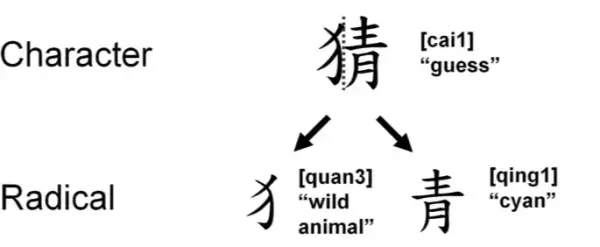
I underestimated the importance of radicals in understanding character meanings. Once I started breaking characters into components, memorization became easier, and I could guess meanings more accurately.
| Mistake | Lesson Learned |
|---|---|
| Ignoring radicals | Use radicals to decode characters |
4. Writing Too Quickly Without Practice
Rushing through writing practice resulted in sloppy characters. Slowing down and repetitive drills helped me develop muscle memory and cleaner handwriting.
| Mistake | Lesson Learned |
|---|---|
| Prioritizing speed over accuracy | Practice slowly for better results |
5. Not Using Grid Paper
Writing on blank paper made my characters uneven in size and spacing. Switching to grid paper helped me maintain proportion and alignment.
See Also7 ways of learning to write Chinese characters| Mistake | Lesson Learned |
|---|---|
| Freehand writing | Grid paper ensures balanced characters |
What was a major disadvantage of the Chinese writing system?

Complexity and Difficulty in Learning
A major disadvantage of the Chinese writing system is its complexity, which makes it challenging to learn and master. Unlike alphabetic systems, Chinese relies on thousands of characters, each representing a word or morpheme. This requires extensive memorization and practice.
- Thousands of characters: Learners must memorize around 3,000–5,000 characters for basic literacy.
- No phonetic clues: Many characters lack clear pronunciation hints, unlike alphabetic scripts.
- Stroke order rules: Writing characters correctly demands adherence to specific stroke sequences.
Time-Consuming Writing Process
The Chinese writing system is time-consuming due to the intricate nature of its characters. Each character consists of multiple strokes, slowing down both writing and reading speeds.
See AlsoIs Duolingo Good For Russian: Real Worth & Results Revealed (2025)- Handwriting inefficiency: Writing characters by hand is significantly slower than typing or writing in alphabetic systems.
- Typing challenges: Input methods require phonetic or shape-based input, adding extra steps.
- Reading speed: Dense character-based text can slow down comprehension compared to linear scripts.
Limited Adaptability to Technology
The Chinese writing system faces difficulties in technological adaptation, especially in digital environments where space and input methods are constraints.
- Keyboard limitations: Special input methods are needed, increasing complexity.
- Font rendering issues: Some characters may appear unclear or pixelated on screens.
- Storage requirements: Chinese text often requires more memory than alphabetic scripts.
Barrier to Foreign Language Learners
The system poses a significant barrier for non-native learners, discouraging many from achieving fluency due to its steep learning curve.
- High initial effort: Beginners must invest years to reach functional literacy.
- Cultural dependency: Understanding characters often requires knowledge of Chinese culture and history.
- Limited transferability: Skills in Chinese characters do not easily apply to other languages.
Regional Variations and Simplifications
The existence of simplified and traditional characters creates inconsistencies, complicating communication across regions like Mainland China, Taiwan, and Hong Kong.
See AlsoThe importance of counting what counts when learning Chinese- Dual systems: Learners must choose between simplified (Mainland) or traditional (Taiwan/Hong Kong) characters.
- Mutual unintelligibility: Some simplified forms differ drastically from traditional ones, causing confusion.
- Standardization challenges: Efforts to unify writing systems face political and cultural resistance.
Why is the Chinese system of writing so difficult to learn?
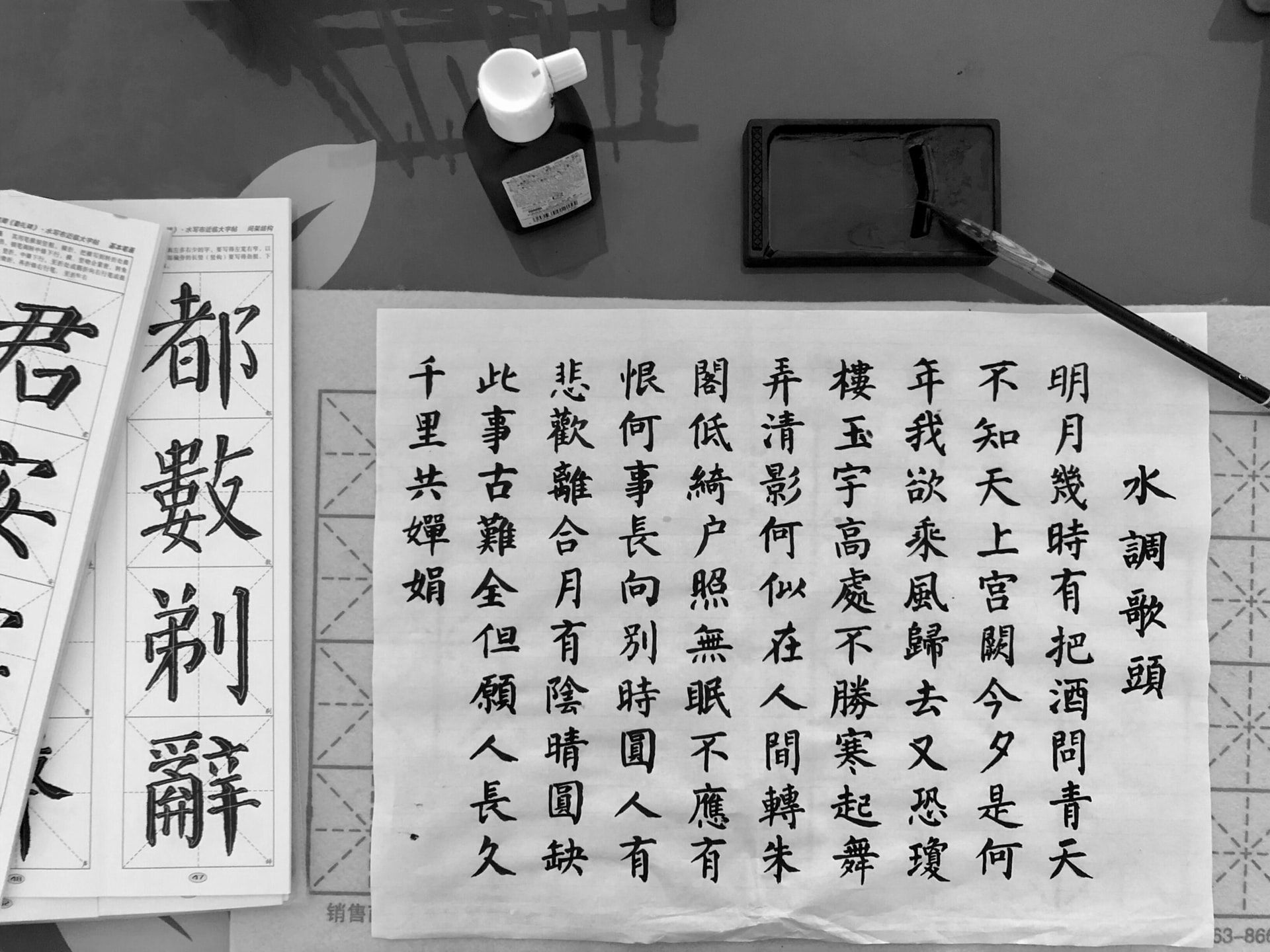
The Complexity of Chinese Characters
The Chinese writing system is based on logograms, which represent words or morphemes rather than sounds. Unlike alphabetic systems, each character must be memorized individually, as there is no phonetic consistency. This makes learning Chinese characters a time-consuming process.
- Thousands of characters: To be literate, one must know at least 3,000-5,000 characters.
- No phonetic clues: Many characters do not indicate pronunciation, unlike letters in alphabets.
- Stroke order: Writing requires precise stroke sequences, adding another layer of difficulty.
Multiple Pronunciations for the Same Character
Many Chinese characters have multiple pronunciations depending on context, dialect, or meaning. This adds confusion for learners who must memorize not just the character but also its various readings.
- Context-dependent sounds: A single character may sound different in different words.
- Regional variations: Pronunciations differ between Mandarin, Cantonese, and other dialects.
- Tonal changes: Mandarin's four tones further complicate pronunciation.
Homophones and Near-Homophones
Chinese has many words that sound identical or very similar but are written with different characters and have different meanings. This requires learners to associate sounds with specific characters accurately.
- High number of homophones: Mandarin has limited syllables, leading to many shared sounds.
- Meaning differentiation: Characters distinguish meanings where sounds cannot.
- Confusion in listening: Mishearing a tone or syllable can lead to misunderstanding.
Lack of Alphabetical Structure
Unlike languages with alphabets, Chinese does not have a system where letters combine to form sounds. Each character is a standalone unit, making it harder to decode new words.
- No spelling rules: Characters must be memorized as whole units.
- Limited radicals: While radicals hint at meaning, they don’t always help with pronunciation.
- No phonetic building blocks: Learners cannot sound out unfamiliar characters.
Cultural and Historical Influences
The Chinese writing system has evolved over millennia, incorporating historical forms and cultural nuances that are not immediately obvious to learners.
- Ancient origins: Some characters retain archaic forms no longer intuitive.
- Idiomatic expressions: Many phrases derive from classical literature or history.
- Calligraphic styles: Different fonts and handwriting can obscure character recognition.
How many times should I write a Chinese character to remember it?
How Many Repetitions Are Needed to Memorize a Chinese Character?
The number of times you need to write a Chinese character to remember it varies based on factors like complexity, prior exposure, and learning methods. However, research suggests:
- 5–10 repetitions for simple characters (e.g., 人, 口).
- 15–30 repetitions for moderately complex characters (e.g., 爱, 谢).
- 30+ repetitions for highly intricate characters (e.g., 鼻, 龟).
Does Writing Speed Affect Character Retention?
Writing speed plays a role in memorization. Slower, deliberate practice often yields better results:
- Slow writing reinforces stroke order and structure.
- Rushed practice may lead to incomplete memory encoding.
- Balanced pacing (e.g., 2–3 seconds per stroke) optimizes retention.
How Does Spaced Repetition Help Memorize Characters?
Spaced repetition leverages timing to enhance long-term memory:
- Review intervals (e.g., 1 day, 1 week) solidify recall.
- Apps like Anki automate scheduling for efficiency.
- Reduces over-practice by targeting weaker characters.
Are There Alternatives to Writing for Memorization?
Writing isn’t the only method to learn characters effectively:
- Flashcards for visual recognition drills.
- Mnemonics to associate characters with stories.
- Typing practice (Pinyin input) reinforces pronunciation and form.
How to Optimize Practice Sessions for Character Learning?
Structured practice maximizes efficiency:
- Short sessions (15–20 minutes) prevent burnout.
- Mix old/new characters to reinforce memory.
- Contextual usage (e.g., writing sentences) improves retention.
Frequently Asked Questions (FAQ)
What are the most common mistakes when writing Chinese characters?
When learning to write Chinese characters, beginners often make mistakes such as incorrect stroke order, misplaced radicals, or ignoring proportions. These errors can lead to characters that look unbalanced or are difficult to recognize. Another frequent issue is confusing similar-looking characters, which changes the meaning entirely. Understanding these common pitfalls early can help learners develop better writing habits from the start.
How does stroke order affect Chinese character writing?
Stroke order is crucial in Chinese calligraphy because it ensures consistency, readability, and efficiency. Writing strokes in the wrong order can make characters look unnatural or even unrecognizable. Additionally, proper stroke order helps with muscle memory, making writing smoother over time. Many learners underestimate its importance, but mastering it early can prevent bad habits and improve overall handwriting quality.
Why is radical placement important in Chinese characters?
Radicals are the building blocks of Chinese characters, and their placement often indicates meaning or pronunciation. Misplacing a radical can alter the character’s meaning or make it incorrect altogether. For example, shifting a radical slightly can turn one character into another with a completely different definition. Paying attention to radical positioning helps learners write characters accurately and understand their structure more deeply.
What lessons can be learned from mistakes in writing Chinese characters?
Mistakes in writing Chinese characters teach valuable lessons, such as the importance of patience and attention to detail. Errors like incorrect stroke order or misaligned components highlight the need for consistent practice. Over time, learners realize that repetition and self-correction are key to improvement. Reflecting on these mistakes helps develop a stronger foundation and a deeper appreciation for the complexity of the written language.
Leave a Reply
Related Posts