
Loanwords in Chinese

Chinese, a language with a rich history spanning thousands of years, has absorbed numerous loanwords from other cultures throughout its evolution. These borrowed terms reflect China's interactions with foreign societies, trade, and technological advancements. From ancient Sanskrit influences brought by Buddhism to modern English terms adopted through globalization, loanwords have significantly shaped Mandarin's vocabulary. Whether transliterated, adapted, or hybridized, these words offer insights into cultural exchange and linguistic flexibility. This article explores the origins, adaptations, and impacts of loanwords in Chinese, highlighting how they bridge languages and eras while enriching communication in an ever-connected world.
The Influence and Adaptation of Loanwords in Chinese
1. What Are Loanwords in Chinese?
Loanwords in Chinese, known as 外来词 (wàiláicí), are terms borrowed from other languages and adapted into Chinese. These words often retain their original meaning but are modified to fit Chinese phonetics or characters. Examples include 咖啡 (kāfēi) from coffee and 沙发 (shāfā) from sofa.
| Loanword | Original Word | Meaning |
|---|---|---|
| 咖啡 (kāfēi) | Coffee | A brewed drink |
| 沙发 (shāfā) | Sofa | Upholstered seating |
2. How Are Loanwords Integrated into Chinese?
Loanwords are integrated through phonetic translation (matching sounds), semantic translation (matching meanings), or a mix of both. For example, 巧克力 (qiǎokèlì) comes from chocolate (phonetic), while 电脑 (diànnǎo) translates to electric brain for computer (semantic).
See AlsoFive of the Most Beautiful Chinese Songs to Learn Mandarin| Method | Example | Process |
|---|---|---|
| Phonetic | 巧克力 (qiǎokèlì) | Sound-based |
| Semantic | 电脑 (diànnǎo) | Meaning-based |
3. Common Sources of Chinese Loanwords
Most loanwords originate from English, Japanese, and Sanskrit due to historical trade, technology exchange, and Buddhism. For instance, 卡通 (kǎtōng) comes from cartoon (English), while 哲学 (zhéxué) means philosophy (from Japanese 哲学 tetsugaku).
| Source Language | Example | Chinese Term |
|---|---|---|
| English | Cartoon | 卡通 (kǎtōng) |
| Japanese | 哲学 (tetsugaku) | 哲学 (zhéxué) |
4. Challenges in Translating Loanwords
Some loanwords face ambiguity due to multiple translations or cultural mismatches. For example, 黑客 (hēikè) means hacker, but the term can carry negative connotations unlike its neutral English counterpart.
| Challenge | Example | Issue |
|---|---|---|
| Connotation | 黑客 (hēikè) | Negative tone |
| Multiple Terms | Pizza: 披萨 (pīsà) vs. 比萨 (bǐsà) | Spelling variants |
5. Modern Loanwords in Chinese Pop Culture
Recent loanwords reflect globalization, especially in tech and social media. Terms like 抖音 (Dǒuyīn) for TikTok or 粉丝 (fěnsī) for fans (from fans in English) are widely used.
See AlsoSimple Chinese Food: Braised Pork With Dry Bean Curd| Category | Loanword | Origin |
|---|---|---|
| Social Media | 粉丝 (fěnsī) | English fans |
| Tech | Wi-Fi: 无线 (wúxiàn) | Abbreviation adaptation |
How do Chinese use loanwords?

How Are Loanwords Adopted into Chinese?
Chinese adopts loanwords primarily through phonetic borrowing, where foreign words are adapted to fit Mandarin pronunciation. This often involves selecting Chinese characters that sound similar to the original word but may not carry the same meaning. For example:
- Coffee becomes kāfēi (咖啡), using characters that mimic the sound.
- Pizza is rendered as pīsà (披萨), preserving the original pronunciation.
- Brand names like McDonald's are translated as Màidāngláo (麦当劳).
What Are the Most Common Sources of Loanwords in Chinese?
Chinese loanwords predominantly come from English, Japanese, and European languages, reflecting historical and cultural exchanges. Key examples include:
See AlsoHow To Get Duolingo Math On Windows: Step-by-Step Guide- English: shāfā (沙发) for sofa and hànbǎo (汉堡) for hamburger.
- Japanese: Terms like rénzhì (人治) from jinsei (人生, meaning life).
- French: xiāngbīn (香槟) from champagne.
How Do Loanwords Reflect Cultural Influence in China?
Loanwords in Chinese often highlight globalization and modernization, especially in technology, food, and pop culture. Notable trends include:
- Technology: diànnǎo (电脑) for computer and shǒujī (手机) for mobile phone.
- Food: sūshì (寿司) from Japanese sushi and píjiǔ (啤酒) from German Bier.
- Fashion: Tīxù (T恤) for T-shirt.
Are Loanwords Always Phonetically Adapted in Chinese?
Not all loanwords rely on phonetic adaptation; some are semantically translated or hybridized. Examples include:
- Semantic translations: firewall becomes fánghuǒqiáng (防火墙), combining meaning and sound.
- Hybrid terms: nǎizhà (奶昔) for milkshake, blending phonetic and literal elements.
- Direct imports: Wi-Fi is often written as Wēi-Fēi (Wi-Fi) without character substitution.
How Do Loanwords Evolve in Chinese Over Time?
Loanwords in Chinese undergo simplification, localization, or even obsolescence as usage changes. Key patterns:
See AlsoChinese Proverbs Quiz Can You Guess What These Mean?- Shortening: fēisībùkě (粉丝不可) for Facebook becomes fēnsī (粉丝).
- Replacement: Older terms like dé lǜ fēng (德律风) for telephone fade in favor of diànhuà (电话).
- New coinages: yínliào (饮料) for beverage adapts to include modern imports like kělè (可乐) for cola.
Does English have any Chinese loan words?

Common Chinese Loanwords in English
English has borrowed several words from Chinese, particularly from Mandarin and Cantonese, due to cultural exchange, trade, and migration. Some notable examples include:
- Kowtow - Derived from the Chinese kòutóu (磕头), meaning to kneel and touch the ground with the forehead as a sign of respect.
- Typhoon - Originates from the Cantonese tai fung (大風) or Mandarin táifēng (台风), referring to a tropical cyclone.
- Gung-ho - Comes from gōng hé (工合), short for gōngyè hézuòshè (工業合作社), meaning industrial cooperative.
Many Chinese culinary terms have been adopted into English, reflecting the global popularity of Chinese cuisine:
See AlsoHow To Cancel Duolingo Subscription: Easy Steps to Unsubscribe- Dim sum - From Cantonese dim sám (點心), meaning small bite-sized dishes.
- Tofu - Borrowed from the Japanese tōfu, which itself comes from the Chinese dòufu (豆腐).
- Chow mein - From Cantonese chāu mèihn (炒麵), meaning stir-fried noodles.
English has also integrated terms related to Chinese traditions and belief systems:
- Feng shui - From fēng shuǐ (風水), the practice of harmonizing with the environment.
- Yin and yang - Represents dualities in Chinese philosophy, from yīn yáng (陰陽).
- Qi - From qì (氣), meaning life force or energy.
Trade and Economic Terms
Historical trade between China and the West introduced several economic and commercial terms into English:
- Silk - From Old English sioloc, tracing back to Chinese sī (絲).
- Tea - Derived from the Min Chinese tê, which became tea in English.
- China - The country's name itself comes from the Qin dynasty (秦, Qín).
Modern Chinese Loanwords in English
Recent globalization has led to the adoption of modern Chinese terms:
- Guanxi - From guānxi (關係), referring to interpersonal connections or networks.
- Hukou - From hùkǒu (户口), China's household registration system.
- Tuhao - A slang term from tǔháo (土豪), meaning newly rich or ostentatious wealthy.
How many Chinese characters for 1000 words?
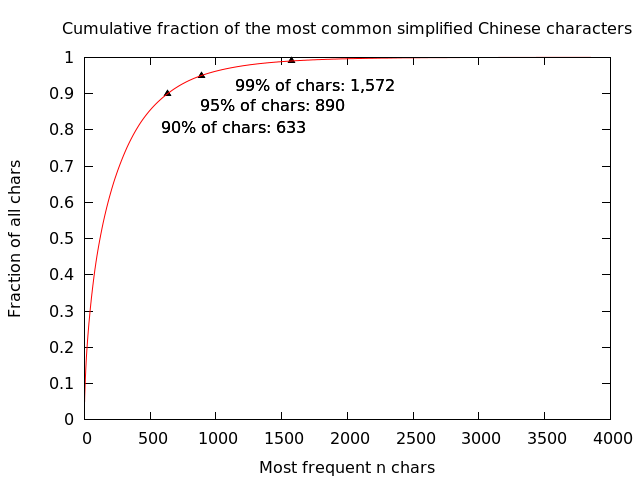
How Many Chinese Characters Are Typically in 1000 Words?
The number of Chinese characters in 1000 words depends on the complexity and context of the text. On average, one English word translates to roughly 1.5 to 2 Chinese characters. Therefore:
- For simple texts: ~1500 characters (1.5 per word).
- For technical or dense content: ~2000 characters (2 per word).
- Poetry or classical Chinese may vary significantly due to condensed phrasing.
Factors Affecting the Chinese Character Count for 1000 Words
Several variables influence the final character count:
- Word complexity: Longer English words often require more characters.
- Context: Formal documents may use more concise phrasing.
- Translation style: Literal vs. localized translations impact length.
Comparing Chinese Characters to English Word Count
Understanding the ratio helps estimate translation length:
- English relies on spaces; Chinese uses logograms without spacing.
- 1000 English words ≈ 6,000–7,000 letters; 1000 Chinese characters ≈ 2,000–4,000 strokes.
- Chinese often conveys meaning more efficiently per character.
Practical Examples of 1000 Words in Chinese
Real-world applications show variations:
- A blog post: ~1800 characters (1.8 per word).
- Legal documents: ~2200 characters (denser terminology).
- Social media: ~1600 characters (colloquial abbreviations).
Tools to Calculate Chinese Characters for 1000 Words
Use these methods for accurate estimates:
- Online converters: Input text for instant counts.
- Translation software: Check post-translation metrics.
- Manual sampling: Count characters in a 100-word segment and multiply.
Frequently Asked Questions (FAQ)
What are loanwords in Chinese?
Loanwords in Chinese are terms borrowed from other languages, primarily English, and adapted to fit Chinese phonetics and characters. These words often retain their original meaning but are pronounced using Mandarin or Cantonese sounds. Examples include kǎfēi (咖啡) from coffee and shāfā (沙发) from sofa. Loanwords are common in modern Chinese, especially in technology, food, and pop culture, reflecting globalization's influence on the language.
How are loanwords integrated into Chinese?
Loanwords are integrated into Chinese through phonetic translation, where the foreign word's pronunciation is approximated using Chinese characters. For example, hànbǎo (汉堡) comes from hamburger. Sometimes, semantic translation is used, combining meaning and sound, like diànnǎo (电脑) for computer (literally electric brain). Additionally, some loanwords are written in their original script, like Wi-Fi or CEO, especially in informal contexts.
Why does Chinese use loanwords instead of creating new terms?
Chinese adopts loanwords for efficiency and cultural relevance. Creating entirely new terms for foreign concepts can be time-consuming, whereas loanwords provide immediate understanding, especially for globally recognized items like pīsà (披萨) for pizza. Additionally, loanwords often carry modern or trendy connotations, making them appealing in marketing and media. However, some concepts are still translated semantically when a culturally appropriate term exists.
Are loanwords changing the Chinese language?
Loanwords contribute to the dynamic evolution of Chinese, particularly in urban and youth culture. While some purists argue they dilute linguistic purity, others see them as a natural result of cultural exchange. The influx of terms like fēnsī (粉丝) from fans or mótuō (摩托) from motor shows how Chinese adapts to global trends. However, the core grammar and structure of Chinese remain unchanged, ensuring the language's integrity.
Leave a Reply
Related Posts