
How to improve fluency in Chinese by playing word games

Improving fluency in Chinese can be both challenging and rewarding, especially when incorporating fun and interactive methods like word games. These games not only make learning enjoyable but also enhance vocabulary retention, pronunciation, and contextual understanding. Whether through crossword puzzles, character-matching apps, or traditional board games like Mahjong, players engage with the language in a dynamic way. Word games encourage quick thinking and reinforce grammar patterns, helping learners think in Chinese rather than translating from their native language. By integrating these playful exercises into daily practice, students can accelerate their progress while reducing the stress often associated with language acquisition. Discover how word games can transform your Chinese fluency journey.
How to Improve Fluency in Chinese by Playing Word Games
Playing word games is a fun and effective way to enhance your Chinese fluency. These games help reinforce vocabulary, improve pronunciation, and boost recall speed in a natural, engaging manner. By incorporating interactive challenges, learners can practice Mandarin in a low-pressure environment while developing a deeper understanding of characters, tones, and grammar structures. Below are five key strategies to maximize learning through word games.
1. Boost Vocabulary with Character Matching Games
Character matching games are excellent for expanding your Chinese vocabulary. These games involve pairing simplified or traditional characters with their Pinyin or English meanings. By repeatedly seeing and matching characters, you reinforce memory retention and recognize patterns more easily.
See AlsoReview: Chinese Synonyms Usage Dictionary| Game Type | Benefit |
|---|---|
| Flashcard Matching | Strengthens character recognition |
| Memory Card Games | Improves recall speed |
2. Enhance Pronunciation Through Tone Drills
Tone drills in word games help learners master Mandarin tones, which are crucial for fluency. Games like tone identification quizzes or speaking challenges train your ear and mouth to distinguish and produce the four tones accurately.
| Activity | Impact |
|---|---|
| Tone Pairing Games | Sharpens tonal accuracy |
| Repeat-after-Me Challenges | Improves pronunciation |
3. Strengthen Grammar with Sentence-Building Games
Sentence-building games encourage learners to construct proper Chinese sentence structures. By arranging words in the correct order, you internalize grammar rules and improve fluency in conversations.
| Game Example | Learning Outcome |
|---|---|
| Word Scramble | Reinforces syntax understanding |
| Fill-in-the-Blank Exercises | Enhances contextual usage |
4. Improve Listening Skills with Audio-Based Games
Audio-based word games train your listening comprehension in Mandarin. Activities like dictation challenges or listening quizzes help you recognize spoken words faster and improve real-time understanding.
See AlsoGrowing up in Chinese as a foreign adult| Game Type | Advantage |
|---|---|
| Listening Bingo | Sharpens auditory recognition |
| Audio Flashcards | Builds vocabulary through sound |
5. Increase Engagement with Multiplayer Word Challenges
Multiplayer word games make learning Chinese more interactive. Competing or collaborating with others in games like word association or Pictionary keeps motivation high and reinforces language retention.
| Game Format | Benefit |
|---|---|
| Online Scrabble in Chinese | Encourages strategic thinking |
| Team-Based Word Hunts | Promotes collaborative learning |
How can I improve my Chinese fluency?
Immerse Yourself in the Language Daily
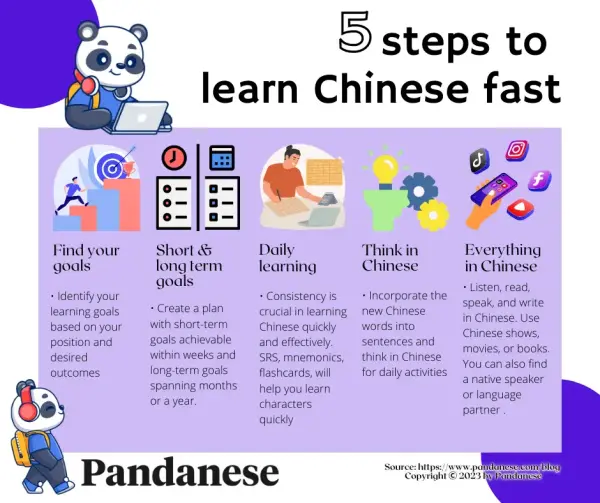
To improve your Chinese fluency, daily immersion is key. Surround yourself with the language through various methods:
See AlsoLearning how to learn Chinese through self-experimentation- Listen to Chinese podcasts, music, or news to train your ear.
- Watch Chinese TV shows or movies with subtitles to pick up colloquial phrases.
- Read books, articles, or social media posts in Chinese to expand vocabulary.
Practice Speaking with Native Speakers
Conversing with native speakers accelerates fluency by improving pronunciation and confidence:
- Use language exchange apps like Tandem or HelloTalk to find partners.
- Join Chinese-speaking communities or clubs to practice regularly.
- Record yourself speaking and compare it to native audio for self-correction.
Expand Your Vocabulary Systematically
A strong vocabulary foundation is essential for fluent communication:
- Learn high-frequency words first, then niche terms.
- Use flashcards (Anki) or apps like Pleco for memorization.
- Group words by themes (e.g., food, travel) for better retention.
Master Chinese Grammar and Sentence Structures
Understanding grammar rules prevents misunderstandings and enhances clarity:
See AlsoHSK 4 Vocabulary Test - Quick Fire Quiz- Study basic sentence patterns (e.g., Subject-Verb-Object).
- Practice constructing sentences using measure words correctly.
- Analyze native-written texts to observe grammar in context.
Leverage Technology and Learning Resources
Modern tools can significantly boost your learning efficiency:
- Use apps like Duolingo or Skritter for interactive practice.
- Follow Chinese-language YouTubers or educators for tutorials.
- Enable Chinese keyboard on your devices to practice typing.
How do word games help language development?
How Do Word Games Enhance Vocabulary Acquisition?
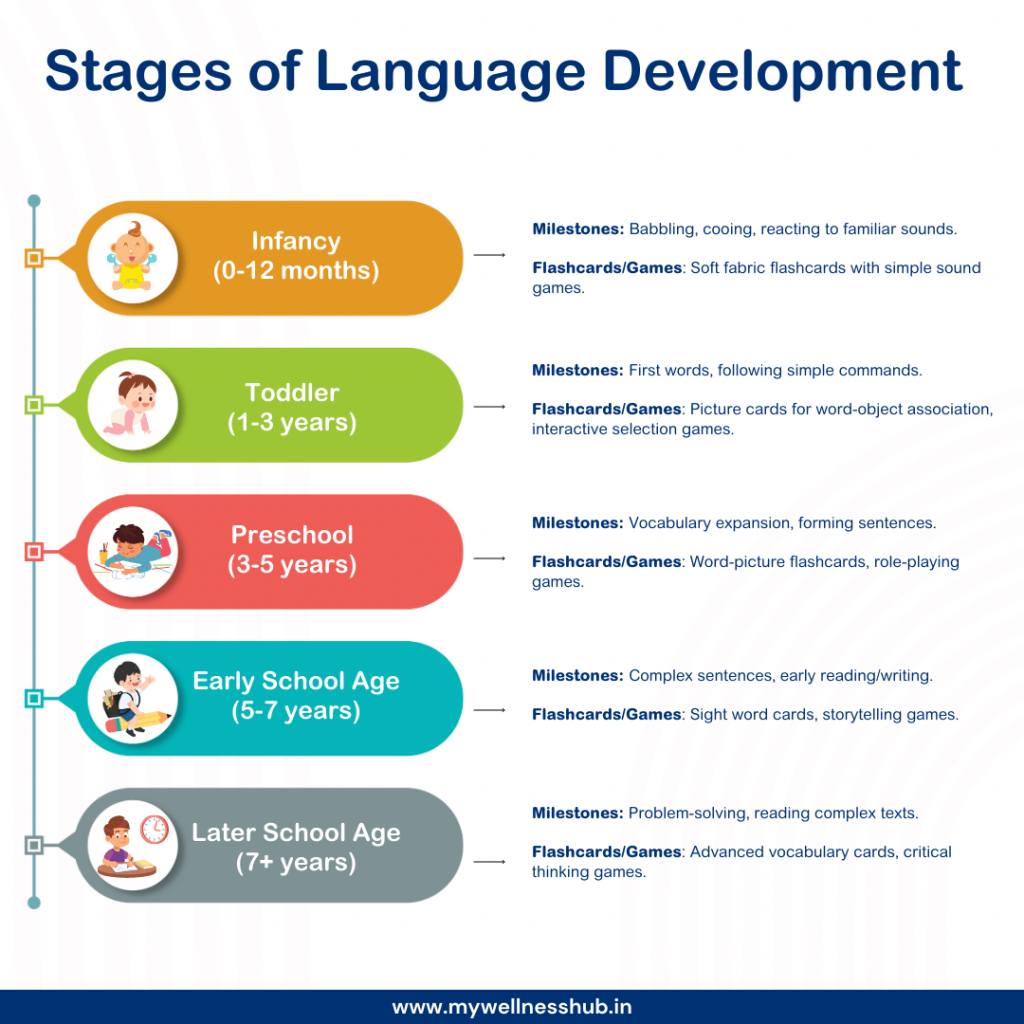
Word games significantly boost vocabulary acquisition by exposing players to new words in engaging contexts. These games encourage active recall and repetition, reinforcing memory retention. Here’s how:
- Contextual learning: Games like Scrabble or crossword puzzles introduce words within meaningful frameworks, aiding comprehension.
- Repetition: Frequent exposure to words in games solidifies their meanings and spellings.
- Competitive motivation: Players often strive to learn more words to outperform opponents, driving self-directed learning.
How Do Word Games Improve Spelling and Grammar Skills?
Word games reinforce spelling and grammar by requiring players to manipulate letters and structures accurately. The interactive nature of these games makes learning implicit and enjoyable:
- Pattern recognition: Games like Boggle train players to identify correct letter sequences and word formations.
- Error correction: Many digital word games provide instant feedback, helping users rectify mistakes in real time.
- Rule internalization: By repeatedly applying grammar rules (e.g., verb conjugations in Hangman), players absorb linguistic norms naturally.
How Do Word Games Boost Cognitive and Problem-Solving Abilities?
Beyond language, word games sharpen cognitive skills such as critical thinking and creativity. They challenge the brain to process information dynamically:
- Mental flexibility: Anagrams and word jumbles require rearranging letters, fostering adaptive thinking.
- Strategic planning: Games like Scrabble demand foresight to maximize points, enhancing decision-making.
- Memory enhancement: Recalling words under time constraints (e.g., in Taboo) strengthens working memory.
Word games promote social communication by creating collaborative or competitive environments where language is practiced organically:
- Team dynamics: Games like Pictionary or Charades require clear verbal and nonverbal communication.
- Peer learning: Players often learn new words or expressions from others during gameplay.
- Confidence building: Low-pressure settings help shy learners practice speaking without fear of judgment.
How Do Word Games Support Multilingual Language Development?
For multilingual learners, word games are invaluable tools to bridge languages and accelerate proficiency:
- Cross-linguistic transfer: Games like Word Bingo in multiple languages highlight similarities/differences between them.
- Cultural exposure: Language-specific games (e.g., French Mots Croisés) teach idiomatic expressions and cultural nuances.
- Motivation sustainment: Gamification makes the arduous process of learning additional languages more enjoyable and rewarding.
Do word games improve vocabulary?
How Do Word Games Enhance Vocabulary Learning?
Word games are an effective tool for improving vocabulary because they engage the brain in active learning. By solving puzzles, players encounter new words, reinforcing their meanings and usage. Here’s how they help:
- Exposure to new words: Games introduce unfamiliar terms in a fun context, making them easier to remember.
- Contextual learning: Players see words used in sentences or themes, aiding comprehension.
- Repetition and recall: Frequent gameplay reinforces memory through repetition.
Which Types of Word Games Are Most Effective?
Not all word games are equally beneficial for vocabulary expansion. Some of the most effective include:
- Crossword puzzles: Challenge players to think of synonyms and definitions.
- Scrabble: Encourages learning new words to score higher points.
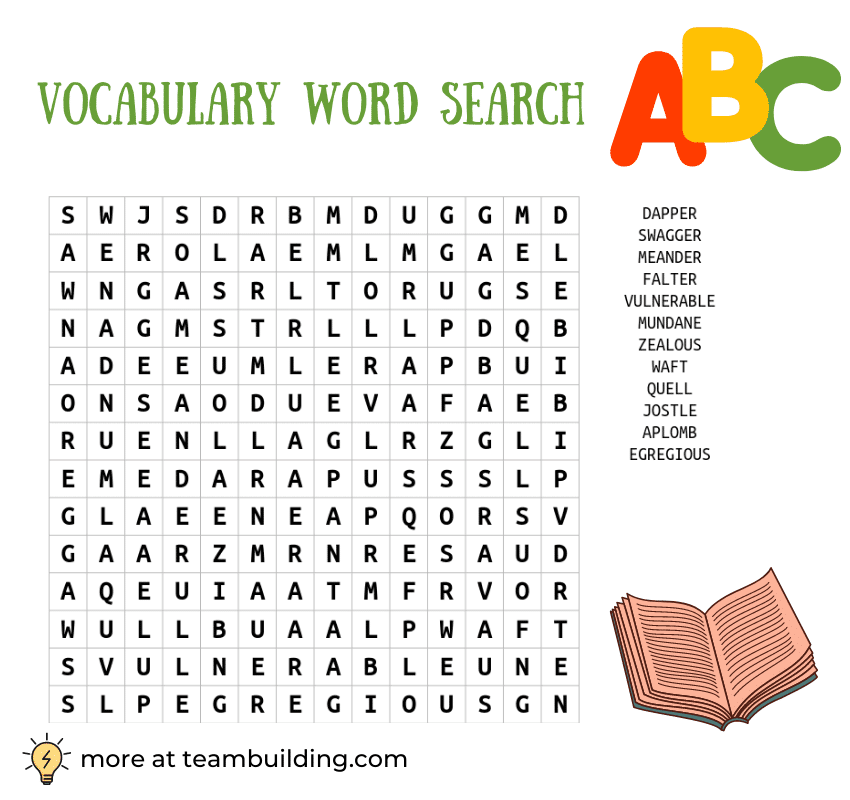
- Word searches: Improve pattern recognition and spelling.
Can Word Games Help with Long-Term Retention?
Yes, word games promote long-term retention by engaging multiple cognitive processes. Key factors include:
- Active participation: Players must think critically about word choices.
- Emotional engagement: Fun gameplay reduces stress, enhancing memory.
- Spaced repetition: Regular play reinforces learned words over time.
Do Word Games Benefit Children’s Vocabulary Development?
Word games are particularly useful for children’s language skills because they combine learning with play. Benefits include:
- Early exposure: Kids learn new words before encountering them in school.
- Interactive learning: Games make vocabulary building enjoyable.
- Improved spelling: Visual recognition helps with correct spelling.
Are Digital Word Games as Effective as Traditional Ones?
Digital word games offer unique advantages for vocabulary improvement, such as:
- Instant feedback: Apps correct mistakes immediately, aiding learning.
- Adaptive difficulty: Games adjust to the player’s skill level.
- Accessibility: Mobile apps allow practice anytime, anywhere.
How do you teach Chinese in a fun way?
Incorporate Interactive Games and Activities
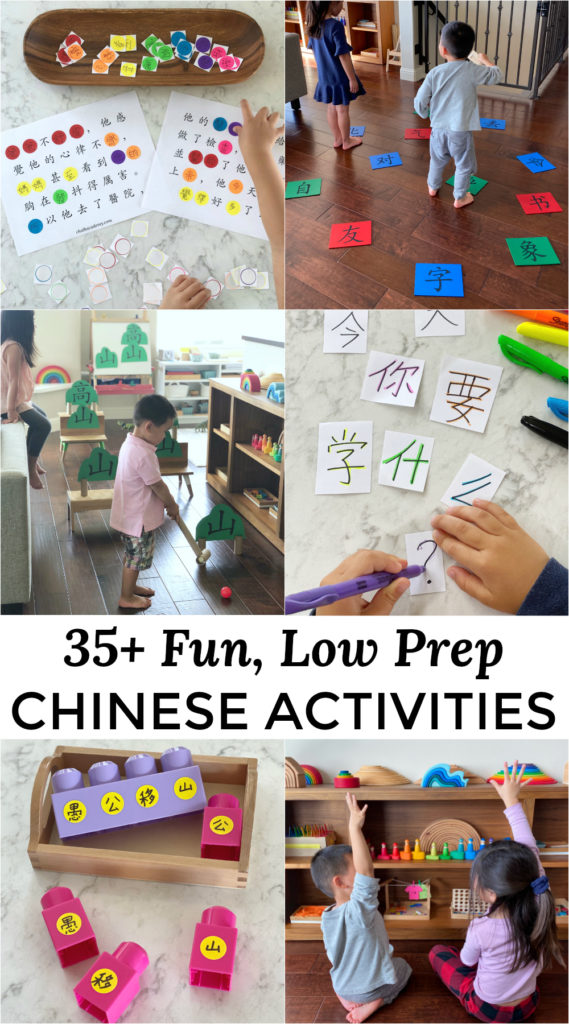
Teaching Chinese can be made fun by integrating interactive games and activities that engage students. For example:
- Charades with Chinese vocabulary to reinforce word meanings through actions.
- Flashcard races where students compete to match characters with their meanings.
- Board games like Scrabble adapted for Chinese characters to build word-forming skills.
Use Multimedia and Technology
Leveraging multimedia tools can make learning Chinese more dynamic and enjoyable:
- Chinese learning apps like Duolingo or HelloChinese for gamified lessons.
- YouTube videos featuring songs, cartoons, or vlogs in Mandarin.
- Virtual reality (VR) experiences to simulate real-life conversations in Chinese.
Introduce Cultural Elements
Connecting language learning with Chinese culture adds excitement and context:
- Cooking classes where students learn to make dumplings while practicing food-related vocabulary.
- Calligraphy workshops to practice writing characters artistically.
- Festival celebrations like Lunar New Year to explore traditions and related phrases.
Encourage Role-Playing and Conversations
Role-playing scenarios help students practice Chinese in real-life contexts:
- Mock restaurant setups to practice ordering food in Mandarin.
- Travel simulations where students visit Chinese cities and ask for directions.
- Daily life dialogues, like bargaining at a market, to build practical skills.
Make Use of Storytelling and Songs
Using stories and music makes memorization enjoyable:
- Chinese folktales told in simple language to improve listening comprehension.
- Children's songs with repetitive lyrics to reinforce vocabulary and tones.
- Creating stories together as a class using newly learned words.
Frequently Asked Questions (FAQ)
What are the best word games to improve fluency in Chinese?
Playing word games like crossword puzzles, Scrabble (adapted for Chinese characters), or character recognition apps can significantly boost your fluency. These games force you to think quickly, recognize patterns, and recall vocabulary in a fun, engaging way. Additionally, games like Pictionary with Chinese prompts or flashcard-based memory games help reinforce word associations and improve retention.
How often should I play word games to see improvement in my Chinese fluency?
Consistency is key—aim for at least 15-30 minutes daily to see noticeable progress. Regular exposure through short, frequent sessions is more effective than occasional long sessions. Over time, this habit will strengthen your vocabulary recall, grammar understanding, and pronunciation skills, especially if you challenge yourself with progressively harder games.
Can word games help with both speaking and writing fluency in Chinese?
Absolutely! Word games enhance multiple language skills simultaneously. For speaking fluency, games like role-playing dialogues or tongue twisters improve pronunciation and spontaneity. For writing fluency, games involving character stroke order or sentence construction reinforce grammar and composition. Combining both types ensures a well-rounded improvement in your Chinese proficiency.
Are there multiplayer word games that can help me practice Chinese with others?
Yes! Multiplayer games like Chinese-language Scrabble, online quiz platforms (e.g., QuizUp), or language exchange apps (e.g., HelloTalk) provide interactive ways to practice with native speakers or fellow learners. These games encourage real-time communication, cultural exchange, and friendly competition, making learning more dynamic and socially engaging.
Leave a Reply
Related Posts