
Health in Chinese - Most Common Symptoms & Illnesses

Understanding common health symptoms and illnesses is essential for maintaining well-being, especially in a cultural context like China, where traditional and modern medicine often intersect. This article explores the most frequent health concerns experienced by Chinese individuals, ranging from seasonal ailments to chronic conditions. By identifying typical symptoms such as fatigue, digestive issues, or respiratory problems, readers can better recognize early warning signs. Additionally, the influence of lifestyle, diet, and environmental factors on health will be discussed. Whether you're living in China or simply interested in global health trends, this guide provides valuable insights into prevalent medical issues and preventive measures.
Health in Chinese - Most Common Symptoms & Illnesses
In Chinese culture, health is deeply connected to balance and harmony within the body. Traditional Chinese Medicine (TCM) emphasizes the flow of Qi (energy) and the balance between Yin and Yang. Many common symptoms and illnesses are viewed differently compared to Western medicine, often focusing on holistic approaches rather than isolated treatments. Below, we explore some of the most frequent health concerns in Chinese communities and how they are perceived and managed.
1. Common Cold & Flu in Chinese Medicine
In Traditional Chinese Medicine (TCM), the common cold and flu are often linked to an imbalance caused by external factors like Wind, Cold, or Heat. Symptoms such as fever, cough, and sore throat are treated with herbal remedies like Ginger Tea (姜茶) or Ban Lan Gen (板蓝根).
See AlsoChinese Summer Solstice | How is the Longest Day Celebrated in China?| Symptom | TCM Remedy |
|---|---|
| Fever | Chrysanthemum Tea (菊花茶) |
| Cough | Pear & Honey Stew (冰糖炖梨) |
| Sore Throat | Licorice Root (甘草) |
2. Digestive Issues & Stomach Discomfort
Digestive problems like bloating, indigestion, or diarrhea are often attributed to a weak Spleen (脾) in TCM. Remedies include Hawthorn Berry (山楂) for digestion and Warm Ginger Water to soothe the stomach.
| Issue | TCM Solution |
|---|---|
| Bloating | Peppermint Tea (薄荷茶) |
| Indigestion | Hawthorn Berry (山楂) |
| Diarrhea | Poria Mushroom (茯苓) |
3. Stress & Insomnia in Chinese Culture
Mental health concerns like stress, anxiety, and insomnia are often treated with acupuncture and herbs such as Schisandra Berry (五味子). TCM believes emotional imbalance disrupts Qi flow.
| Condition | TCM Treatment |
|---|---|
| Insomnia | Jujube Seeds (酸枣仁) |
| Anxiety | Acupuncture (针灸) |
| Stress | Meditation & Tai Chi |
4. Joint Pain & Arthritis
Chronic pain, especially in joints, is often linked to Wind-Damp obstruction in TCM. Treatments include cupping therapy (拔罐) and herbs like Eucommia Bark (杜仲).
See AlsoKobe Bryant Influence in China| Symptom | TCM Approach |
|---|---|
| Joint Stiffness | Moxibustion (艾灸) |
| Swelling | Turmeric (姜黄) |
| Chronic Pain | Cupping (拔罐) |
5. Skin Conditions & Allergies
Skin issues like eczema, rashes, or allergies are often seen as Heat Toxins in TCM. Remedies include honeysuckle flower (金银花) and avoiding damp foods.
| Condition | TCM Remedy |
|---|---|
| Eczema | Honeysuckle Tea (金银花茶) |
| Rashes | Aloe Vera (芦荟) |
| Allergies | Reduce Dairy & Spicy Foods |
What is the most common health problem in China?
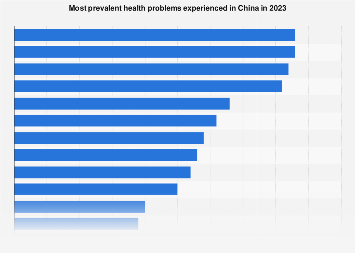
The most common health problem in China is cardiovascular disease (CVD), which includes conditions like hypertension, coronary heart disease, and stroke. These ailments are driven by factors such as an aging population, urbanization, sedentary lifestyles, and dietary changes. Air pollution and high smoking rates also contribute significantly to the prevalence of CVD in China.
See AlsoInternship in China (Is It For Me?)What Are the Leading Causes of Cardiovascular Disease in China?
Cardiovascular diseases in China are primarily caused by a combination of lifestyle, environmental, and genetic factors. Key contributors include:
- Unhealthy diets high in salt, fat, and processed foods.
- Physical inactivity due to urbanization and sedentary jobs.
- Smoking, which remains widespread despite public health efforts.
How Does Air Pollution Affect Health in China?
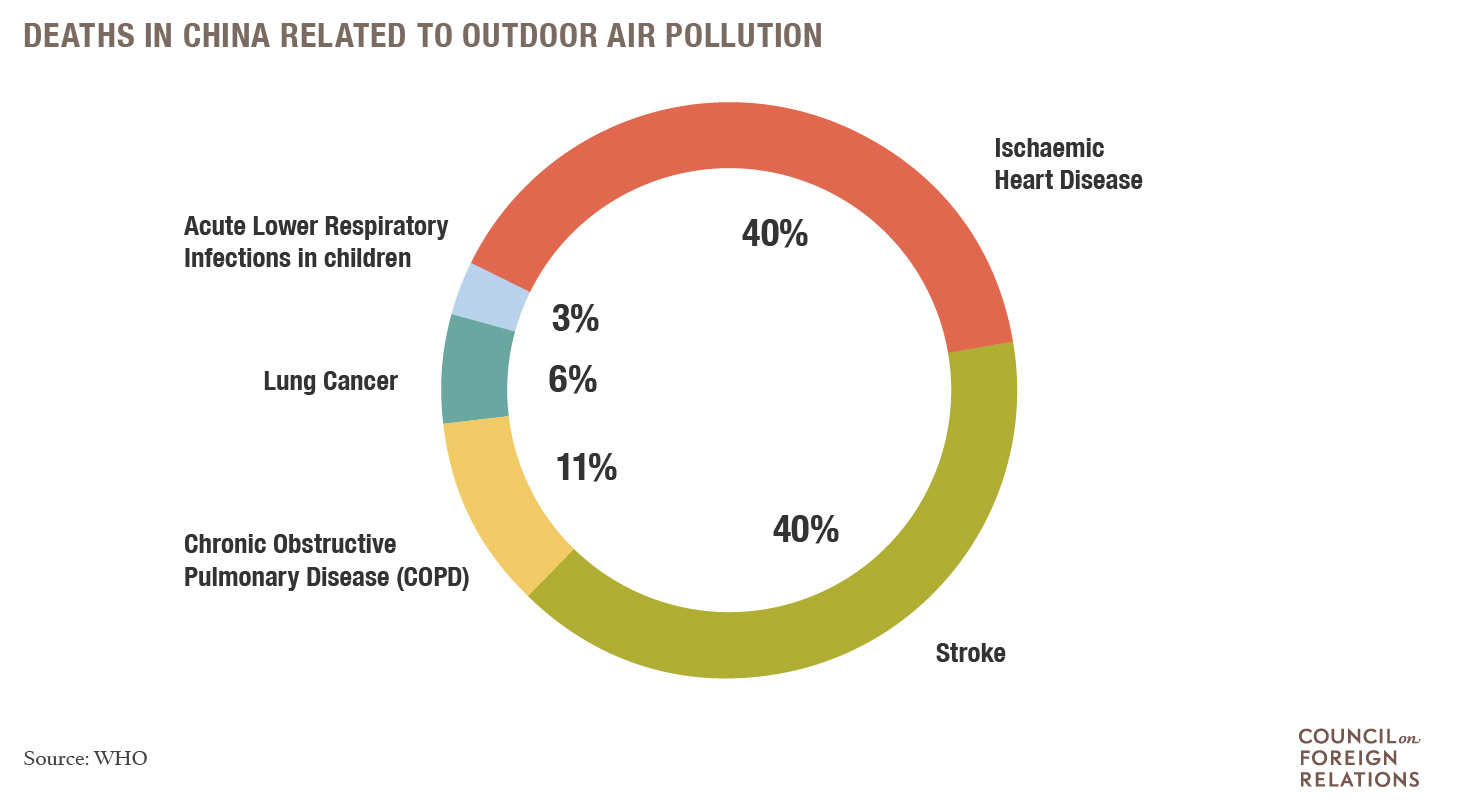
Air pollution is a major public health concern in China, exacerbating respiratory and cardiovascular conditions. The primary effects include:
- Increased risk of lung cancer from prolonged exposure to pollutants.
- Worsening asthma and chronic obstructive pulmonary disease (COPD).
- Higher CVD mortality rates due to fine particulate matter (PM2.5).
What Role Does Smoking Play in China's Health Issues?
Smoking is a leading preventable cause of death in China, contributing to:
- Lung cancer, the most common cancer among Chinese men.
- Heart disease and stroke due to nicotine and tar exposure.
- Secondhand smoke effects, harming non-smokers, including children.
How Does an Aging Population Impact China's Health System?
China's aging population places strain on healthcare resources, leading to:
- Higher prevalence of chronic diseases like diabetes and hypertension.
- Increased healthcare costs for long-term care and treatments.
- Workforce shortages in elder care and medical services.
What Are the Most Common Respiratory Diseases in China?
Respiratory diseases are widespread in China due to pollution and smoking. The most common include:
- Chronic bronchitis and emphysema (COPD).
- Asthma, particularly in urban areas with poor air quality.
- Lung infections like pneumonia, worsened by pollution.
What health issues do Chinese people have?
Common Chronic Diseases in China
Chinese people face several chronic diseases due to lifestyle changes and aging populations. The most prevalent include:
- Hypertension: High blood pressure affects nearly one-third of adults, driven by high-salt diets and stress.
- Diabetes: Over 11% of adults have diabetes, linked to rising obesity and sedentary habits.
- Cardiovascular diseases: Heart disease and strokes are leading causes of death, worsened by smoking and poor diet.
Respiratory Health Challenges
Air pollution and smoking contribute significantly to respiratory issues in China:
- Lung cancer: High smoking rates and pollution make it the most common cancer.
- Chronic obstructive pulmonary disease (COPD): Affects over 8% of adults due to smoking and indoor air pollution.
- Asthma: Urbanization and pollution have increased asthma cases, especially in children.
Mental Health Concerns
Mental health is a growing but often stigmatized issue in China:
- Depression: Affects 6% of the population, with underdiagnosis due to cultural stigma.
- Anxiety disorders: High work pressure and societal expectations drive anxiety rates.
- Suicide rates: Rural areas show higher rates, particularly among elderly and women.
Infectious Diseases
Despite progress, infectious diseases remain a concern:
- Hepatitis B: Over 6% of the population carries the virus, a leading cause of liver disease.
- Tuberculosis: China has the third-highest TB burden globally.
- Seasonal flu: Annual outbreaks strain healthcare systems, especially among the elderly.
Dietary changes have led to nutrition-related problems:
- Obesity: Rapid urbanization has doubled obesity rates in two decades.
- Iron-deficiency anemia: Affects 20% of children and pregnant women in rural areas.
- Vitamin deficiencies: Poor dietary diversity causes deficiencies in calcium and vitamin D.
What is the largest disease in China?
What is the Most Prevalent Disease in China?
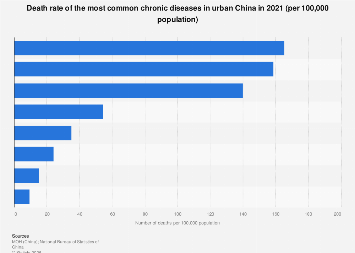
The largest and most prevalent disease in China is cardiovascular disease (CVD), which includes conditions like coronary artery disease, hypertension, and stroke. It accounts for the highest number of deaths annually due to factors such as aging populations, urbanization, and lifestyle changes.
- High blood pressure affects over 245 million adults in China.
- Stroke is the leading cause of death, with millions of cases reported yearly.
- Poor diet and smoking significantly contribute to CVD prevalence.
How Does Cardiovascular Disease Impact China's Population?
Cardiovascular disease places a massive burden on China's healthcare system and economy. It reduces productivity and increases medical costs, affecting both urban and rural communities.
- Economic costs exceed billions of dollars annually in treatment and lost labor.
- Rural areas face higher mortality rates due to limited healthcare access.
- Preventive care remains underutilized despite government efforts.
What Are the Main Causes of Cardiovascular Disease in China?
The rise of CVD in China is driven by multiple factors, including lifestyle and environmental changes.
- Unhealthy diets high in salt, fat, and processed foods.
- Smoking, with China being the world's largest tobacco consumer.
- Physical inactivity due to sedentary jobs and urbanization.
How Is the Chinese Government Addressing Cardiovascular Disease?
The government has implemented policies to combat CVD, focusing on prevention and treatment.
- Public health campaigns promote healthier lifestyles and diets.
- Smoking bans in public places to reduce tobacco use.
- Expanded healthcare coverage to improve early diagnosis and treatment.
What Are the Future Projections for Cardiovascular Disease in China?
If current trends continue, CVD cases are expected to rise, posing greater challenges.
- Aging population will increase susceptibility to chronic diseases.
- Urbanization may worsen risk factors like pollution and stress.
- Healthcare reforms must prioritize prevention to curb the epidemic.
How does Chinese culture view illness?
Traditional Chinese Medicine (TCM) Perspective on Illness
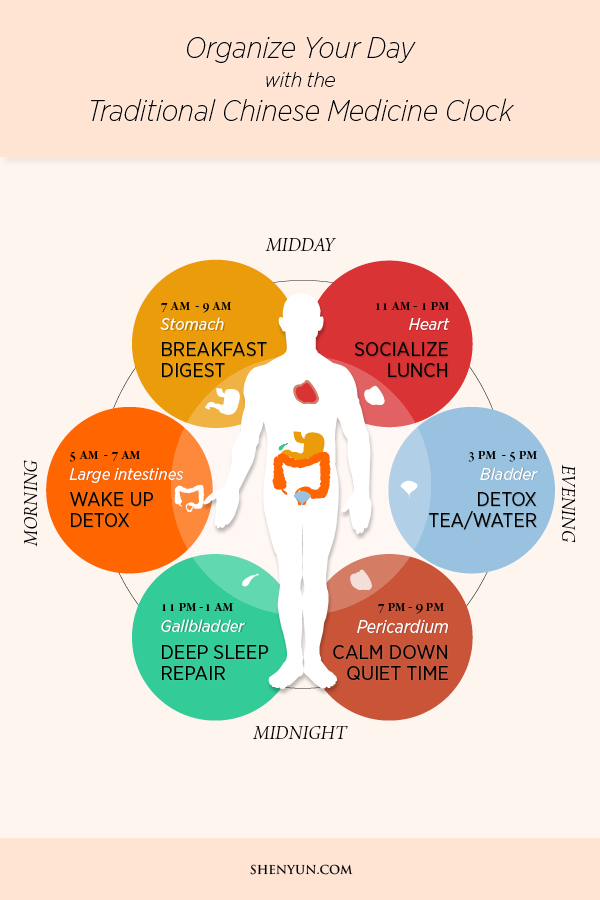
In Chinese culture, illness is often viewed through the lens of Traditional Chinese Medicine (TCM), which emphasizes balance and harmony within the body. Key principles include:
- Qi (vital energy): Illness is seen as a disruption or blockage in the flow of Qi.
- Yin and Yang: Disease arises from an imbalance between these opposing forces.
- Five Elements: Health is linked to the harmony of wood, fire, earth, metal, and water.
Preventive Measures and Holistic Health
Chinese culture prioritizes prevention over cure, with practices aimed at maintaining long-term health:
- Dietary therapy: Foods are chosen to balance bodily systems.
- Exercise: Practices like Tai Chi and Qigong strengthen Qi.
- Herbal remedies: Used to prevent illness before symptoms appear.
Illness in Chinese culture is not just an individual matter but a family and community concern:
- Family caregiving: Relatives often take primary responsibility for the sick.
- Collective decision-making: Medical choices are discussed among family members.
- Social stigma: Certain illnesses may be kept private to avoid shame.
Spiritual and Superstitious Beliefs
Some Chinese cultural views on illness incorporate spiritual or superstitious elements:
- Ancestral influence: Illness may be attributed to displeased ancestors.
- Feng Shui: Poor home layout is believed to cause health issues.
- Amulets and rituals: Used to ward off illness-causing spirits.
Modern Influences and Western Medicine
While traditional views persist, modern Chinese culture increasingly blends Western medicine:
- Integrated treatments: Many combine TCM with pharmaceuticals.
- Public healthcare: Western-style hospitals are widely utilized.
- Generational shifts: Younger generations may prioritize scientific approaches.
Frequently Asked Questions (FAQ)
What are the most common symptoms of illness in Chinese medicine?
In Chinese medicine, the most common symptoms of illness often revolve around imbalances in the body's energy, or Qi. These can include fatigue, digestive issues (such as bloating or irregular bowel movements), pain (especially in the joints or muscles), and emotional disturbances like anxiety or irritability. Additionally, symptoms like insomnia, frequent colds, and poor circulation (cold hands and feet) are also considered key indicators of underlying health issues. Chinese medicine views these symptoms as signs of disrupted harmony between the body's systems.
How does Chinese medicine diagnose illnesses differently from Western medicine?
Chinese medicine employs unique diagnostic methods that differ significantly from Western medicine. Practitioners often rely on tongue and pulse diagnosis to assess the state of a patient's Qi and organ systems. The tongue's color, coating, and shape provide clues about internal health, while the pulse is checked at multiple points to determine imbalances. Unlike Western medicine, which focuses on lab tests and imaging, Chinese medicine emphasizes holistic patterns of disharmony, such as excess heat, cold, or dampness in the body.
What are the most frequently treated illnesses in Chinese medicine?
Some of the most commonly treated illnesses in Chinese medicine include chronic pain (like arthritis or back pain), respiratory conditions (such as asthma or allergies), and digestive disorders (including IBS or acid reflux). Additionally, stress-related conditions (anxiety, insomnia) and women's health issues (menstrual irregularities, menopause symptoms) are frequently addressed. Chinese medicine also excels in managing long-term chronic conditions where Western medicine may offer limited solutions, using herbs, acupuncture, and lifestyle adjustments.
Can Chinese medicine treat acute illnesses like colds or infections?
Yes, Chinese medicine can effectively treat acute illnesses such as colds, flu, or infections. Herbal formulas like Yin Qiao San or Gan Mao Ling are often prescribed to address symptoms like fever, sore throat, or congestion. Unlike Western medicine, which may focus on antibiotics or antivirals, Chinese medicine aims to expel pathogens while strengthening the body's defenses. Treatments may also include acupuncture to relieve symptoms and dietary advice to support recovery, emphasizing a balance between attacking the illness and restoring vitality.
Leave a Reply
Related Posts