
Diversify how you study Chinese to learn more

Learning Chinese can be both rewarding and challenging, but sticking to a single study method may limit your progress. Diversifying your approach not only keeps learning engaging but also helps reinforce different language skills. Instead of relying solely on textbooks, try incorporating podcasts, flashcards, or language exchange partners into your routine. Watching Chinese TV shows, listening to music, or practicing handwriting characters can deepen your understanding and retention. Each method targets unique aspects of the language—listening, speaking, reading, and writing—creating a more well-rounded foundation. By experimenting with various techniques, you’ll discover what works best for you while making the learning process more dynamic and effective.
Diversify Your Chinese Learning Methods for Faster Progress
Detailed Explanation:
To learn Chinese effectively, relying on a single study method can slow your progress. Diversifying your approach keeps learning engaging and helps reinforce knowledge through different contexts. Combining textbooks, apps, immersion, and conversation ensures well-rounded skills in listening, speaking, reading, and writing. Below are five key strategies to enhance your Chinese learning experience.
---
See AlsoChinese Measure Words Quiz How Many Do You Know?1. Combine Traditional and Digital Learning Tools
Mixing textbooks with apps bridges the gap between theory and practice. While textbooks provide structured grammar lessons, apps like HelloChinese or Pleco offer interactive exercises and real-time feedback.
Example Table:
| Tool Type | Benefits |
|---|---|
| Textbooks | Clear grammar rules, vocabulary lists |
| Apps | Interactive quizzes, pronunciation practice |
---
See AlsoWhat Are Duolingos Next Languages: Learning Guide 20252. Immerse Yourself with Authentic Media
Watching Chinese TV shows, movies, or news sharpens listening skills and exposes you to colloquial phrases. Start with subtitles, then gradually remove them to challenge comprehension.
Example Table:
| Media Type | Skill Improved |
|---|---|
| Dramas/Movies | Casual speech, cultural context |
| News/Podcasts | Formal vocabulary, pacing |
---
See Also7 Major Differences Between Mandarin and Cantonese3. Practice Speaking with Native Speakers
Conversation partners or language exchange platforms (e.g., Tandem) help apply vocabulary in real-time. Regular speaking practice reduces hesitation and improves tonal accuracy.
Example Table:
| Method | Advantage |
|---|---|
| Language Exchange | Mutual learning, cultural exchange |
| Tutoring | Structured feedback, corrected mistakes |
---
4. Use Flashcards for Vocabulary Retention
Spaced repetition systems (SRS) like Anki or Quizlet reinforce long-term memory. Categorize flashcards by themes (e.g., food, travel) to contextualize words.
Example Table:
| Flashcard Type | Usage Tip |
|---|---|
| Character + Pinyin | Link writing to pronunciation |
| Image-Based | Visual memory aid |
---
5. Write Regularly to Reinforce Characters
Handwriting practice (e.g., journals or essays) strengthens character recognition and stroke order. Apps like Skritter gamify the process.
Example Table:
| Writing Activity | Benefit |
|---|---|
| Daily Journal | Practical vocabulary use |
| Copying Texts | Improves muscle memory |
How long does it realistically take to learn Chinese?

Factors That Influence Learning Chinese
The time it takes to learn Chinese depends on several factors, including:
- Prior language experience: Knowing other tonal languages like Vietnamese or Thai can speed up the process.
- Study intensity: Daily practice accelerates progress compared to sporadic learning.
- Learning environment: Immersion in a Chinese-speaking country drastically improves fluency.
Time Estimates for Basic Proficiency
Achieving basic proficiency (HSK 3) typically requires:
- 6–12 months with consistent daily study (1–2 hours).
- 300–500 hours of structured learning for simple conversations.
- Faster progress if focusing solely on spoken Mandarin.
Intermediate Fluency Timelines
Reaching intermediate fluency (HSK 4–5) usually takes:
- 1.5–3 years of dedicated study.
- 1,000–1,200 hours to comprehend news and hold debates.
- Writing skills add significant time due to character memorization.
Advanced Mastery Challenges
Attaining advanced mastery (HSK 6+) involves:
- 3–5+ years of immersive practice.
- Mastering 2,500+ characters for full literacy.
- Cultural nuances and idioms extending the learning curve.
Accelerating Your Chinese Learning
To speed up progress, consider:
- Language partners for real-time conversation practice.
- Flashcards (e.g., Anki) for character retention.
- Media consumption (TV, podcasts) to train your ear.
How can I continue learning Chinese?

How to Practice Speaking Chinese Daily
To improve your speaking skills, consistent practice is essential. Engage in conversations with native speakers or language partners to build fluency. Here are some effective methods:
- Language exchange apps like Tandem or HelloTalk connect you with native speakers.
- Join Chinese-speaking communities online or locally to practice in real-life scenarios.
- Repeat dialogues from Chinese TV shows or podcasts to mimic pronunciation and intonation.
Best Resources for Learning Chinese Characters
Mastering Chinese characters requires structured learning and repetition. Use these resources to enhance your recognition and writing skills:
- Anki or Pleco for spaced repetition flashcards to memorize characters efficiently.
- Workbooks like Remembering the Hanzi to understand stroke order and meanings.
- Watch YouTube tutorials that break down character composition and radicals.
Effective Ways to Improve Listening Comprehension
Strengthening your listening skills helps you understand spoken Chinese in different accents and speeds. Try these strategies:
- Listen to Chinese podcasts or radio stations like Ximalaya for varied content.
- Watch Chinese movies or dramas with subtitles, then gradually remove them.
- Use language learning apps like Duolingo or ChineseClass101 for structured listening exercises.
How to Expand Your Chinese Vocabulary
Building a robust vocabulary is key to fluency. Focus on learning words relevant to your interests and daily life:
- Read Chinese news articles or blogs on topics you enjoy to encounter new words.
- Keep a vocabulary journal and review it weekly to reinforce retention.
- Use mnemonics or associations to remember complex words more easily.
Staying Motivated While Learning Chinese
Maintaining motivation is crucial for long-term progress. Implement these techniques to stay committed:
- Set short-term goals, like learning 10 new words daily, to track progress.
- Reward yourself after completing milestones, such as watching a favorite Chinese show.
- Join online challenges or groups to stay accountable and inspired.
Is it possible to learn Chinese on your own?
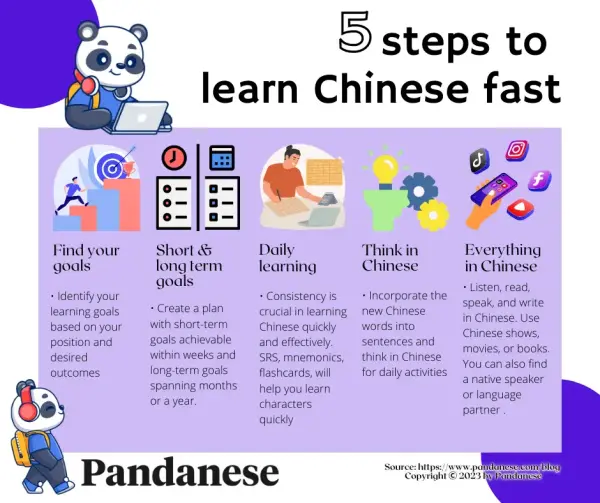
Can You Learn Chinese Without a Teacher?
Yes, it is possible to learn Chinese on your own, but it requires discipline, structured resources, and consistent practice. Many self-learners succeed by combining textbooks, apps, and immersion techniques.
- Textbooks and Grammar Guides: Provide foundational knowledge and structure.
- Language Apps: Offer interactive exercises for vocabulary and pronunciation.
- Immersion: Listening to native content (podcasts, TV shows) accelerates comprehension.
What Are the Best Resources for Self-Learning Chinese?
Choosing the right resources is crucial for effective self-study. A mix of digital and traditional materials ensures balanced progress.
- Duolingo or HelloChinese: Gamified learning for beginners.
- Anki: Flashcard system for memorizing characters.
- YouTube Channels: Free lessons from native speakers.
How Important Is Practicing Chinese Characters?
Mastering Chinese characters is essential, as they form the backbone of written and reading comprehension.
- Stroke Order: Learning correct strokes improves writing efficiency.
- Radicals: Understanding character components aids memorization.
- Daily Practice: Writing characters regularly reinforces retention.
Can You Achieve Fluency in Chinese Without Living in China?
While immersion helps, fluency is achievable through dedicated self-study and virtual immersion.
- Language Exchange: Platforms like Tandem connect learners with native speakers.
- Online Tutors: Affordable one-on-one practice via iTalki or Preply.
- Media Consumption: Watching Chinese films or reading news builds real-world understanding.
What Are the Biggest Challenges of Learning Chinese Alone?
Self-learning Chinese presents unique obstacles, but they can be overcome with strategy.
- Tones: Mispronunciation can change meanings; use audio tools for practice.
- Grammar Differences: Lack of verb conjugations requires adjustment for English speakers.
- Motivation: Setting clear goals prevents burnout in long-term study.
Frequently Asked Questions (FAQ)
Why is it important to diversify how I study Chinese?
Diversifying your study methods is crucial because it keeps your learning process engaging and effective. Relying on just one approach, like textbooks or flashcards, can lead to burnout or gaps in understanding. By incorporating multiple techniques—such as listening to podcasts, watching dramas, practicing with native speakers, or using apps—you reinforce different language skills. This holistic approach helps you grasp pronunciation, grammar, vocabulary, and cultural context more naturally and comprehensively.
What are some creative ways to study Chinese beyond textbooks?
Beyond traditional textbooks, you can explore immersive and interactive methods to make learning Chinese fun. Try watching Chinese TV shows or movies with subtitles, listening to Mandarin music or podcasts, or playing language-learning games. Engaging with social media content in Chinese or joining online language exchange communities can also provide real-world practice. These methods expose you to colloquial phrases, slang, and cultural nuances that textbooks often miss.
How can I incorporate Chinese practice into my daily routine?
Integrating Chinese into your daily life ensures consistent progress without overwhelming study sessions. Start by labeling household items with their Chinese names or setting your phone’s language to Chinese. Dedicate short breaks to flashcard apps or listen to Chinese audio lessons during commutes. Even small habits, like writing a daily journal entry in Chinese or thinking in simple phrases, can significantly boost retention and fluency over time.
How does diversifying study methods improve long-term retention?
Using varied study techniques strengthens memory retention by engaging different parts of your brain. For example, combining visual (characters), auditory (listening), and kinesthetic (writing) learning styles creates stronger neural connections. Additionally, encountering words in different contexts—like conversations, songs, or articles—helps solidify their meanings and usage. This multifaceted approach prevents forgetting and builds a more adaptable and natural command of the language.
Leave a Reply
Related Posts