
HOW TO - Communicate with your Chinese In-Laws (Phrases & Tips)

Navigating family dynamics can be challenging, especially when cultural differences come into play. If you’re married to a Chinese partner, building a strong relationship with your in-laws is key to harmony and mutual respect. Communication, however, can feel daunting if you’re unfamiliar with the language or customs. This guide provides essential phrases and practical tips to help you connect with your Chinese in-laws, whether you’re a beginner or looking to deepen your bond. From polite greetings to meaningful conversations, these insights will bridge the gap and show your sincerity. With a little effort, you’ll foster warmth and understanding in your cross-cultural family.
- HOW TO - Communicate with Your Chinese In-Laws (Phrases & Tips)
-
What do you call your mother-in-law Chinese?
- What is the Chinese term for mother-in-law?
- How do you address your mother-in-law respectfully in Chinese culture?
- Are there regional differences in calling a mother-in-law in Chinese?
- What are the cultural expectations when dealing with a Chinese mother-in-law?
- How does the role of a mother-in-law differ in Chinese families?
- How to respectfully greet a Chinese person?
- Frequently Asked Questions (FAQ)
HOW TO - Communicate with Your Chinese In-Laws (Phrases & Tips)
Detailed Explanation:
Communicating effectively with your Chinese in-laws can strengthen family bonds and show respect for their culture. Understanding key phrases, cultural norms, and communication styles is essential. Below are five subtopics to help you navigate these interactions smoothly.
---
See AlsoHow technology can help you learn Chinese1. Essential Mandarin Phrases for Polite Conversation
Detailed Explanation:
Learning basic Mandarin phrases demonstrates effort and respect. Here are some useful phrases:
| English | Mandarin (Pinyin) | Use Case |
|---|---|---|
| Hello | Nǐ hǎo (你好) | General greeting |
| Thank you | Xièxiè (谢谢) | Showing gratitude |
| How are you? | Nǐ hǎo ma? (你好吗?) | Polite inquiry |
| Please eat | Qǐng chī (请吃) | During meals |
---
2. Understanding Chinese Family Hierarchy
Detailed Explanation:
Chinese families often follow a hierarchical structure, where elders are highly respected. Key points:
- Address elders with proper titles (e.g., Bàba for father, Māma for mother).
- Avoid interrupting or contradicting elders directly.
- Show deference through actions like serving tea or offering gifts.
---
3. Cultural Etiquette to Avoid Offense
Detailed Explanation:
Certain behaviors may unintentionally offend. Keep these in mind:
| Do | Don't |
|---|---|
| Bring a small gift (fruit, tea) | Give clocks (symbolizes death) |
| Accept food/drinks politely | Refuse offerings multiple times |
---
4. Non-Verbal Communication Tips
Detailed Explanation:
Body language matters in Chinese culture:
- Bow slightly when greeting.
- Avoid excessive eye contact, which can seem confrontational.
- Use both hands when giving or receiving items.
---
5. Handling Sensitive Topics with Care
Detailed Explanation:
Some topics require tact:
| Topic | Approach |
|---|---|
| Marriage/Children | Wait for them to bring it up |
| Politics | Avoid unless they initiate |
What do you call your mother-in-law Chinese?
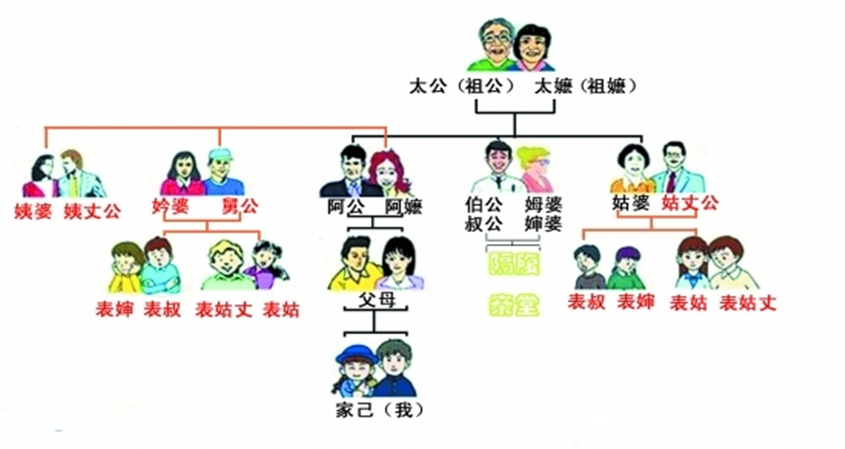
What is the Chinese term for mother-in-law?
In Chinese, the term for mother-in-law depends on whether you are referring to your husband's or wife's mother. The most common terms are:
- 婆婆 (pópo): Used by a wife to refer to her husband's mother.
- 岳母 (yuèmǔ) or 丈母娘 (zhàngmuniáng): Used by a husband to refer to his wife's mother.
- 家婆 (jiāpó): A regional variation, commonly used in Cantonese-speaking areas.
How do you address your mother-in-law respectfully in Chinese culture?
In Chinese culture, showing respect to your mother-in-law is crucial. Here are some ways to address her properly:
- Use formal terms like 婆婆 (pópo) or 岳母 (yuèmǔ) depending on your relationship.
- Add honorifics like 妈妈 (māmā) if you share a close bond, but only if she approves.
- Avoid using her given name directly, as it may be considered impolite.
Are there regional differences in calling a mother-in-law in Chinese?
Yes, regional variations exist in how a mother-in-law is addressed in Chinese:
- In Mandarin-speaking regions, 婆婆 (pópo) and 岳母 (yuèmǔ) are standard.
- In Cantonese, terms like 奶奶 (naai4 naai5) or 外母 (ngoi6 mou5) are used.
- In Hokkien, phrases like 大家 (tāi-ke) may be used for the husband's mother.
What are the cultural expectations when dealing with a Chinese mother-in-law?
Chinese culture places high importance on family hierarchy and respect. Key expectations include:
- Demonstrating filial piety and obedience to elders.
- Offering gifts during holidays or visits as a sign of appreciation.
- Avoiding confrontation and maintaining harmony in family interactions.
How does the role of a mother-in-law differ in Chinese families?
The mother-in-law often holds significant authority in Chinese households. Her role includes:
- Guiding family decisions, especially regarding children and household matters.
- Maintaining traditions and ensuring cultural practices are followed.
- Acting as a mediator in conflicts between family members.
How to respectfully greet a Chinese person?

Understanding Chinese Greeting Customs
In China, greetings are often formal and reflect respect and hierarchy. The way you greet someone depends on their age, status, and relationship to you. Here are key points to consider:
- Bowing or nodding slightly is common, especially in formal settings.
- Handshakes are acceptable in business contexts, but let the Chinese person initiate.
- Avoid physical contact like hugs unless you know the person well.
Using Proper Verbal Greetings
Choosing the right words is crucial for a respectful greeting. Mandarin Chinese has specific phrases for different times and situations:
- Nǐ hǎo (你好) is a neutral and safe way to say hello.
- Nín hǎo (您好) is more formal, used for elders or superiors.
- Time-specific greetings like Zǎoshang hǎo (早上好) for good morning show cultural awareness.
Respecting Titles and Names
Addressing someone correctly demonstrates politeness and understanding of Chinese social norms:
- Use surnames followed by titles like Xiānsheng (先生) for Mr. or Nǚshì (女士) for Ms.
- For professionals, include their job title, e.g., Lǎoshī (老师) for teachers.
- Avoid using first names unless invited to do so.
Non-Verbal Gestures to Consider
Body language plays a significant role in Chinese greetings:
- Maintain moderate eye contact—too much can seem aggressive.
- Offer a slight smile to appear friendly but not overly familiar.
- Present or receive items (like business cards) with both hands as a sign of respect.
Common Mistakes to Avoid
Certain actions may be perceived as disrespectful in Chinese culture:
- Never point at someone with your finger—use an open hand instead.
- Avoid loud or overly expressive greetings, which can seem impolite.
- Refrain from discussing personal topics until a closer relationship is established.
Frequently Asked Questions (FAQ)
What are some basic Mandarin phrases to communicate with my Chinese in-laws?
Learning a few basic Mandarin phrases can go a long way in building rapport with your Chinese in-laws. Start with greetings like Nǐ hǎo (Hello) and Xièxie (Thank you). To show respect, address them appropriately, such as Bàba (Father) or Māma (Mother). Polite phrases like Qǐng wèn (May I ask...) and Duìbuqǐ (Sorry) are also useful. If you want to compliment their cooking, say Hěn hǎo chī (Very delicious). Even if your pronunciation isn’t perfect, the effort will be appreciated.
How can I show respect to my Chinese in-laws through communication?
Respect is deeply valued in Chinese culture, so your tone and word choice matter. Use formal titles like Uncle (Shūshu) or Auntie (Āyí) unless they invite you to be more casual. Avoid interrupting or speaking too loudly, as this can seem rude. When discussing family matters, listen attentively and avoid direct confrontation. Small gestures, like offering tea or gifts, can also convey respect. Remember, non-verbal cues, such as nodding and smiling, play a big role in showing politeness.
What cultural differences should I be aware of when talking to my Chinese in-laws?
Chinese communication often emphasizes harmony and indirectness, so avoid blunt or critical remarks. Topics like politics, religion, or personal finances may be sensitive unless brought up by them. Compliments are common, but excessive praise might seem insincere. Additionally, hierarchy is important—older family members are usually addressed first. Be mindful of holidays and traditions, as they may expect you to participate. Understanding these nuances can prevent misunderstandings and strengthen your relationship.
How can I improve my communication if I don’t speak Mandarin fluently?
If you’re not fluent, focus on key phrases and use tools like translation apps for complex conversations. Enlist your partner’s help to practice pronunciation and learn family-specific terms. Body language, such as bow slightly or offering gifts, can bridge gaps. Showing patience and willingness to learn will earn their respect. Over time, consider taking Mandarin classes or using language apps to improve. Even small efforts, like asking how to say a word correctly, demonstrate your commitment to connecting with them.
Leave a Reply
Related Posts