
Can ChatGPT pass the HSK?

The HSK (Hanyu Shuiping Kaoshi) is a standardized test designed to assess the Chinese language proficiency of non-native speakers. As AI language models like ChatGPT continue to advance, questions arise about their ability to perform on such rigorous exams. This article explores whether ChatGPT can pass the HSK by analyzing its strengths and limitations in understanding Chinese grammar, vocabulary, and context. We examine its performance across different HSK levels, from beginner to advanced, and evaluate how well it handles tasks like reading comprehension, writing, and listening. The findings shed light on the current capabilities of AI in mastering complex language assessments like the HSK.
Can ChatGPT Pass the HSK? Exploring AI's Language Proficiency
What Is the HSK and Why Is It Important?
The HSK (Hanyu Shuiping Kaoshi) is a standardized test designed to assess the Chinese language proficiency of non-native speakers. It consists of six levels, with HSK 1 being the most basic and HSK 6 representing advanced fluency. The test evaluates listening, reading, and writing skills, making it a comprehensive measure of one's ability to communicate in Mandarin. For AI like ChatGPT, passing the HSK would demonstrate its capability to understand and generate complex Chinese language structures.
| HSK Level | Vocabulary Size | Skill Requirement |
|---|---|---|
| HSK 1-2 | 150-300 words | Basic communication |
| HSK 3-4 | 600-1,200 words | Intermediate fluency |
| HSK 5-6 | 2,500-5,000 words | Advanced proficiency |
How Does ChatGPT Handle Chinese Language Tasks?
ChatGPT is trained on vast datasets, including Chinese texts, which allows it to perform tasks like translation, sentence formation, and comprehension. However, the HSK requires more than just pattern recognition—it tests grammar accuracy, cultural context, and nuanced meanings. While ChatGPT can generate coherent responses, its ability to pass higher HSK levels depends on its training depth in Mandarin-specific rules and idiomatic expressions.
See AlsoCan You Drive in China with Your Overseas License?Can ChatGPT Achieve HSK 6 Proficiency?
Reaching HSK 6 proficiency demands mastery of 5,000+ words and the ability to discuss abstract topics. ChatGPT's performance would likely vary: it might excel in reading and writing but struggle with listening sections that require real-time processing of spoken Mandarin. Additionally, the AI's lack of cultural immersion could hinder its understanding of context-dependent phrases.
Comparing ChatGPT to Human HSK Test-Takers
Unlike humans, ChatGPT doesn’t learn through traditional study methods. It relies on pre-existing data rather than experiential knowledge. Human test-takers often practice with mock exams and interactive conversations, whereas ChatGPT's preparation is limited to its training corpus. This difference could affect its performance in practical language use scenarios tested in the HSK.
Limitations of AI in Language Proficiency Tests
While ChatGPT can mimic high-level language skills, it faces challenges like contextual misunderstandings and over-reliance on statistical patterns. The HSK evaluates creative writing and opinion articulation, areas where AI may lack originality or emotional depth. Furthermore, regional dialects and slang—often absent in training data—could lower its scores in authentic language assessments.
See AlsoThe three factors that determine how much Chinese you learn| Challenge | Impact on HSK Performance |
|---|---|
| Lack of cultural context | Misinterpreting idioms or historical references |
| No real-time listening practice | Difficulty with spoken sections |
| Fixed training data | Struggles with evolving language trends |
Is it easy to pass HSK 4?
What is the HSK 4 Exam?
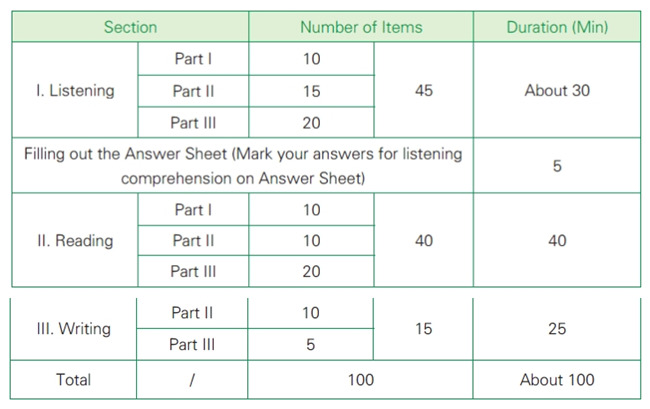
The HSK 4 is the fourth level of the Chinese Proficiency Test, designed for intermediate learners. It assesses the ability to communicate in Chinese on a wide range of topics, requiring knowledge of approximately 1,200 vocabulary words and grammar structures. The exam consists of listening, reading, and writing sections, each demanding a solid grasp of the language.
- Listening: Tests comprehension of everyday conversations and short passages.
- Reading: Evaluates understanding of texts, including filling in blanks and answering questions.
- Writing: Requires constructing sentences and rearranging word order correctly.
How Difficult is HSK 4 Compared to Lower Levels?
Passing HSK 4 is significantly more challenging than HSK 3 due to the increased vocabulary and complexity of grammar. While HSK 3 focuses on basic communication, HSK 4 demands fluency in discussions and the ability to understand more abstract topics.
See AlsoWhen Is Chinese Valentine’s Day and How Is It Celebrated?- Vocabulary: Doubles from HSK 3 (600 words) to HSK 4 (1,200 words).
- Grammar: Introduces more advanced sentence patterns and idiomatic expressions.
- Time Management: The exam is longer and requires faster processing of information.
What Study Strategies Help Pass HSK 4?
Effective preparation for HSK 4 involves a structured approach, combining vocabulary memorization, grammar practice, and mock tests. Consistency and exposure to authentic materials are key.
- Flashcards: Use apps like Anki to master the 1,200-word list.
- Grammar Drills: Focus on common HSK 4 sentence structures and patterns.
- Practice Tests: Simulate exam conditions to improve speed and accuracy.
How Long Does It Take to Prepare for HSK 4?
The time needed to prepare for HSK 4 varies based on prior knowledge and study intensity. On average, learners spend 6–12 months studying regularly to reach the required proficiency.
- Beginners: May need 1–1.5 years if starting from scratch.
- Intermediate Learners: 6–8 months with consistent daily practice.
- Fast Learners: 3–4 months with immersive study (e.g., living in China).
What Are Common Challenges in HSK 4?
Many test-takers struggle with specific aspects of HSK 4, such as listening speed, reading comprehension, and writing accuracy. Identifying these challenges early helps in targeted preparation.
See AlsoThree steps to more and better Chinese listening practice- Listening Speed: Native speakers talk faster than in HSK 3; practice with real-life audio.
- Reading Complexity: Longer texts require skimming and scanning techniques.
- Writing Errors: Word order and grammar mistakes are common; review model answers.
How hard is it to pass HSK 6?

What is the HSK 6 Exam Structure?
The HSK 6 is the highest level of the Chinese proficiency test, designed for learners who can easily comprehend and express complex ideas in Mandarin. The exam consists of three sections:
- Listening: 50 questions, requiring understanding of extended dialogues and monologues.
- Reading: 50 questions, testing comprehension of advanced texts, including essays and news articles.
- Writing: 1 task, where candidates must summarize a 1000-character passage in 400 characters.
How Much Vocabulary is Required for HSK 6?
To pass HSK 6, candidates need to master approximately 5,000 words and advanced grammar structures. Key challenges include:
- Idiomatic expressions and chengyu (four-character idioms).
- Specialized terminology in fields like politics, science, and culture.
- Nuanced vocabulary for abstract or formal contexts.
What Are the Common Difficulties in HSK 6?
Many test-takers struggle with the high complexity of HSK 6. Major hurdles include:
- Listening speed: Native-level pacing and accents.
- Reading density: Long, intricate passages with formal language.
- Time pressure: Limited time for writing and reading sections.
How Long Does It Take to Prepare for HSK 6?
Preparation time varies, but most learners need 1–2 years of dedicated study after reaching HSK 5. Factors influencing this include:
- Study intensity: Daily practice vs. casual learning.
- Prior exposure: Living in a Chinese-speaking environment accelerates progress.
- Resource quality: Textbooks, tutors, and immersion materials.
What Strategies Help Pass HSK 6?
Effective strategies for HSK 6 success involve targeted practice and skill-building:
- Mock exams: Simulate test conditions to improve timing.
- Extensive reading: Newspapers, novels, and academic articles.
- Active listening: Podcasts, news broadcasts, and lectures.
What is the hardest HSK level?
What Makes HSK 6 the Hardest Level?
The HSK 6 is widely considered the most challenging due to its extensive vocabulary, complex grammar, and advanced reading comprehension requirements. Here’s why:
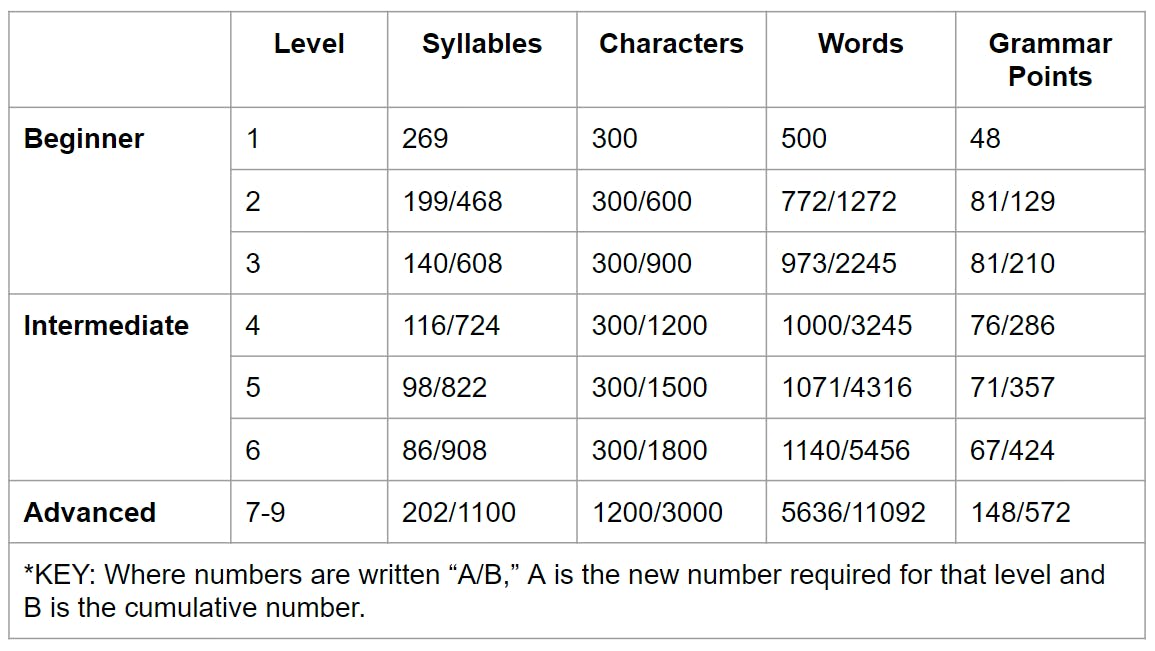
- Vocabulary: Requires mastery of over 5,000 words, including idioms and specialized terms.
- Listening: Features fast-paced dialogues and academic or formal speeches.
- Writing: Demands coherent essays summarizing lengthy passages accurately.
How Does HSK 6 Compare to Lower HSK Levels?
Unlike HSK 1-5, which focus on foundational to intermediate skills, HSK 6 tests near-native proficiency:
- Complexity: Sentences are longer and more nuanced than in lower levels.
- Speed: Listening sections use natural speech patterns without pauses.
- Depth: Reading materials include literature, news, and technical content.
What Are the Biggest Challenges in HSK 6?
Candidates often struggle with these key obstacles in HSK 6:
- Time Pressure: Limited time for lengthy reading and writing tasks.
- Idiomatic Expressions: Many phrases lack direct translations.
- Grammar Nuances: Advanced structures like 把 (bǎ) or 被 (bèi) sentences.
Is HSK 6 Necessary for Fluency in Chinese?
While HSK 6 certifies advanced proficiency, fluency depends on practical use:
- Academic/Professional: Essential for university admissions or high-level jobs.
- Daily Communication: Lower levels (HSK 4-5) may suffice for casual conversations.
- Cultural Understanding: HSK 6 covers classical Chinese and cultural references.
How to Prepare Effectively for HSK 6?
Success requires a structured approach:
- Immersion: Read newspapers, watch films, and listen to podcasts.
- Mock Tests: Simulate exam conditions to improve speed and accuracy.
- Vocabulary Building: Use flashcards for idioms and less common words.
Frequently Asked Questions (FAQ)
Can ChatGPT pass the HSK exam?
ChatGPT has demonstrated impressive capabilities in understanding and generating text in multiple languages, including Mandarin Chinese. However, whether it can pass the HSK (Hanyu Shuiping Kaoshi) depends on the level being tested. For lower levels like HSK 1-3, ChatGPT would likely perform well due to its strong grasp of basic vocabulary and grammar. For higher levels like HSK 4-6, which require advanced comprehension, nuanced expression, and cultural context, its performance might be inconsistent. While it can generate plausible answers, it may struggle with idiomatic expressions or highly specialized content.
What are the limitations of ChatGPT in passing the HSK?
The primary limitations of ChatGPT in passing the HSK revolve around its lack of real-world experience and cultural immersion. Although it can mimic language patterns, it doesn’t truly understand context the way a human learner does. For example, it might misinterpret tonal nuances or struggle with context-dependent questions. Additionally, the HSK includes listening and speaking components, which are beyond ChatGPT’s current capabilities unless integrated with additional tools. Its reliance on pre-trained data also means it may not handle newly introduced vocabulary or formats in the HSK.
How does ChatGPT compare to human learners in HSK preparation?
While ChatGPT can be a valuable tool for HSK preparation, it differs significantly from human learners. Humans benefit from emotional and cultural connections to the language, which aid in retention and application. ChatGPT, on the other hand, excels at providing instant feedback, generating practice questions, and explaining grammar rules. However, it lacks the ability to internalize language through lived experiences or adapt dynamically to subtle linguistic cues. For comprehensive preparation, a combination of ChatGPT’s efficiency and a human’s intuitive learning may yield the best results.
Can ChatGPT help users prepare for the HSK exam?
Absolutely! ChatGPT can be an excellent study aid for HSK candidates. It can generate practice exercises, explain complex grammar points, and simulate conversational scenarios. Users can ask it to create mock tests or clarify doubts about vocabulary and sentence structure. However, it’s important to supplement ChatGPT’s assistance with authentic materials like past HSK papers, audio resources, and interaction with native speakers. While ChatGPT is powerful, a well-rounded approach ensures mastery of all exam components, including listening and speaking.
Leave a Reply
Related Posts