
Does Duolingo Have Farsi: Language Availability & Alternatives


Duolingo, a popular language-learning platform, has revolutionized how people acquire new languages. However, for those interested in learning Farsi (Persian), the availability of this language on Duolingo remains a common question. Farsi, spoken by millions worldwide, holds cultural and historical significance, yet its presence on mainstream language apps is limited. This article explores whether Duolingo offers Farsi as a learning option, delves into the reasons behind its inclusion or exclusion, and highlights alternative platforms and resources for mastering this beautiful language. Whether you're a beginner or looking to refine your skills, understanding the options available can help you embark on your Farsi-learning journey effectively.
Does Duolingo Have Farsi: Language Availability & Alternatives
Duolingo, one of the most popular language-learning platforms, offers courses in numerous languages. However, Farsi (Persian) is not currently available on Duolingo. This absence has led many learners to seek alternative platforms and resources to study this rich and historically significant language. Below, we explore the reasons behind Duolingo's lack of Farsi and provide detailed alternatives for those interested in learning Farsi.
Why Doesn’t Duolingo Offer Farsi?
Duolingo’s course offerings are influenced by factors such as user demand, availability of resources, and linguistic complexity. While Farsi is spoken by over 110 million people worldwide, it may not have met Duolingo’s threshold for demand compared to more widely studied languages like Spanish or French. Additionally, creating a high-quality course requires native speakers, linguists, and significant time investment, which may not yet align with Duolingo’s priorities.
See AlsoDuolingo Max vs Super: Pricing, Features, and Value ComparedTop Alternatives to Learn Farsi
For those eager to learn Farsi, several excellent alternatives exist. Platforms like Mango Languages, Pimsleur, and Rosetta Stone offer structured Farsi courses. Additionally, apps like Memrise and Drops provide vocabulary-building tools. For a more immersive experience, consider hiring a tutor through iTalki or Preply, or joining language exchange communities like Tandem.
Features of Farsi Learning Platforms
When choosing a platform to learn Farsi, consider features such as interactive lessons, speaking practice, cultural context, and grammar explanations. Below is a comparison table of popular Farsi learning platforms:
| Platform | Interactive Lessons | Speaking Practice | Cultural Context |
|---|---|---|---|
| Mango Languages | Yes | Yes | Yes |
| Pimsleur | No | Yes | Limited |
| Rosetta Stone | Yes | Yes | Yes |
| Memrise | Yes | No | Limited |
Benefits of Learning Farsi
Learning Farsi opens doors to understanding Persian culture, literature, and history. It is the official language of Iran and widely spoken in Afghanistan and Tajikistan. Proficiency in Farsi can enhance career opportunities in fields like diplomacy, international relations, and academia. Additionally, it fosters deeper connections with Farsi-speaking communities worldwide.
See AlsoDoes Duolingo Have Ads: Types & How to Remove ThemTips for Learning Farsi Effectively
To master Farsi, consistency and immersion are key. Start with basic vocabulary and common phrases, then gradually progress to grammar and conversation. Use a combination of apps, textbooks, and real-life practice. Engage with native speakers through language exchange platforms or local communities. Watching Persian movies and listening to Farsi music can also accelerate your learning.
By exploring these alternatives and strategies, you can effectively learn Farsi even without Duolingo’s support.
What is the alternative language for Persian?
The alternative language for Persian, also known as Farsi, is Dari. Dari is one of the two official languages of Afghanistan and is mutually intelligible with Persian. It shares a significant amount of vocabulary, grammar, and cultural context with Persian, but it has distinct regional variations and influences.
- Dari is primarily spoken in Afghanistan and serves as a lingua franca among different ethnic groups.
- It uses the Persian alphabet and shares many linguistic features with Persian.
- Dari incorporates loanwords from Pashto and other regional languages, giving it a unique flavor.
How does Dari differ from Persian?
While Dari and Persian are closely related, there are notable differences in pronunciation, vocabulary, and usage. These differences arise from regional influences and historical developments.
- Pronunciation: Dari has distinct phonetic variations, such as the pronunciation of certain vowels and consonants.
- Vocabulary: Dari includes words borrowed from Pashto, Turkic languages, and other regional dialects.
- Cultural context: Dari reflects the cultural and historical context of Afghanistan, which differs from that of Iran.
Is Tajik another alternative language for Persian?
Yes, Tajik is another alternative language for Persian. It is primarily spoken in Tajikistan and parts of Central Asia. Tajik is written in the Cyrillic script, unlike Persian and Dari, which use the Persian alphabet.
See AlsoBabbel vs Rosetta Stone vs Duolingo: Comparison of Top Apps- Tajik retains many classical Persian elements but has been influenced by Russian and Turkic languages.
- It uses the Cyrillic script, which sets it apart from Persian and Dari.
- Tajik has unique grammatical structures and vocabulary due to its historical and geographical context.
What are the similarities between Persian, Dari, and Tajik?
Persian, Dari, and Tajik share a common linguistic heritage and are often considered dialects of the same language. They have many similarities in grammar, vocabulary, and cultural references.
- All three languages use Persian grammar as their foundation.
- They share a vast amount of vocabulary, especially in literary and formal contexts.
- They are rooted in the same cultural and historical traditions, particularly in poetry and literature.
Why is Dari considered an alternative to Persian?
Dari is considered an alternative to Persian because it serves as the primary means of communication in Afghanistan and is widely understood by Persian speakers. It bridges the gap between Persian and other regional languages.
- Dari is the official language of Afghanistan, making it a practical alternative to Persian.
- It is mutually intelligible with Persian, allowing speakers of both languages to communicate effectively.
- Dari plays a crucial role in Afghan media, education, and government, further solidifying its status as an alternative.
What is the best way to learn Farsi?
1. Start with the Farsi Alphabet and Basic Pronunciation
Learning the Farsi alphabet is the foundation of mastering the language. Farsi uses a modified version of the Arabic script, but it has additional letters and sounds unique to Persian. Begin by familiarizing yourself with the 32 letters and their pronunciation. Use resources like language apps, YouTube tutorials, or textbooks to practice writing and speaking each letter. Pay special attention to diacritics and vowel sounds, as they are crucial for correct pronunciation.
- Practice writing each letter in its isolated, initial, medial, and final forms.
- Listen to native speakers to understand the correct pronunciation.
- Use flashcards or apps like Anki to memorize the alphabet efficiently.
2. Build a Strong Vocabulary Foundation
Expanding your vocabulary is essential for effective communication in Farsi. Start with common words and phrases used in everyday conversations, such as greetings, numbers, and basic verbs. Focus on learning high-frequency words first, as they will help you form sentences quickly. Use tools like language apps, dictionaries, or phrasebooks to reinforce your learning.
- Learn 5-10 new words daily and review them regularly.
- Group words by themes, such as food, travel, or family, to make memorization easier.
- Practice using new words in sentences to improve retention.
3. Master Farsi Grammar and Sentence Structure
Understanding Farsi grammar is key to constructing meaningful sentences. Farsi follows a Subject-Object-Verb (SOV) structure, which may differ from English. Study the basics of verb conjugation, noun cases, and sentence formation. Use grammar books or online resources to learn about tenses, pronouns, and prepositions. Practice writing simple sentences and gradually move to more complex structures.
- Focus on learning present, past, and future tenses.
- Pay attention to ezafe, a unique grammatical feature in Farsi.
- Practice translating sentences from English to Farsi to reinforce grammar rules.
4. Immerse Yourself in Farsi Media and Culture
Immersing yourself in Farsi media is an excellent way to improve listening and comprehension skills. Watch Farsi movies, TV shows, or news channels to get accustomed to the language's rhythm and intonation. Listen to Persian music, podcasts, or audiobooks to enhance your understanding of colloquial expressions and cultural nuances. Reading Farsi literature or newspapers can also help you expand your vocabulary and grasp formal language.
- Watch popular Iranian films or series with subtitles.
- Listen to Persian songs and try to understand the lyrics.
- Read children's books or short stories to build reading skills.
5. Practice Speaking with Native Speakers
Regular practice with native speakers is crucial for improving fluency and confidence in Farsi. Join language exchange programs, online communities, or local meetups to find conversation partners. Use platforms like iTalki or Tandem to connect with Farsi speakers worldwide. Don't be afraid to make mistakes; focus on communicating effectively and learning from feedback.
- Schedule regular speaking sessions with a language partner.
- Record yourself speaking and compare it to native pronunciation.
- Ask for corrections and explanations to improve accuracy.
Does Babbel offer Farsi?
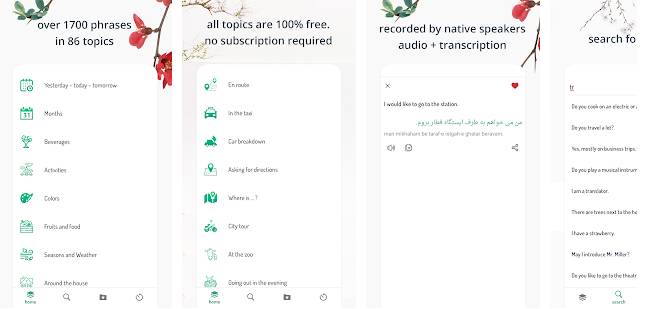
Does Babbel Offer Farsi as a Language Option?
As of now, Babbel does not offer Farsi (Persian) as one of its language courses. Babbel focuses primarily on widely spoken languages such as Spanish, French, German, and Italian, among others. While the platform is known for its comprehensive language-learning tools, Farsi has not been included in its curriculum. Here are some key points to consider:
- Babbel's language selection is tailored to popular and widely used languages.
- Farsi is not currently part of their language offerings.
- Users seeking to learn Farsi may need to explore alternative platforms or resources.
Why Doesn’t Babbel Include Farsi in Its Language Courses?
Babbel's decision to exclude Farsi may be influenced by several factors. The platform often prioritizes languages with a larger global audience or higher demand among its user base. Here are some possible reasons:
- Market demand for Farsi may be lower compared to other languages.
- Resource allocation for developing Farsi courses might not align with Babbel's current priorities.
- The complexity of Farsi script and grammar could pose challenges for course development.
What Are the Alternatives to Learn Farsi?
If you are interested in learning Farsi, there are several alternatives to Babbel that you can explore. These platforms and resources cater specifically to Farsi learners and provide structured lessons. Consider the following options:
- Pimsleur: Offers audio-based Farsi courses for beginners.
- Rosetta Stone: Provides immersive Farsi lessons with a focus on speaking and listening.
- Online tutors: Platforms like iTalki or Preply connect learners with native Farsi speakers for personalized lessons.
How Does Babbel Decide Which Languages to Offer?
Babbel's language selection process is based on a combination of factors, including user demand, market research, and feasibility. The platform aims to provide high-quality courses for languages that are most sought after by its audience. Key considerations include:
- User feedback and requests for specific languages.
- Global relevance and the number of speakers for a particular language.
- Resource availability for developing and maintaining courses.
Can You Request Farsi to Be Added to Babbel?
While Babbel does not currently offer Farsi, users can submit requests for new languages to be added. The platform occasionally updates its language offerings based on user interest and demand. Here’s how you can make a request:
- Visit Babbel's official website and navigate to their support or contact section.
- Submit a language request through their feedback form or customer service channels.
- Encourage others to request Farsi to increase the likelihood of it being added in the future.
Frequently Asked Questions From our Community
Does Duolingo offer Farsi as a language course?
Duolingo does not currently offer Farsi (also known as Persian) as a language course. While the platform provides a wide range of languages, including some less commonly taught ones, Farsi has not yet been added to its catalog. This may be due to the complexity of the language, the availability of resources, or the demand for Farsi courses compared to other languages.
Why isn't Farsi available on Duolingo?
The absence of Farsi on Duolingo could be attributed to several factors. Developing a language course requires significant resources, including native speakers, linguists, and time to create engaging and accurate content. Additionally, Duolingo may prioritize languages with higher demand or those that align with their strategic goals. While Farsi is spoken by millions worldwide, it may not yet meet the threshold for inclusion on the platform.
What are the best alternatives to Duolingo for learning Farsi?
If you're looking to learn Farsi, there are several alternatives to Duolingo that can help you achieve your goals. Platforms like Mango Languages, Pimsleur, and Rosetta Stone offer comprehensive Farsi courses. Additionally, apps like Memrise and Drops can help with vocabulary building. For a more immersive experience, consider working with a tutor on platforms like iTalki or Preply, where you can practice speaking with native Farsi speakers.
Are there any free resources for learning Farsi online?
Yes, there are several free resources available for learning Farsi online. Websites like Persian Language Online and Chai and Conversation offer free lessons, podcasts, and exercises. YouTube channels dedicated to teaching Farsi can also be a valuable resource. Additionally, language exchange platforms like Tandem or HelloTalk allow you to practice Farsi with native speakers for free, making it easier to improve your skills without spending money.
Leave a Reply
Related Posts