
Do You Speak Spanish? Benefits and Tips for Fluency


Spanish, one of the most widely spoken languages in the world, opens doors to rich cultures, diverse communities, and countless opportunities. Whether for travel, career advancement, or personal growth, learning Spanish offers numerous benefits, from enhancing cognitive abilities to fostering deeper connections with over 500 million speakers globally. However, achieving fluency requires dedication, practice, and effective strategies. This article explores the advantages of speaking Spanish and provides practical tips to help you master the language. From immersive experiences to consistent practice, discover how you can unlock the power of bilingualism and embrace the vibrant world of Spanish-speaking cultures.
Do You Speak Spanish? Benefits and Tips for Fluency
Learning Spanish is not just about mastering a new language; it’s about opening doors to new cultures, opportunities, and connections. Whether you’re a beginner or looking to improve your fluency, understanding the benefits and implementing effective tips can make the journey rewarding. Below, we explore the advantages of speaking Spanish and provide actionable advice to help you achieve fluency.
1. Why Should You Learn Spanish?
Spanish is one of the most widely spoken languages in the world, with over 580 million speakers globally. Learning Spanish can enhance your career prospects, especially in industries like tourism, education, and international business. Additionally, it allows you to connect with diverse cultures, making travel experiences more immersive and meaningful. Studies also show that bilingualism improves cognitive abilities, such as problem-solving and memory.
See AlsoDuolingo Vocabulary Building Tips: From Beginner to Fluent2. How Does Spanish Improve Your Career Opportunities?
In today’s globalized world, being bilingual is a valuable skill. Spanish is the second most spoken language in the world, and many companies seek employees who can communicate with Spanish-speaking clients or partners. Industries like healthcare, education, and customer service often prioritize bilingual candidates. Moreover, learning Spanish can open doors to job opportunities in Latin America and Spain, where the language is dominant.
| Industry | Benefits of Spanish |
|---|---|
| Healthcare | Better communication with Spanish-speaking patients |
| Education | Ability to teach or assist Spanish-speaking students |
| Customer Service | Improved client satisfaction and broader market reach |
3. What Are the Cognitive Benefits of Learning Spanish?
Learning a second language like Spanish has been proven to boost brain function. It enhances memory, attention span, and multitasking abilities. Bilingual individuals are also better at problem-solving and critical thinking. Furthermore, studies suggest that being bilingual can delay the onset of dementia and other age-related cognitive declines. These mental benefits make Spanish a worthwhile investment for your long-term health.
4. What Are the Best Tips for Achieving Fluency in Spanish?
Achieving fluency in Spanish requires consistent effort and the right strategies. Start by immersing yourself in the language through movies, music, and books. Practice speaking with native speakers or join language exchange programs. Use language-learning apps like Duolingo or Babbel to build vocabulary and grammar skills. Additionally, set realistic goals and track your progress to stay motivated. Remember, consistency is key to mastering any language.
See AlsoHow to become fluent in Chinese5. How Can Immersion Help You Learn Spanish Faster?
Immersion is one of the most effective ways to learn Spanish quickly. Surround yourself with the language by watching Spanish TV shows, listening to Spanish podcasts, or reading Spanish newspapers. Traveling to a Spanish-speaking country can also accelerate your learning, as it forces you to use the language in real-life situations. Immersion helps you pick up colloquial expressions and improves your listening comprehension, making you more confident in conversations.
| Immersion Method | Benefits |
|---|---|
| Watching TV Shows | Improves listening skills and cultural understanding |
| Listening to Podcasts | Enhances vocabulary and pronunciation |
| Traveling Abroad | Provides real-life practice and cultural exposure |
How does speaking Spanish benefit you?

Enhanced Communication Skills
Speaking Spanish significantly improves your ability to communicate with a broader range of people. This is particularly beneficial in multicultural environments or when traveling to Spanish-speaking countries. Here are some key points:
See Also15 Interesting Facts About Chinese Culture- Broader Reach: Spanish is the second most spoken language in the world, allowing you to connect with over 500 million people globally.
- Improved Relationships: Speaking Spanish can help you build stronger relationships with Spanish-speaking colleagues, friends, and family members.
- Cultural Understanding: It enhances your understanding of different cultures, making interactions more meaningful and respectful.
Career Advancement Opportunities
Proficiency in Spanish can open up numerous career opportunities, especially in fields like international business, healthcare, and education. Here’s how:
- Competitive Edge: Bilingual candidates often have a competitive advantage in the job market.
- Global Opportunities: Many multinational companies value employees who can communicate in Spanish, especially in markets like Latin America and Spain.
- Higher Earning Potential: Bilingual employees may command higher salaries due to their additional language skills.
Improved Cognitive Abilities
Learning and speaking Spanish can have a positive impact on your cognitive functions. Here’s why:
- Enhanced Memory: Bilingual individuals often have better memory retention and recall abilities.
- Problem-Solving Skills: Speaking multiple languages can improve your ability to think critically and solve problems.
- Delayed Cognitive Decline: Studies suggest that bilingualism can delay the onset of dementia and other age-related cognitive declines.
Cultural Enrichment
Speaking Spanish allows you to immerse yourself in the rich cultures of Spanish-speaking countries. Here’s how it enriches your life:
See AlsoMastering the “Where Are You From?” Conversation in Spanish with Duolingo- Access to Literature and Media: You can enjoy Spanish literature, films, and music in their original language, gaining deeper insights.
- Travel Experiences: Speaking Spanish enhances your travel experiences, allowing you to interact more authentically with locals.
- Cultural Appreciation: It fosters a greater appreciation for the traditions, history, and customs of Spanish-speaking cultures.
Personal Growth and Confidence
Mastering Spanish can lead to significant personal growth and increased self-confidence. Here’s how:
- Sense of Achievement: Learning a new language is a challenging but rewarding endeavor that boosts your self-esteem.
- Adaptability: It enhances your ability to adapt to new environments and situations, making you more resilient.
- Expanded Worldview: Speaking Spanish broadens your perspective, making you more open-minded and empathetic towards others.
How do I improve my Spanish fluency?
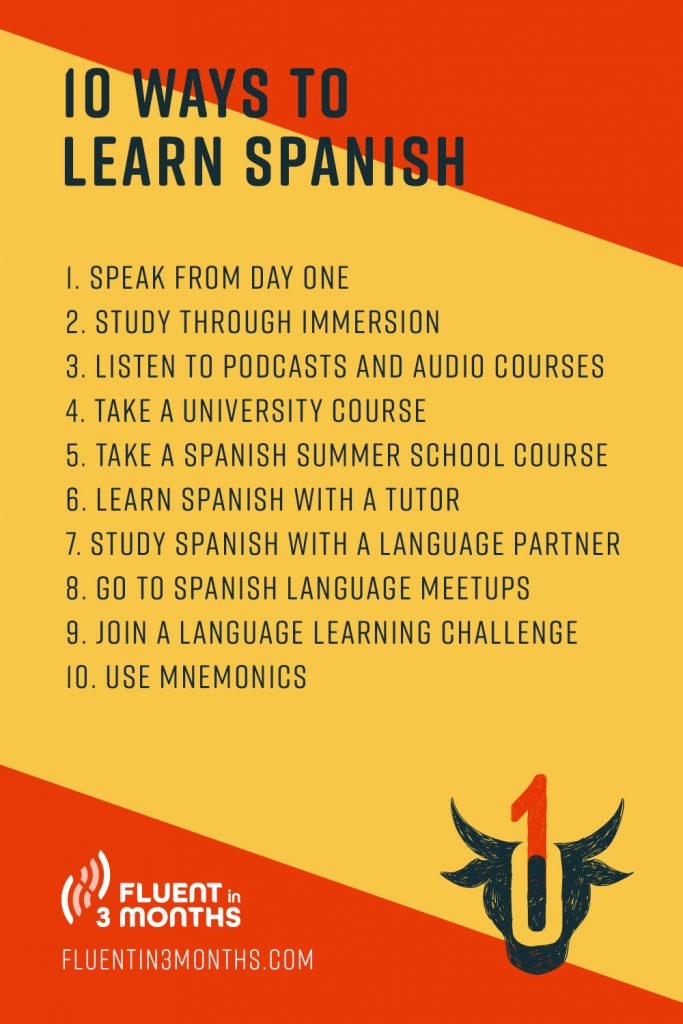
Immerse Yourself in the Language
To improve your Spanish fluency, immerse yourself in the language as much as possible. Surround yourself with Spanish in your daily life to enhance your understanding and speaking skills.
- Watch Spanish movies and TV shows with subtitles to improve listening and comprehension.
- Listen to Spanish music and podcasts to get used to different accents and vocabulary.
- Change your phone and social media settings to Spanish to practice reading and thinking in the language.
Practice Speaking Regularly
Speaking is crucial for fluency. Regular practice helps you gain confidence and improve your pronunciation and conversational skills.
- Find a language partner or join a language exchange group to practice speaking with native speakers.
- Use language learning apps like Tandem or HelloTalk to connect with Spanish speakers worldwide.
- Record yourself speaking and compare it to native speakers to identify areas for improvement.
Expand Your Vocabulary
Building a strong vocabulary is essential for fluency. Focus on learning words and phrases that are relevant to your daily life and interests.
- Learn new words daily using flashcards or apps like Anki or Quizlet.
- Read Spanish books, newspapers, or blogs to encounter new vocabulary in context.
- Practice using new words in sentences to reinforce your memory and understanding.
Focus on Grammar and Sentence Structure
Understanding grammar and sentence structure is key to speaking fluently and correctly. Dedicate time to mastering these aspects of the language.
- Study Spanish grammar rules using textbooks or online resources like SpanishDict.
- Practice writing sentences and paragraphs to apply grammar rules in context.
- Take online quizzes or tests to assess your grammar knowledge and identify weak areas.
Travel to a Spanish-Speaking Country
Traveling to a Spanish-speaking country provides an immersive experience that accelerates your learning and fluency.
- Engage with locals in everyday situations like ordering food or asking for directions.
- Take a language course at a local school or institute to combine formal learning with real-life practice.
- Explore the culture to better understand the context and nuances of the language.
How a person benefits personally when they speak Spanish?
Enhanced Communication Skills
Speaking Spanish allows individuals to communicate with over 580 million native speakers worldwide. This skill opens doors to meaningful interactions and fosters deeper connections. Key benefits include:
- Improved interpersonal relationships with Spanish-speaking friends, family, or colleagues.
- Ability to engage in diverse cultural exchanges, enhancing empathy and understanding.
- Opportunities to travel confidently in Spanish-speaking countries without language barriers.
Career Advancement Opportunities
Proficiency in Spanish can significantly boost professional prospects. Many industries value bilingual employees for their ability to bridge language gaps. Benefits include:
- Increased employability in global companies with Spanish-speaking markets.
- Access to higher-paying jobs that require bilingual skills.
- Ability to negotiate and network with Spanish-speaking clients or partners.
Cognitive and Mental Benefits
Learning and speaking Spanish has been shown to improve brain function and mental agility. Key advantages include:
- Enhanced memory and problem-solving skills due to bilingual brain activity.
- Delayed onset of cognitive decline and diseases like Alzheimer's.
- Improved multitasking abilities and mental flexibility.
Cultural Appreciation and Understanding
Speaking Spanish provides a deeper appreciation for the rich cultures of Spanish-speaking countries. This includes:
- Access to literature, music, and films in their original language.
- Understanding of cultural nuances and traditions.
- Ability to participate in festivals and events with a deeper connection.
Personal Growth and Confidence
Mastering Spanish contributes to personal development and self-esteem. Benefits include:
- Increased confidence in learning and using a new language.
- A sense of accomplishment from achieving fluency.
- Broader perspective on the world and one's place in it.
What are the benefits of Spanish?
Enhanced Communication Skills
Learning Spanish significantly improves your ability to communicate with a vast number of people worldwide. Spanish is the second most spoken language by native speakers, making it a valuable tool for both personal and professional interactions.
- Global Reach: Spanish is spoken by over 580 million people globally, providing access to diverse cultures and communities.
- Business Opportunities: Proficiency in Spanish can open doors to markets in Latin America and Spain, enhancing career prospects.
- Cultural Understanding: Speaking Spanish allows for deeper engagement with Hispanic cultures, enriching travel and social experiences.
Cognitive Benefits
Studying Spanish has been shown to offer numerous cognitive advantages, enhancing mental agility and problem-solving skills.
- Improved Memory: Learning a new language like Spanish can boost memory retention and recall abilities.
- Enhanced Multitasking: Bilingual individuals often exhibit better multitasking skills due to improved cognitive flexibility.
- Delayed Cognitive Decline: Studies suggest that bilingualism can delay the onset of dementia and other age-related cognitive disorders.
Academic Advantages
Spanish language skills can provide significant academic benefits, from improved performance in other subjects to increased opportunities for study abroad.
- Higher Test Scores: Students who study Spanish often perform better on standardized tests, including the SAT and ACT.
- Study Abroad Opportunities: Proficiency in Spanish can facilitate participation in exchange programs in Spanish-speaking countries.
- Broader Academic Horizons: Knowledge of Spanish can enhance understanding of literature, history, and social sciences.
Cultural Enrichment
Learning Spanish opens up a world of cultural experiences, from literature and music to film and cuisine.
- Access to Literature: Spanish literature, from Cervantes to García Márquez, becomes accessible in its original language.
- Music and Film: Understanding Spanish allows for a deeper appreciation of Hispanic music genres and films.
- Culinary Exploration: Spanish language skills can enhance your experience of Hispanic cuisines, from tapas to tacos.
Personal Growth
Mastering Spanish can lead to significant personal development, fostering confidence and a sense of achievement.
- Increased Confidence: Successfully learning a new language boosts self-esteem and confidence in one's abilities.
- Broader Perspective: Understanding Spanish can provide a more global perspective, enhancing empathy and cultural sensitivity.
- Lifelong Learning: The process of learning Spanish encourages a mindset of continuous education and curiosity.
Frequently Asked Questions From our Community
What are the benefits of speaking Spanish fluently?
Speaking Spanish fluently offers numerous benefits, both personally and professionally. On a personal level, it allows you to connect with over 500 million native speakers worldwide, enhancing your ability to travel, make friends, and understand diverse cultures. Professionally, being bilingual in Spanish can open doors to job opportunities in industries like education, healthcare, and international business. Additionally, studies show that learning a second language like Spanish can improve cognitive abilities, such as memory and problem-solving skills.
How long does it take to become fluent in Spanish?
The time it takes to achieve fluency in Spanish depends on several factors, including your dedication, the amount of time you spend practicing, and your prior experience with languages. On average, it can take anywhere from 6 months to 2 years of consistent study and practice to reach a conversational level of fluency. Immersion programs or living in a Spanish-speaking country can significantly accelerate this process. However, achieving advanced fluency may take several more years of continuous learning and real-world application.
What are the best tips for improving Spanish fluency?
To improve your Spanish fluency, focus on consistent practice and immersion. Start by incorporating daily habits like listening to Spanish podcasts, watching Spanish TV shows, or reading books in Spanish. Speaking with native speakers, either through language exchange programs or online platforms, is crucial for improving pronunciation and conversational skills. Additionally, using language-learning apps and taking formal classes can provide structured guidance. Don’t be afraid to make mistakes—learning from them is a key part of the process.
Is it necessary to live in a Spanish-speaking country to become fluent?
While living in a Spanish-speaking country can greatly enhance your language acquisition due to constant exposure and immersion, it is not strictly necessary to become fluent. With the right resources and dedication, you can achieve fluency from anywhere. Online platforms, language exchange programs, and virtual immersion tools can simulate the experience of being in a Spanish-speaking environment. However, if you have the opportunity to live abroad, it can provide invaluable real-world practice and cultural insights that accelerate your learning.
Leave a Reply
Related Posts