
Is your flashcard deck too big for your own good?

Flashcards are a powerful tool for learning, but an oversized deck can quickly become overwhelming. While it’s tempting to keep adding new cards, a bloated collection may hinder retention, increase review time, and lead to frustration. The key to effective spaced repetition lies in quality, not quantity—focusing on high-yield information while trimming redundant or low-priority cards. If your reviews feel endless or your motivation is dropping, it might be time to reassess your deck’s size. Streamlining your flashcards can boost efficiency, improve recall, and make learning more manageable. So, is your flashcard deck working for you—or against you?
Is Your Flashcard Deck Too Big for Your Own Good?
The Problem with Overly Large Flashcard Decks
Having an excessively large flashcard deck can lead to cognitive overload, making it harder to retain information effectively. When the number of cards exceeds your capacity to review them consistently, spaced repetition becomes less efficient. This results in wasted time and diminished learning outcomes. Below is a table summarizing the key issues:
| Issue | Impact |
|---|---|
| Too many cards | Overwhelms memory retention |
| Irregular reviews | Reduces long-term recall |
| Unfocused content | Dilutes learning priorities |
Signs Your Flashcard Deck Is Too Big
If you notice any of the following signs, your flashcard deck might be counterproductive: frequent skipped reviews, difficulty recalling older cards, or feeling overwhelmed before study sessions. Below is a table highlighting common indicators:
See AlsoWho Has The Most XP On Duolingo? Top Users Ranked In 2025| Sign | Implication |
|---|---|
| Missed review sessions | Deck is unmanageable |
| Low retention rates | Ineffective learning |
| Procrastination | Lack of motivation |
How to Optimize Your Flashcard Deck Size
To improve efficiency, consider splitting large decks into smaller, topic-specific sets. Prioritize high-yield information and remove redundant or low-priority cards. Below is a table with optimization strategies:
| Strategy | Benefit |
|---|---|
| Divide by topic | Easier review sessions |
| Delete outdated cards | Reduces clutter |
| Focus on weaknesses | Targets knowledge gaps |
The Role of Spaced Repetition in Deck Management
Spaced repetition systems (SRS) work best with manageable deck sizes. Overloading your SRS with too many cards disrupts the optimal review intervals, leading to inefficient learning. Below is a table explaining the relationship:
| Factor | Effect on SRS |
|---|---|
| Excessive cards | Delays review cycles |
| Balanced deck | Enhances retention |
| Consistent reviews | Maximizes SRS efficiency |
Tools and Techniques to Keep Decks Manageable
Use tools like Anki or Quizlet to track card statistics and identify areas for reduction. Implement active recall techniques to ensure quality over quantity. Below is a table of useful tools and methods:
See AlsoChinese Invention: 9 Things China Gave The World| Tool/Technique | Purpose |
|---|---|
| Deck analytics | Monitor card performance |
| Tagging system | Organize cards efficiently |
| Regular pruning | Maintain deck relevance |
How big should a flashcard deck be?
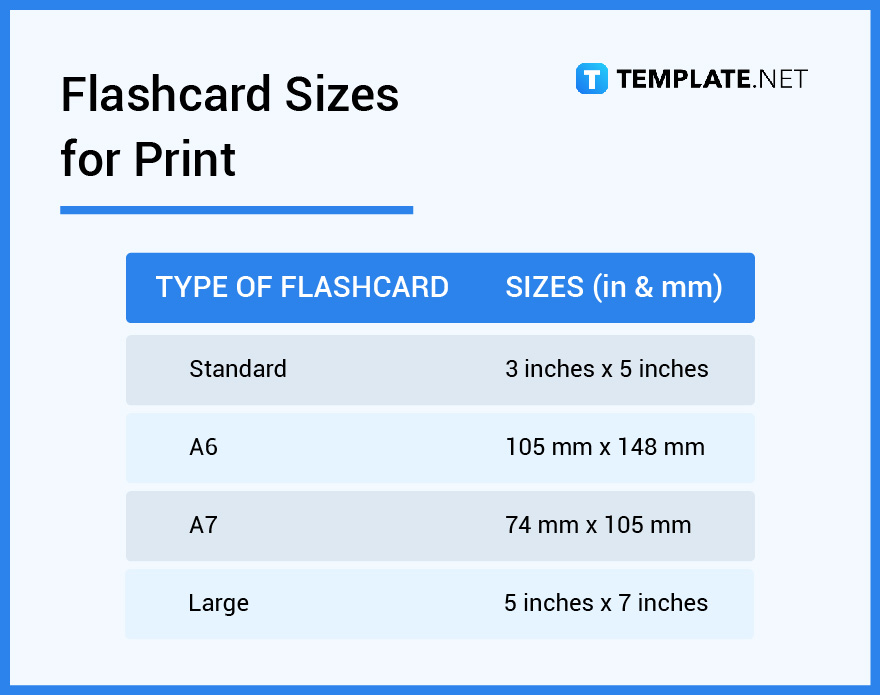
Optimal Flashcard Deck Size for Effective Learning
The optimal size of a flashcard deck depends on the complexity of the material and your learning goals. Research suggests that smaller decks (around 20–30 cards) are more manageable and improve retention. Here’s why:
- Focus: Smaller decks prevent cognitive overload, allowing deeper engagement with each card.
- Retention: Breaking material into chunks aligns with the brain’s working memory limits.
- Review efficiency: Easier to revisit and master a compact set before expanding.
Balancing Quantity and Quality in Flashcard Decks
While it’s tempting to create large decks, quality matters more than quantity. A deck with 50+ cards risks becoming unwieldy. Consider these factors:
See AlsoHow to Prepare for a Chinese Test- Relevance: Include only cards addressing key concepts or frequent mistakes.
- Clarity: Each card should have a single, clear question or prompt.
- Spaced repetition: Larger decks may delay reviews, reducing effectiveness.
Subject-Specific Recommendations for Deck Size
Different subjects require adjustments in deck size. For example:
- Vocabulary: Decks of 30–50 cards work well for language learning.
- Medical/legal terms: Complex material may need smaller decks (15–20 cards).
- Math/formulas: Group related concepts into 10–15 card mini-decks.
Adjusting Deck Size Based on Learning Stage
Your deck size should evolve with your proficiency:
- Beginner: Start with 10–20 cards to build confidence.
- Intermediate: Expand to 30–40 cards as familiarity grows.
- Advanced: Merge or prune decks to focus on weak areas.
Tools and Techniques to Manage Large Flashcard Decks
If your material requires many cards, use these strategies:
- Subdecks: Divide a 100-card deck into thematic 20-card sets.
- Tags/filters: Organize by difficulty or priority for targeted review.
- Digital tools: Apps like Anki automate spacing and track progress.
Is making your own flashcards better?

Why Creating Your Own Flashcards Enhances Learning
Making your own flashcards allows for active engagement with the material, reinforcing memory retention. When you write the content yourself, you process the information more deeply. Here’s why:
- Personalization: Tailor the cards to your learning style, focusing on areas you struggle with.
- Better recall: The act of writing helps encode information into long-term memory.
- Flexibility: Adjust the complexity or format based on your progress.
How DIY Flashcards Compare to Pre-Made Ones
Pre-made flashcards save time, but custom-made cards often yield better results. Here’s how they differ:
- Relevance: DIY cards target your specific gaps, while pre-made ones may include unnecessary details.
- Engagement: Creating cards forces you to interact with the material early in the learning process.
- Adaptability: You can update or expand your cards as needed, unlike static pre-made sets.
The Role of Creativity in Flashcard Effectiveness
Adding visual or mnemonic elements to your flashcards can boost retention. Creativity makes learning more enjoyable and memorable:
- Visual aids: Draw diagrams or use colors to highlight key points.
- Mnemonics: Incorporate acronyms or stories to simplify complex ideas.
- Organization: Group related cards by themes or difficulty levels for structured review.
Time Investment: Is Making Flashcards Worth It?
While creating flashcards takes time, the long-term benefits often outweigh the initial effort. Consider these factors:
- Efficiency: Focused card creation avoids wasting time on irrelevant content.
- Retention: The time spent making cards pays off with faster recall during reviews.
- Scalability: Reuse and refine your cards for future study sessions.
Tools and Techniques for Optimal Flashcard Creation
Using the right tools and methods can maximize the effectiveness of your flashcards. Here are some tips:
- Digital vs. physical: Apps like Anki offer spaced repetition, while paper cards reduce screen time.
- Consistency: Stick to a clear format (e.g., one question per card) to avoid confusion.
- Review schedule: Pair flashcards with active recall and spaced repetition techniques.
What are the disadvantages of flash cards?

Limited Contextual Learning
Flash cards often focus on isolated facts or memorization, which can hinder deeper understanding. Since they present information in small chunks, learners may struggle to grasp broader concepts or connections between ideas.
- Encourages rote learning instead of critical thinking.
- May lack real-world application or examples.
- Difficult to convey complex relationships between topics.
Time-Consuming Creation Process
Designing effective flash cards requires significant time and effort, especially for large volumes of material. This can be a barrier for learners who need quick study solutions.
- Handwritten cards are labor-intensive to produce.
- Digital tools may require technical skills or subscriptions.
- Risk of inefficient formatting if not organized properly.
Over-Reliance on Passive Recall
Flash cards primarily test memory retrieval, which may not translate to active learning or problem-solving skills. This can create a false sense of mastery.
- May neglect higher-order thinking (e.g., analysis, synthesis).
- Encourages short-term retention over long-term understanding.
- Less effective for open-ended questions or discussions.
Potential for Incomplete Information
Due to space constraints, flash cards often omit nuanced details or exceptions, leading to oversimplified knowledge.
- May exclude important caveats or context.
- Risk of misinterpretation if facts are overly condensed.
- Difficult to represent multi-faceted topics accurately.
Diminished Engagement Over Time
Repeated use of flash cards can become monotonous, reducing motivation and retention efficiency.
- Lack of interactive elements (e.g., videos, discussions).
- May feel repetitive for visual or kinesthetic learners.
- Limited feedback mechanisms compared to other study methods.
What is the ideal number of flashcards?
What Factors Determine the Ideal Number of Flashcards?
The ideal number of flashcards depends on several factors, including the complexity of the material and the learner's retention capacity. Here are key considerations:
- Subject difficulty: Complex topics may require fewer cards to avoid cognitive overload.
- Time available: More cards can be manageable if spaced over longer study sessions.
- Memory retention: Individual ability to recall information influences the optimal quantity.
How Many Flashcards Should Beginners Use?
For beginners, starting with a smaller set ensures focus and prevents frustration. Recommendations include:
- 20–30 cards per session: A manageable range for new learners.
- Gradual increase: Add 5–10 cards weekly as confidence grows.
- Priority on mastery: Focus on quality over quantity.
What’s the Maximum Number of Flashcards for Effective Learning?
While there’s no strict limit, exceeding 50–100 cards per day may reduce effectiveness. Key points:
- Diminishing returns: Too many cards can lead to superficial learning.
- Spaced repetition: Larger decks require systematic review schedules.
- Personal thresholds: Adjust based on fatigue or declining recall rates.
How Does Spaced Repetition Affect Flashcard Quantity?
Spaced repetition systems (SRS) optimize card counts by prioritizing retention. Considerations:
- Algorithm adjustments: SRS software dynamically limits daily reviews.
- Active vs. mature cards: New cards should not exceed 10–20% of reviews.
- Long-term retention: Fewer, well-timed cards outperform mass memorization.
Can Flashcard Quantity Vary by Subject?
Absolutely—subject matter heavily influences ideal deck sizes. Examples:
- Vocabulary: 30–50 cards daily work well for language learning.
- Medical facts: Dense material may require 10–20 cards per subtopic.
- Procedural skills: Fewer cards with diagrams or steps are more effective.
Frequently Asked Questions (FAQ)
How can a large flashcard deck negatively impact my learning?
A large flashcard deck can overwhelm your cognitive load, making it harder to retain information effectively. When you have too many cards, your brain struggles to prioritize what’s most important, leading to diminished focus and slower progress. Additionally, reviewing an excessive number of cards can become time-consuming, reducing the efficiency of your study sessions and increasing the risk of burnout.
What are the signs that my flashcard deck is too big?
If you find yourself dreading review sessions, constantly skipping cards, or feeling like you’re not making progress, your deck may be too large. Other signs include frequent forgetting of previously learned material or spending more time managing your deck than actually studying. A well-sized deck should feel manageable and reinforce learning, not create stress.
How can I reduce the size of my flashcard deck without losing important information?
Start by prioritizing cards based on relevance and difficulty. Remove duplicates, overly simple cards, or those covering rarely used concepts. You can also merge related cards into broader questions or use tags to categorize them for focused study sessions. Another strategy is to split your deck into smaller, topic-specific decks to make reviews more targeted and efficient.
What’s the ideal size for a flashcard deck to maximize learning efficiency?
While the ideal size varies by individual, a good rule of thumb is to keep decks between 20-50 cards per topic or session. Smaller decks allow for focused repetition, ensuring better retention and less cognitive overload. If you’re studying a broad subject, break it into multiple smaller decks to maintain clarity and avoid overwhelming yourself with too much information at once.
Leave a Reply
Related Posts