
Whom should you trust for advice about learning Chinese?

Learning Chinese is a rewarding yet challenging journey, and finding reliable advice is crucial for success. With countless resources, tutors, and methods available, it’s easy to feel overwhelmed. Should you trust language apps, formal teachers, polyglots, or fellow learners? Each source offers unique insights, but not all advice is equally valuable. Expertise, experience, and teaching style play key roles in determining credibility. This article explores whom to trust when seeking guidance on mastering Chinese, helping you navigate conflicting opinions and identify the most effective strategies. Whether you're a beginner or advancing your skills, making informed choices will accelerate your progress and enhance your learning experience.
Whom Should You Trust for Advice About Learning Chinese?
1. Native Chinese Speakers
Native speakers provide authentic insights into pronunciation, colloquial expressions, and cultural nuances. They can correct mistakes that non-native speakers might overlook. However, not all natives are effective teachers—look for those with teaching experience or language coaching backgrounds.
| Pros | Cons |
|---|---|
| Accurate pronunciation and idioms | May lack structured teaching methods |
| Cultural context | Potential bias toward regional dialects |
2. Certified Language Teachers
Certified teachers follow pedagogical frameworks and understand learning curves. They design lessons for progressive skill-building, unlike casual tutors. Verify credentials like HSK certification or degrees in Chinese linguistics.
See AlsoHow to reach a decent level of Chinese in 100 days| Pros | Cons |
|---|---|
| Structured curriculum | Can be expensive |
| Error correction techniques | Less focus on slang/modern usage |
3. Polyglots and Language Influencers
Polyglots like Luca Lampariello or Steve Kaufmann share proven strategies. Their advice is grounded in multilingual experience, but their Chinese proficiency levels vary. Cross-check their methods with native sources.
| Pros | Cons |
|---|---|
| Practical learning hacks | May overgeneralize techniques |
| Motivational success stories | Possible self-promotion bias |
4. Academic Institutions
Universities like Beijing Language and Culture University offer research-backed programs. Their materials are standardized but may lack flexibility for casual learners. Ideal for those pursuing formal qualifications.
| Pros | Cons |
|---|---|
| Credible certifications | Rigid schedules |
| Comprehensive resources | Higher costs |
5. Online Communities and Forums
Platforms like Reddit’s r/ChineseLanguage or HelloTalk provide crowdsourced advice. Real learners share unfiltered experiences, but misinformation exists. Verify tips with multiple users.
See AlsoLearn Chinese While Working Full Time Is It Possible?| Pros | Cons |
|---|---|
| Diverse perspectives | Quality varies |
| Free or low-cost | No accountability |
How long does it realistically take to learn Chinese?

Factors That Influence the Time to Learn Chinese
The time it takes to learn Chinese varies based on several factors:
- Prior language experience: Knowing other tonal languages like Vietnamese or Thai can speed up the process.
- Study intensity: Dedication matters—full-time learners progress faster than casual ones.
- Learning methods: Immersion programs yield quicker results than self-study alone.
Basic Proficiency: Reaching HSK 1-2
Achieving basic proficiency (HSK 1-2) typically takes:
See AlsoCan You Actually Learn a Language with Duolingo?- 3-6 months with consistent daily practice (1-2 hours).
- Focus areas: Simple phrases, pinyin, and essential characters.
- Challenges: Tones and character recognition are early hurdles.
Intermediate Level: HSK 3-4
Reaching intermediate fluency (HSK 3-4) generally requires:
- 1-2 years of structured study.
- Key skills: Expanded vocabulary (1,200+ words) and basic grammar mastery.
- Practice: Conversational practice and reading simple texts are crucial.
Advanced Fluency: HSK 5-6
Attaining advanced fluency (HSK 5-6) often demands:
- 3-5 years of dedicated effort.
- Complexity: Handling abstract topics and 2,500+ characters.
- Immersion: Living in a Chinese-speaking environment accelerates progress.
Mastery and Near-Native Proficiency
Achieving near-native proficiency may take:
See AlsoDon’t be a tourist if you want to learn Chinese- 5+ years of intensive study and cultural immersion.
- Refinement: Idiomatic expressions, advanced writing, and nuanced tones.
- Continuous learning: Even natives keep refining their language skills.
Should an American learn Chinese?
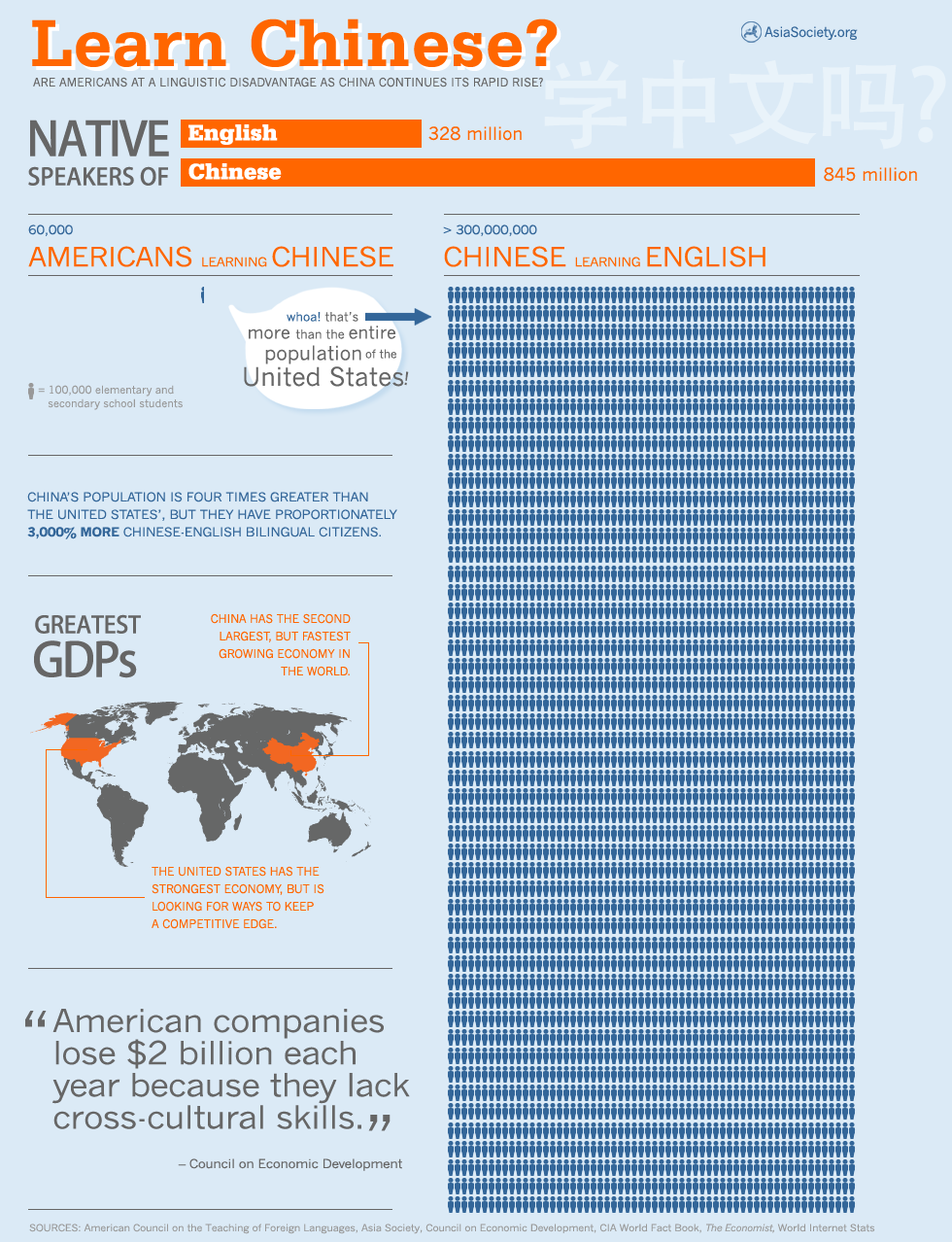
Why Should an American Learn Chinese?
Learning Chinese offers numerous benefits for Americans, especially in today's globalized world. Here are some key reasons:
- Economic opportunities: China is a major global economy, and knowing the language can open doors to business and career advancements.
- Cultural understanding: Mastering Chinese allows deeper engagement with one of the world's oldest and richest cultures.
- Competitive edge: Bilingualism, especially in a less commonly studied language, enhances resumes and professional profiles.
Is Chinese Difficult for English Speakers to Learn?
While Chinese presents challenges, it is manageable with dedication. Key aspects to consider:
See AlsoBest Chinese Movies to Learn Chinese- Tones: Mandarin uses four tones, which can be tricky for English speakers to master.
- Characters: The writing system is logographic, requiring memorization of thousands of characters.
- Grammar: Chinese grammar is simpler than English in some ways, lacking verb conjugations or tenses.
How Can Learning Chinese Benefit an American Career?
Proficiency in Chinese can significantly boost career prospects. Here’s how:
- Global business: Many multinational companies value employees who can communicate with Chinese partners.
- Government roles: Agencies like the State Department or CIA seek Mandarin speakers for diplomatic and intelligence work.
- Tech and innovation: China leads in technology, and knowing the language provides access to cutting-edge developments.
What Are the Best Ways to Learn Chinese?
Effective strategies for learning Chinese include:
- Immersion programs: Studying in China or Taiwan accelerates fluency through real-world practice.
- Language apps: Tools like Duolingo or HelloChinese offer structured lessons for beginners.
- Tutoring: Personalized instruction helps with pronunciation and complex concepts.
What Challenges Might Americans Face When Learning Chinese?
Americans may encounter specific hurdles when studying Chinese:
- Pronunciation: Tones and unfamiliar sounds can be difficult to replicate accurately.
- Time commitment: Achieving fluency requires consistent practice over years.
- Cultural differences: Understanding idioms and context demands familiarity with Chinese customs.
Frequently Asked Questions (FAQ)
Who are the most reliable sources for advice on learning Chinese?
When seeking advice on learning Chinese, qualified language teachers and experienced tutors are among the most reliable sources. These professionals have structured methodologies and firsthand knowledge of common challenges learners face. Additionally, academic institutions and language schools often provide well-researched resources. For self-learners, polyglots or fluent speakers who share their learning journeys online can offer practical tips, but always verify their credentials.
Should I trust online forums or apps for Chinese learning advice?
Online forums and apps can be useful, but their reliability varies. Language-learning communities like Reddit or specialized forums may provide crowdsourced insights, but be cautious of misinformation or outdated methods. Apps like Duolingo or HelloTalk offer structured lessons or peer interactions, but they should complement—not replace—formal study. Always cross-check advice with established educational sources.
Are native Chinese speakers always the best advisors for learning the language?
While native speakers understand the language intuitively, they may not always be the best teachers unless they have teaching experience. Some may overlook grammar explanations or struggle with breaking down complex concepts. Instead, seek bilingual educators or linguists who can bridge the gap between native fluency and effective instruction. However, native speakers are invaluable for pronunciation practice and cultural context.
How can I identify trustworthy online courses for learning Chinese?
Look for courses offered by reputable platforms like Coursera, edX, or universities with verified credentials. Check for student reviews, structured curricula, and whether the course includes interactive components like speaking practice. Avoid programs promising fluency in an unrealistically short time. Trusted courses often feature certified instructors and align with standardized proficiency tests like HSK (Hanyu Shuiping Kaoshi).
Leave a Reply
Related Posts