
Improving your Chinese while watching TV shows

Watching TV shows is an engaging and effective way to improve your Chinese language skills. By immersing yourself in authentic dialogue, cultural contexts, and natural speech patterns, you can enhance vocabulary, listening comprehension, and pronunciation. Whether you prefer dramas, comedies, or reality shows, each genre offers unique opportunities to learn colloquial expressions and formal phrases. Subtitles can serve as a helpful tool, allowing you to match spoken words with written text. Regular exposure to native speakers will sharpen your ear and boost confidence in real-life conversations. With consistency and active listening, TV shows can transform your Chinese learning experience into an enjoyable and rewarding journey.
- How to Improve Your Chinese by Watching TV Shows
- Does watching Chinese shows improve Chinese?
- What should I watch to improve Chinese?
- How long does it take to improve Chinese?
-
Does watching TV shows in another language help you learn?
- How Does Watching TV Shows in Another Language Improve Listening Skills?
- Can Subtitles Enhance Language Learning While Watching Foreign TV Shows?
- What Types of TV Shows Are Best for Learning a New Language?
- How Often Should You Watch TV Shows to See Language Improvement?
- What Are the Common Challenges When Learning Through TV Shows?
- Frequently Asked Questions (FAQ)
How to Improve Your Chinese by Watching TV Shows
1. Choose the Right TV Shows for Your Level
Selecting appropriate TV shows is crucial for effective learning. Beginners should start with children's programs or sitcoms that use simple language, while advanced learners can challenge themselves with historical dramas or news programs. Look for shows with subtitles in both Chinese and your native language to enhance comprehension.
| Level | Recommended Shows |
|---|---|
| Beginner | Peppa Pig (Chinese dub), Pleasant Goat and Big Big Wolf |
| Intermediate | Home with Kids, Meteor Garden |
| Advanced | The Story of Minglan, Nirvana in Fire |
2. Use Active Watching Techniques
Passive watching won't significantly improve your Chinese. Instead, practice active listening by repeating phrases aloud, pausing to look up unfamiliar words, and taking notes. Focus on pronunciation and intonation by mimicking the actors' speech patterns. Keep a vocabulary notebook specifically for words and expressions you learn from shows.
See AlsoHow translation to another language can help you learn Chinese| Technique | Benefit |
|---|---|
| Shadowing | Improves pronunciation and fluency |
| Pause and Repeat | Enhances retention of new vocabulary |
| Note-taking | Creates personalized learning materials |
3. Leverage Subtitles Effectively
Subtitles can be powerful learning tools when used strategically. Start with English subtitles, then progress to Chinese subtitles, and eventually try watching without any subtitles. Use the two-step subtitle method: first watch for general understanding, then rewatch while focusing on language details. Many streaming platforms allow you to adjust subtitle speed for better comprehension.
| Subtitle Stage | Learning Focus |
|---|---|
| Native Language | Understanding plot and context |
| Chinese Characters | Character recognition and vocabulary |
| No Subtitles | Listening comprehension and fluency |
4. Focus on Practical Vocabulary and Slang
TV shows expose you to real-life conversations and contemporary slang that textbooks often miss. Pay special attention to common expressions, idioms, and cultural references. Create flashcards for useful phrases you encounter, noting the context in which they're used. This approach helps you learn language that's actually spoken in daily Chinese life.
| Category | Examples from TV |
|---|---|
| Greetings | 吃了吗?(Have you eaten?) |
| Slang | 靠谱 (reliable), 给力 (awesome) |
| Idioms | 一举两得 (kill two birds with one stone) |
5. Create a Structured Learning Routine
Consistency is key to language improvement. Set up a regular watching schedule, such as 30 minutes daily or specific episodes on weekends. Combine watching with follow-up activities like summarizing episodes in Chinese, discussing them with language partners, or writing about characters and plots. Track your progress by noting how much you can understand without subtitles over time.
See AlsoTop 5 Chinese Lucky Number Combinations| Activity | Frequency | Time |
|---|---|---|
| Active Watching | Daily | 20-30 minutes |
| Vocabulary Review | 3 times/week | 15 minutes |
| Speaking Practice | 2 times/week | 20 minutes |
Does watching Chinese shows improve Chinese?

How Does Watching Chinese Shows Enhance Language Learning?
Watching Chinese shows can significantly improve language skills by exposing learners to authentic dialogue, cultural context, and pronunciation. Here’s how:
- Listening Comprehension: Regular exposure helps tune the ear to tones and natural speech patterns.
- Vocabulary Expansion: Learners pick up colloquial phrases and formal terms used in real-life scenarios.
- Cultural Nuances: Understanding humor, idioms, and social cues becomes easier through context.
What Types of Chinese Shows Are Most Effective?
Not all shows offer equal learning value. Focus on content with:
See AlsoHow to adjust your Chinese listening to the right level- Subtitles: Dual-language subtitles bridge gaps between hearing and reading.
- Everyday Settings: Sitcoms or dramas mimic daily conversations better than historical epics.
- Clear Pronunciation: News programs or educational content often feature slower, articulated speech.
Can Beginners Benefit from Watching Chinese Shows?
Yes, but strategic selection is key:
- Start Simple: Children’s shows or cartoons use basic vocabulary and repetition.
- Use Tools: Pause, rewind, or use apps to translate unfamiliar words.
- Active Engagement: Repeat phrases aloud to practice pronunciation.
How Often Should You Watch to See Progress?
Consistency matters more than duration:
- Daily Exposure: Even 20-30 minutes daily builds familiarity.
- Varied Content: Mix genres to avoid fatigue and broaden vocabulary.
- Supplemental Practice: Pair watching with flashcards or language apps.
What Are Common Pitfalls to Avoid?
Maximize learning by steering clear of:
See AlsoExpressing All Along with 一直 and 一向- Passive Watching: Multitasking dilutes focus—engage actively.
- Overwhelming Content: Avoid complex plots or dialects early on.
- Ignoring Context: Relying solely on shows without grammar study limits progress.
What should I watch to improve Chinese?

Best Chinese TV Shows for Language Learners
Watching Chinese TV shows is an excellent way to immerse yourself in the language. Focus on modern dramas or sitcoms with everyday dialogue to pick up common phrases. Here are some top recommendations:
- Ode to Joy (欢乐颂) – A drama about urban life, great for learning conversational Mandarin.
- Meteor Garden (流星花园) – A popular romance series with clear pronunciation.
- The Untamed (陈情令) – A fantasy drama with rich cultural references.
Top Chinese Movies to Enhance Listening Skills
Chinese films expose you to different accents and cultural contexts. Choose movies with subtitles to aid comprehension. Key picks include:
See AlsoFoodie Map of China- Crouching Tiger, Hidden Dragon (卧虎藏龙) – Classic wuxia film with poetic dialogue.
- The Farewell (别告诉她) – A bilingual film useful for comparing English and Chinese.
- Hi, Mom (你好,李焕英) – A comedy-drama with emotional and everyday language.
Educational Chinese YouTube Channels
YouTube channels offer structured lessons and real-life content. Look for channels that balance entertainment and learning:
- Learn Chinese with Emma – Focuses on grammar and vocabulary.
- Mandarin Corner – Features interviews and practical phrases.
- ChinesePod – Offers lessons for all proficiency levels.
Chinese Cartoons and Animations for Beginners
Animated shows simplify language and are ideal for beginners. They often use repetitive phrases and clear pronunciation:
- Pleasant Goat and Big Big Wolf (喜羊羊与灰太狼) – A children's show with basic vocabulary.
- Boonie Bears (熊出没) – Adventure series with humor and simple dialogue.
- Nezha (哪吒之魔童降世) – An animated film with cultural depth.
Chinese News and Documentaries for Advanced Learners
News programs and documentaries challenge advanced learners with formal speech and specialized terms:
- CCTV News – Official news broadcasts with standard Mandarin.
- A Bite of China (舌尖上的中国) – A documentary on food culture.
- The Forbidden City (故宫) – Historical content with rich vocabulary.
How long does it take to improve Chinese?

Factors Affecting the Time to Improve Chinese
The time it takes to improve Chinese depends on several factors, including your prior language experience, study methods, and consistency. Here are key elements that influence progress:
- Starting level: Beginners may take longer than those with prior exposure.
- Study intensity: Daily practice accelerates learning compared to sporadic sessions.
- Immersion: Living in a Chinese-speaking environment speeds up fluency.
Estimated Timeframes for Different Proficiency Levels
Achieving basic conversational skills in Chinese typically takes 6–12 months with consistent study. For intermediate fluency, expect 1.5–3 years, while advanced proficiency may require 4+ years.
- HSK 1–2: 3–6 months for basic vocabulary and grammar.
- HSK 3–4: 1–2 years for everyday conversations.
- HSK 5–6: 3+ years for academic or professional use.
Effective Study Methods to Accelerate Learning
To shorten the time needed, adopt efficient strategies like spaced repetition, active listening, and speaking practice.
- Flashcards: Tools like Anki reinforce vocabulary retention.
- Language partners: Regular conversation practice improves fluency.
- Media consumption: Watching Chinese shows or reading news builds comprehension.
Common Challenges That Slow Progress
Learners often face hurdles like tones, characters, and grammar, which can extend the learning timeline.
- Tonal mistakes: Mispronunciations hinder communication.
- Character memorization: Thousands of characters require repetitive practice.
- Grammar complexity: Sentence structures differ from English.
How to Measure Your Improvement in Chinese
Track progress using standardized tests, self-assessments, or real-world applications.
- HSK exams: Official benchmarks for proficiency levels.
- Conversation fluency: Ability to discuss diverse topics.
- Reading speed: Comfort with native materials like books or articles.
Does watching TV shows in another language help you learn?
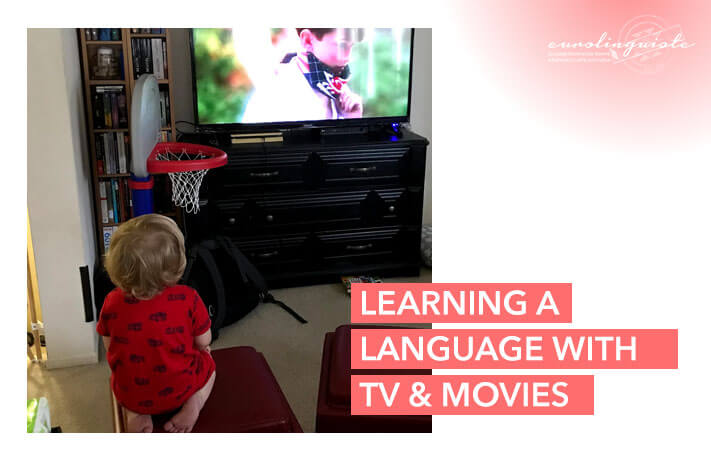
How Does Watching TV Shows in Another Language Improve Listening Skills?
Watching TV shows in another language can significantly enhance listening comprehension by exposing learners to natural speech patterns, accents, and colloquial expressions. Here’s how it helps:
- Accent Familiarity: Regular exposure helps distinguish different accents and pronunciations.
- Contextual Learning: Visual cues and body language aid in understanding unfamiliar words.
- Speed Adaptation: Gradually adjusting to the natural pace of native speakers improves fluency.
Can Subtitles Enhance Language Learning While Watching Foreign TV Shows?
Using subtitles strategically can boost comprehension and vocabulary retention. Here’s why they’re beneficial:
- Dual Input: Reading and hearing simultaneously reinforces word recognition.
- Grammar Clarity: Subtitles highlight sentence structures and idiomatic usage.
- Confidence Builder: Beginners rely on subtitles before transitioning to full immersion.
What Types of TV Shows Are Best for Learning a New Language?
Choosing the right genre maximizes learning efficiency. Focus on shows with:
- Clear Dialogue: Sitcoms or dramas with everyday conversations are ideal.
- Repetitive Themes: Crime series or medical dramas often reuse terminology.
- Cultural Context: Reality shows or documentaries provide real-world language use.
How Often Should You Watch TV Shows to See Language Improvement?
Consistency matters more than duration. Aim for:
- Daily Exposure: Even 20-30 minutes daily builds habits.
- Active Engagement: Pausing to note new words or phrases enhances retention.
- Varied Content: Rotating genres prevents monotony and broadens vocabulary.
What Are the Common Challenges When Learning Through TV Shows?
While effective, this method has hurdles:
- Slang Overload: Informal language may confuse beginners without context.
- Speed Barriers: Fast dialogue can overwhelm intermediate learners.
- Passive Consumption: Without active practice, progress may plateau.
Frequently Asked Questions (FAQ)
What are the best Chinese TV shows for language learners?
Watching Chinese TV shows tailored for learners can significantly boost your language skills. Historical dramas like The Story of Minglan or Nirvana in Fire offer clear pronunciation and rich vocabulary. For beginners, modern sitcoms such as Love O2O or Put Your Head on My Shoulder use everyday language and simpler dialogues. Variety shows like Happy Camp expose you to casual speech and cultural nuances. Choose shows with subtitles (Chinese or bilingual) to reinforce listening and reading simultaneously.
How can I actively learn Chinese while watching TV shows?
To maximize learning, actively engage with the content instead of passive viewing. Pause and repeat unfamiliar phrases, then mimic the pronunciation. Keep a notebook for new vocabulary and review it regularly. Use language-learning apps like Pleco to look up words in real time. For advanced practice, shadowing—repeating lines immediately after the actors—helps with fluency and intonation. Lastly, discuss episodes with native speakers or language partners to reinforce comprehension.
Should I watch Chinese TV shows with or without subtitles?
Using subtitles depends on your proficiency level. Beginners should start with English subtitles to grasp the plot, then switch to Chinese subtitles to connect spoken and written words. Intermediate learners can toggle subtitles on/off to test comprehension. Advanced learners may challenge themselves by disabling subtitles entirely, relying solely on listening. Regardless of level, rewatching scenes without subtitles after initial viewing can sharpen auditory skills and reduce dependency on text.
How often should I watch Chinese TV shows to see improvement?
Consistency is key—aim for at least 30 minutes daily to notice progress over weeks. Regular exposure reinforces vocabulary, grammar, and pronunciation naturally. Combine TV shows with other methods like flashcards or speaking practice for balanced learning. Track your progress by noting how much you understand without subtitles over time. Remember, quality matters more than quantity; focused, active watching for shorter periods is more effective than hours of passive viewing.
Leave a Reply
Related Posts