
No Duolingo Thai: Best Alternatives to Try In 2025

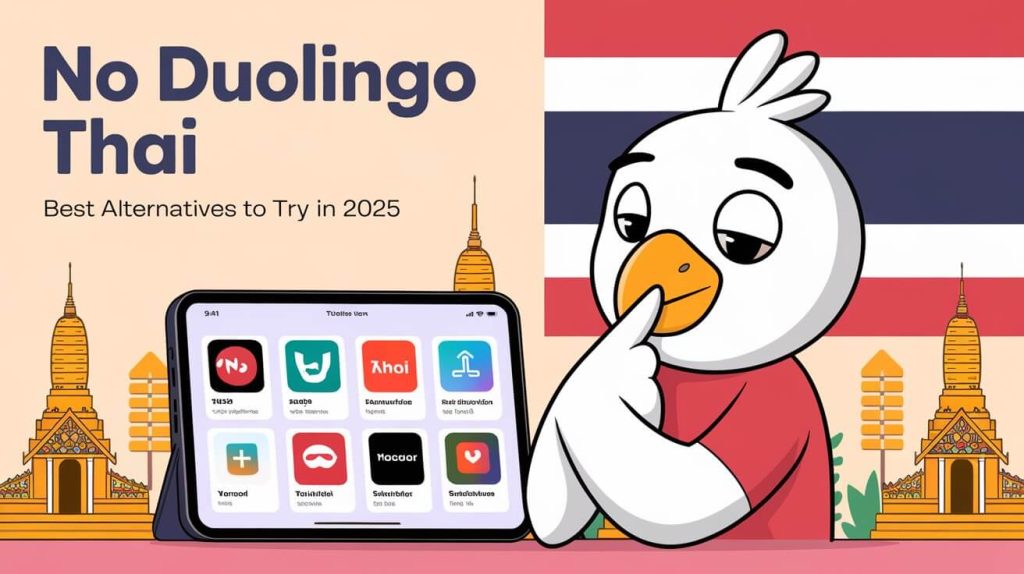
Learning Thai has become increasingly popular as more people seek to explore Thailand’s rich culture, cuisine, and vibrant tourism. While Duolingo is a well-known language-learning platform, it does not currently offer a Thai course, leaving many learners searching for effective alternatives. In 2025, the demand for accessible and engaging Thai language resources continues to grow, with innovative apps and platforms stepping up to fill the gap. This article explores the best alternatives to Duolingo for learning Thai, highlighting tools that cater to different learning styles, from interactive apps to immersive online courses, ensuring you find the perfect fit for your language journey.
- No Duolingo Thai: Best Alternatives to Try In 2025
- Will Duolingo ever get Thai?
-
Is there a better alternative to Duolingo?
- What Are the Key Features to Look for in a Duolingo Alternative?
- Which Platforms Offer More Structured Language Courses Than Duolingo?
- Are There Free Alternatives to Duolingo That Are Just as Effective?
- Which Alternatives Focus More on Speaking and Conversation Skills?
- What Are the Best Alternatives for Advanced Language Learners?
- What's the best way to learn Thai?
- Frequently Asked Questions (FAQ)
No Duolingo Thai: Best Alternatives to Try In 2025
1. Why Look for Alternatives to Duolingo for Learning Thai?
While Duolingo is a popular language-learning platform, it may not fully cater to the specific needs of learners aiming to master Thai. Thai is a tonal language with a unique script, and some users find that Duolingo lacks depth in teaching pronunciation, tones, and cultural context. Exploring alternatives can provide a more comprehensive and tailored learning experience.
2. Top Features to Look for in a Thai Learning App
When choosing an alternative to Duolingo, consider apps that offer:
- Tonal pronunciation guides: Essential for mastering Thai tones.
- Script writing practice: Helps learners read and write the Thai alphabet.
- Cultural insights: Understanding Thai culture enhances language comprehension.
- Interactive lessons: Engaging content keeps learners motivated.
- Offline access: Allows learning without an internet connection.
3. Best Thai Learning Apps to Try in 2025
Here are some of the top alternatives to Duolingo for learning Thai:
| App Name | Key Features |
|---|---|
| Ling | Focuses on tones, script, and conversational skills. |
| Mondly | Offers AR/VR lessons and speech recognition. |
| Drops | Specializes in vocabulary building with visual aids. |
| Pimsleur | Emphasizes audio-based learning for pronunciation. |
| ThaiPod101 | Provides video lessons and cultural tips. |
4. Free vs. Paid Thai Learning Platforms
While free platforms like Duolingo are accessible, paid alternatives often offer more advanced features. For example:
- Free apps: Great for beginners but may lack depth.
- Paid apps: Provide structured courses, personalized feedback, and advanced resources.
Consider your budget and learning goals when choosing between free and paid options.
5. How to Maximize Your Thai Learning Experience
To get the most out of your Thai learning journey, combine multiple resources:
- Use apps for daily practice.
- Watch Thai movies or TV shows to improve listening skills.
- Practice speaking with native speakers through language exchange platforms.
- Join online communities or forums for additional support and motivation.
Will Duolingo ever get Thai?
Is Thai Language Coming to Duolingo?
As of now, Thai is not available on Duolingo. However, the platform frequently updates its language offerings based on user demand and resource availability. Adding a new language like Thai involves significant effort, including:
- Developing a comprehensive curriculum tailored to Thai grammar and vocabulary.
- Hiring native speakers and linguists to ensure accuracy and cultural relevance.
- Creating audio recordings for pronunciation practice, which is crucial for tonal languages like Thai.
Why Isn’t Thai Available on Duolingo Yet?
The absence of Thai on Duolingo can be attributed to several factors:
See AlsoDoes Duolingo Have Cantonese? Your Guide to Learning Options- Complexity of the language: Thai is a tonal language with a unique script, making it more challenging to teach effectively.
- Resource allocation: Duolingo prioritizes languages with higher demand or larger user bases.
- Development time: Creating a high-quality course requires significant time and expertise.
What Are the Challenges of Adding Thai to Duolingo?
Introducing Thai to Duolingo presents specific challenges:
- Tonal system: Thai has five tones, which are difficult to teach through an app without extensive audio support.
- Script adaptation: The Thai alphabet is unique and requires specialized tools for learning and practice.
- Cultural nuances: Thai language and culture are deeply intertwined, requiring careful integration into the course.
How Can Users Influence Duolingo to Add Thai?
Users can play a role in encouraging Duolingo to add Thai by:
- Submitting requests through Duolingo’s official feedback channels.
- Joining communities or forums advocating for Thai language inclusion.
- Demonstrating demand by engaging with social media campaigns or petitions.
What Are the Alternatives to Learn Thai Online?
While waiting for Thai on Duolingo, learners can explore other platforms:
See AlsoDoes Duolingo Have Tamil? Availability and Alternatives- Memrise: Offers Thai courses with a focus on vocabulary and phrases.
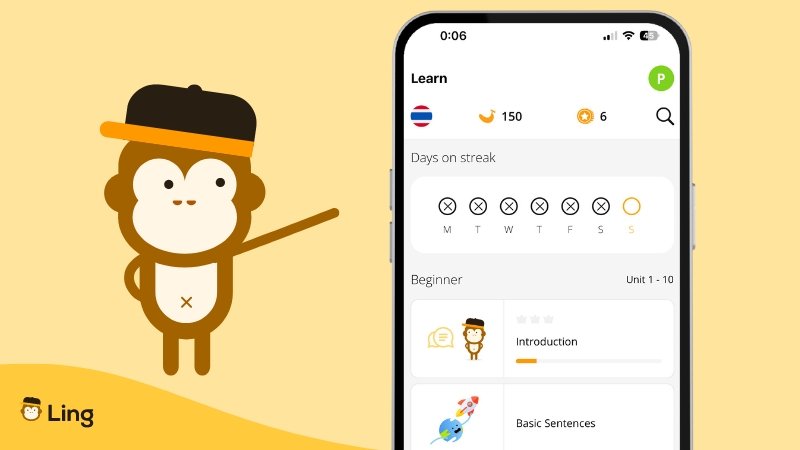
- Ling: Provides interactive lessons for Thai, including speaking and writing practice.
- YouTube channels: Many creators offer free Thai lessons, especially for beginners.
Is there a better alternative to Duolingo?
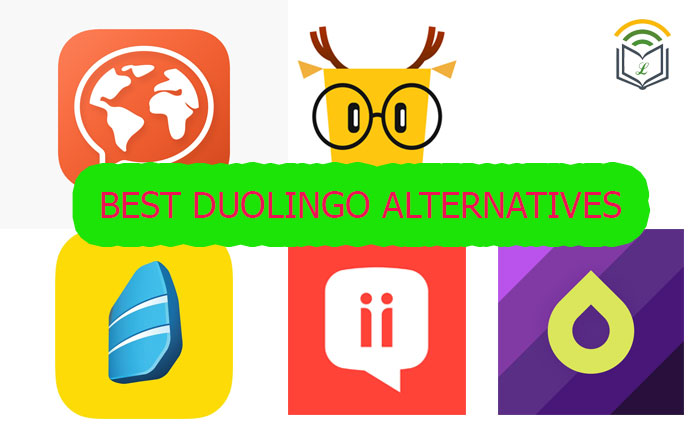
What Are the Key Features to Look for in a Duolingo Alternative?
When searching for an alternative to Duolingo, it’s important to consider features that enhance language learning. Here are some key aspects to look for:
- Comprehensive Grammar Lessons: Unlike Duolingo, some platforms offer in-depth grammar explanations and exercises.
- Personalized Learning Paths: Platforms like Babbel and Rosetta Stone tailor lessons to your proficiency level and goals.
- Interactive Speaking Practice: Tools such as Pimsleur focus heavily on pronunciation and conversational skills.
- Cultural Context: Some apps, like Memrise, incorporate cultural insights to make learning more engaging.
- Offline Access: Many alternatives allow you to download lessons for offline use, which is ideal for travelers.
Which Platforms Offer More Structured Language Courses Than Duolingo?
If you prefer a more structured approach to language learning, these platforms might be better suited for you:
See AlsoDoes Duolingo Have Icelandic? The Latest Update- Babbel: Known for its structured curriculum, Babbel focuses on real-life conversations and grammar.
- Rosetta Stone: Offers immersive learning with a focus on visual and auditory cues, ideal for beginners.
- Busuu: Provides a clear learning path with personalized study plans and feedback from native speakers.
- Pimsleur: Emphasizes audio-based learning, perfect for those who want to improve speaking and listening skills.
- LingQ: Uses authentic content like articles and podcasts to teach languages in context.
Are There Free Alternatives to Duolingo That Are Just as Effective?
If you’re looking for free alternatives, here are some options that offer quality language learning:
- Memrise: Combines spaced repetition with fun, user-generated content to help you memorize vocabulary.
- Anki: A flashcard-based app that uses spaced repetition to help you retain information effectively.
- Clozemaster: Focuses on vocabulary and sentence structure through fill-in-the-blank exercises.
- HelloTalk: Connects you with native speakers for language exchange, making learning more interactive.
- Language Transfer: Offers free audio courses that focus on understanding the structure of a language.
Which Alternatives Focus More on Speaking and Conversation Skills?
For those prioritizing speaking and conversation, these platforms are excellent choices:
- Pimsleur: Focuses on audio lessons that improve pronunciation and conversational fluency.
- italki: Connects you with professional tutors for one-on-one speaking practice.
- HelloTalk: Allows you to chat with native speakers, improving your conversational skills in real-time.
- Tandem: Similar to HelloTalk, it pairs you with language partners for mutual learning.
- Speaky: A social platform where you can practice speaking with native speakers worldwide.
What Are the Best Alternatives for Advanced Language Learners?
If you’re an advanced learner, these platforms offer more challenging content:
- LingQ: Uses real-world content like news articles and podcasts to help you master advanced vocabulary.
- FluentU: Incorporates videos, movie clips, and news to teach languages in context.
- Clozemaster: Focuses on advanced vocabulary and sentence structures through cloze tests.
- italki: Offers advanced lessons with professional tutors to refine your skills.
- Yabla: Uses video content to improve listening and comprehension skills at an advanced level.
What's the best way to learn Thai?
1. Start with the Thai Alphabet and Pronunciation
Learning the Thai alphabet and mastering pronunciation is the foundation of understanding the language. Thai is a tonal language with 44 consonants and 32 vowels, which can be challenging for beginners. Here’s how to approach it:
- Begin by memorizing the consonants and vowels using flashcards or apps like Anki.
- Practice tonal pronunciation by listening to native speakers and repeating after them.
- Use resources like YouTube tutorials or language apps to hear and mimic correct sounds.
2. Build a Strong Vocabulary Base
Expanding your vocabulary is essential for effective communication. Focus on learning common words and phrases first, as they will be most useful in daily conversations. Here’s how to do it:
- Start with basic words like greetings, numbers, and common verbs.
- Use spaced repetition systems (SRS) like Memrise or Quizlet to retain new words.
- Label objects around your home with their Thai names to reinforce learning.
3. Practice Speaking with Native Speakers
Speaking with native Thai speakers is one of the fastest ways to improve fluency. It helps you get accustomed to the rhythm and nuances of the language. Here’s how to practice:
- Join language exchange platforms like Tandem or HelloTalk to find Thai speakers.
- Hire a tutor on platforms like iTalki or Preply for personalized lessons.
- Participate in local Thai communities or online forums to practice conversational skills.
4. Immerse Yourself in Thai Culture and Media
Immersing yourself in Thai culture and media can significantly enhance your learning experience. It exposes you to authentic language usage and cultural context. Here’s how to immerse yourself:
- Watch Thai dramas, movies, or YouTube channels with subtitles.
- Listen to Thai music or podcasts to improve listening comprehension.
- Read Thai books, newspapers, or blogs to expand your reading skills.
5. Use Structured Language Learning Resources
Structured resources like textbooks, online courses, and apps provide a systematic approach to learning Thai. They help you progress from beginner to advanced levels. Here’s how to use them effectively:
- Choose a comprehensive textbook like Thai for Beginners by Benjawan Poomsan Becker.
- Enroll in online courses on platforms like Coursera or Udemy.
- Use language apps like Duolingo, Ling, or Drops for daily practice.
Frequently Asked Questions (FAQ)
What are the best alternatives to Duolingo for learning Thai in 2025?
In 2025, there are several effective alternatives to Duolingo for learning Thai. Some of the top options include Ling App, which offers interactive lessons and gamified learning, and Mondly, known for its conversational focus and speech recognition technology. Additionally, Pimsleur is a great choice for auditory learners, as it emphasizes speaking and listening skills. For those who prefer structured courses, ThaiPod101 provides comprehensive lessons with cultural insights. These platforms cater to different learning styles and ensure a well-rounded approach to mastering Thai.
Why should I consider alternatives to Duolingo for learning Thai?
While Duolingo is a popular language-learning app, it may not fully meet the needs of learners aiming to master Thai. Alternatives often provide more in-depth content, such as advanced grammar explanations, cultural context, and specialized vocabulary. Apps like Ling App and ThaiPod101 focus on practical usage and real-life conversations, which are crucial for a tonal language like Thai. Additionally, some alternatives offer personalized learning paths and better speech recognition, making them more effective for achieving fluency.
Are there free alternatives to Duolingo for learning Thai?
Yes, there are free alternatives to Duolingo for learning Thai. Apps like Memrise and Drops offer free versions with access to basic vocabulary and phrases. Ling App also provides a free tier with limited content, allowing users to explore its features before committing to a subscription. Additionally, platforms like YouTube and language exchange communities offer free resources, including video lessons and practice opportunities with native speakers. While free options may have limitations, they are a great starting point for beginners.
Which alternative to Duolingo is best for advanced Thai learners?
For advanced Thai learners, ThaiPod101 is an excellent choice due to its extensive library of advanced lessons, cultural insights, and real-life dialogues. Another option is Glossika, which focuses on sentence patterns and repetition to improve fluency. Italki is also highly recommended, as it connects learners with native Thai tutors for personalized lessons tailored to their proficiency level. These platforms provide the depth and complexity needed to refine advanced skills and achieve near-native fluency in Thai.
Leave a Reply
Related Posts