
Why you should use more than one Chinese textbook

Learning Mandarin Chinese is a rewarding but challenging journey, and relying on a single textbook may limit your progress. While one book can provide structure, using multiple textbooks offers diverse perspectives, explanations, and exercises that reinforce learning. Different authors emphasize unique aspects of grammar, vocabulary, or cultural context, filling gaps a single resource might leave. Additionally, varied practice materials prevent monotony and keep engagement high. Whether you’re a beginner or advanced learner, combining textbooks ensures a well-rounded understanding of the language. By diversifying your study materials, you’ll develop stronger comprehension, adaptability, and confidence in using Chinese in real-world situations.
Why Using Multiple Chinese Textbooks Enhances Your Learning Experience
1. Diverse Learning Approaches for Better Retention
Using more than one Chinese textbook exposes you to different teaching methods, such as grammar-focused, vocabulary-driven, or conversation-based approaches. This variety helps reinforce concepts through repetition in different contexts, improving long-term retention.
| Textbook Type | Focus Area | Benefit |
|---|---|---|
| Grammar-Centric | Sentence structures | Clear rule explanations |
| Vocabulary-Based | Word lists | Expands lexicon |
| Conversation-Focused | Dialogs | Improves speaking |
2. Exposure to Varied Vocabulary and Phrases
Different textbooks introduce unique word choices and cultural nuances. One book might emphasize business terms, while another covers slang or regional dialects. This broadens your linguistic flexibility and prepares you for real-world interactions.
See AlsoHow to Get Over a Language Learning Plateau in Chinese?3. Reinforcement Through Multiple Explanations
If a concept is unclear in one textbook, another might present it differently. For example, particle usage (了, 吗) can be confusing, but cross-referencing explanations solidifies understanding.
4. Balanced Skill Development
Some textbooks excel in reading comprehension, while others prioritize listening exercises. Combining them ensures all language skills (speaking, writing, listening, reading) develop evenly.
5. Adaptability to Different Proficiency Levels
Beginners might start with a pinyin-heavy book, then transition to character-focused texts. Advanced learners can use specialized textbooks (e.g., HSK prep, classical Chinese) to target gaps.
See AlsoHow to adjust your Chinese listening to the right level| Proficiency Level | Recommended Textbook Type |
|---|---|
| Beginner | Pinyin + Basic Characters |
| Intermediate | Grammar + Dialogues |
| Advanced | Specialized (HSK, Literature) |
What is the best textbook to learn Chinese?
Top Recommended Textbooks for Learning Chinese
Choosing the best textbook depends on your learning style and goals. Here are some highly regarded options:
- Integrated Chinese by Cheng & Tsui – A comprehensive series with clear explanations, dialogues, and exercises, ideal for beginners to intermediate learners.
- New Practical Chinese Reader – Focuses on practical communication, accompanied by audio materials for better pronunciation.
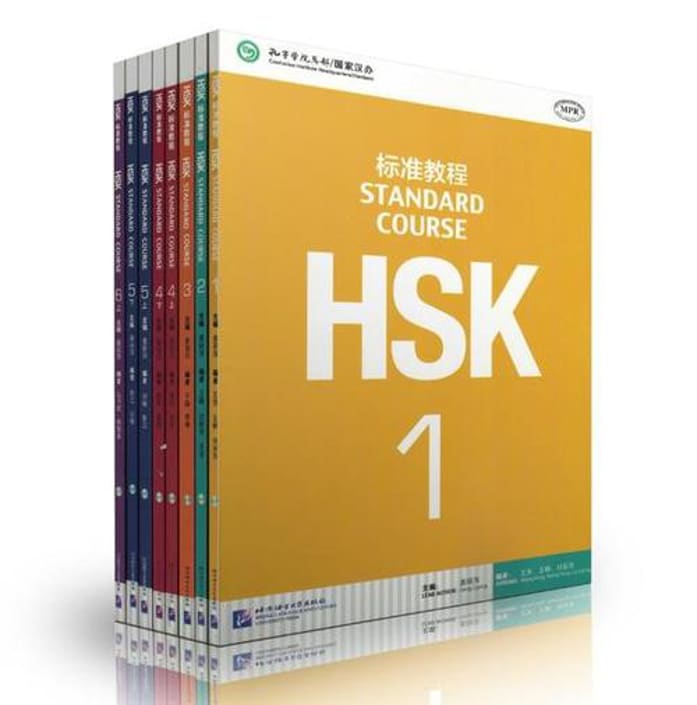
- HSK Standard Course – Designed specifically for HSK exam preparation, structured by proficiency levels.
Key Features to Look for in a Chinese Textbook
A good textbook should include essential elements to facilitate learning:
See AlsoIntroducing Chinese quiz tournaments on WordSwing- Structured lessons with progressive difficulty to build skills systematically.
- Audio support for listening and pronunciation practice.
- Cultural notes to provide context and deepen understanding.
Textbooks for Self-Study vs. Classroom Use
Some textbooks cater better to self-learners, while others are designed for classroom settings:
- Colloquial Chinese – Great for self-study with clear explanations and exercises.
- Chinese Made Easy – Works well in both environments, featuring interactive activities.
- Discovering Chinese – Best suited for guided learning with a teacher.
Specialized Textbooks for Business or Travel Chinese
If your focus is business or travel, specialized textbooks are more effective:
- Business Chinese 500 – Covers essential vocabulary and scenarios for professionals.
- Survival Chinese – Focuses on practical phrases for travelers.
- Chinese for Working Professionals – Tailored for workplace communication.
Digital and Supplementary Resources for Chinese Textbooks
Many textbooks now come with digital enhancements to improve learning:
- Interactive apps like Pleco or Anki for vocabulary reinforcement.
- Online workbooks with instant feedback on exercises.
- Video tutorials accompanying textbooks for visual learners.
What are the benefits of reading Chinese books?
Enhancing Language Proficiency and Vocabulary
Reading Chinese books significantly improves language skills, especially for learners. It exposes readers to authentic vocabulary, idiomatic expressions, and grammatical structures. Here’s how:
- Expands vocabulary by introducing new words in context.
- Improves reading comprehension through exposure to diverse texts.
- Helps grasp cultural nuances embedded in the language.
Gaining Cultural Insight and Historical Knowledge
Chinese literature offers a deep dive into the country’s rich history and cultural traditions. It provides perspectives on philosophies, dynasties, and societal norms. Key benefits include:
- Understanding Confucianism, Taoism, and other philosophies.
- Learning about historical events and their impact.
- Exploring folklore and myths unique to Chinese culture.
Boosting Cognitive and Analytical Skills
Engaging with complex narratives and classical texts sharpens the mind. Chinese literature often requires critical thinking and interpretation. Advantages include:
- Enhancing problem-solving abilities through intricate plots.
- Stimulating memory retention with dense content.
- Developing analytical thinking by deciphering symbolism.
Improving Career and Academic Opportunities
Proficiency in Chinese and familiarity with its literature can open doors professionally and academically. Benefits include:
- Standing out in global job markets with bilingual skills.
- Accessing scholarly resources in original Chinese texts.
- Networking with Chinese-speaking professionals and academics.
Encouraging Personal Growth and Empathy
Reading Chinese books fosters emotional intelligence and broadens worldviews. It connects readers to diverse human experiences. Key aspects:
- Building empathy through character-driven stories.
- Encouraging self-reflection via philosophical themes.
- Promoting cross-cultural understanding and tolerance.
Is Integrated Chinese a good textbook?

Is Integrated Chinese Effective for Beginners?
Integrated Chinese is widely regarded as a solid choice for beginners due to its structured approach. The textbook introduces foundational vocabulary, grammar, and cultural insights in a progressive manner. Key strengths include:
- Clear explanations of basic grammar rules and sentence patterns.
- Practical dialogues that simulate real-life conversations.
- Workbook exercises that reinforce learning through repetition.
Does Integrated Chinese Cover Advanced Mandarin?
While Integrated Chinese excels in beginner and intermediate levels, its coverage of advanced Mandarin is limited. The series focuses primarily on:
- HSK 1-4 vocabulary and grammar structures.
- Everyday communication rather than academic or professional language.
- Minimal advanced idioms or classical Chinese references.
How Does Integrated Chinese Handle Pronunciation?
The textbook includes Pinyin alongside characters, aiding pronunciation for learners. However, it relies on supplementary audio materials for accurate practice. Notable features:
- Tonal markings are consistently provided.
- Audio companions are essential for correct pronunciation.
- No in-depth guide on regional accents or variations.
Are the Cultural Notes in Integrated Chinese Useful?
Cultural context is integrated into lessons, offering insights into Chinese customs and etiquette. The textbook covers:
- Social norms like greetings and dining etiquette.
- Festivals and traditions such as Lunar New Year.
- Limited discussion on modern pop culture or regional differences.
Is Integrated Chinese Suitable for Self-Study?
While designed for classroom use, self-learners can benefit with additional resources. Considerations include:
- Answer keys are available for workbook exercises.
- Online supplements like audio files enhance independent study.
- Lack of interactive exercises may require external tools.
How many integrated Chinese books are there?

How Many Volumes Are in the Integrated Chinese Series?
The Integrated Chinese series consists of four main volumes, designed to cover different proficiency levels in Mandarin Chinese. Here’s a breakdown:
- Level 1 includes two parts: Part 1 (lessons 1–10) and Part 2 (lessons 11–20).
- Level 2 also has two parts: Part 1 (lessons 1–10) and Part 2 (lessons 11–20).
- Each volume comes with a workbook and character workbook for practice.
What Is the Structure of Integrated Chinese Books?
The Integrated Chinese series follows a structured approach to learning Mandarin, with each volume building on the previous one. Key features include:
- Lessons are organized around real-life scenarios and dialogues.
- Grammar and vocabulary are introduced systematically.
- Exercises focus on listening, speaking, reading, and writing skills.
Are There Additional Materials for Integrated Chinese?
Yes, the Integrated Chinese series includes supplementary materials to enhance learning. These resources are:
- Workbooks for additional practice exercises.
- Character workbooks to improve writing skills.
- Audio CDs and online resources for listening practice.
Who Publishes the Integrated Chinese Series?
The Integrated Chinese series is published by Cheng & Tsui, a well-known publisher of language learning materials. Highlights include:
- Developed by Yuehua Liu and other experienced educators.
- Used widely in universities and language programs worldwide.
- Regularly updated to reflect modern language usage.
What Proficiency Levels Does Integrated Chinese Cover?
The Integrated Chinese series is designed for learners from beginner to intermediate levels. The progression includes:
- Level 1 focuses on basic communication and foundational grammar.
- Level 2 introduces more complex sentence structures and vocabulary.
- Prepares students for intermediate fluency in Mandarin.
Frequently Asked Questions (FAQ)
Why is using more than one Chinese textbook beneficial for learning?
Using multiple Chinese textbooks exposes learners to a wider variety of vocabulary, grammar structures, and cultural contexts. Each textbook has its own unique approach, whether it focuses on conversational skills, character writing, or formal grammar. By combining resources, learners can fill gaps in their understanding and reinforce concepts through different explanations and exercises. This method also prevents over-reliance on a single teaching style, making the learning process more dynamic and adaptable.
How does using multiple textbooks improve retention and comprehension?
When learners encounter the same vocabulary or grammar rules in different contexts across multiple textbooks, it strengthens memory retention. Repetition from varied sources helps solidify knowledge, while diverse examples provide deeper comprehension. For instance, one textbook might explain a grammatical concept technically, while another uses real-life dialogues. This multifaceted exposure ensures learners grasp nuances and apply their knowledge more flexibly in real-world situations.
Can using more than one textbook help with different learning goals?
Absolutely. Some learners prioritize speaking fluency, while others need business Chinese or test preparation like HSK. Different textbooks cater to these specific goals. For example, a conversational textbook might emphasize practical phrases, while an HSK-focused one drills exam patterns. Combining them allows learners to balance their skills—improving speaking, listening, reading, and writing simultaneously—without being limited by a single book’s scope.
What are the potential challenges of using multiple Chinese textbooks?
While beneficial, using multiple textbooks requires effective time management to avoid feeling overwhelmed. Learners should prioritize consistency and align their choices with their current proficiency level. For beginners, sticking to one core textbook with supplemental materials may work better. Additionally, conflicting explanations (e.g., grammar terms) can cause confusion, so it’s important to cross-reference or consult a teacher. The key is to integrate resources strategically rather than juggling them haphazardly.
Leave a Reply
Related Posts