
Should you focus on learning Chinese words or phrases?

When learning Chinese, many beginners face the dilemma of whether to focus on individual words or entire phrases. Mastering vocabulary is essential, as words form the building blocks of communication. However, phrases provide context, helping learners understand how words function in real conversations. Prioritizing words can expand your lexicon quickly, but phrases improve fluency and cultural understanding. The ideal approach depends on your goals—whether you aim for basic comprehension or natural dialogue. Striking a balance between both methods may yield the best results. This article explores the pros and cons of each strategy to help you decide the most effective path for your Chinese language journey.
Should You Focus on Learning Chinese Words or Phrases?
1. The Importance of Learning Individual Chinese Words
Learning individual words in Chinese is essential because it builds your vocabulary foundation. Each word can have multiple meanings and uses, so understanding them helps in forming sentences naturally. However, memorizing isolated words without context might make it harder to use them fluently in conversations.
| Pros | Cons |
|---|---|
| Expands vocabulary quickly | Lack of context for usage |
| Helps recognize characters | May feel overwhelming |
2. The Benefits of Learning Chinese Phrases
Studying complete phrases allows you to grasp how words function together, improving fluency. Phrases provide real-life context, making it easier to recall and use them in conversations. However, relying solely on phrases might limit your ability to create new sentences flexibly.
See AlsoUsing Chinese textbooks to improve reading ability| Pros | Cons |
|---|---|
| Improves conversational skills | Less focus on individual word meanings |
| Provides cultural context | May restrict sentence flexibility |
3. Balancing Words and Phrases for Effective Learning
A balanced approach is often the most effective. Start with common words to understand basic meanings, then learn phrases to see how they’re used naturally. This method ensures both vocabulary growth and practical application.
| Strategy | Outcome |
|---|---|
| Learn high-frequency words first | Strong foundational vocabulary |
| Practice with common phrases | Better conversational fluency |
4. How Chinese Characters Influence Word vs. Phrase Learning
Since Chinese characters often represent whole words or morphemes, learning individual characters helps decipher new words. However, many words are compounds (two or more characters), so studying phrases can clarify their combined meanings.
| Focus | Impact |
|---|---|
| Single-character words | Clearer understanding of radicals |
| Multi-character phrases | Better comprehension of word pairs |
5. Practical Applications: When to Use Words vs. Phrases
For beginners, phrases are useful for quick communication, while intermediate learners benefit from expanding word knowledge. Advanced learners should focus on both to refine fluency and express nuanced ideas.
See AlsoZizzle App | A Neat Way to Learn Chinese Characters| Learner Level | Recommended Focus |
|---|---|
| Beginner | Essential phrases for daily use |
| Intermediate | Vocabulary expansion + complex phrases |
| Advanced | Idiomatic expressions + specialized terms |
What is the most effective way to learn Chinese?
Immerse Yourself in the Language Daily
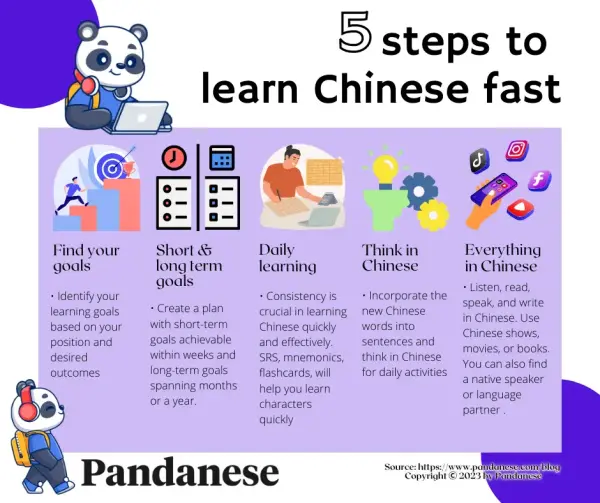
The most effective way to learn Chinese is through daily immersion. Surround yourself with the language by listening, speaking, reading, and writing consistently. Here’s how:
- Listen to Chinese podcasts, music, or news to train your ear.
- Speak with native speakers or language partners to practice pronunciation.
- Watch Chinese movies or TV shows with subtitles to improve comprehension.
Master the Basics of Pinyin and Tones
Understanding Pinyin and mastering tones are crucial for accurate pronunciation. Focus on these fundamentals early:
See AlsoChinese listening strategies: Active listening- Learn Pinyin to associate Chinese characters with their sounds.
- Practice tones daily to avoid misunderstandings.
- Use tone drills or apps to reinforce correct pronunciation.
Build a Strong Vocabulary Foundation
Expanding your vocabulary systematically accelerates learning. Prioritize high-frequency words:
- Start with HSK word lists tailored to your proficiency level.
- Use flashcards (e.g., Anki) for spaced repetition.
- Learn words in context through sentences or stories.
Practice Writing Characters Regularly
Chinese characters require consistent practice to memorize. Break down the process:
- Study radicals to understand character components.
- Write characters repeatedly to build muscle memory.
- Use grid paper to maintain proper stroke order.
Engage in Active Conversation
Applying your skills in real conversations solidifies learning. Seek opportunities to speak:
See AlsoHow To Use WeChat - 5 Top Tips To Know- Join language exchange platforms like Tandem or HelloTalk.
- Find a tutor for structured speaking practice.
- Record yourself to identify areas for improvement.
Should I learn Chinese characters or words?

Why Learning Chinese Characters is Important
Learning Chinese characters is essential for understanding the written language deeply. Here’s why:
- Foundation of literacy: Characters are the building blocks of written Chinese, enabling you to read books, signs, and formal documents.
- Cultural insight: Each character carries historical and cultural meaning, enriching your understanding of China.
- Long-term mastery: While challenging, knowing characters ensures fluency and avoids reliance on pinyin.
Advantages of Focusing on Chinese Words First
Starting with words can make learning more practical and less overwhelming:
- Faster communication: Learning common words helps you speak and understand daily conversations quickly.
- Contextual learning: Words provide meaning in real-life situations, making retention easier.
- Gradual progression: You can later break down words into characters once you’re comfortable.
How Characters Enhance Vocabulary Retention
Memorizing characters strengthens your ability to remember and recognize words:
- Pattern recognition: Many characters share radicals, helping you deduce meanings.
- Compound words: Understanding characters allows you to guess meanings of unfamiliar word combinations.
- Visual memory: The unique shapes of characters create stronger mental associations.
When to Prioritize Words Over Characters
In some cases, focusing on words is more efficient:
- Short-term goals: If you need basic conversational skills quickly, words are more practical.
- Spoken Chinese: For oral communication, pinyin and words suffice initially.
- Beginner-friendly: Words reduce the initial learning curve compared to characters.
Balancing Characters and Words for Optimal Learning
A combined approach ensures comprehensive proficiency:
- Start with high-frequency words: Learn common words first, then analyze their characters.
- Study radicals early: Recognizing radicals simplifies character memorization later.
- Practice both reading and speaking: Alternate between character drills and conversational practice.
Is learning phrases the best way to learn a language?
The Role of Phrases in Language Learning
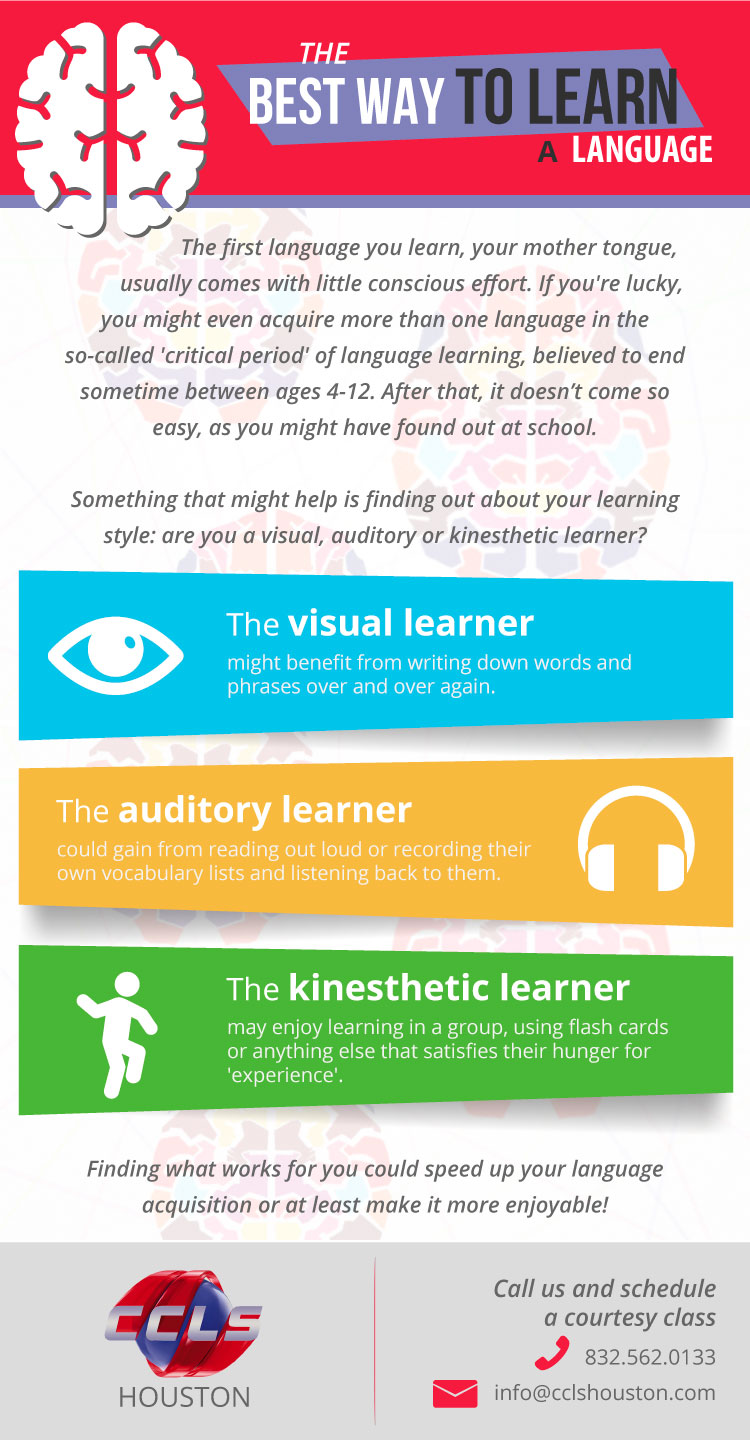
Learning phrases can be a highly effective method for acquiring a new language, especially for beginners. Phrases provide context, which helps learners understand how words function together in real-life situations. For example:
- Phrases mimic natural speech patterns, making it easier to recall and use them in conversations.
- They often include grammar structures implicitly, reducing the need for rote memorization of rules.
- Common phrases like greetings or questions (How are you?) are immediately useful in daily interactions.
Limitations of Relying Solely on Phrases
While phrases are helpful, they have limitations if used in isolation. Without understanding the underlying vocabulary or grammar, learners may struggle to adapt or create new sentences. Key drawbacks include:
- Limited flexibility: Memorized phrases may not fit all scenarios, hindering creative expression.
- Over-reliance on set patterns can delay mastery of grammar rules and sentence construction.
- Difficulty in understanding variations or nuances in meaning when phrases are altered.
Balancing Phrases with Other Learning Methods
For optimal results, combining phrase learning with other strategies is essential. A balanced approach might include:
- Vocabulary building: Learning individual words to expand beyond fixed phrases.
- Grammar study: Understanding rules to modify or create new sentences.
- Listening and speaking practice: Reinforcing phrases through real-world use and repetition.
Phrases vs. Grammar: Which Matters More?
The debate between prioritizing phrases or grammar depends on the learner's goals. For conversational fluency, phrases may take precedence, while grammar is critical for accuracy. Consider:
- Phrases accelerate early communication but may lack depth.
- Grammar ensures correctness but can slow down initial progress.
- A hybrid approach leverages the strengths of both methods.
Practical Tips for Learning Phrases Effectively
To maximize the benefits of learning phrases, follow these practical tips:
- Focus on high-frequency phrases (e.g., Can you help me?) for immediate usability.
- Practice in context: Use phrases in role-playing or real conversations.
- Review regularly: Spaced repetition strengthens retention and recall.
What should I learn first when learning Chinese?
Basic Chinese Pronunciation and Pinyin
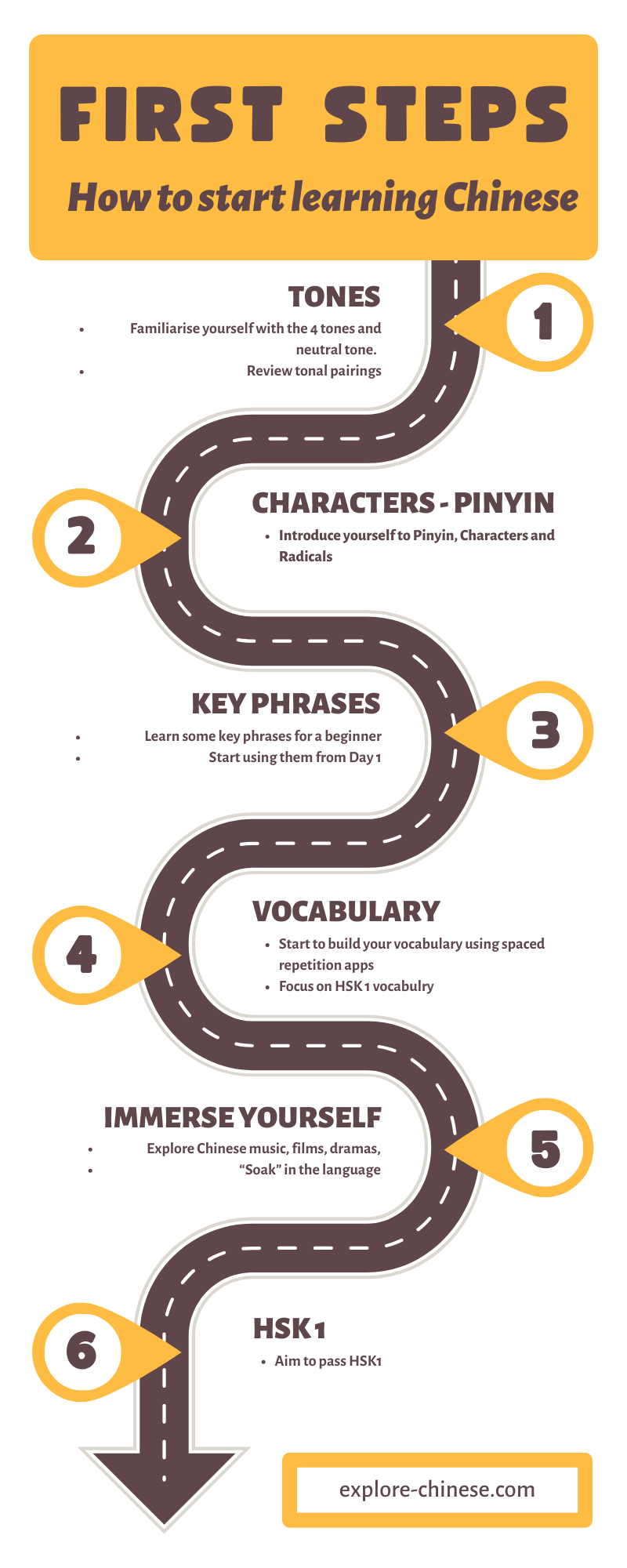
Learning pronunciation and Pinyin (the romanization system for Mandarin) is essential for beginners. Mandarin is a tonal language, so mastering the four tones and neutral tone early will prevent misunderstandings later. Here’s why it should be your first focus:
- Tones: Mispronouncing tones can change the meaning of words entirely (e.g., mā (mother) vs. mà (scold)).
- Pinyin: It helps you read and type Chinese characters before memorizing them.
- Listening skills: Proper pronunciation improves your ability to understand spoken Mandarin.
Essential Greetings and Everyday Phrases
Starting with common phrases builds confidence and practical communication skills. These phrases are the foundation for basic interactions:
- Greetings: Learn nǐ hǎo (hello), xiè xie (thank you), and zài jiàn (goodbye).
- Questions: Practice nǐ jiào shénme míngzi? (What’s your name?) and nǐ hǎo ma? (How are you?).
- Politeness: Phrases like qǐng (please) and duì bu qǐ (sorry) are crucial for daily use.
Numbers and Basic Counting
Numbers are vital for everyday tasks like shopping, telling time, or exchanging phone numbers. Here’s why they’re a priority:
- 1-10: Master these first, as they form the basis for larger numbers.
- Money: Essential for bargaining and understanding prices.
- Dates and time: Helps with scheduling and understanding calendars.
Simple Sentence Structures and Grammar
Understanding basic grammar allows you to form simple sentences early. Mandarin grammar is simpler than many languages, but key rules include:
- Subject-Verb-Object (SVO): The standard sentence order (e.g., wǒ chī píngguǒ – I eat apples).
- No verb conjugation: Verbs don’t change based on tense or person.
- Measure words: Learn basic ones like gè (general measure word) for counting objects.
Introduction to Chinese Characters (Hanzi)
While not the first priority, basic characters help with reading and deeper learning. Start with these:
- High-frequency characters: Learn simple ones like 人 (person), 日 (sun/day), and 月 (moon/month).
- Radicals: Recognize common components (e.g., 氵 for water-related characters).
- Writing practice: Use grid paper to practice stroke order and structure.
Frequently Asked Questions (FAQ)
Should beginners focus on learning Chinese words or phrases first?
For beginners, it is generally more effective to start with common phrases rather than isolated words. Phrases provide context, making it easier to understand how words function in real conversations. For example, learning the phrase Nǐ hǎo (你好) as Hello is more practical than memorizing the individual characters separately. This approach helps build confidence and improves communication skills faster, as you can immediately use these phrases in basic interactions.
How does learning phrases help with understanding Chinese grammar?
Chinese grammar relies heavily on word order and sentence patterns, which are easier to grasp when learning phrases. By studying common structures like Wǒ yào... (我要...) meaning I want..., you naturally absorb grammatical rules without overanalyzing them. This method reinforces natural sentence formation and reduces the need for direct translation, helping learners think in Chinese more fluently over time.
Is memorizing individual Chinese words useless for language learning?
Memorizing individual words is not useless, but it should not be the primary focus, especially early on. While knowing key vocabulary like shuǐ (水) for water is important, words alone lack practical application. Combining word study with phrase memorization ensures you understand how to use them correctly. Advanced learners may benefit more from expanding their vocabulary, but beginners should prioritize phrases for immediate usability.
Can focusing only on phrases limit my Chinese vocabulary growth?
Relying solely on phrases might slow down vocabulary expansion if you neglect learning new words altogether. However, a balanced approach is key. Start with high-frequency phrases, then gradually deconstruct them to learn individual words. For instance, after mastering Xièxie (谢谢) for Thank you, explore related words like bù kèqì (不客气) for You're welcome. This way, you build both fluency and a robust vocabulary over time.
Leave a Reply
Related Posts