
Learning tones in Mandarin is not optional

Mastering tones in Mandarin is not just an added skill—it’s a fundamental necessity. Unlike many languages where pitch variations are optional or expressive, Mandarin relies on tones to distinguish meaning. Each of its four primary tones (and the neutral tone) can completely alter a word’s definition, turning a simple phrase into confusion or even unintended offense. For learners, neglecting tones means risking miscommunication, no matter how accurate their vocabulary or grammar may be. While the challenge may seem daunting, consistent practice and attentive listening are key to success. Understanding tones isn’t merely about pronunciation; it’s about unlocking the true essence of Mandarin communication.
Why Learning Tones in Mandarin Is Not Optional
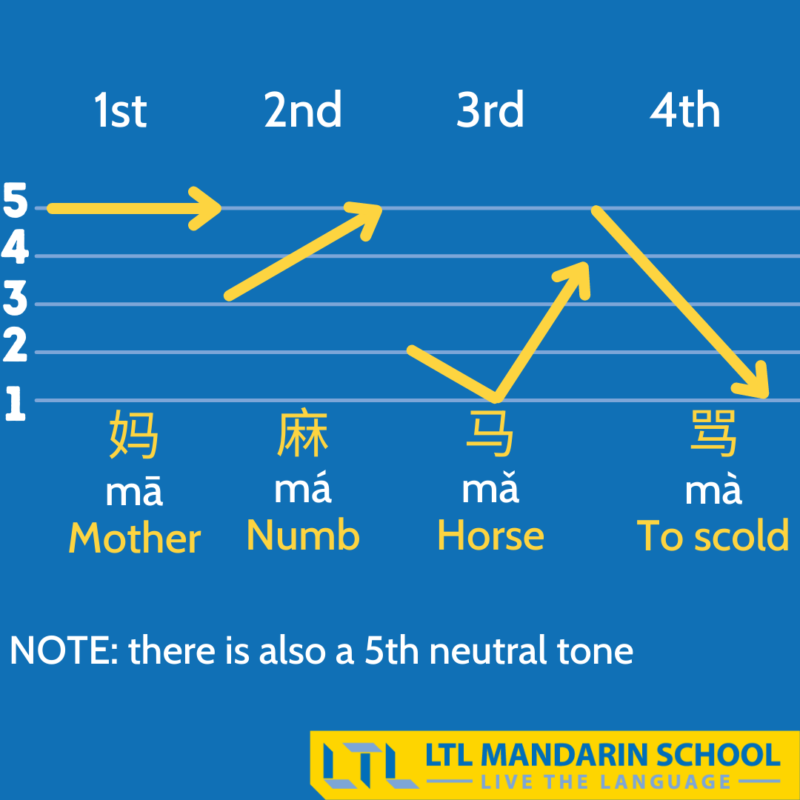
Learning tones in Mandarin is a fundamental aspect of mastering the language. Unlike many other languages, Mandarin is a tonal language, meaning that the pitch or intonation used when pronouncing a word can completely change its meaning. Neglecting tones can lead to misunderstandings, as the same syllable pronounced with different tones can signify entirely different things. For example, the syllable ma can mean mother (妈, first tone), hemp (麻, second tone), horse (马, third tone), or scold (骂, fourth tone) depending on the tone used. Therefore, ignoring tones is not an option if you aim to communicate effectively in Mandarin.
The Four Tones and Their Importance
Mandarin has four primary tones and a neutral tone, each serving a distinct purpose in speech. The first tone is high and level, the second rises, the third falls then rises, and the fourth falls sharply. The neutral tone is light and quick. Mispronouncing these tones can lead to confusion, as words with the same pinyin but different tones have entirely different meanings.
See AlsoDirection Complements: How to Use them in Chinese| Tone | Description | Example (Pinyin) | Meaning |
|---|---|---|---|
| First Tone (¯) | High and level | mā (妈) | Mother |
| Second Tone (´) | Rising | má (麻) | Hemp |
| Third Tone (ˇ) | Falling then rising | mǎ (马) | Horse |
| Fourth Tone (`) | Sharp falling | mà (骂) | Scold |
| Neutral Tone | Light and quick | ma (吗) | Question particle |
Common Mistakes When Ignoring Tones
Many learners make the mistake of downplaying tones, thinking that context will compensate for incorrect pronunciation. However, this often leads to miscommunication. For instance, saying wǒ xiǎng mǎi mǎ (我想买马) instead of wǒ xiǎng mǎi má (我想买麻) changes the meaning from I want to buy hemp to I want to buy a horse. Native speakers may struggle to understand sentences where tones are misused, making tone accuracy crucial.
How Tones Affect Listening Comprehension
Understanding tones is not just about speaking—listening comprehension also heavily relies on recognizing tonal patterns. Native Mandarin speakers use tones naturally, and if a learner hasn’t trained their ear, they may struggle to distinguish words like shū (书, book) and shù (树, tree). Active listening practice with tonal distinctions is essential for fluency.
Techniques to Master Mandarin Tones
To effectively learn tones, learners should use repetition drills, tone pairs practice, and shadowing native speakers. Recording oneself and comparing it to native pronunciation helps identify mistakes. Additionally, visual aids like pitch contour diagrams can reinforce tone recognition and production.
See AlsoHalloween in China – The Hungry Ghost FestivalThe Role of Tones in Mandarin Grammar
Tones are not just about vocabulary—they also play a role in grammar and syntax. For example, question particles like ma (吗) rely on the neutral tone, while changing tones in certain contexts can indicate grammatical shifts. Ignoring tones can thus disrupt not just word meaning but sentence structure as well.
| Word | Incorrect Tone | Correct Tone | Result of Mistake |
|---|---|---|---|
| 是 (shì) | shí (second tone) | shì (fourth tone) | Is becomes ten (十) |
| 买 (mǎi) | mái (second tone) | mǎi (third tone) | Buy becomes bury (埋) |
Can you learn Chinese without tones?

The Importance of Tones in Chinese Language
Tones are a fundamental aspect of the Chinese language, as they distinguish meanings between words that otherwise sound identical. Without mastering tones, communication can become confusing or even unintelligible. Here’s why they matter:
See AlsoLearning the third tone in Mandarin Chinese- Meaning differentiation: For example, mā (妈) means mother, while mà (骂) means scold.
- Natural fluency: Native speakers rely on tones to understand context quickly.
- Grammar and syntax: Some grammatical particles rely on tonal changes.
Can You Communicate Without Tones?
While it’s technically possible to communicate in Chinese without perfect tones, misunderstandings will be frequent. Here’s what happens when tones are ignored:
- Context reliance: Listeners may guess meanings based on surrounding words.
- Limited comprehension: Native speakers may struggle to understand toneless speech.
- Reduced clarity: Sentences may sound robotic or unnatural.
Challenges of Learning Chinese Without Tones
Ignoring tones creates significant barriers in language acquisition. Here are the main challenges:
- Listening difficulties: Recognizing spoken words becomes harder without tonal awareness.
- Speaking limitations: Pronunciation errors lead to frequent corrections.
- Reading obstacles: Pinyin (Romanized Chinese) relies on tone marks for accuracy.
Strategies to Improve Tone Mastery
If you struggle with tones, these strategies can help:
See AlsoGuanxi in China: A Little Understood Concept in the West- Repetition drills: Practice minimal pairs (e.g., shī vs. shí) to train your ear.
- Shadowing technique: Mimic native speakers’ intonation and rhythm.
- Tone visualization: Use apps or diagrams to associate tones with pitch contours.
Is It Worth Learning Chinese Without Tones?
While you can learn basic phrases without tones, long-term progress requires tonal accuracy. Consider these points:
- Short-term vs. long-term: Tones are unavoidable for advanced fluency.
- Cultural respect: Proper tones show effort and respect for the language.
- Learning efficiency: Correcting tone mistakes later is harder than learning them early.
How important are tones in Mandarin?
The Role of Tones in Mandarin Pronunciation
Tones are a fundamental aspect of Mandarin pronunciation because they distinguish the meanings of words that otherwise share the same phonetic spelling. Mandarin has four primary tones and a neutral tone, each altering the meaning of a syllable. For example:
- mā (妈) means mother with the first tone.
- má (麻) means hemp with the second tone.
- mǎ (马) means horse with the third tone.
- mà (骂) means scold with the fourth tone.
How Tones Affect Communication
Misusing tones in Mandarin can lead to misunderstandings or even offensive mistakes. Since many words differ only by tone, incorrect pronunciation changes the intended meaning entirely. For instance:
- Saying shū (书, book) with the wrong tone could sound like shǔ (鼠, rat).
- Confusing wèn (问, ask) with wén (闻, smell) changes the context completely.
- In business or formal settings, tone errors may reduce clarity and professionalism.
Tones in Mandarin Grammar and Syntax
Tones also play a role in grammatical structures and sentence flow. Some particles, like 吗 (ma) for questions, rely on the neutral tone to function correctly. Additionally:
- Tone changes occur in tone sandhi, where two third tones in a row alter pronunciation (e.g., nǐ hǎo becomes ní hǎo).
- Certain grammatical markers, like 了 (le), use specific tones to indicate tense or completion.
- Poetry and proverbs often rely on tonal patterns for rhythm.
Learning Tones as a Non-Native Speaker
For learners, mastering tones is challenging but essential. Without proper tone practice, spoken Mandarin may sound unnatural or incomprehensible. Key strategies include:
- Using pinyin with tone marks to visualize pitch contours.
- Practicing with minimal pairs (e.g., mài (sell) vs. mái (bury)).
- Listening to native speakers and mimicking their intonation.
Technology and Tone Recognition
Modern tools like speech recognition software and language apps emphasize tones for accuracy. Errors in tone input can lead to incorrect translations or failed voice commands. Examples include:
- Voice assistants like Siri or Google Assistant may misinterpret requests without proper tones.
- Apps like Pleco or HelloChinese include tone drills for learners.
- OCR tools rely on correct tone markings to scan written Mandarin accurately.
What is the 3-3-3 rule in Mandarin?

What Is the 3-3-3 Rule in Mandarin?
The 3-3-3 rule in Mandarin refers to a structured approach for learning the language efficiently. It breaks down the learning process into three key components: pronunciation, characters, and grammar, each practiced for three minutes daily. This method emphasizes consistency and balance to build foundational skills without overwhelming learners.
- Pronunciation: Focus on tones and pinyin for three minutes to improve accuracy.
- Characters: Practice writing or recognizing three new characters daily.
- Grammar: Spend three minutes understanding a basic sentence structure or pattern.
Why Is the 3-3-3 Rule Effective for Mandarin Beginners?
The 3-3-3 rule is effective because it simplifies Mandarin’s complexity into manageable tasks. By dedicating equal time to core areas, learners avoid burnout while making steady progress.
- Consistency: Daily practice reinforces memory and skill retention.
- Balance: Covers all critical aspects (speaking, reading, writing) equally.
- Time-efficient: Fits into busy schedules with just nine minutes total per day.
How to Apply the 3-3-3 Rule for Mandarin Pronunciation?
Applying the rule to pronunciation involves focused tone and pinyin drills. Mandarin’s tonal nature makes this step crucial for clear communication.
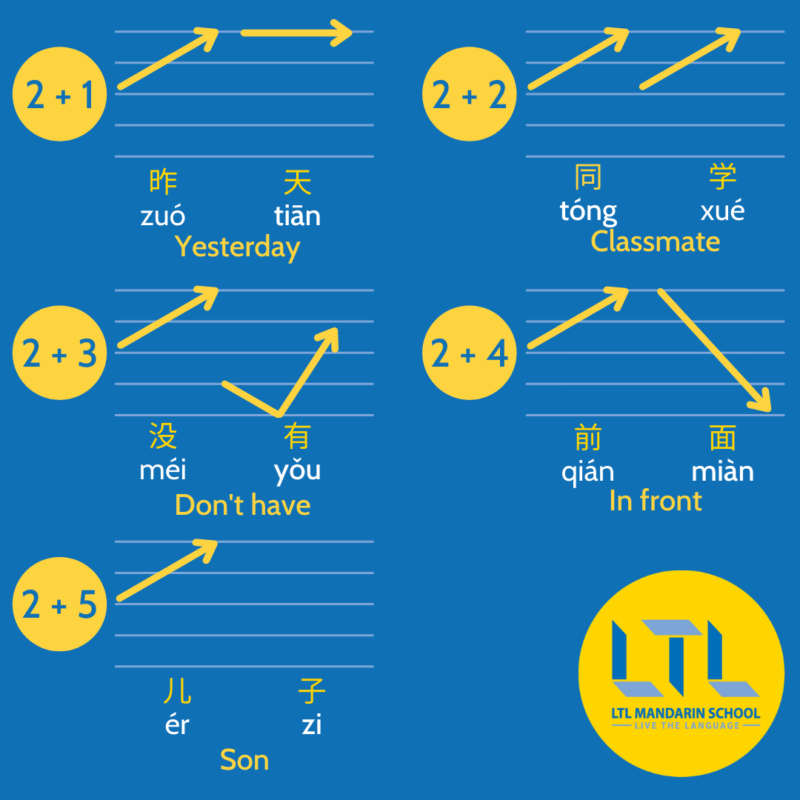
- Tone pairs: Practice two-tone combinations (e.g., mā + má) for three minutes.
- Pinyin drills: Read aloud pinyin words with correct vowel sounds.
- Shadowing: Mimic native speakers from audio clips to refine accent.
How Does the 3-3-3 Rule Help with Mandarin Characters?
The rule’s character component tackles memorization and recognition, essential for reading and writing.
- Radical focus: Learn one radical and two related characters daily.
- Writing practice: Trace or write characters three times each.
- Flashcards: Use apps like Anki to review characters in three-minute sessions.
Can the 3-3-3 Rule Improve Mandarin Grammar Skills?
Yes, the grammar segment of the rule builds understanding of sentence patterns and particles.
- Sentence templates: Study one basic structure (e.g., Subject + Verb + Object) daily.
- Particle practice: Focus on particles like 了 (le) or 的 (de) in context.
- Mini-exercises: Create three simple sentences using the day’s grammar point.
Do tones matter when singing in Mandarin?
The Importance of Tones in Mandarin Singing
In Mandarin, tones are crucial because they define the meaning of words. When singing, the melody of the song can sometimes override the natural tones of the language, potentially altering the intended meaning. However, skilled singers aim to balance tone accuracy with musical expression to maintain clarity.
- Tones distinguish words with the same pronunciation but different meanings.
- Singers often prioritize musicality but must avoid significant tone deviations.
- Listeners may rely on context to understand lyrics if tones are slightly altered.
How Tones Interact With Melody in Songs
The relationship between Mandarin tones and melodic contours is complex. A song's melody may naturally align with the rising or falling tones of certain words, while others may require careful adaptation to prevent miscommunication.
- High-pitched melodies may conflict with falling tones (e.g., the fourth tone).
- Some singers adjust pronunciation slightly to fit the music.
- Composers often consider tone patterns when writing Mandarin lyrics.
Common Challenges for Non-Native Singers
Non-native Mandarin speakers often struggle with tone accuracy while singing, as their focus shifts to pitch and rhythm. Mispronunciations can lead to misunderstandings, even if the melody is correct.
- Difficulty maintaining tone consistency across different notes.
- Overemphasis on musical flow may neglect tonal precision.
- Lack of intonation awareness can distort word meanings.
Techniques to Preserve Tones While Singing
Professional singers use various methods to keep tones recognizable without sacrificing musical quality. This includes subtle modifications to pitch and rhythm to align with Mandarin's tonal nature.
- Emphasizing the starting pitch of a word to match its tone.
- Using vibrato or slight pitch bends to imply tone shifts.
- Selecting melodic phrasing that complements natural speech tones.
Listener Perception of Tones in Music
Native Mandarin speakers can often interpret lyrics despite minor tone deviations due to contextual clues. However, excessive tone changes may lead to confusion or unintended meanings.
- Listeners rely on song familiarity to fill in tonal gaps.
- Clear enunciation helps compensate for melodic tone shifts.
- Repeated exposure improves comprehension of sung Mandarin.
Frequently Asked Questions (FAQ)
Why are tones so important in Mandarin Chinese?
Tones are a fundamental aspect of Mandarin Chinese because they change the meaning of words entirely. Unlike in English, where intonation can convey emotion or emphasis, Mandarin relies on four distinct tones (plus a neutral tone) to differentiate between otherwise identical syllables. For example, the syllable ma can mean mother (第一声, mā), hemp (第二声, má), horse (第三声, mǎ), or a scolding (第四声, mà) depending on the tone. Mispronouncing a tone can lead to confusion or unintended meanings, making mastery of tones essential for clear communication.
Can I still be understood if I don’t learn Mandarin tones?
While you might occasionally be understood through context, relying on it is risky and inefficient. Native Mandarin speakers depend on tones to process language quickly, and omitting them can force listeners to guess your meaning. For instance, saying wǒ xiǎng mǎi (I want to buy) with incorrect tones could sound like wǒ xiàng mái (I resemble burying), which is nonsensical. Consistent tone errors will hinder fluency and make conversations frustrating for both you and the listener.
How difficult is it for English speakers to learn Mandarin tones?
Learning tones can be challenging for English speakers because English does not use lexical tones. However, with practice and focused listening, it becomes manageable. Techniques like shadowing native speakers, using tone pairs, and visualizing pitch contours can help. Many learners initially struggle with the third tone (which dips and rises) or distinguishing between the first and fourth tones (high-level vs. sharp-falling). Over time, muscle memory and auditory training make tone production more natural.
What are the consequences of ignoring tones when learning Mandarin?
Ignoring tones will severely limit your proficiency and credibility in Mandarin. Without tones, your speech may sound unnatural or even offensive (e.g., accidentally using a word with a vulgar homophone). Additionally, it becomes harder to understand native speech, as your brain won’t be trained to recognize tonal patterns. In professional or academic settings, poor tone usage can undermine your confidence and effectiveness. Investing time early in tone mastery saves frustration and accelerates long-term progress.
Leave a Reply
Related Posts