
Shapeshifting Chinese characters

Chinese characters, with their intricate strokes and profound history, possess a unique ability to transform and adapt. Known as shapeshifting, this phenomenon occurs when characters evolve visually over time, shift meanings, or take on new forms in different contexts. From ancient oracle bone script to modern simplified characters, each iteration tells a story of cultural and linguistic evolution. Some characters change subtly, while others undergo dramatic alterations, reflecting shifts in society, technology, and artistic expression. This article explores the dynamic nature of Chinese characters, uncovering how their shapeshifting qualities not only preserve tradition but also enable continuous innovation in written communication.
The Fascinating World of Shapeshifting Chinese Characters
What Are Shapeshifting Chinese Characters?
Shapeshifting Chinese characters, also known as variant characters or allographs, refer to different forms of the same character that have evolved over time or vary by region. These variations can include differences in stroke order, structure, or even entirely different graphical representations. For example, the character 龙 (dragon) has a simplified form used in mainland China and a traditional form used in Taiwan and Hong Kong.
| Type | Example | Region |
|---|---|---|
| Simplified | 龙 | Mainland China |
| Traditional | 龍 | Taiwan, Hong Kong |
Historical Evolution of Shapeshifting Characters
The evolution of Chinese characters spans thousands of years, from oracle bone script to modern forms. Over time, characters underwent simplification, stylization, and regional adaptations. For instance, the character horse (马) evolved from a pictographic representation in ancient scripts to its current simplified and traditional forms.
See AlsoDuolingo Obsidian League: Tips for Success in 2025| Era | Form | Example |
|---|---|---|
| Oracle Bone Script | Ancient | |
| Modern Simplified | Contemporary | 马 |
Regional Variations in Chinese Characters
Different Chinese-speaking regions use distinct character sets. Mainland China uses simplified characters, while Taiwan, Hong Kong, and Macau use traditional characters. Additionally, some characters have unique regional variants, such as 国 (simplified) vs. 國 (traditional).
| Region | Character Type | Example |
|---|---|---|
| Mainland China | Simplified | 国 |
| Taiwan | Traditional | 國 |
Common Examples of Shapeshifting Characters
Many characters have well-known variant forms. For example, 见 (simplified) and 見 (traditional) both mean to see. Another example is food: 食 (traditional) vs. ⻝ (a variant form). These variations often arise from calligraphic styles or historical reforms.
| Simplified | Traditional | Meaning |
|---|---|---|
| 见 | 見 | to see |
| ⻝ | 食 | food |
The Role of Shapeshifting Characters in Modern Chinese
Today, shapeshifting characters play a crucial role in cross-regional communication and cultural identity. While simplified characters dominate in mainland China, traditional characters remain vital in literature, calligraphy, and historical texts. Digital tools now help bridge the gap by offering conversion between forms.
See AlsoApps Similar To Duolingo: Best Language Learning Alternatives| Aspect | Simplified Characters | Traditional Characters |
|---|---|---|
| Usage | Everyday communication in Mainland China | Cultural preservation in Taiwan/Hong Kong |
| Digital Tools | Automatic conversion available | Widely supported in software |
What Chinese creatures are shapeshifting?
The Fox Spirits (Huli Jing)
In Chinese mythology, fox spirits, or Huli Jing, are among the most famous shapeshifters. These creatures are often depicted as foxes that gain magical abilities, including the power to transform into humans, usually beautiful women. They are known for their cunning and trickery, though some stories portray them as benevolent beings.
- Huli Jing can live for centuries, growing additional tails (up to nine) as they gain power.
- They often shapeshift to seduce or manipulate humans, though some form genuine relationships.
- Their transformations are sometimes revealed by their inability to hide their fox tails or shadows.
The Dragon (Long)
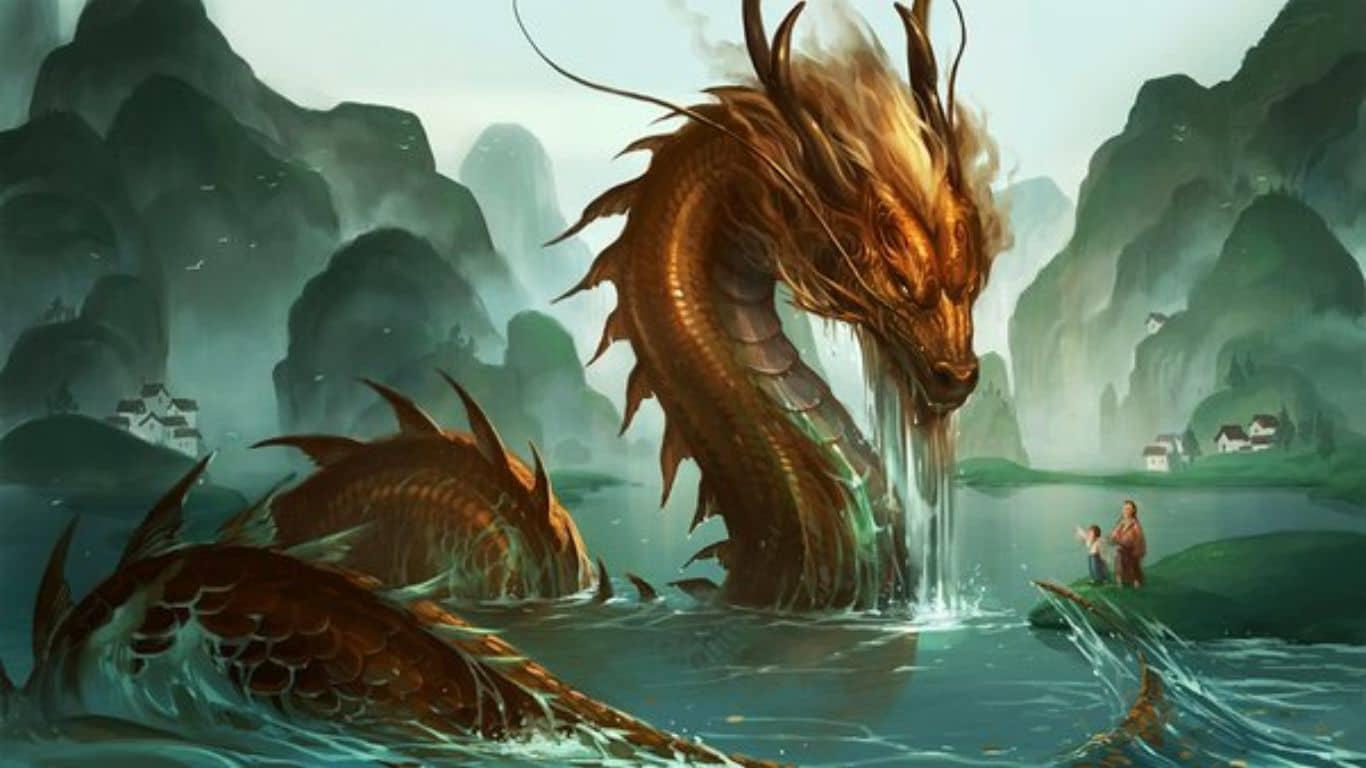
While dragons in Chinese culture are primarily celestial beings, they possess the ability to shapeshift into human form. Unlike Western dragons, Chinese dragons are often benevolent and associated with water, weather, and imperial authority.
See AlsoHow to reach a decent level of Chinese in 100 days- Dragons can appear as humans to interact with mortals, often testing their virtue.
- They may also transform into animals like fish or snakes to remain inconspicuous.
- In some tales, dragons disguise themselves as beggars or scholars to reward kindness.
The White Snake (Bai Suzhen)
The legend of Bai Suzhen, a white snake spirit, is a classic example of shapeshifting in Chinese folklore. She transforms into a beautiful woman and falls in love with a human, showcasing themes of love and supernatural conflict.
- Bai Suzhen cultivates her powers for centuries before taking human form.
- Her true nature is often discovered through magical artifacts or divine intervention.
- The story explores the tension between mortal and supernatural realms.
The Jiangshi (Hopping Vampire)
Though primarily known as reanimated corpses, Jiangshi occasionally exhibit shapeshifting abilities, such as disguising themselves as humans or animals to sneak up on victims.
- Jiangshi may mimic human speech or appearance to lure prey.
- They are often repelled by mirrors or taoist talismans that reveal their true forms.
- Some legends describe them transforming into mist or animals to escape capture.
The Monkey King (Sun Wukong)
Sun Wukong, the legendary Monkey King, is a master of transformation, capable of taking 72 different forms. His shapeshifting skills are central to his adventures in Journey to the West.
- He can shapeshift into animals, objects, or other people to deceive enemies.
- His hair can transform into clones or weapons, amplifying his abilities.
- Even gods struggle to recognize him when he disguises himself.
Are Chinese characters glyphs?

What Are Chinese Characters?
Chinese characters are logograms used in the writing of Chinese and other languages influenced by Chinese culture. Unlike alphabetic systems, each character represents a morpheme (a unit of meaning) rather than a sound. While some characters are glyph-like in appearance, they are not purely glyphs, as they carry semantic and phonetic components.
- Logographic nature: Each character conveys meaning, not just sound.
- Complex structure: Many characters combine radicals and phonetic elements.
- Historical evolution: Characters have developed over millennia, retaining symbolic aspects.
Are Chinese Characters Considered Glyphs?
The term glyph refers to a specific visual representation of a symbol, often in typography. While Chinese characters resemble glyphs due to their intricate shapes, they are more accurately classified as logograms. Glyphs are typically simpler and represent individual letters or symbols, whereas Chinese characters encode meaning and sound.
- Definition differences: Glyphs are typographic; characters are linguistic.
- Functional contrast: Glyphs represent sounds; characters represent words or concepts.
- Visual complexity: Chinese characters often exceed the simplicity of glyphs.
How Do Chinese Characters Differ from Glyphs?
Chinese characters differ from glyphs in their linguistic function and structural complexity. While glyphs are minimalistic and represent letters or symbols in alphabetic systems, Chinese characters are multi-component and carry deeper meaning.
- Semantic depth: Characters convey ideas, not just sounds.
- Radical system: Many characters include meaning-indicating radicals.
- Phonetic hints: Some components suggest pronunciation, unlike glyphs.
The Role of Glyphs in Chinese Calligraphy
In Chinese calligraphy, characters take on a glyph-like aesthetic due to artistic stylization. However, their core function remains logographic. Calligraphers emphasize form and stroke order, but the characters still represent words, not mere symbols.
- Artistic expression: Calligraphy treats characters as visual art.
- Stroke precision: Each stroke contributes to meaning and beauty.
- Cultural significance: Calligraphy preserves historical writing styles.
Are Simplified Chinese Characters More Glyph-Like?
Simplified Chinese characters, introduced to improve literacy, have fewer strokes but retain their logographic essence. While some appear more streamlined, they are not true glyphs, as they still represent meaningful units rather than abstract symbols.
- Reduced complexity: Simplified forms are easier to write.
- Retained meaning: Despite simplification, characters remain logograms.
- Adoption impact: Simplified characters are standard in mainland China.
What is the shapeshifting Chinese dragon?

The Mythological Origins of the Shapeshifting Chinese Dragon
The shapeshifting Chinese dragon, or Lóng, is a legendary creature deeply rooted in Chinese mythology. Unlike Western dragons, it symbolizes power, wisdom, and prosperity rather than destruction. Its ability to change form reflects its divine nature and connection to natural elements. Key aspects include:
- Celestial beings: Often associated with gods and emperors, representing heavenly authority.
- Elemental mastery: Can transform into water, clouds, or even human forms.
- Cultural significance: A central figure in festivals like the Dragon Boat Festival.
Symbolism of the Shapeshifting Dragon in Chinese Culture
The shapeshifting dragon embodies multiple layers of meaning in Chinese traditions. Its fluid forms represent adaptability and the cyclical nature of life. Important symbolic roles include:
- Imperial power: Linked to emperors, who were called true dragon sons.
- Harmony: Balances yin and yang through its transformations.
- Weather control: Believed to govern rain and storms in agricultural societies.
Forms and Abilities of the Shapeshifting Chinese Dragon
The Chinese dragon is renowned for its protean nature, shifting between forms to fulfill its roles. Common transformations include:
- Serpentine body: Default elongated form with scales and whiskers.
- Cloud or mist: To travel unseen or influence weather.
- Human guise: Occasionally takes mortal forms to interact with people.
Differences Between Chinese and Western Shapeshifting Dragons
While both cultures feature shape-shifting dragons, their portrayals diverge significantly. Contrasts include:
- Benevolence vs. menace: Chinese dragons are mostly auspicious, unlike Western counterparts.
- Physical traits: Lóng lacks wings, relying on magic for flight.
- Cultural roles: Integral to creation myths vs. often being adversaries in Western lore.
The Shapeshifting Dragon in Modern Media and Folklore
Contemporary depictions of the shapeshifting Chinese dragon blend tradition with new interpretations. Examples include:
- Film and animation: Appears in works like Disney’s Mulan or Shang-Chi.
- Literature: Featured in fantasy novels exploring its mystical traits.
- Festivals: Dragon dances showcase its transformative symbolism dynamically.
Why are Chinese characters so complex?

The Historical Evolution of Chinese Characters
The complexity of Chinese characters stems from their long historical evolution, spanning thousands of years. Unlike alphabetic systems, Chinese characters evolved from pictographs and ideographs, gradually incorporating more abstract and compound forms.
- Oracle Bone Script: The earliest known form, used for divination, featured highly pictorial and irregular shapes.
- Bronze Script: Used in inscriptions, it became more standardized but retained intricate strokes.
- Seal Script: Further stylization introduced curves and symmetry, yet complexity persisted.
The Logographic Nature of Chinese Writing
Chinese characters are logographic, meaning each character represents a morpheme or word rather than a sound. This requires a vast number of unique symbols to convey meaning.
- Semantic and phonetic components: Many characters combine radicals (meaning hints) with phonetic elements, adding layers.
- Homophones: Different characters share the same pronunciation, necessitating distinct visual forms.
- No phonetic consistency: Unlike alphabets, characters don’t reliably indicate pronunciation, increasing memorization load.
Stroke Order and Composition Rules
The stroke order and composition rules of Chinese characters contribute to their perceived complexity. Each character is built from a specific sequence of strokes, often with subtle variations.
- Basic strokes: Over 20 distinct stroke types exist, from horizontal lines to complex hooks.
- Radical placement: Components must fit precisely within an imaginary square, demanding spatial awareness.
- Balanced proportions: Characters must maintain aesthetic harmony, requiring careful execution.
Cultural and Aesthetic Influences
Chinese characters are deeply tied to cultural identity and artistic expression, which has preserved their intricate forms despite modernization efforts.
- Calligraphy: The art form elevates characters’ visual beauty, prioritizing complexity and flair.
- Symbolism: Characters often embed cultural or philosophical concepts, discouraging simplification.
- Historical prestige: Elites traditionally valued mastery of complex characters as a mark of education.
Modern Challenges and Simplification Efforts
While simplified characters were introduced to improve literacy, the system’s inherent complexity remains due to linguistic and practical constraints.
- Regional differences: Mainland China uses simplified forms, while Taiwan and Hong Kong retain traditional ones.
- Limited simplification: Only a subset of characters were simplified, leaving many complex ones intact.
- Computational hurdles: Input methods and font design must accommodate thousands of intricate glyphs.
Frequently Asked Questions (FAQ)
What are shapeshifting Chinese characters?
Shapeshifting Chinese characters refer to the phenomenon where certain Chinese characters appear to change their form or structure depending on the context, font, or historical period. These characters may exhibit variations in strokes, radicals, or overall composition, making them appear different while retaining the same meaning. This can occur due to calligraphic styles, regional differences, or even digital font rendering. Understanding these variations is crucial for learners and scholars to recognize characters across different mediums and time periods.
Why do some Chinese characters change their shape?
The transformation of Chinese characters over time can be attributed to several factors, including historical evolution, simplification reforms, and artistic expression. For example, traditional characters used in Taiwan and Hong Kong often differ from simplified versions in mainland China. Additionally, calligraphers and typographers may alter strokes for aesthetic or functional purposes. These changes reflect the dynamic nature of written Chinese, influenced by cultural, political, and technological developments.
How can I identify shapeshifting Chinese characters?
Identifying shapeshifting characters requires familiarity with common variations and their contexts. Studying radicals and components is essential, as many changes occur in these elements. Tools like dictionaries that list alternate forms or historical scripts can be helpful. Additionally, exposure to different fonts and handwritten samples improves recognition. For learners, focusing on the core meaning rather than minor stylistic differences can aid in understanding these characters across their various forms.
Are shapeshifting characters a problem for learners?
While shapeshifting characters can initially confuse learners, they are not insurmountable obstacles. The key is to recognize that these variations are part of the language's richness. Contextual learning and repeated exposure help mitigate confusion. For instance, encountering a character in both traditional and simplified scripts reinforces its identity. Advanced learners may even appreciate the historical and artistic nuances behind these changes, turning a potential challenge into an opportunity for deeper understanding.
Leave a Reply
Related Posts