
The Best Songs to Learn Chinese by HSK Level

Learning Chinese can be both challenging and rewarding, especially when paired with the right resources. Music is a powerful tool for language acquisition, offering exposure to natural pronunciation, vocabulary, and cultural context. For students preparing for the HSK exams, songs tailored to each proficiency level can make memorization more enjoyable and effective. From simple melodies with basic vocabulary for HSK 1 learners to complex lyrics for advanced HSK 6 students, music bridges the gap between textbook study and real-world usage. This article explores the best songs to learn Chinese by HSK level, helping you improve listening, speaking, and comprehension while enjoying the rhythm of Mandarin.
The Best Songs to Learn Chinese by HSK Level
1. Why Learn Chinese Through Songs?
Learning Chinese through songs is an effective and enjoyable method because music helps with memory retention, pronunciation, and cultural understanding. Songs often contain repetitive lyrics, making it easier to remember vocabulary and sentence structures. Additionally, music exposes learners to natural speech patterns and tones, which are crucial for mastering Mandarin.
2. Best Songs for HSK 1 Learners
For HSK 1 learners, simple and repetitive songs are ideal. These tracks focus on basic vocabulary and short sentences. Below is a table with recommended songs:
See AlsoTraining and testing your ability to hear Mandarin sounds| Song Title | Artist | Key Learning Points |
|---|---|---|
| 两只老虎 (Liǎng Zhī Lǎohǔ) | Traditional | Basic nouns, simple sentence structure |
| 找朋友 (Zhǎo Péngyou) | Traditional | Greetings, social phrases |
3. Best Songs for HSK 2 Learners
HSK 2 learners can handle slightly more complex lyrics. These songs introduce common verbs, adjectives, and everyday expressions.
| Song Title | Artist | Key Learning Points |
|---|---|---|
| 小星星 (Xiǎo Xīngxīng) | Traditional | Descriptive words, simple comparisons |
| 我的朋友在哪里 (Wǒ de Péngyou Zài Nǎlǐ) | Children's Song | Question words, locations |
4. Best Songs for HSK 3-4 Learners
At HSK 3-4, learners can explore songs with longer sentences and intermediate vocabulary. These tracks often include cultural references and idiomatic expressions.
| Song Title | Artist | Key Learning Points |
|---|---|---|
| 童话 (Tónghuà) | Guang Liang | Emotional expressions, storytelling |
| 月亮代表我的心 (Yuèliang Dàibiǎo Wǒ de Xīn) | Teresa Teng | Romantic vocabulary, metaphors |
5. Best Songs for HSK 5-6 Learners
HSK 5-6 learners should focus on songs with advanced vocabulary, complex grammar, and cultural depth. These tracks help refine fluency and comprehension.
See Also6 things in Chinese that are harder to learn than they seem| Song Title | Artist | Key Learning Points |
|---|---|---|
| 青花瓷 (Qīng Huā Cí) | Jay Chou | Poetic language, historical references |
| 平凡之路 (Píngfán Zhī Lù) | Pu Shu | Philosophical themes, advanced grammar |
Can you learn Chinese through songs?

How Effective Is Learning Chinese Through Songs?
Learning Chinese through songs can be highly effective for several reasons. Music engages multiple parts of the brain, making it easier to remember vocabulary and pronunciation. Here’s why it works:
- Repetition: Songs often repeat choruses and phrases, reinforcing memory.
- Pronunciation: Singing along helps mimic native tones and rhythms.
- Contextual Learning: Lyrics provide real-life language usage in a natural setting.
What Are the Best Chinese Songs for Beginners?
Beginners should start with simple, slow-paced songs that use basic vocabulary. Here are some recommendations:
See AlsoWhich words you should learn and where to find them- Children’s Songs: Like 两只老虎 (Liǎng Zhī Lǎohǔ) for basic words.
- Pop Ballads: Such as 月亮代表我的心 (Yuèliàng Dàibiǎo Wǒ de Xīn) for clear pronunciation.
- Modern Hits: Like 学猫叫 (Xué Māo Jiào) for catchy, repetitive phrases.
How to Maximize Learning Chinese with Songs?
To get the most out of learning Chinese through songs, follow these strategies:
- Lyric Analysis: Break down lyrics word by word to understand meaning.
- Sing Along: Practice pronunciation by mimicking the singer’s tone.
- Use Subtitles: Watch videos with Pinyin or English translations for clarity.
What Are the Challenges of Learning Chinese Through Songs?
While beneficial, this method has potential drawbacks:
- Slang/Colloquialisms: Lyrics may include informal language not taught in textbooks.
- Fast Tempo: Some songs are too quick for beginners to follow.
- Limited Grammar: Songs often prioritize rhythm over proper sentence structure.
Can Songs Help with Chinese Tones and Pronunciation?
Yes, songs are excellent tools for mastering tones and pronunciation because:
- Melodic Reinforcement: The melody helps emphasize the correct tones.
- Native Speaker Models: Singers demonstrate authentic pronunciation.
- Rhythmic Patterns: The beat aids in memorizing syllable stress and flow.
What is the most recognized Chinese song?
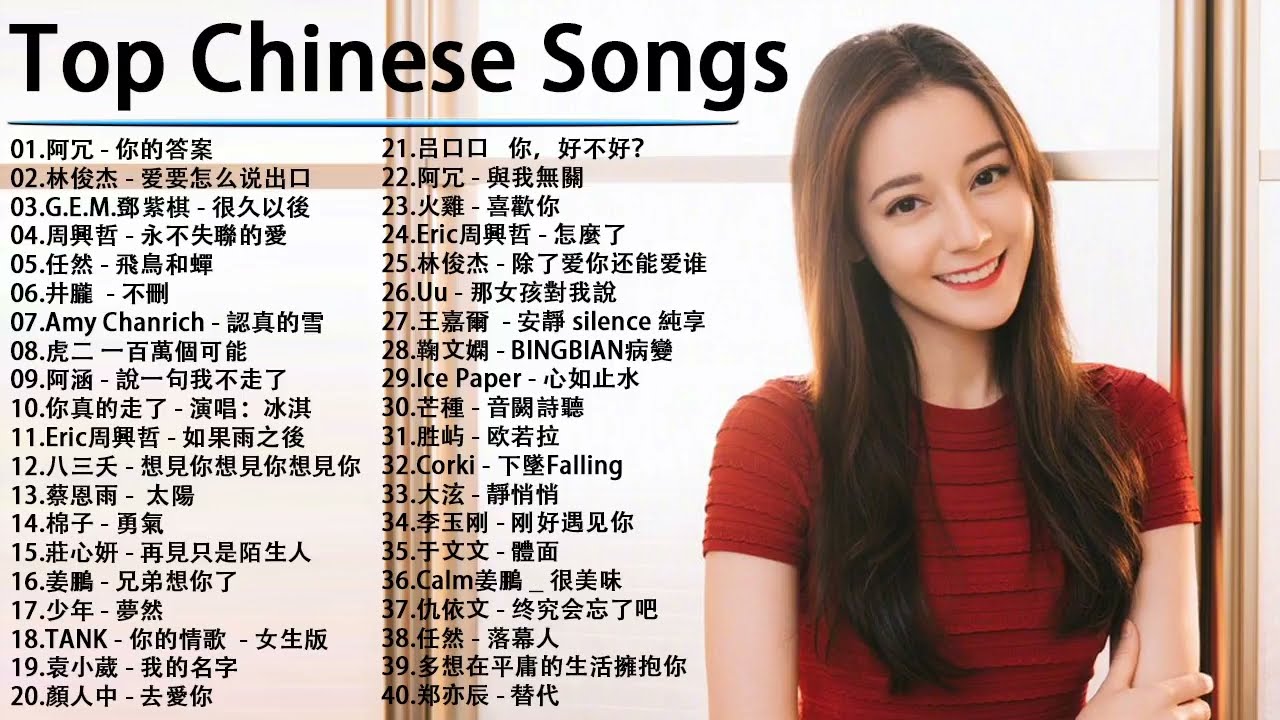
What is the most recognized Chinese song worldwide?
The most globally recognized Chinese song is likely Mo Li Hua (Jasmine Flower). This traditional folk song dates back to the 18th century and is celebrated for its melodic simplicity and cultural significance. It has been performed internationally, including at the 2008 Beijing Olympics, and adapted in Western classical music. Key reasons for its fame include:
- Cultural symbolism: Represents Chinese heritage and elegance.
- International performances: Featured in events like the Olympics and Vienna New Year's Concert.
- Adaptations: Used by composers such as Puccini in Turandot.
Why is Mo Li Hua considered iconic in Chinese music?
Mo Li Hua embodies the essence of Chinese musical tradition. Its enduring popularity stems from:
- Historical roots: Originated during the Qing Dynasty, reflecting centuries of artistry.
- Universal appeal: The melody is simple yet evocative, transcending language barriers.
- National pride: Often performed as a symbol of China in diplomatic settings.
How has Mo Li Hua influenced global music?
The song’s impact extends beyond China, notably in:
- Classical music: Puccini incorporated its melody into Turandot’s aria Nessun Dorma.
- Cross-cultural collaborations: Covered by artists like Lang Lang and international orchestras.
- Educational use: Taught in music schools worldwide as an example of pentatonic scales.
What are other notable Chinese songs with international recognition?
While Mo Li Hua is the most famous, others include:
- The Moon Represents My Heart (月亮代表我的心): A modern classic by Teresa Teng, beloved across Asia.
- Yi Jian Mei (一剪梅): Gained viral fame in the West as Xue Hua Piao Piao.
- Shanghai Bund (上海滩): Theme from a hit 1980s TV series, iconic in Cantopop.
How is Mo Li Hua used in contemporary Chinese culture?
Today, the song remains relevant through:
- Official events: Played during state ceremonies and cultural exchanges.
- Pop culture: Referenced in films, ads, and modern arrangements.
- Tourism: Associated with cities like Suzhou, where jasmine flowers are symbolic.
How long does it take to learn Chinese HSK 1?
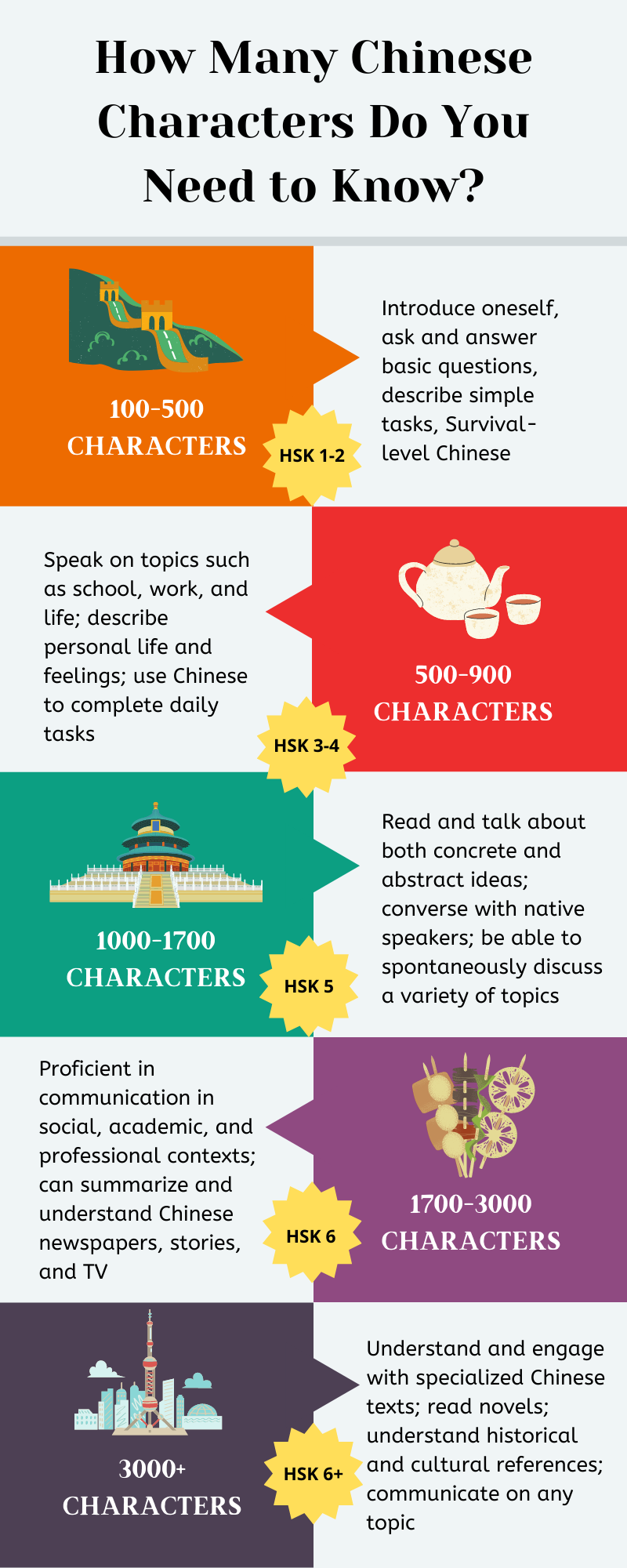
What is HSK 1 and its Learning Scope?
HSK 1 is the beginner level of the Hanyu Shuiping Kaoshi (HSK), China's standardized Mandarin proficiency test. It covers basic vocabulary, grammar, and simple conversational skills. To pass HSK 1, learners must know 150 vocabulary words and understand elementary sentence structures. The scope includes:
- Greetings and self-introductions.
- Asking and answering simple questions (e.g., name, age, nationality).
- Recognizing numbers, dates, and time.
Average Time Required to Learn HSK 1
The time needed to learn HSK 1 varies based on factors like prior language experience and study intensity. On average:
- 3–6 months for casual learners (1–2 hours/week).
- 1–2 months for dedicated learners (10+ hours/week).
- Accelerated programs may achieve it in 3–4 weeks with immersion.
Key Factors Affecting Learning Speed
Several elements influence how quickly you master HSK 1:
- Native language: Speakers of tonal languages (e.g., Vietnamese) may progress faster.
- Study consistency: Daily practice accelerates retention.
- Learning methods: Apps, tutors, or classes impact efficiency.
Recommended Study Materials for HSK 1
Using the right resources can streamline your progress. Top choices include:
- Textbooks: Standard Course HSK 1 or HSK Standardized Course.
- Apps: Duolingo, HelloChinese, or Anki for flashcards.
- Practice tests: Official HSK mock exams to gauge readiness.
Tips to Accelerate HSK 1 Mastery
To learn faster, adopt these strategies:
- Focus on high-frequency words: Prioritize the 150 HSK 1 vocabulary terms.
- Practice speaking daily: Use language exchange apps like Tandem.
- Immerse yourself: Watch Mandarin cartoons or listen to simple podcasts.
Which Chinese song is easy to sing?

What Makes a Chinese Song Easy to Sing?
An easy-to-sing Chinese song typically has a simple melody, repetitive lyrics, and a moderate tempo. These features make it accessible for beginners or non-native speakers. Here are key factors:
- Slow tempo: Songs with fewer rapid notes are easier to follow.
- Limited vocal range: Avoids high or complex pitch changes.
- Clear pronunciation: Lyrics with common words and phrases.
Top 5 Easy Chinese Songs for Beginners
Here are five popular Chinese songs known for their simplicity and appeal:
- Tóng Huà (童话) by Guang Liang: Slow tempo and emotional yet straightforward lyrics.
- Xiǎo Xìng Yùn (小幸运) by Hebe Tien: Gentle melody with repetitive phrasing.
- Yuè Liàng Dài Biǎo Wǒ De Xīn (月亮代表我的心) by Teresa Teng: Timeless classic with simple structure.
- Qīng Huá Cí (青花瓷) by Jay Chou: Poetic but with a predictable rhythm.
- Lǎo Shǔ Ài Dà Mǐ (老鼠爱大米) by Yang Chen Gang: Catchy and repetitive chorus.
How to Practice Singing Chinese Songs Effectively
To master an easy Chinese song, follow these steps:
- Listen repeatedly: Familiarize yourself with the melody and pronunciation.
- Break down lyrics: Practice line by line, focusing on tones.
- Use karaoke tools: Apps or videos with pinyin/translations help.
Common Challenges When Singing Chinese Songs
Even easy songs can pose difficulties, such as:
- Tonal accuracy: Mandarin relies on tones, which affect meaning.
- Lyric memorization: Characters may be unfamiliar to beginners.
- Rhythm alignment: Matching syllables to notes can be tricky.
Resources to Find Easy Chinese Songs
Discover beginner-friendly Chinese songs through:
- YouTube channels: Search for easy Chinese songs with subtitles.
- Music apps: Spotify or QQ Music playlists for learners.
- Language platforms: Websites like ChinesePod or Pleco often recommend songs.
Frequently Asked Questions (FAQ)
What are the best songs to learn Chinese for HSK Level 1 beginners?
For HSK Level 1 learners, it's best to start with simple, repetitive songs that focus on basic vocabulary and pronunciation. Songs like 两只老虎 (Liǎng Zhī Lǎohǔ, Two Tigers) and 小星星 (Xiǎo Xīngxīng, Little Star) are excellent choices. These songs use short sentences and common words, making them easy to memorize. Additionally, their catchy melodies help reinforce tones and rhythm, which are crucial for beginners. Listening and singing along can improve listening comprehension and speaking confidence at this foundational level.
How can HSK Level 2 learners benefit from Chinese songs?
At HSK Level 2, learners can expand their vocabulary and sentence structures through slightly more complex songs. Tracks like 找朋友 (Zhǎo Péngyou, Find a Friend) or 我的朋友在哪里 (Wǒ de Péngyou Zài Nǎlǐ, Where Are My Friends?) introduce everyday phrases and basic questions. These songs often include simple dialogues and descriptive language, helping learners practice grammar patterns naturally. The repetitive choruses also reinforce memory retention, while the engaging rhythms make learning enjoyable and effective.
Are there any modern Chinese songs suitable for HSK Level 3 learners?
Yes! HSK Level 3 learners can explore modern pop songs with clearer lyrics and moderate pacing. Songs like 童话 (Tónghuà, Fairy Tale) by Guang Liang or 简单爱 (Jiǎndān Ài, Simple Love) by Jay Chou are great options. These tracks feature intermediate vocabulary and emotional expressions, which align with HSK 3's focus on daily communication. The lyrics often include common idioms and cultural references, providing deeper insights into Chinese language and society. Singing along can also improve fluency and intonation.
What advanced Chinese songs help with HSK Level 4 and above?
For HSK Level 4 and higher, learners should challenge themselves with songs that feature rich vocabulary, complex sentences, and cultural depth. Classics like 月亮代表我的心 (Yuèliang Dàibiǎo Wǒ de Xīn, The Moon Represents My Heart) or contemporary hits like 平凡之路 (Píngfán Zhī Lù, Ordinary Road) by Pu Shu are ideal. These songs incorporate abstract concepts, metaphors, and historical context, helping advanced learners refine their comprehension and expressive skills. Analyzing lyrics can also enhance critical thinking and cultural appreciation, making them valuable tools for mastery.
Leave a Reply
Related Posts