
Top 8 Ways Chinese Teachers Can Use ChatGPT to Create Lesson Plans

Creating effective lesson plans is a cornerstone of successful teaching, and Chinese educators can now leverage ChatGPT to streamline this process. This AI-powered tool offers innovative ways to design engaging, personalized, and efficient lessons tailored to students' needs. From generating interactive activities to simplifying complex concepts, ChatGPT can save time while enhancing educational quality. In this article, we explore the top eight methods Chinese teachers can use to integrate ChatGPT into their lesson planning. Whether for language practice, cultural immersion, or STEM subjects, these strategies will help educators harness AI’s potential to foster dynamic and impactful learning experiences in the classroom.
- Top 8 Ways Chinese Teachers Can Use ChatGPT to Create Lesson Plans
- How can teachers use ChatGPT?
- What is the Chinese method of teaching?
- What is an example of a ChatGPT prompt for teachers?
- How do teachers plan lessons?
-
Frequently Asked Questions (FAQ)
- How can Chinese teachers use ChatGPT to generate creative lesson plan ideas?
- Can ChatGPT help Chinese teachers adapt lesson plans for different skill levels?
- How does ChatGPT assist in integrating cultural context into Chinese language lessons?
- Is ChatGPT useful for creating assessment materials for Chinese language classes?
Top 8 Ways Chinese Teachers Can Use ChatGPT to Create Lesson Plans
1. Generating Engaging Discussion Prompts
Chinese teachers can use ChatGPT to create thought-provoking questions and discussion topics tailored to their students' proficiency levels. By inputting a lesson theme, teachers can receive a variety of prompts that encourage critical thinking and language practice.
| Input | ChatGPT Output Example |
|---|---|
| Discussion prompts about Chinese festivals | How do Chinese New Year traditions reflect family values? |
2. Creating Customized Vocabulary Lists
ChatGPT can help teachers generate topic-specific vocabulary lists with definitions, example sentences, and pinyin. This ensures students learn relevant terms in context, enhancing retention.
See AlsoWhy using a good dictionary can be bad for your Chinese reading ability| Input | ChatGPT Output Example |
|---|---|
| Vocabulary list for a lesson on travel | 机场 (jīchǎng) - airport; 行李 (xíngli) - luggage |
3. Designing Interactive Role-Play Scenarios
Teachers can use ChatGPT to craft realistic dialogues for role-playing activities. These scenarios help students practice conversational skills in a structured yet dynamic way.
| Input | ChatGPT Output Example |
|---|---|
| Restaurant dialogue for beginners | A: 你想吃什么? (Nǐ xiǎng chī shénme?) B: 我要一碗面条。(Wǒ yào yī wǎn miàntiáo.) |
4. Developing Grammar Exercises
ChatGPT can generate fill-in-the-blank or sentence correction exercises focused on specific grammar rules, making lesson planning more efficient.
| Input | ChatGPT Output Example |
|---|---|
| Exercises for 把 (bǎ) structure | Complete: 请__书放在桌子上。(Qǐng __ shū fàng zài zhuōzi shàng.) |
5. Crafting Cultural Insight Activities
Teachers can leverage ChatGPT to design cultural comparison tasks or quizzes that deepen students' understanding of Chinese traditions and modern society.
See AlsoCan native speakers be wrong about Chinese grammar and pronunciation?| Input | ChatGPT Output Example |
|---|---|
| Compare Mid-Autumn Festival and Thanksgiving | Both festivals emphasize family reunions, but Mid-Autumn Festival includes mooncakes and lanterns. |
How can teachers use ChatGPT?
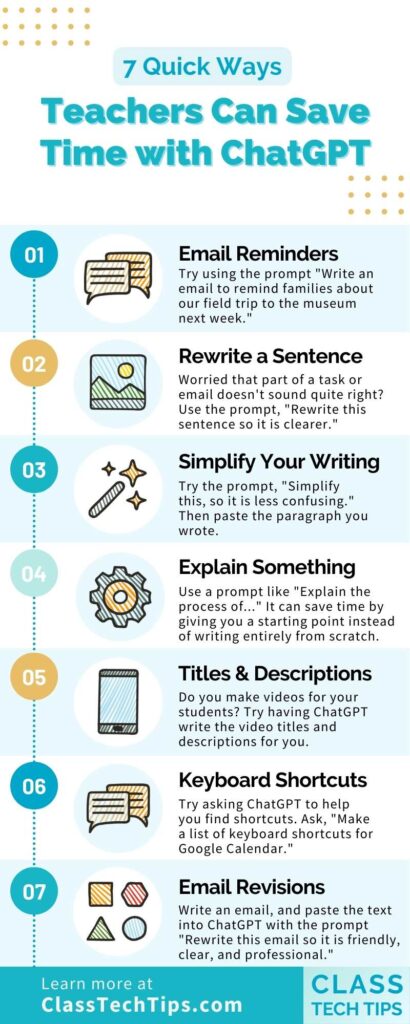
Lesson Planning and Resource Creation
Teachers can use ChatGPT to streamline lesson planning and generate educational resources quickly. The AI can provide structured outlines, activity ideas, and even quizzes tailored to specific topics.
- Generate lesson outlines based on curriculum standards or learning objectives.
- Create worksheets, flashcards, or reading materials in minutes.
- Adapt content for different learning levels (e.g., simplified or advanced versions).
Personalized Student Support
ChatGPT can assist teachers in offering personalized learning experiences by providing instant feedback, explanations, or additional practice for students.
See AlsoWhy you should start blogging in Chinese today- Answer student questions outside of class hours as a virtual tutor.
- Provide tailored explanations for complex topics in multiple ways.
- Generate practice problems based on individual student needs.
Automating Administrative Tasks
Teachers can save time by using ChatGPT to handle administrative duties, such as drafting emails, reports, or announcements.
- Draft parent-teacher communication efficiently.
- Summarize student progress for report cards or meetings.
- Create schedules or reminders for classroom activities.
Enhancing Classroom Discussions
ChatGPT can stimulate critical thinking and engagement by generating discussion prompts, debate topics, or role-playing scenarios.
- Generate thought-provoking questions for group discussions.
- Simulate historical or fictional characters for interactive lessons.
- Encourage creative writing with story starters or prompts.
Professional Development and Research
Teachers can leverage ChatGPT for their own professional growth, staying updated on teaching strategies or subject matter.
See AlsoAn introduction to extensive reading for Chinese learners- Summarize educational research or pedagogical trends.
- Brainstorm innovative teaching methods for diverse classrooms.
- Translate materials for multilingual teaching environments.
What is the Chinese method of teaching?
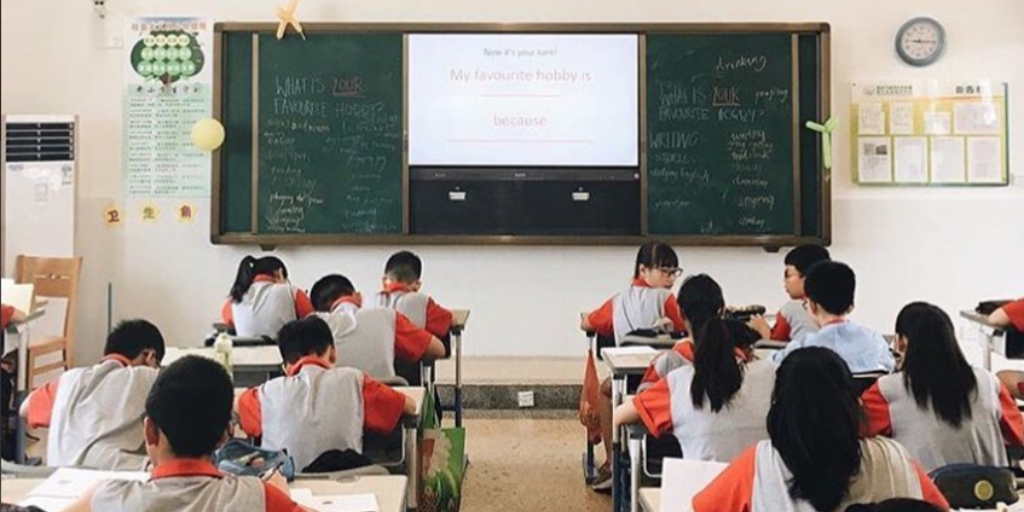
Traditional Chinese Teaching Methods
The traditional Chinese method of teaching emphasizes rote memorization, discipline, and teacher-centered instruction. This approach focuses on:
- Repetition and drills to reinforce knowledge.
- High expectations for student performance.
- Respect for authority, with teachers leading the classroom.
Modern Adaptations in Chinese Education
In recent years, China has incorporated modern teaching techniques while retaining core principles. Key aspects include:
- Blended learning, combining traditional and digital methods.
- Critical thinking exercises alongside memorization.
- Project-based learning in some progressive schools.
Role of Examinations in Chinese Teaching
Standardized testing plays a central role in Chinese education, influencing teaching methods through:
- Gaokao, the national college entrance exam, shaping curriculum.
- Frequent assessments to monitor progress.
- Competitive environment that drives student performance.
Classroom Structure and Discipline
Chinese classrooms typically feature:
- Large class sizes with an average of 40-50 students.
- Strict behavioral norms and clear expectations.
- Collective learning rather than individualized attention.
Parental Involvement in Chinese Education
Parents play an active role in their children's education by:
- Investing heavily in tutoring and extracurriculars.
- Monitoring progress closely and setting high standards.
- Supporting teachers' authority in the learning process.
What is an example of a ChatGPT prompt for teachers?

What is a ChatGPT Prompt for Teachers?
A ChatGPT prompt for teachers is a specific instruction or question designed to generate useful responses for educational purposes. Teachers can use these prompts to create lesson plans, quizzes, or even classroom activities. For example:
- Generate a 30-minute lesson plan for teaching fractions to 5th graders.
- Create a multiple-choice quiz on World War II with 10 questions.
- Suggest interactive activities to improve students' vocabulary.
How Can Teachers Use ChatGPT Prompts Effectively?
To use ChatGPT prompts effectively, teachers should provide clear and detailed instructions. The more specific the prompt, the better the output. Here are some tips:
- Define the topic and grade level for accuracy.
- Specify the format (e.g., lesson plan, quiz, discussion questions).
- Include constraints like time limits or difficulty levels.
What Are the Benefits of Using ChatGPT Prompts in Teaching?
ChatGPT prompts offer several advantages for educators, saving time and enhancing creativity. Key benefits include:
- Time-saving: Quickly generate teaching materials.
- Customization: Tailor content to student needs.
- Engagement: Create interactive and dynamic lessons.
What Types of Prompts Work Best for Teachers?
Certain prompt types yield better results for teachers. Effective examples include:
- Lesson planning prompts: Outline a science experiment for 7th graders.
- Assessment prompts: Write 5 essay questions about Shakespeare.
- Behavioral prompts: Suggest strategies to manage a disruptive classroom.
How to Refine ChatGPT Prompts for Better Results?
Refining prompts ensures higher-quality responses. Teachers can improve outputs by:
- Adding context: For ESL students, explain photosynthesis simply.
- Using step-by-step requests: First, list key points; then, create examples.
- Iterating: Adjust prompts based on initial responses.
How do teachers plan lessons?
:max_bytes(150000):strip_icc()/lesson-plan-56a563335f9b58b7d0dc9e5c.JPG)
Understanding the Curriculum and Standards
Teachers begin by reviewing the curriculum guidelines and educational standards to ensure their lessons align with required learning outcomes. This involves analyzing grade-level expectations and identifying key concepts students must master.
- Examine state or national curriculum documents.
- Identify core learning objectives for the subject and grade level.
- Cross-reference standards with textbooks or supplementary materials.
Setting Clear Learning Objectives
Effective lesson planning requires defining specific, measurable, and achievable goals. Teachers articulate what students should know or be able to do by the end of the lesson.
- Write SMART (Specific, Measurable, Achievable, Relevant, Time-bound) objectives.
- Prioritize essential skills or knowledge.
- Communicate objectives clearly to students at the start of the lesson.
Designing Engaging Instructional Activities
Teachers select interactive and varied methods to cater to different learning styles, ensuring student engagement and comprehension.
- Incorporate multimedia, group work, or hands-on experiments.
- Use scaffolding techniques to build on prior knowledge.
- Integrate formative assessments (e.g., quizzes, discussions) to check understanding.
Preparing Assessment and Feedback Strategies
Assessments help teachers gauge student progress and adjust instruction. Formative and summative assessments are planned to measure learning outcomes.
- Develop rubrics or criteria for grading assignments.
- Plan exit tickets or quick checks for real-time feedback.
- Adjust future lessons based on assessment data.
Reflecting and Revising the Lesson Plan
After teaching, educators reflect on the lesson's effectiveness and make improvements for future iterations.
- Note what worked well and what didn’t.
- Solicit student feedback through surveys or discussions.
- Update materials or methods to enhance learning.
Frequently Asked Questions (FAQ)
How can Chinese teachers use ChatGPT to generate creative lesson plan ideas?
Chinese teachers can leverage ChatGPT to brainstorm innovative lesson plan ideas by inputting specific topics or learning objectives. For example, they can ask the AI to suggest engaging activities, discussion prompts, or multimedia resources tailored to their students' proficiency levels. ChatGPT can also provide culturally relevant examples or analogies to make lessons more relatable. By refining these suggestions, teachers can create dynamic and interactive lesson plans that cater to diverse learning styles.
Can ChatGPT help Chinese teachers adapt lesson plans for different skill levels?
Absolutely! ChatGPT can assist Chinese teachers in customizing lesson plans for beginners, intermediate, and advanced learners. By specifying the target proficiency level, teachers can receive differentiated content, such as simplified vocabulary for beginners or complex sentence structures for advanced students. Additionally, the AI can suggest scaffolding techniques, like visual aids or peer collaboration strategies, to ensure all students grasp the material effectively.
How does ChatGPT assist in integrating cultural context into Chinese language lessons?
ChatGPT is a powerful tool for embedding cultural context into lesson plans. Teachers can ask the AI to generate explanations of Chinese traditions, idioms, or historical events that align with the language topics being taught. For instance, if the lesson focuses on greetings, ChatGPT can provide insights into formal and informal customs in different Chinese-speaking regions. This enriches students' understanding and appreciation of the language beyond grammar and vocabulary.
Is ChatGPT useful for creating assessment materials for Chinese language classes?
Yes, ChatGPT can streamline the creation of assessment materials, such as quizzes, writing prompts, or oral practice questions. Teachers can request the AI to generate multiple-choice questions, fill-in-the-blank exercises, or even role-play scenarios based on the lesson's content. Additionally, ChatGPT can help design rubrics or grading criteria to ensure assessments align with learning objectives. This saves time while maintaining the quality and relevance of evaluations.
Leave a Reply
Related Posts