
Travelling and Getting Scammed in Harbin

Harbin, a vibrant city in northeastern China, is famous for its Ice Festival, rich history, and unique Russian influences. However, like many popular tourist destinations, it has its share of scams targeting unsuspecting travelers. From overpriced taxis and counterfeit tickets to fake tour guides and inflated prices at markets, visitors must stay vigilant to avoid falling victim to these schemes. While Harbin offers unforgettable experiences, being aware of common scams can save time, money, and frustration. This article explores the most frequent travel scams in Harbin, providing practical tips to help tourists navigate the city safely and enjoy its wonders without falling prey to dishonest practices.
Common Travel Scams in Harbin and How to Avoid Them
1. Taxi Overcharging Scams
One of the most frequent scams in Harbin involves taxi drivers overcharging tourists, especially those unfamiliar with local fares. Some drivers may refuse to use the meter or take unnecessarily long routes. To avoid this, always insist on using the meter or use ride-hailing apps like Didi for transparent pricing.
| Scam Type | How to Avoid |
|---|---|
| Meter refusal | Demand meter use or exit the taxi |
| Long detours | Use GPS to track the route |
2. Fake Tourist Attraction Tickets
Scammers near popular sites like Ice and Snow World may sell fake or overpriced tickets. Always purchase tickets from official booths or verified online platforms. Be wary of discounted tickets offered by street vendors.
See AlsoHow technology can help you learn Chinese| Scam Type | How to Avoid |
|---|---|
| Counterfeit tickets | Buy only from authorized sellers |
| Inflated prices | Check official website prices |
3. Tea House Scams
Some tourists are lured into tea houses by friendly locals, only to be charged exorbitant prices for tea ceremonies. Politely decline invitations from strangers and research reputable tea houses beforehand.
| Scam Type | How to Avoid |
|---|---|
| Forced high bills | Avoid spontaneous invitations |
| Pressure tactics | Walk away if uncomfortable |
4. Currency Exchange Fraud
Unauthorized money changers, especially around Central Street, may offer attractive rates but shortchange tourists or provide counterfeit bills. Only exchange currency at banks or licensed exchange offices.
| Scam Type | How to Avoid |
|---|---|
| Counterfeit money | Use ATMs or banks |
| Rigged calculators | Count money carefully |
5. Fake Tour Guides
Unlicensed guides may approach tourists at transportation hubs, offering cheap tours that include forced shopping stops. Always book guides through reputable agencies or your hotel.
See AlsoHow to Use Technology to Create an Immersive Environment in the Chinese Classroom| Scam Type | How to Avoid |
|---|---|
| Commission traps | Research licensed operators |
| Low-quality tours | Check online reviews first |
What to do if you get scammed from China?
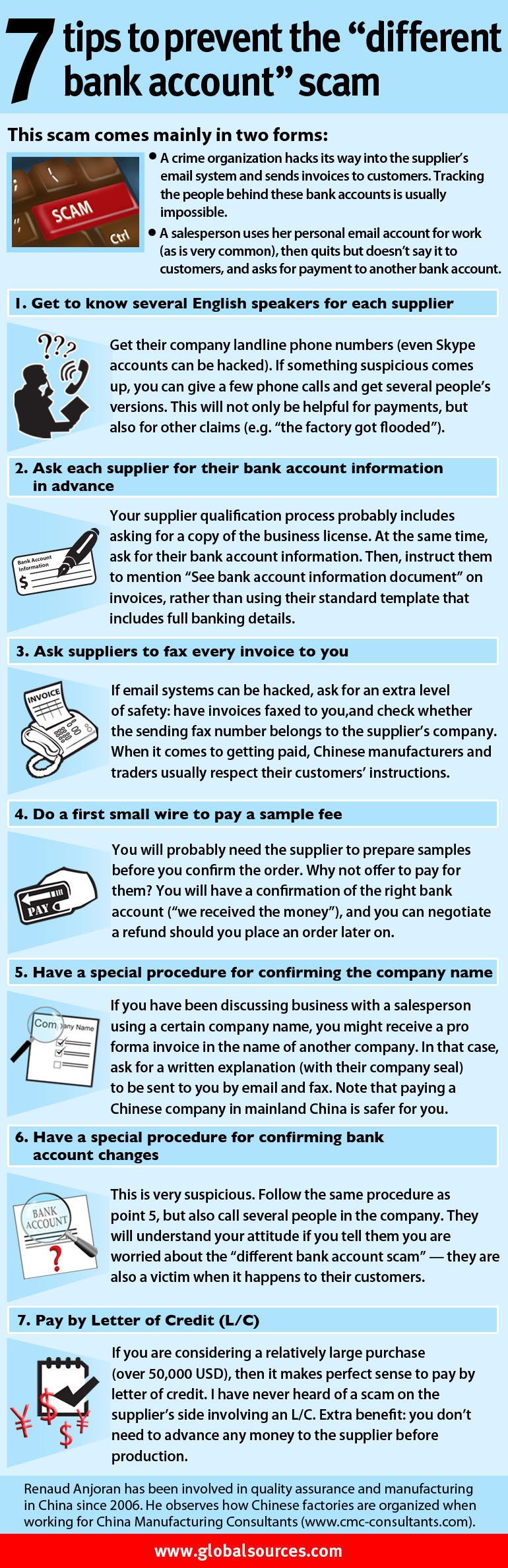
If you have been scammed from China, the first step is to report the incident to your local law enforcement or consumer protection agency. Provide all relevant details, including transaction records, communication logs, and any other evidence.
- File a police report to document the fraud officially.
- Contact your bank or payment provider to dispute the transaction if money was involved.
- Notify your country’s cybercrime division if the scam occurred online.
Contact Chinese Consumer Protection Agencies
Reach out to Chinese authorities such as the Consumer Association of China (CAC) or the Public Security Bureau (PSB) to report fraudulent activities originating in China.
See AlsoWhy flashcards are great for learning Chinese- Submit a complaint through the official CAC website or hotline.
- Provide evidence like screenshots, emails, or receipts to support your claim.
- Follow up regularly to check the status of your complaint.
Notify Your Payment Provider or Bank
If you made a payment through a bank transfer, credit card, or online platform like Alipay or WeChat Pay, immediately contact the service provider to request a refund or dispute the charge.
- Freeze your account if suspicious activity is detected.
- Request a chargeback if you used a credit card or PayPal.
- Monitor your statements for further unauthorized transactions.
Warn Others About the Scam
Help prevent others from falling victim by sharing your experience on consumer forums, social media, or scam-tracking websites.
- Post details on platforms like Scamadviser or the Better Business Bureau.
- Leave reviews on the seller’s website or marketplace (e.g., Alibaba, Taobao).
- Join online communities to raise awareness about common scams from China.
Consider Legal Action
If the scam involves a significant financial loss, consult a legal professional to explore options for international litigation or mediation.
See AlsoChinese character learning for all students- Hire a lawyer experienced in cross-border fraud cases.
- Check international treaties that may assist in recovering losses.
- Gather all documentation to build a strong case.
How do I visit Harbin?

Best Time to Visit Harbin
The best time to visit Harbin is during winter, particularly from December to February, when the city hosts the famous Harbin Ice and Snow Festival. However, if you prefer milder weather, consider visiting in autumn (September–October).
- Winter (Dec–Feb): Ideal for ice sculptures and snow activities.
- Autumn (Sep–Oct): Pleasant temperatures and fewer crowds.
- Summer (Jun–Aug): Warm but less iconic for Harbin's winter attractions.
How to Get to Harbin
Harbin is accessible via air, train, or bus. The Harbin Taiping International Airport connects to major Chinese cities, while high-speed trains link Harbin to Beijing, Shanghai, and Shenyang.
See Also21 essential dictionaries and corpora for learning Chinese- By Air: Fly into Harbin Taiping International Airport (HRB).
- By Train: High-speed trains from Beijing (~8 hours) or Shanghai (~12 hours).
- By Bus: Long-distance buses from nearby provinces like Jilin.
Top Attractions in Harbin
Harbin is famous for its unique architecture and winter festivals. Key attractions include the Harbin Ice and Snow World, St. Sophia Cathedral, and Central Street.
- Harbin Ice and Snow World: A must-see for ice sculptures.
- St. Sophia Cathedral: A historic Russian-style church.
- Central Street: A pedestrian street with European architecture.
Where to Stay in Harbin
Accommodation options range from luxury hotels to budget hostels. The Daoli District is central and convenient for tourists.
- Luxury: Shangri-La Hotel or Sofitel Harbin.
- Mid-range: Holiday Inn Harbin City Centre.
- Budget: Harbin International Youth Hostel.
Local Transportation in Harbin
Getting around Harbin is easy with taxis, buses, and the metro. The metro system is efficient and covers major tourist areas.
- Metro: Fast and affordable, with lines to key attractions.
- Taxis: Widely available but ensure the meter is used.
- Buses: Cheap but may be crowded during peak hours.
Frequently Asked Questions (FAQ)
What are the most common scams targeting tourists in Harbin?
Harbin, known for its Ice Festival and rich culture, unfortunately, has its share of scams targeting tourists. One of the most common is the overcharging by taxi drivers, especially those who refuse to use meters or take unnecessarily long routes. Another frequent scam involves fake tour guides who approach visitors near attractions, offering discounted tickets or exclusive tours but then disappear after taking payment. Additionally, some vendors in popular markets may sell counterfeit souvenirs at inflated prices, claiming they are authentic local crafts. Always research prices beforehand and use reputable services to avoid falling victim.
How can I avoid being scammed by taxi drivers in Harbin?
To avoid taxi scams in Harbin, always insist that the driver uses the meter or agree on a fixed price before starting the ride. Ride-hailing apps like Didi are a safer alternative, as they provide transparent pricing and driver details. Be wary of drivers who claim your hotel or destination is closed and suggest an alternative—this is often a ploy to take you to a commission-based business. Additionally, note the license plate and driver’s ID, which should be displayed in the taxi, and avoid unmarked vehicles posing as taxis.
Are there any specific areas in Harbin where scams are more prevalent?
Scams are more concentrated in tourist-heavy areas such as Central Street (Zhongyang Dajie), the Ice and Snow World, and around the Harbin Railway Station. These locations attract opportunistic scammers due to the high volume of visitors. Street vendors, unofficial ticket sellers, and unlicensed tour operators often linger here. While exploring, stay cautious of strangers offering unsolicited help or deals that seem too good to be true. Stick to official ticket counters and verified businesses to minimize risks.
What should I do if I get scammed while travelling in Harbin?
If you fall victim to a scam, remain calm and gather evidence such as receipts, photos, or witness details. Report the incident to the local tourist police or your hotel staff, as they can assist in resolving the issue or directing you to the right authorities. For financial scams, contact your bank or credit card company to dispute charges if possible. To prevent further issues, avoid confrontations with scammers, as some may become aggressive. Sharing your experience online can also help warn other travelers about specific scams in Harbin.
Leave a Reply
Related Posts