
Is Learning Chinese Worth It? The Complete Guide

Learning Chinese is often seen as a daunting yet rewarding challenge, sparking debates about whether the effort truly pays off. With over a billion native speakers and China's growing global influence, mastering Mandarin opens doors to career opportunities, cultural understanding, and personal growth. However, the complexity of tones, characters, and grammar can intimidate even dedicated learners. This guide explores the practical benefits, potential hurdles, and long-term value of learning Chinese, helping you decide if it aligns with your goals. Whether for business, travel, or intellectual enrichment, understanding the pros and cons ensures you make an informed choice about this life-changing commitment.
Is Learning Chinese Worth It? The Complete Guide
1. The Growing Importance of Chinese in the Global Economy
China is the world's second-largest economy, and Mandarin Chinese is the most spoken language globally. Learning Chinese opens doors to business opportunities, career advancement, and cultural exchange. Many multinational companies seek employees who can bridge communication gaps with Chinese partners.
| Benefit | Impact |
|---|---|
| Business Expansion | Access to China's booming market |
| Job Market Edge | Higher demand for bilingual professionals |
| Networking | Stronger connections with Chinese firms |
2. Cognitive Benefits of Learning Mandarin
Learning Chinese enhances brain function due to its complex writing system and tonal nature. Studies show it improves memory, problem-solving skills, and even multitasking abilities.
See AlsoWhy you should learn Chinese in Chinese| Cognitive Skill | Improvement |
|---|---|
| Memory | Better retention from character learning |
| Focus | Heightened attention from tonal distinctions |
| Creativity | Enhanced pattern recognition |
3. The Challenge of Learning Chinese: Time and Effort
Mandarin is considered one of the hardest languages for English speakers due to characters, tones, and grammar differences. However, structured learning and immersion can accelerate progress.
| Challenge | Solution |
|---|---|
| Characters | Daily practice with flashcards |
| Tones | Listening and repetition exercises |
| Grammar | Focus on sentence patterns |
4. Career Opportunities for Chinese Speakers
Proficiency in Chinese can lead to roles in diplomacy, trade, education, and technology. Industries like finance and e-commerce particularly value bilingual candidates.
| Industry | Opportunity |
|---|---|
| Finance | Roles in international banking |
| Tech | Collaborations with Chinese tech giants |
| Education | Teaching or academic research |
5. Cultural Enrichment Through Mandarin
Learning Chinese provides deeper access to history, literature, and traditions. It allows meaningful engagement with films, music, and philosophy in their original form.
See AlsoYou won’t learn Chinese simply by living abroad| Cultural Aspect | Benefit |
|---|---|
| Literature | Reading classic texts untranslated |
| Cinema | Understanding nuances in Chinese films |
| Philosophy | Exploring Confucianism and Daoism |
What is the most effective way to learn Chinese?
Immerse Yourself in the Language
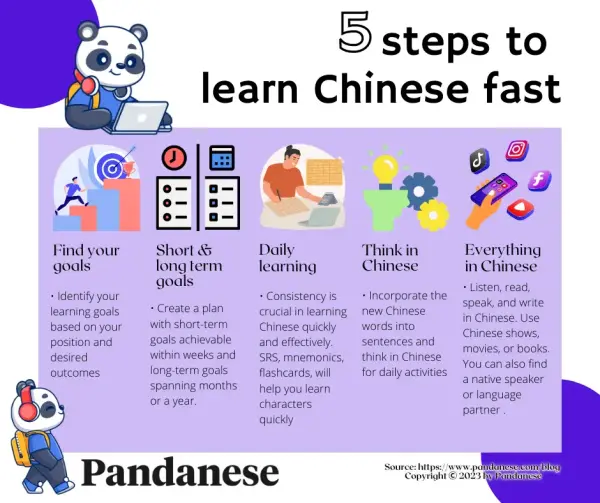
The most effective way to learn Chinese is through immersion. Surrounding yourself with the language accelerates comprehension and retention. Here’s how:
- Watch Chinese media: Movies, TV shows, and news in Mandarin help you absorb pronunciation and context.
- Listen to Chinese music/podcasts: Improves auditory recognition of tones and common phrases.
- Engage with native speakers: Practice conversations via language exchange platforms or local communities.
Master the Tones and Pronunciation Early
Tones are critical in Mandarin, as mispronunciation can change meanings entirely. Focus on this foundation:
See AlsoFastest Way to Learn Chinese - 8 Critical Ideas- Practice with pinyin: Learn the romanization system to understand tone marks (e.g., mā, má, mǎ, mà).
- Use tone drills: Repeat words with a tutor or app to refine accuracy.
- Record yourself: Compare your speech to native speakers to identify discrepancies.
Build a Strong Vocabulary with Flashcards
Memorization is key, and tools like flashcards (physical or digital) optimize learning:
- Use spaced repetition: Apps like Anki or Pleco reinforce long-term retention.
- Focus on high-frequency words: Prioritize everyday vocabulary (e.g., greetings, numbers, food).
- Include example sentences: Contextual usage helps solidify understanding.
Study Chinese Characters Systematically
Characters are daunting but manageable with a structured approach:
- Start with radicals: Learn common components to decipher character meanings.
- Write regularly: Practice stroke order to improve recall and handwriting.
- Break down complex characters: Analyze them into smaller, familiar parts.
Consistent Practice and Accountability
Consistency trumps intensity. Establish a routine and track progress:
- Set daily goals: Even 15–30 minutes of focused study adds up.
- Join a study group: Peer motivation keeps you accountable.
- Test yourself: Regular quizzes or mock exams highlight areas for improvement.
How long does it realistically take to learn Chinese?

Factors That Influence Learning Chinese
The time it takes to learn Chinese depends on several factors, including your native language, study methods, and exposure to the language. Here are key aspects to consider:
- Language background: Speakers of tonal languages (e.g., Vietnamese) may grasp pronunciation faster than non-tonal language speakers.
- Study intensity: Dedicated learners (20+ hours/week) progress quicker than casual learners (5 hours/week).
- Immersion: Living in a Chinese-speaking environment accelerates fluency.
Basic Proficiency: Survival Chinese
Achieving basic proficiency (ordering food, simple conversations) typically takes:
- 3–6 months with consistent practice (1–2 hours daily).
- Focus on high-frequency phrases and Pinyin (Romanization system).
- Limited character recognition (100–300 characters).
Intermediate Level: Conversational Fluency
Reaching intermediate fluency (discussing everyday topics) usually requires:
- 1–2 years of structured study (10–15 hours/week).
- Mastery of 1,000–2,000 characters and common grammar patterns.
- Ability to watch simple TV shows or read short articles.
Advanced Proficiency: Near-Native Level
Attaining advanced proficiency (debating, professional use) often demands:
- 3–5+ years of immersion or intensive study.
- Knowledge of 3,000–5,000 characters and idiomatic expressions.
- Experience with formal writing and specialized vocabulary.
Accelerating Your Chinese Learning
To speed up progress, consider these strategies:
- Use spaced repetition apps (e.g., Anki) for characters.
- Practice speaking daily with native speakers (online/tutors).
- Consume authentic content (podcasts, news, dramas).
Is learning traditional Chinese worth it?
Career Opportunities with Traditional Chinese
Learning Traditional Chinese can significantly enhance your career prospects, especially in fields like international business, diplomacy, and academia. Many multinational companies value employees who can navigate Chinese-speaking markets, particularly in regions like Taiwan and Hong Kong where Traditional Chinese is the standard script.
- Business expansion into Chinese-speaking regions becomes easier with language proficiency.
- Jobs in translation and interpretation often require Traditional Chinese skills.
- Roles in cultural exchange programs or education benefit from deep linguistic understanding.
Cultural and Historical Significance
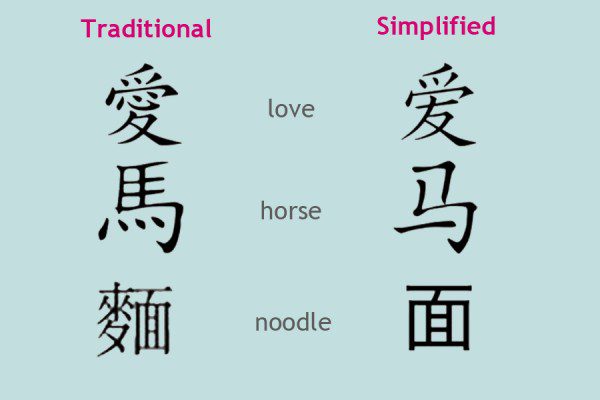
Traditional Chinese is deeply tied to East Asian history and literature. Mastering it allows access to classical texts, ancient philosophies, and cultural artifacts that Simplified Chinese may not fully capture.
- Reading classical literature like Confucian texts in their original form.
- Understanding calligraphy and art that rely on Traditional characters.
- Preserving cultural heritage by engaging with undiluted historical documents.
Travel and Communication Benefits
If you plan to visit or live in Taiwan, Hong Kong, or Macau, knowing Traditional Chinese improves daily interactions and deepens your travel experience.
- Easier navigation of local signage and public transport systems.
- Better communication with locals, fostering meaningful connections.
- Access to regional media, including newspapers and TV shows.
Cognitive and Academic Advantages
Learning Traditional Chinese challenges the brain and improves memory, problem-solving, and multitasking abilities. It also opens doors to academic research in Sinology or East Asian studies.
- Enhances cognitive flexibility due to the complexity of characters.
- Supports academic research in history, linguistics, or anthropology.
- Boosts multilingual proficiency by understanding character-based writing systems.
Challenges and Time Investment
While rewarding, mastering Traditional Chinese requires significant effort due to its intricate characters and tonal pronunciation. Weighing the pros and cons is essential before committing.
- Steep learning curve with thousands of unique characters.
- Time-consuming compared to learning Simplified Chinese or alphabetic languages.
- Limited utility in Mainland China, where Simplified Chinese dominates.
Is 2 years enough to learn Chinese?
Can You Achieve Fluency in Chinese in 2 Years?
While achieving fluency in Chinese in just 2 years is ambitious, it depends on several factors. Consistency, study methods, and immersion play critical roles. Here’s what to consider:
- Daily practice: Dedicating at least 1-2 hours daily accelerates progress.
- Immersion: Living in a Chinese-speaking environment speeds up learning.
- Focus areas: Prioritizing speaking and listening over complex characters early on helps.
What Level of Chinese Can You Reach in 2 Years?
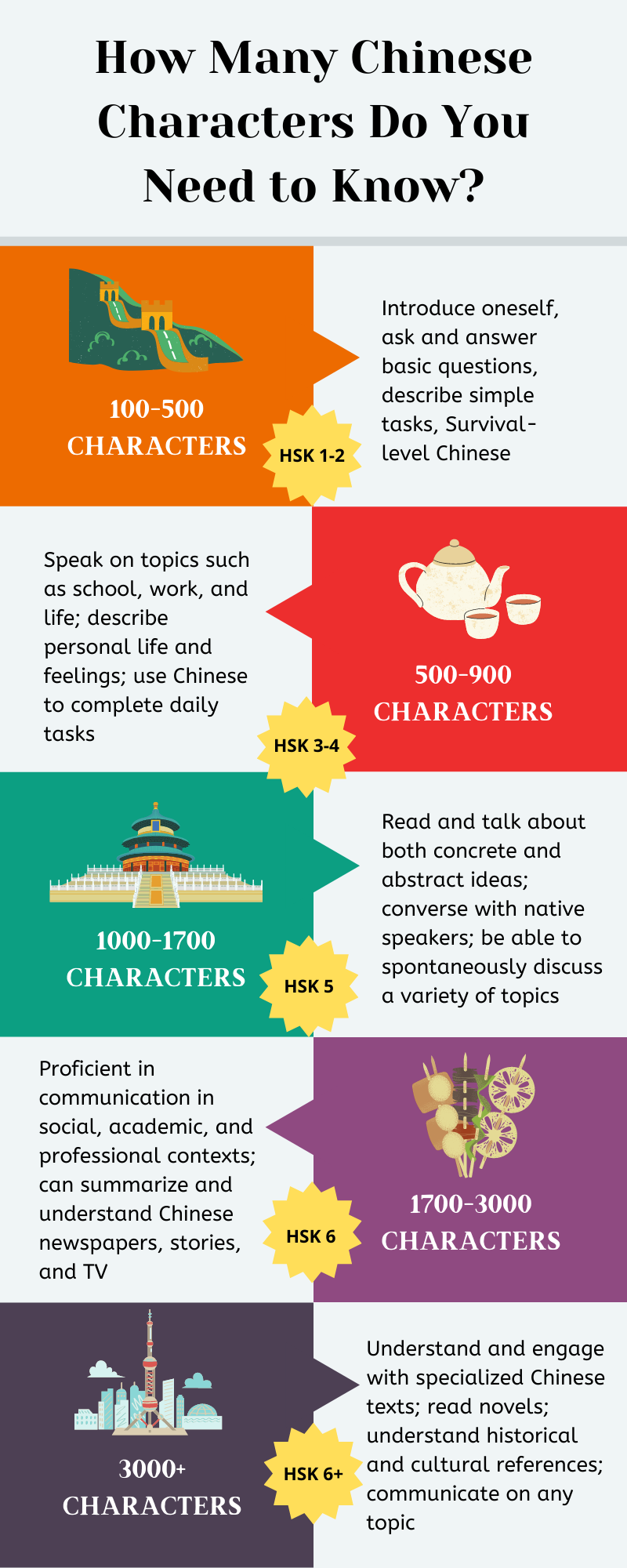
In 2 years, a dedicated learner can reach an intermediate to upper-intermediate level (HSK 4-5). Key milestones include:
- Basic conversations: Discussing daily topics like hobbies, work, and travel.
- Reading: Understanding around 1,200-2,500 characters.
- Writing: Composing short essays or messages with some accuracy.
What Are the Biggest Challenges in Learning Chinese Quickly?
Learning Chinese in 2 years comes with hurdles, including:
- Tones: Mastering Mandarin’s four tones requires consistent practice.
- Characters: Memorizing thousands of unique symbols is time-consuming.
- Grammar differences: Adjusting to sentence structures unlike English.
How to Optimize Study Time for Learning Chinese in 2 Years?
Maximizing efficiency is key to progress. Effective strategies include:
- Spaced repetition: Using apps like Anki for vocabulary retention.
- Language partners: Practicing with native speakers weekly.
- Structured courses: Following a curriculum (e.g., HSK levels) for clear goals.
Is Immersion Necessary to Learn Chinese in 2 Years?
While not mandatory, immersion significantly boosts learning speed. Alternatives include:
- Media consumption: Watching Chinese shows or listening to podcasts.
- Online communities: Engaging in language exchange platforms.
- Virtual immersion: Setting devices and apps to Chinese.
Frequently Asked Questions (FAQ)
Is learning Chinese useful for career advancement?
Learning Chinese can significantly boost your career prospects, especially in industries like international business, trade, and diplomacy. With China being a global economic powerhouse, fluency in Mandarin opens doors to job opportunities with multinational companies, government agencies, and NGOs. Professionals who speak Chinese often have a competitive edge in negotiations, partnerships, and client relations. Additionally, industries such as technology, finance, and tourism highly value bilingual employees who can bridge cultural and linguistic gaps.
How difficult is it to learn Chinese compared to other languages?
Chinese is often considered one of the more challenging languages for English speakers due to its tonal nature, complex writing system, and lack of cognates. However, grammar is relatively simple compared to many European languages, with no verb conjugations or gendered nouns. The difficulty depends on your dedication, learning methods, and exposure to the language. While Mandarin pronunciation can be tough, consistent practice with native speakers or immersive tools can accelerate progress.
What are the cultural benefits of learning Chinese?
Mastering Chinese provides deep cultural insights into one of the world’s oldest civilizations. You’ll gain a better understanding of Chinese literature, philosophy (like Confucianism and Taoism), and traditions. Language learning also fosters cross-cultural empathy, helping you appreciate festivals, art, and social norms. Additionally, speaking Chinese allows you to engage more authentically with native speakers, whether traveling or building personal relationships, enriching your global perspective.
Can I learn Chinese effectively without living in China?
Yes, you can learn Chinese effectively outside China by leveraging online resources, language apps, and virtual tutors. Platforms like Duolingo, HelloChinese, and iTalki offer structured lessons and real-time practice. Watching Chinese films, TV shows, and YouTube channels can improve listening skills, while language exchange partners help with speaking. However, immersion accelerates fluency, so consider short-term study programs or travel if possible. Consistency and exposure are key, regardless of location.
Leave a Reply
Related Posts