
Learn Chinese by playing Mahjong (麻将, májiàng)

Learning Chinese can be an exciting journey, especially when combined with cultural immersion. One engaging way to achieve this is by playing Mahjong (麻将, májiàng), a traditional tile-based game deeply rooted in Chinese heritage. As you strategize and interact with the tiles, you’ll naturally pick up essential vocabulary, numbers, and phrases in Mandarin. The game’s social nature encourages conversation, helping you practice pronunciation and comprehension in a relaxed setting. Whether you’re a beginner or an advanced learner, Mahjong offers a fun, interactive method to enhance your language skills while appreciating Chinese culture. Dive into the world of Mahjong and discover how play can become a powerful learning tool.
Learn Chinese by Playing Mahjong (麻将, Májiàng)
How Mahjong Helps You Learn Chinese Characters
Playing Mahjong exposes learners to essential Chinese characters engraved on the tiles, such as numbers (一, 二, 三), directions (东, 南, 西, 北), and symbols (中, 发, 白). Repeated exposure reinforces recognition and memorization, making it a fun, interactive method to build vocabulary.
| Tile Type | Chinese Characters | Meaning |
|---|---|---|
| Numbers | 一, 二, 三 | One, Two, Three |
| Directions | 东, 南, 西, 北 | East, South, West, North |
| Symbols | 中, 发, 白 | Red Dragon, Green Dragon, White Dragon |
Essential Mahjong Terms in Chinese
Mastering Mahjong terminology in Chinese, like 胡牌 (hú pái) (winning hand) or 碰 (pèng) (matching a pair), accelerates language acquisition. These terms are frequently used during gameplay, helping learners practice pronunciation and listening skills in context.
See Also30 Useful Chengyu (Chinese Idioms) for Everyday Life and Work| Term | Pinyin | Meaning |
|---|---|---|
| 胡牌 | hú pái | Winning hand |
| 碰 | pèng | Matching a pair |
| 吃 | chī | Forming a sequence |
Cultural Insights Through Mahjong
Mahjong is deeply rooted in Chinese culture. Learning the game reveals social customs, idioms (e.g., 杠上开花 (gàng shàng kāi huā)), and historical context, enriching your understanding of Chinese traditions while improving language proficiency.
| Phrase | Pinyin | Cultural Meaning |
|---|---|---|
| 杠上开花 | gàng shàng kāi huā | Unexpected luck |
| 清一色 | qīng yī sè | Pure suit (strategy) |
Improving Listening and Speaking Skills
Mahjong games often involve fast-paced conversations in Chinese. Players must listen for calls like “吃” (chī) or “杠” (gàng), enhancing auditory comprehension and encouraging verbal interaction in a natural setting.
| Game Action | Pinyin | Language Skill |
|---|---|---|
| Calling 吃 | chī | Listening/Response |
| Announcing 杠 | gàng | Pronunciation |
Strategic Thinking and Language Learning
Mahjong requires strategic planning, which parallels language learning. Analyzing tile patterns (牌型, pái xíng) mirrors constructing sentences, while decision-making under pressure improves cognitive flexibility in using Chinese.
See Also6 benefits of learning Chinese through sports| Strategy | Pinyin | Language Parallel |
|---|---|---|
| Reading opponents | 猜牌 (cāi pái) | Contextual understanding |
| Tile discard | 打牌 (dǎ pái) | Word selection |
Why was mahjong banned in China?

Historical Context of Mahjong's Ban in China
Mahjong was banned in China during certain periods, particularly under the Communist Party in the mid-20th century, due to its association with gambling and bourgeois culture. The government viewed it as a distraction from productivity and a symbol of feudalistic values.
- Gambling: Mahjong was often linked to illegal betting, which conflicted with socialist values.
- Class associations: It was seen as a pastime of the wealthy and corrupt elites.
- Social disruption: Authorities believed it encouraged laziness and wasted time.
Political Reasons Behind the Ban
The ban on mahjong was part of broader political campaigns, such as the Cultural Revolution, aimed at eradicating old traditions deemed counter-revolutionary.
See AlsoHSK 2 Vocabulary Test (150 Words)- Anti-traditionalism: The government sought to replace old customs with socialist ideals.
- Control over leisure: Authorities wanted to regulate how citizens spent their free time.
- Propaganda: Mahjong was portrayed as a harmful influence in state media.
The prohibition of mahjong disrupted social bonds and cultural practices, as it had been a popular communal activity for generations.
- Community gatherings: Mahjong was a key part of family and social interactions.
- Cultural erosion: The ban contributed to the decline of traditional games.
- Underground play: Many continued to play secretly despite restrictions.
Economic Factors Influencing the Ban
The ban was also motivated by economic concerns, as gambling losses were seen as detrimental to household stability and national productivity.
- Financial losses: Gambling debts could impoverish families.
- Workplace distractions: Employees playing mahjong during work hours harmed efficiency.
- Black markets: Illegal gambling rings flourished despite the ban.
Repeal and Modern Status of Mahjong in China
In later years, the ban was relaxed, and mahjong regained popularity as a cultural heritage and regulated game.
See AlsoSkritter review: Boosting your Chinese character learning- Legalization: Mahjong is now allowed in controlled environments.
- Competitive play: Official tournaments have emerged, distancing it from gambling.
- Cultural revival: It is celebrated as part of China's intangible cultural heritage.
Is Chinese mahjong hard to learn?
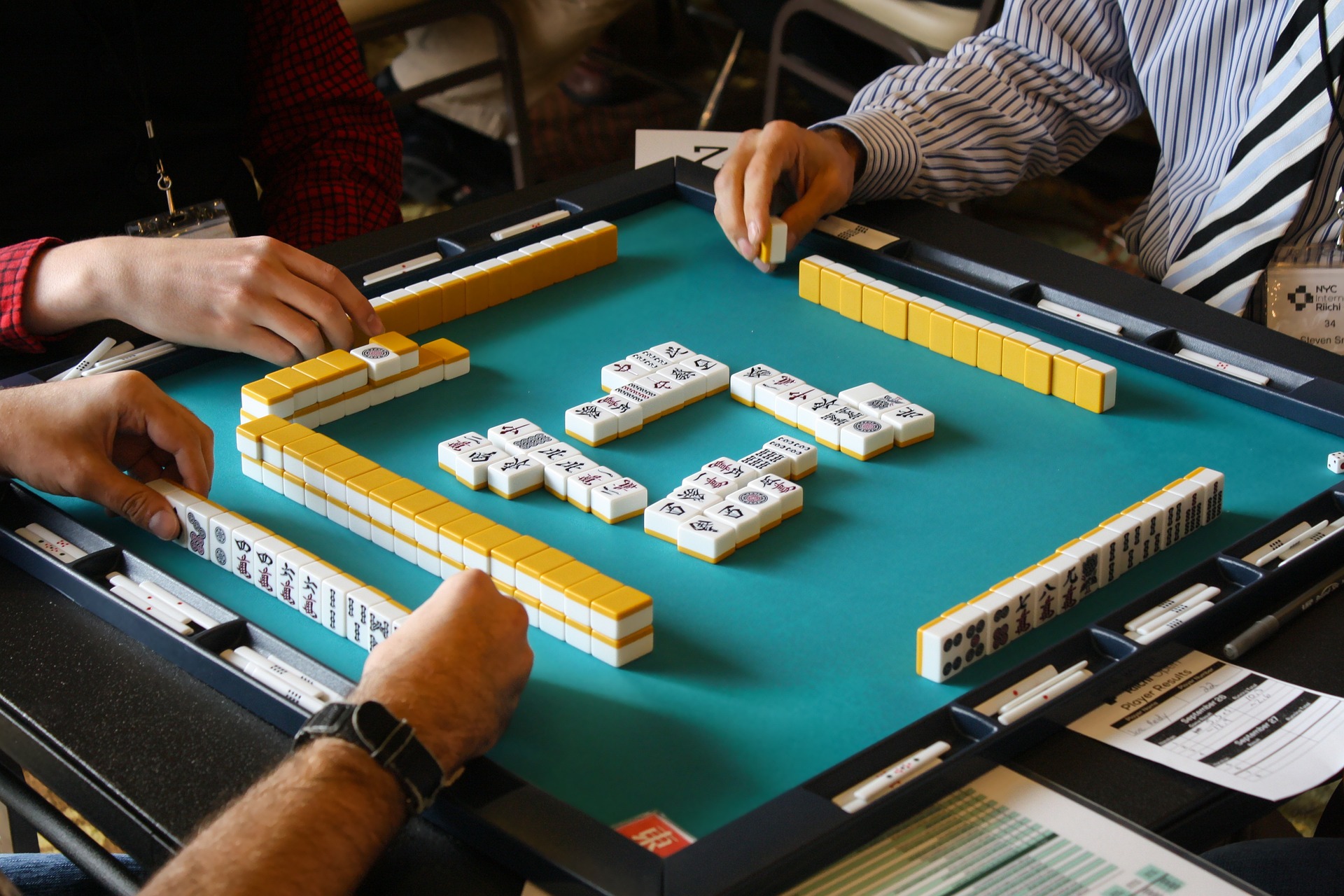
Understanding the Basic Rules of Chinese Mahjong
Learning the basic rules of Chinese Mahjong is the first step. While the game may seem complex at first, breaking it down into smaller components makes it manageable. Here are key aspects to focus on:
- Tile types: Familiarize yourself with the three main categories—Suits (Bamboo, Characters, Dots), Honors (Winds, Dragons), and Bonus tiles (Flowers, Seasons).
- Game objective: The goal is to form a complete hand (14 tiles) by creating sets like Pungs (three identical tiles), Kongs (four identical tiles), or Chows (three consecutive tiles in a suit).
- Turn structure: Players take turns drawing and discarding tiles while strategizing to complete their hand before opponents.
Memorizing Scoring and Winning Hands
Scoring in Chinese Mahjong can be intricate due to the variety of winning combinations and regional variations. Here’s what to consider:
See AlsoLearning Chinese in the shower with me- Common winning hands: Learn patterns like All Pungs, All Chows, or Seven Pairs, which are easier for beginners.
- Point systems: Different hands have varying point values, and some rulesets include bonus points for rare combinations.
- House rules: Be aware of local variations, as scoring may differ between Cantonese, Shanghai, or Taiwanese Mahjong.
Mastering Strategy and Decision-Making
Beyond rules, Chinese Mahjong requires strategic thinking and adaptability. Key elements include:
- Tile efficiency: Discard tiles that are least likely to help your hand while avoiding giving opponents an advantage.
- Reading opponents: Observe discards to predict what others are collecting and adjust your strategy accordingly.
- Risk assessment: Decide whether to play defensively or aggressively based on the game’s progress.
Overcoming the Learning Curve
The initial learning curve can be steep, but persistence pays off. Here’s how to ease the process:
- Practice regularly: Repetition helps internalize rules and recognize patterns faster.
- Use beginner-friendly resources: Apps, tutorials, or playing with experienced players can accelerate learning.
- Start with simpler variants: Begin with Hong Kong or Singaporean Mahjong before tackling more complex versions.
Common Challenges for Beginners
New players often face specific hurdles when learning Chinese Mahjong. Here are the most frequent ones:
- Tile recognition: Distinguishing between similar-looking suits or honor tiles can be confusing initially.
- Rule variations: Adapting to different regional rulesets may require additional effort.
- Speed of play: Keeping up with experienced players who make quick decisions can be overwhelming at first.
Frequently Asked Questions (FAQ)
How can playing Mahjong help me learn Chinese?
Mahjong is a traditional Chinese tile-based game that involves strategy, memory, and social interaction. By playing Mahjong, you immerse yourself in a culturally rich environment where you encounter Chinese characters, numbers, and phrases naturally. The game requires you to recognize and pronounce tile names, such as 万 (wàn) for characters or 条 (tiáo) for bamboos, reinforcing vocabulary. Additionally, the social aspect encourages conversational practice, helping you learn common expressions and cultural nuances in a fun, engaging way.
What Chinese vocabulary can I learn from Mahjong?
Playing Mahjong exposes you to a variety of Chinese terms, including tile names like 筒 (tǒng) for circles, 风 (fēng) for winds, and 中 (zhōng) for the red dragon. You’ll also pick up gameplay phrases such as 吃 (chī) to claim a tile, 碰 (pèng) for a pair, or 胡 (hú) for winning. Beyond tiles, you’ll learn numbers, directions (east, south, etc.), and even idiomatic expressions used during play. This practical vocabulary builds a foundation for everyday Mandarin communication.
Is Mahjong suitable for beginners learning Chinese?
Absolutely! While Mahjong may seem complex at first, beginners can start by focusing on basic tile recognition and simple terms. The repetitive nature of the game helps reinforce character memorization and pronunciation. Many learners find it easier to remember words in context, such as associating 东 (dōng) with east when placing tiles. Over time, players naturally progress to understanding game rules and advanced phrases, making it a scalable tool for language acquisition at any level.
Are there digital versions of Mahjong for learning Chinese?
Yes, many digital Mahjong apps and online platforms offer language-learning features, such as pinyin displays, translations, or tutorials in English. These tools often include voiceovers for tile names and interactive lessons to practice Chinese vocabulary while playing. Some apps even integrate quizzes or flashcards based on Mahjong terms. Digital versions provide a convenient way to learn at your own pace, with the added benefit of instant feedback and accessibility for solo practice.
Leave a Reply
Related Posts