
An Introduction to Chinese Dialects

China is home to a remarkable linguistic diversity, with numerous dialects that vary significantly across regions. While Mandarin (Putonghua) serves as the official language, many other dialects, such as Cantonese, Shanghainese, and Hokkien, play vital roles in local cultures and daily communication. These dialects often differ not only in pronunciation but also in vocabulary and grammar, reflecting China’s rich historical and geographical influences. Understanding these variations offers deeper insight into the country’s cultural tapestry. This article provides an overview of the major Chinese dialects, their unique characteristics, and their significance in both modern and traditional contexts, highlighting the complexity and beauty of China’s linguistic heritage.
An Introduction to Chinese Dialects: Understanding the Linguistic Diversity of China
1. What Are Chinese Dialects?
Chinese dialects refer to the regional variations of the Chinese language, which differ in pronunciation, vocabulary, and grammar. While often called dialects, some linguists argue they are distinct languages due to their mutual unintelligibility. The most widely spoken dialect is Mandarin, followed by Cantonese, Wu, Min, and others.
| Dialect | Primary Region | Speakers (Approx.) |
|---|---|---|
| Mandarin | Northern & Southwestern China | 1 billion+ |
| Cantonese | Guangdong, Hong Kong, Macau | 80 million |
| Wu | Shanghai, Zhejiang, Jiangsu | 80 million |
2. Major Chinese Dialects and Their Characteristics
China's linguistic landscape is dominated by several major dialects, each with unique features. Mandarin (Putonghua) is the official language, while Cantonese preserves ancient Chinese tones and is prominent in media. Wu dialects, like Shanghainese, have complex tone systems, and Min dialects (e.g., Hokkien) retain archaic vocabulary.
See AlsoDuolingo Kids: Fun Language Games & Activities for Children| Dialect | Tones | Unique Feature |
|---|---|---|
| Mandarin | 4 tones | Simplified grammar |
| Cantonese | 6-9 tones | Ancient pronunciation |
3. The Role of Mandarin as the Official Language
Mandarin, based on the Beijing dialect, was chosen as China's official language to promote national unity. It is taught in schools and used in government, media, and business. However, regional dialects remain vital in daily life, especially in areas like Guangdong (Cantonese) and Fujian (Min).
| Aspect | Mandarin | Regional Dialects |
|---|---|---|
| Education | Primary medium | Limited use |
| Media | Dominant | Regional broadcasts |
4. How Dialects Influence Chinese Culture
Dialects shape regional identities, traditions, and arts. For example, Cantonese opera and Shanghainese storytelling rely on local dialects. Food terms, slang, and proverbs also vary, reflecting cultural diversity. Efforts to preserve dialects clash with Mandarin's dominance, raising debates about linguistic heritage.
| Dialect | Cultural Impact |
|---|---|
| Cantonese | Hong Kong cinema, pop music |
| Hokkien | Taiwanese folk traditions |
5. Challenges in Preserving Chinese Dialects
Urbanization and Mandarin promotion threaten dialect survival. Younger generations often prioritize Mandarin for career opportunities, leading to declining fluency in dialects like Teochew or Hakka. NGOs and scholars advocate for documentation and education to safeguard these linguistic treasures.
See AlsoChinese listening strategies: An introduction| Challenge | Example |
|---|---|
| Language shift | Youth abandoning native dialects |
| Lack of resources | Fewer dialect-medium schools |
What are the 7 dialects of China?
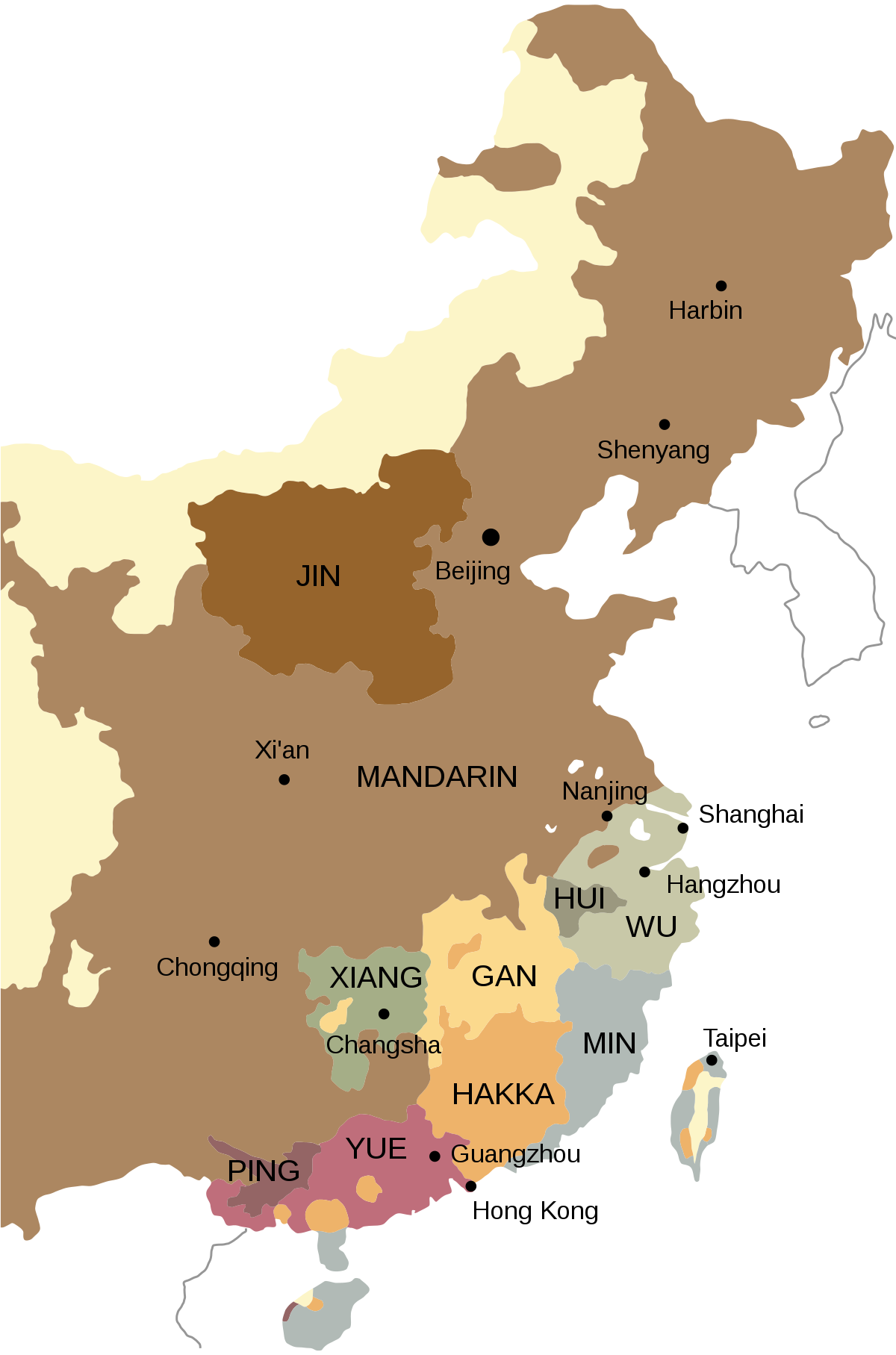
The 7 Major Dialects of China
China is home to a rich linguistic diversity, with seven major dialect groups forming the backbone of its spoken languages. These dialects vary significantly in pronunciation, vocabulary, and grammar, often making mutual intelligibility difficult. Below is a detailed list:
- Mandarin (官话) - The most widely spoken dialect, serving as the official language of China.
- Wu (吴语) - Predominantly spoken in Shanghai and Zhejiang province.
- Cantonese (粤语) - Common in Guangdong, Hong Kong, and Macau.
- Min (闽语) - Includes variants like Hokkien and Teochew, spoken in Fujian and Taiwan.
- Hakka (客家话) - Used by the Hakka people across southern China.
- Xiang (湘语) - Primarily found in Hunan province.
- Gan (赣语) - Spoken mainly in Jiangxi province.
Mandarin: The Dominant Dialect
Mandarin, also known as Putonghua, is the most influential dialect in China. It serves as the lingua franca and is taught in schools nationwide. Key features include:
See AlsoWhat is the Shanghainese Dialect?- Four distinct tones that change word meanings.
- Simplified characters as the standard writing system.
- Widely used in media, government, and education.
Cantonese: The Voice of Southern China
Cantonese is a prominent dialect in southern China, particularly in Guangdong and Hong Kong. Notable characteristics include:
- Six to nine tones, making it more complex than Mandarin.
- Uses traditional Chinese characters.
- Strong cultural influence through Cantonese opera and cinema.
Wu Dialect: The Language of Shanghai
The Wu dialect is spoken in the Yangtze River Delta, including Shanghai and Zhejiang. Key aspects are:
- Known for its soft pronunciation and voiced consonants.
- Retains many ancient Chinese linguistic features.
- Includes sub-dialects like Shanghainese and Suzhounese.
Min Dialect: Fujian and Beyond
The Min dialect group is diverse, with variants like Hokkien and Teochew. It is prevalent in Fujian and Taiwan. Highlights include:
See AlsoWhat is Duolingo? The Complete Guide to the Popular Language Learning App- One of the oldest Chinese dialects, preserving ancient phonology.
- Mutual unintelligibility between different Min sub-dialects.
- Widely spoken among overseas Chinese communities.
Hakka: The Migrant Language
The Hakka dialect is spoken by the Hakka people, who migrated across southern China. Distinctive traits include:
- Shares similarities with both Mandarin and Gan.
- Preserves many Middle Chinese pronunciations.
- Used in regions like Guangdong, Fujian, and Jiangxi.
Which Chinese dialect is easiest to learn?
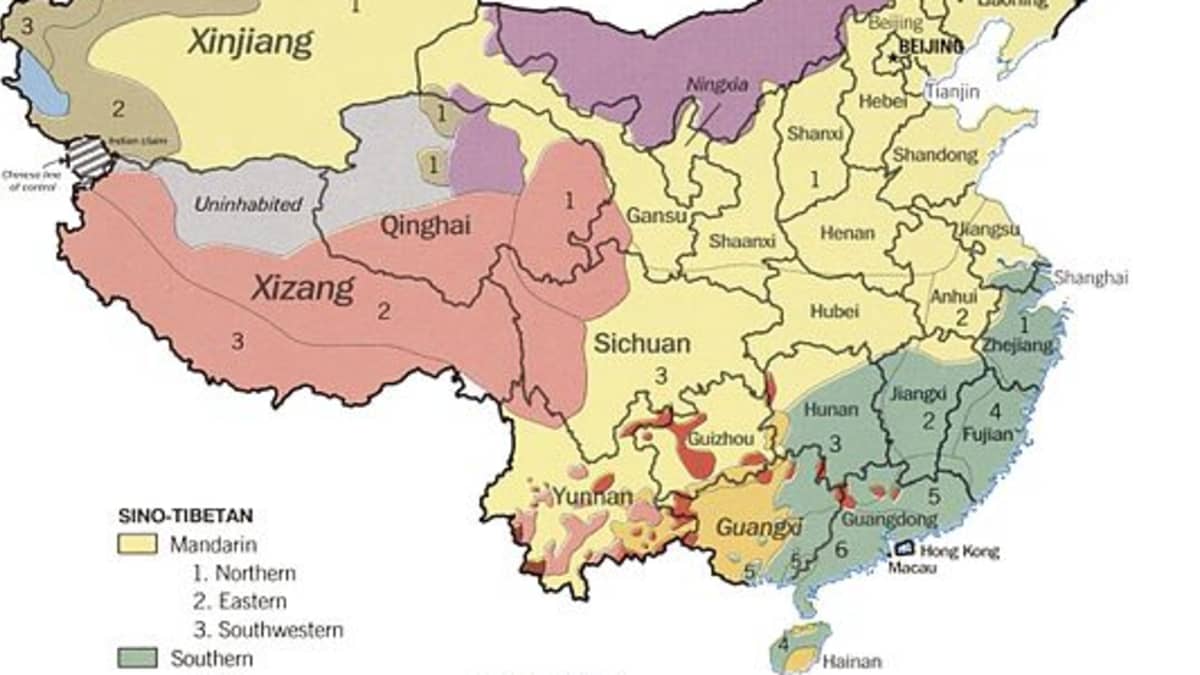
Which Chinese Dialect Has the Simplest Pronunciation?
Mandarin is widely considered the easiest Chinese dialect to learn due to its straightforward pronunciation rules. Unlike Cantonese or other dialects, Mandarin has only four tones (plus a neutral tone), making it less complex for beginners. Here’s why:
- Fewer tones: Mandarin’s four tones are easier to master than Cantonese’s six to nine tones.
- Pinyin system: The romanization system (Pinyin) helps learners associate sounds with characters.
- Standardized pronunciation: Mandarin is the official language, so resources and teachers are widely available.
Which Chinese Dialect Has the Most Straightforward Grammar?
Mandarin also stands out for its relatively simple grammar compared to other Chinese dialects. Here’s why learners find it manageable:
- No verb conjugation: Verbs remain the same regardless of tense or subject.
- Fixed word order: Subject-Verb-Object (SVO) structure is consistent.
- No gender or plural forms: Nouns don’t change based on gender or number.
Which Chinese Dialect Has the Most Learning Resources?
Mandarin dominates in terms of available learning materials, making it the most accessible for students. Key advantages include:
- Textbooks and apps: Countless resources like Duolingo, HelloChinese, and HSK guides focus on Mandarin.
- Media availability: Movies, TV shows, and music in Mandarin are globally accessible.
- Official support: Government-backed programs like Confucius Institutes promote Mandarin.
Which Chinese Dialect Is Most Useful for Travel and Business?
Mandarin is the most practical choice for travelers and professionals due to its widespread use. Consider these points:
- National language: Used across Mainland China, Taiwan, and Singapore.
- Business communication: Essential for trade, diplomacy, and tech industries.
- Tourist-friendly: Most signs and announcements are in Mandarin.
Which Chinese Dialect Has the Fewest Regional Variations?
Mandarin has the least regional variation compared to dialects like Cantonese or Hokkien. Here’s why:
- Standardized form: Putonghua (Standard Mandarin) is taught uniformly in schools.
- Mutual intelligibility: Dialects like Shanghainese or Teochew differ drastically by region.
- Media influence: National TV and radio use Mandarin, reducing local accents.
Frequently Asked Questions (FAQ)
What are the main Chinese dialects?
The Chinese language is composed of several major dialect groups, each with distinct linguistic features. The most widely spoken is Mandarin, which serves as the official language of China. Other significant dialects include Cantonese, primarily spoken in Guangdong and Hong Kong; Wu, prevalent in Shanghai and Zhejiang; Min, found in Fujian and Taiwan; and Hakka, used by the Hakka people across southern China. These dialects often differ in pronunciation, vocabulary, and even grammar, making them mutually unintelligible in many cases.
Why is Mandarin the most dominant Chinese dialect?
Mandarin became the dominant dialect due to historical and political factors. During the Ming and Qing dynasties, it was the language of the imperial court, and later, the Chinese government promoted it as the national language (Putonghua) to unify communication across the country. Additionally, Mandarin is the medium of instruction in schools and the primary language used in media and government, reinforcing its widespread adoption. Its relative simplicity compared to other dialects, such as Cantonese with its multiple tones, also contributed to its dominance.
How different are Chinese dialects from one another?
Chinese dialects can vary dramatically in terms of pronunciation, vocabulary, and syntax. For example, while Mandarin has four tones, Cantonese uses six to nine tones, altering word meanings significantly. Vocabulary differences can be substantial—common words in one dialect may be unrecognizable in another. Some dialects, like Wu or Min, even preserve ancient linguistic features lost in Mandarin. Despite sharing the same writing system (Hanzi), spoken dialects often require translation or adaptation for mutual understanding.
Can speakers of different Chinese dialects understand each other?
While written Chinese is largely uniform due to standardized Hanzi (characters), spoken communication between dialects can be challenging. Speakers of Mandarin and Cantonese, for instance, may struggle to understand each other without prior exposure. However, many Chinese people are bilingual in their local dialect and Mandarin, facilitating communication. In regions with high dialect diversity, such as Fujian or Guangdong, people often switch to Mandarin as a lingua franca to bridge linguistic gaps.
Leave a Reply
Related Posts