
HSK 1 Vocabulary Test (150+ Words)

Preparing for the HSK 1 exam requires a solid grasp of basic Mandarin vocabulary. This HSK 1 Vocabulary Test covers over 150 essential words, helping beginners assess their knowledge and build a strong foundation for further learning. The test includes common nouns, verbs, adjectives, and other key terms from everyday conversations, ensuring familiarity with the language's core elements. Whether you're studying independently or in a classroom, this practice tool is designed to reinforce your understanding and boost confidence before taking the official exam. By mastering these words, you'll be well-equipped to handle simple interactions and progress smoothly to higher HSK levels.
HSK 1 Vocabulary Test: Master 150+ Essential Words
What Is the HSK 1 Vocabulary Test?
The HSK 1 Vocabulary Test assesses your knowledge of the most basic Mandarin Chinese words required for daily communication. It includes 150+ essential words covering topics like greetings, numbers, family, and common objects. Passing this test demonstrates a foundational understanding of Chinese, making it ideal for beginners.
| Key Aspect | Description |
|---|---|
| Test Level | Beginner (HSK 1) |
| Vocabulary Size | 150+ words |
| Focus Areas | Greetings, numbers, pronouns, verbs, nouns |
Why Take the HSK 1 Vocabulary Test?
Taking the HSK 1 Vocabulary Test helps you measure your progress in learning Mandarin Chinese. It’s a stepping stone for higher HSK levels and boosts confidence in basic conversations. Many learners use it to prepare for travel, work, or further studies in China.
See AlsoHSK 3 Vocabulary Test - Test Yourself| Benefit | Explanation |
|---|---|
| Foundation Building | Establishes core vocabulary for beginners |
| Progress Tracking | Measures learning milestones |
| Practical Use | Enables simple daily interactions |
How to Prepare for the HSK 1 Vocabulary Test?
To succeed in the HSK 1 Vocabulary Test, focus on memorization and practice. Use flashcards, apps, or word lists to review the 150+ words regularly. Listening and repeating words aloud improves retention and pronunciation.
| Preparation Method | Effectiveness |
|---|---|
| Flashcards | High (visual learning) |
| Repetition | Essential for memorization |
| Practice Tests | Simulates exam conditions |
What Topics Are Covered in HSK 1 Vocabulary?
The HSK 1 Vocabulary Test includes words from everyday categories such as family, food, time, and directions. Mastering these topics ensures you can handle basic conversations and understand simple sentences.
| Topic | Example Words |
|---|---|
| Greetings | 你好 (nǐ hǎo), 谢谢 (xièxie) |
| Numbers | 一 (yī), 十 (shí) |
| Family | 妈妈 (māma), 爸爸 (bàba) |
Where Can You Take the HSK 1 Vocabulary Test?
The HSK 1 Vocabulary Test is available at official HSK test centers worldwide or through online platforms. Some websites offer mock tests for practice, while certified centers administer the official exam.
See AlsoHow to Pass HSK 6? 10 Tips to Pass HSK 6 Comfortably| Option | Details |
|---|---|
| Test Centers | In-person, accredited locations |
| Online Practice | Free mock tests available |
| Registration | Via official HSK website |
How many words are needed for HSK 1 vocabulary?
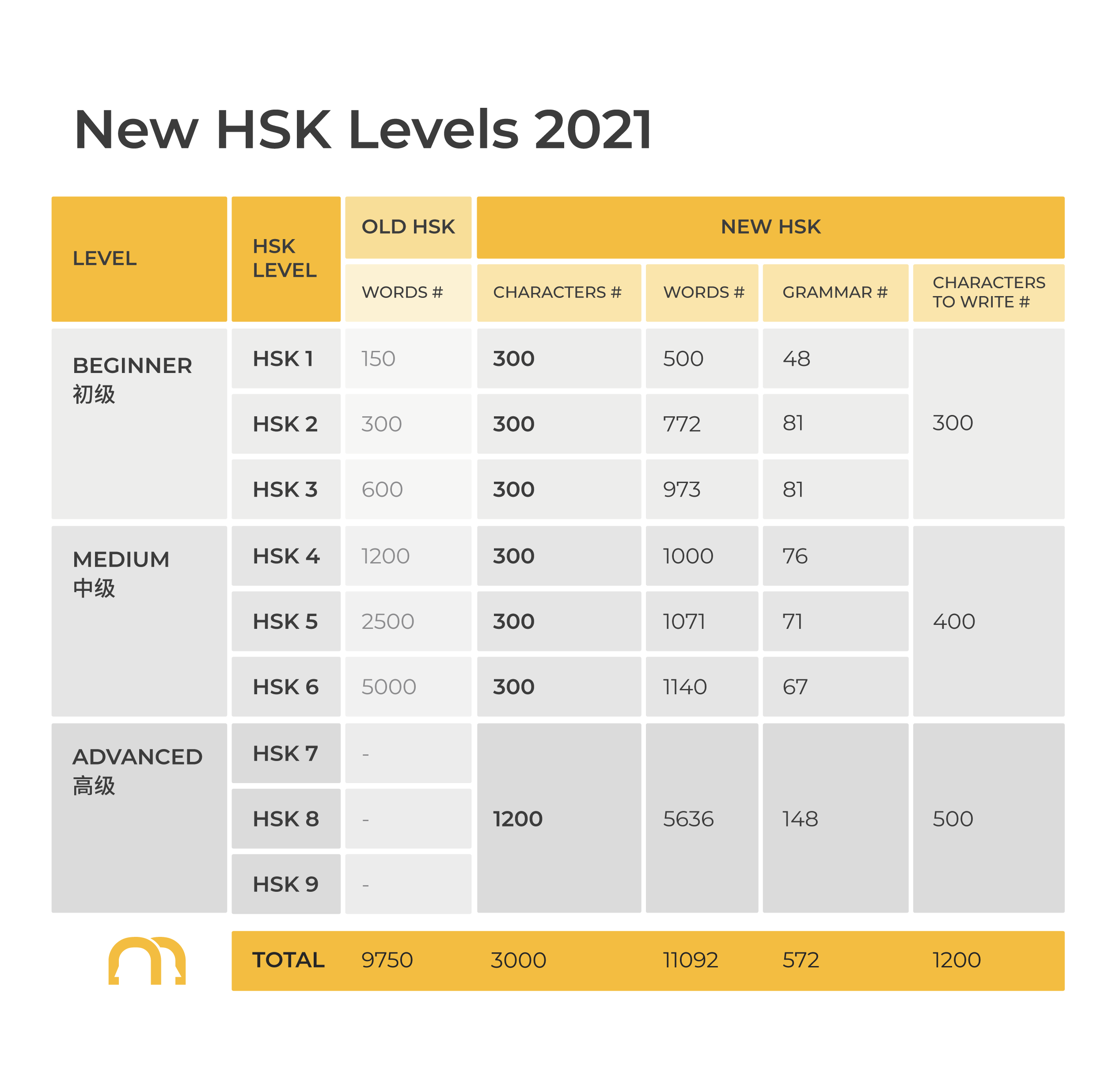
What is the HSK 1 Vocabulary Requirement?
The HSK 1 vocabulary consists of 150 words, which are the foundational terms needed to pass the exam. These words cover basic topics such as greetings, numbers, and everyday objects. Here’s a breakdown:
- Nouns: Common objects, people, and places.
- Verbs: Basic actions like to be, to have, and to go.
- Adjectives: Simple descriptors like big, small, and good.
Why Are 150 Words Enough for HSK 1?
The 150-word requirement is designed to ensure learners can handle simple conversations and understand elementary sentences. Here’s why this number is sufficient:
See AlsoBest Chinese Movies to Learn Chinese- Basic Communication: Covers essential phrases for daily interactions.
- Exam Focus: Aligns with the test’s scope of listening and reading comprehension.
- Progressive Learning: Serves as a stepping stone to higher HSK levels.
How Are HSK 1 Vocabulary Words Selected?
The HSK 1 word list is curated based on frequency and practicality in beginner Mandarin. Key criteria include:
- Common Usage: Words frequently used in daily life.
- Simplicity: Easy-to-learn characters and pronunciations.
- Cultural Relevance: Terms useful for basic interactions in Chinese-speaking environments.
What Topics Does HSK 1 Vocabulary Cover?
The HSK 1 vocabulary spans several fundamental topics, including:
- Greetings: Hello (你好) and Thank you (谢谢).
- Numbers: Counting from 1 to 100.
- Family: Basic terms like mother (妈妈) and father (爸爸).
How to Efficiently Learn HSK 1 Vocabulary?
Mastering the 150 HSK 1 words requires a structured approach. Here are effective strategies:
See AlsoHow To Write An Email in Chinese?- Flashcards: Use apps or physical cards for repetition.
- Practice Sentences: Apply words in simple contexts.
- Listening Exercises: Reinforce recognition through audio resources.
What is a good HSK 1 score?

Understanding the HSK 1 Scoring System
The HSK 1 exam consists of two sections: listening and reading, each scored out of 100 points. A good score is typically considered to be above 120 out of 200 total points, as this demonstrates a solid grasp of basic Mandarin. Here’s a breakdown:
- 120-150 points: Indicates a competent understanding of HSK 1 vocabulary and grammar.
- 151-180 points: Reflects a strong performance, with minimal errors.
- 181-200 points: Signifies an excellent command of the material, nearing perfection.
What Percentage Is Considered Good for HSK 1?
A good percentage for HSK 1 is generally 60% or higher, as this shows you’ve met the benchmark for basic proficiency. Here’s how percentages translate:
- 60-75% (120-150 points): Adequate for basic communication.
- 76-90% (151-180 points): Above average, suitable for further study.
- 91-100% (181-200 points): Exceptional, indicating mastery of HSK 1.
How Does a Good HSK 1 Score Compare to Fluency?
A good HSK 1 score doesn’t equate to fluency but confirms foundational knowledge. Key comparisons:
- Vocabulary: HSK 1 covers 150 words—fluency requires thousands.
- Conversation: You can handle simple phrases, not complex discussions.
- Next Steps: A high score suggests readiness for HSK 2.
Why Aim for a High HSK 1 Score?
Scoring well on HSK 1 has practical benefits:
- Confidence Boost: Validates your early progress in Mandarin.
- Academic Requirements: Some schools or programs may require minimum scores.
- Foundation for Advancement: Prepares you for higher HSK levels.
Tips to Achieve a Good HSK 1 Score
To maximize your HSK 1 results, focus on these key strategies:
- Master the Vocabulary: Memorize all 150 words from the official list.
- Practice Listening: Use audio resources to improve comprehension.
- Mock Exams: Simulate test conditions to identify weaknesses.
Is HSK 1:500 words?

How Many Words Are in HSK 1?
The HSK 1 vocabulary consists of 150 words, not 500. This is the most basic level of the Hanyu Shuiping Kaoshi (HSK) exam, designed for beginners who are just starting to learn Mandarin Chinese. The words are carefully selected to cover essential daily communication.
- 150 words are required for HSK 1, not 500.
- The vocabulary includes basic nouns, verbs, and simple phrases.
- These words form the foundation for higher HSK levels.
What Is the Purpose of HSK 1 Vocabulary?
The HSK 1 vocabulary is designed to help learners grasp fundamental Mandarin Chinese for everyday interactions. It focuses on practical usage rather than complex grammar or advanced terms.
- It enables basic conversations like greetings and introductions.
- Helps in understanding simple written and spoken sentences.
- Prepares learners for HSK Level 2 and beyond.
How Does HSK 1 Compare to Other HSK Levels?
HSK 1 is the easiest level, while higher HSK levels require significantly more vocabulary. For example, HSK 6 demands knowledge of 5,000 words.
- HSK 1: 150 words (Beginner).
- HSK 3: 600 words (Intermediate).
- HSK 6: 5,000 words (Advanced).
What Types of Words Are Included in HSK 1?
The HSK 1 word list includes basic terms like numbers, pronouns, common verbs, and everyday objects. These words are essential for constructing simple sentences.
- Numbers (一, 二, 三 – one, two, three).
- Pronouns (我, 你, 他 – I, you, he).
- Common verbs (是, 有, 去 – to be, to have, to go).
Can You Pass HSK 1 with Only 150 Words?
Yes, mastering the 150-word vocabulary is sufficient to pass HSK 1. The exam tests basic listening and reading comprehension using these words in simple contexts.
- The test includes listening and reading sections.
- Questions are based on HSK 1 vocabulary and grammar.
- No writing or speaking is required for HSK 1.
Frequently Asked Questions (FAQ)
What is the HSK 1 Vocabulary Test (150+ Words)?
The HSK 1 Vocabulary Test (150+ Words) is a standardized assessment designed to evaluate a learner's mastery of the most basic Mandarin Chinese vocabulary required for the HSK Level 1 exam. It covers 150+ essential words, including nouns, verbs, adjectives, and simple phrases, which form the foundation for everyday communication. This test helps beginners gauge their readiness for the official HSK exam or identify areas needing improvement.
How can I prepare for the HSK 1 Vocabulary Test?
To prepare effectively, focus on memorizing the 150+ words listed in the official HSK 1 syllabus. Use flashcards, spaced repetition apps (like Anki), or interactive quizzes to reinforce retention. Practice writing characters and listening to pronunciations, as the test may include reading, writing, and listening components. Consistent daily review and using the words in simple sentences will boost your confidence and recall.
What topics are covered in the HSK 1 Vocabulary Test?
The vocabulary spans everyday themes such as greetings, numbers, family, time, food, and common objects. Words like 你好 (nǐ hǎo - hello), 谢谢 (xièxie - thank you), and 妈妈 (māma - mother) are typical examples. The test emphasizes practical, high-frequency terms needed for basic interactions, ensuring learners can introduce themselves, ask simple questions, and understand straightforward responses.
Is passing the HSK 1 Vocabulary Test enough to communicate in Mandarin?
While passing the test demonstrates a solid grasp of foundational vocabulary, basic communication requires additional skills like grammar, pronunciation, and cultural context. HSK 1 words alone won’t cover complex conversations, but they provide the essential building blocks. To advance, learners should combine vocabulary study with speaking practice, listening exercises, and grammar lessons to achieve functional proficiency.
Leave a Reply
Related Posts