
How to look up Chinese characters you don’t know

Learning Chinese characters can be a daunting task, especially when encountering unfamiliar ones. Whether you're a beginner or an advanced learner, knowing how to look up unknown characters efficiently is essential for progress. This guide explores practical methods to identify and understand Chinese characters you don’t recognize. From traditional paper dictionaries to modern digital tools, we’ll cover techniques like radical search, handwriting input, and optical character recognition (OCR). By mastering these approaches, you’ll enhance your reading skills and build confidence in navigating Chinese texts. Let’s dive into the most effective ways to decode and learn new characters effortlessly.
- How to Look Up Chinese Characters You Don't Know
-
How do Chinese people read characters they don't know?
- How Do Chinese People Use Context to Guess Unknown Characters?
- What Role Do Phonetic Components Play in Decoding Characters?
- How Do Dictionaries or Technology Help with Unknown Characters?
- Why Are Radicals Important for Looking Up Characters?
- Do Chinese Speakers Skip or Misread Unknown Characters Often?
- How can I identify Chinese characters from an image online?
- Is there an app that reads Chinese characters?
- Frequently Asked Questions (FAQ)
How to Look Up Chinese Characters You Don't Know
1. Using Online Dictionaries
Online dictionaries are one of the most efficient ways to look up Chinese characters you don’t recognize. Websites like Pleco, MDBG, or ArchChinese allow you to search by Pinyin, radicals, or even by drawing the character. Simply input the character or its components, and the dictionary will provide the meaning, pronunciation, and usage examples.
| Tool | Features |
|---|---|
| Pleco | OCR, flashcards, stroke order |
| MDBG | Free, Pinyin search, example sentences |
| ArchChinese | Radical lookup, handwriting input |
2. Drawing Characters with Handwriting Input
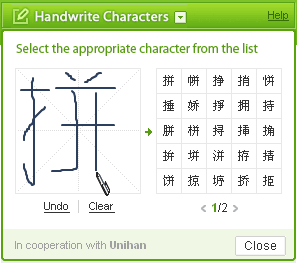
If you don’t know the Pinyin or radicals, you can use handwriting input tools available on smartphones or websites. Apps like Google Translate or Pleco allow you to draw the character with your finger or mouse. The tool will then suggest possible matches based on your drawing.
See Also7 Hilarious Chinese Jokes To Make You Laugh (With Explanations!)| Tool | Platform |
|---|---|
| Google Translate | Web & Mobile |
| Pleco | iOS & Android |
| Hanping Lite | Android |
3. Searching by Radicals
Chinese characters are composed of radicals, which are smaller components that often hint at meaning or pronunciation. Many dictionaries allow you to search by selecting the radical and the number of additional strokes. This method is useful if you can identify the main radical but don’t know the full character.
| Radical | Example Characters |
|---|---|
| 氵 (water) | 河 (river), 海 (sea) |
| 木 (tree) | 林 (forest), 桌 (table) |
4. Using OCR Technology
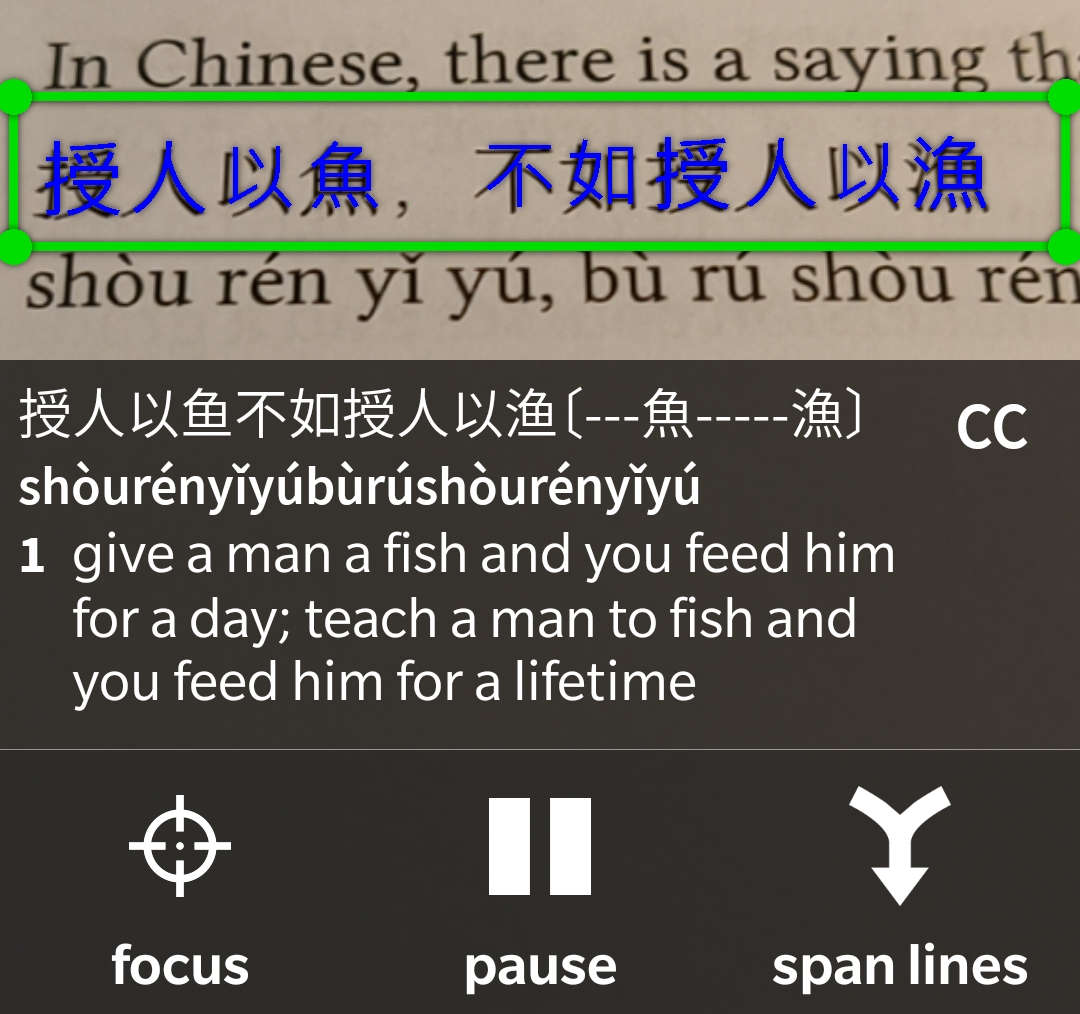
Optical Character Recognition (OCR) apps can scan printed or handwritten Chinese characters and translate them instantly. Apps like Pleco (with the OCR add-on) or Microsoft Translator allow you to take a photo of the text and extract the characters for translation.
| App | OCR Accuracy |
|---|---|
| Pleco | High (paid add-on) |
| Microsoft Translator | Moderate (free) |
5. Asking Native Speakers or Forums
If digital tools fail, you can ask native speakers or post the character on language forums like Reddit’s r/ChineseLanguage or Chinese-Forums.com. Often, users can provide not only the meaning but also cultural context or common usage.
See AlsoThe nine principles of learning (and the mistakes from failing to follow them)| Platform | Response Speed |
|---|---|
| Fast (active community) | |
| Chinese-Forums | Moderate (detailed answers) |
How do Chinese people read characters they don't know?
How Do Chinese People Use Context to Guess Unknown Characters?
When encountering an unfamiliar character, Chinese readers often rely on contextual clues from surrounding words or sentences. Since many characters form compounds with predictable meanings, the known characters nearby can help infer the unknown one. For example:
- Adjacent characters in a word may hint at the meaning (e.g., 蝴蝶 [húdié, butterfly]—if one knows 蝴, 蝶 is likely related).
- Sentence structure can suggest whether the character is a noun, verb, or adjective.
- Topic consistency in a paragraph narrows down possible meanings (e.g., a text about animals won’t suddenly introduce a furniture term).
What Role Do Phonetic Components Play in Decoding Characters?
Many Chinese characters contain phonetic components that hint at pronunciation, even if the exact sound isn’t clear. About 80% of characters follow this phonetic-logographic structure. Key points:
See AlsoMy Shanghai: A City of Change and Contrast- Phonetic radicals (e.g., 青 [qīng] in 清, 晴, 情) provide approximate pronunciation cues.
- Not all components are reliable—some sounds drift over time or dialects.
- Learners often memorize common phonetic series to build intuition.
How Do Dictionaries or Technology Help with Unknown Characters?
Modern tools simplify identifying unfamiliar characters through:
- Pinyin input: Typing the guessed sound retrieves possible characters.
- Handwriting recognition: Drawing the character on a screen reveals its meaning.
- Optical apps like Pleco scan text and provide instant translations.
Why Are Radicals Important for Looking Up Characters?
Radicals (classifiers) are essential for dictionary searches. Steps include:
- Identifying the radical (e.g., 氵 for water-related characters like 河 [river]).
- Counting remaining strokes to locate the character in a index.
- Cross-referencing pronunciation or meaning in the dictionary entry.
Do Chinese Speakers Skip or Misread Unknown Characters Often?
While occasional skips happen, misreading is minimized by:
See AlsoInsights from my recent trip to China: The importance of top-down listening- Asking others for clarification in conversations.
- Re-reading the sentence to infer meaning holistically.
- Verbal substitutes—using a synonym or description if the character is unreadable.
How can I identify Chinese characters from an image online?
Using Online OCR Tools to Identify Chinese Characters
To identify Chinese characters from an image online, one of the most effective methods is using OCR (Optical Character Recognition) tools. These tools scan the image and convert the characters into editable text. Here’s how you can do it:
- Upload the image containing Chinese characters to an OCR tool like Google Translate, OnlineOCR, or i2OCR.
- Select Chinese (Simplified or Traditional) as the target language for accurate recognition.
- Download or copy the extracted text for further use or translation.
Mobile Apps for Chinese Character Recognition
Several mobile apps specialize in recognizing Chinese characters from images. These apps often include additional features like pronunciation and translation:
- Pleco: A popular app with OCR capabilities for Chinese characters.
- Google Lens: Can detect and translate Chinese text in real-time.
- Hanping Camera: Focuses on recognizing and translating Chinese characters.
Browser Extensions for Instant Translation
Browser extensions can quickly identify and translate Chinese characters from images displayed on web pages:
- ImTranslator: Offers OCR functionality for Chinese text in images.
- Read Aloud: Extracts and reads Chinese characters from images.
- Google Translate Extension: Allows image uploads for character recognition.
Manual Methods for Identifying Chinese Characters
If automated tools fail, you can manually identify Chinese characters using these methods:
- Radical lookup: Break down characters into radicals using dictionaries like ArchChinese.
- Stroke count: Use tools like MDBG to search by stroke number.
- Handwriting input: Draw the character in apps like Pleco or Google Translate.
Verifying Accuracy of Recognized Chinese Characters
After identifying Chinese characters, it’s crucial to verify their accuracy:
- Cross-check with multiple OCR tools to ensure consistency.
- Use dictionaries like LINE Dictionary for definitions and usage examples.
- Consult native speakers or forums like Reddit’s r/ChineseLanguage for confirmation.
Is there an app that reads Chinese characters?

What Are the Best Apps for Reading Chinese Characters?
Several apps specialize in reading and translating Chinese characters, making them useful for learners and travelers. Here are some top options:
- Pleco: A comprehensive dictionary app with OCR (Optical Character Recognition) to scan and translate text.
- Google Translate: Offers real-time camera translation for Chinese characters and supports handwriting input.
- Hanping Chinese Camera: Focuses on Mandarin recognition and provides pinyin and English translations.
How Do Chinese Character Reading Apps Work?
These apps use advanced technology to identify and interpret Chinese characters in real time. Key features include:
- OCR Technology: Scans printed or handwritten text and converts it into digital format.
- Machine Translation: Translates the recognized characters into the user's preferred language.
- Audio Pronunciation: Many apps provide spoken translations to aid in learning.
Are There Free Apps That Read Chinese Characters?
Yes, several free apps can read Chinese characters, though some may have premium features:
- Microsoft Translator: Free and supports camera translation for Chinese text.
- Waygo: Focuses on East Asian languages and works offline for basic translations.
- Baidu Translate: A free alternative with OCR capabilities for Mandarin.
Can These Apps Read Handwritten Chinese Characters?
Some apps support handwritten character recognition, though accuracy may vary:
- Pleco: Allows users to draw characters for translation.
- Google Translate: Includes a handwriting input option for Chinese characters.
- Skritter: Designed for learners to practice writing and recognizing characters.
Do These Apps Require an Internet Connection?
While many apps rely on an internet connection, some offer offline functionality:
- Pleco: Offline dictionaries and basic OCR features are available.
- Waygo: Works offline but has limited translation capabilities.
- Hanping Chinese Camera: Requires download of language packs for offline use.
Frequently Asked Questions (FAQ)
What are the best tools to look up Chinese characters I don't know?
Online dictionaries like Pleco, Hanping, and Arch Chinese are excellent for looking up unknown Chinese characters. These tools allow you to search by pinyin, radicals, or even by drawing the character with your finger or mouse. Additionally, Google Translate's handwriting input feature can help identify characters you don’t recognize. For more advanced learners, OCR (Optical Character Recognition) apps can scan text from images or real-world objects, making it easier to find meanings quickly.
How can I look up a Chinese character if I don’t know its pronunciation?
If you don’t know the pronunciation of a Chinese character, you can still look it up using its radical or stroke count. Many dictionaries, such as Pleco, have a radical lookup feature where you select the main component of the character. Alternatively, you can use the handwriting input method to draw the character on your device. Another approach is to count the number of strokes and use a stroke-based dictionary, which organizes characters by their total strokes.
Is there a way to look up Chinese characters by drawing them?
Yes, many apps and tools support handwriting input, allowing you to draw the character you don’t know. Pleco, Hanping, and Google Translate all offer this feature. Simply activate the handwriting keyboard or use the built-in drawing tool, and the app will suggest possible matches. This method is especially useful for complex characters or when you’re unsure about the pronunciation or radicals. Some apps even correct minor drawing mistakes, making the process more forgiving.
What should I do if I can’t find a Chinese character in a dictionary?
If you can’t find a character in a standard dictionary, it might be a rare or obscure character. In this case, try using a more specialized resource like Zhongwen.com or Chinese-Characters.org, which include ancient or uncommon characters. Another option is to ask for help on forums like Reddit’s r/ChineseLanguage or language-learning communities. Additionally, checking calligraphy databases or historical texts might provide clues if the character is no longer in common use.
Leave a Reply
Related Posts