
Dragon Boat Festival Story: A Poet, a Fall and Some Delicious Zongzi!

The Dragon Boat Festival, celebrated on the fifth day of the fifth lunar month, is a vibrant tradition steeped in history and legend. At its heart lies the tragic tale of Qu Yuan, a patriotic poet who drowned himself in protest against corruption. Heartbroken villagers raced their boats to save him, scattering rice to distract river creatures—a practice that evolved into today's dragon boat races and zongzi, the festival's iconic sticky rice dumplings. This article delves into the captivating story behind the festival, exploring Qu Yuan's legacy, the origins of zongzi, and how ancient customs continue to unite communities in celebration and remembrance.
The Legend of Qu Yuan: The Heartbreaking Tale Behind the Dragon Boat Festival
Who Was Qu Yuan?
Qu Yuan was a patriotic poet and statesman during the Warring States period of ancient China. He served as a high-ranking official in the state of Chu but was later exiled due to political intrigue. Known for his literary contributions, including the famous Li Sao (The Lament), Qu Yuan's loyalty and tragic end became the foundation of the Dragon Boat Festival.
| Name: | Qu Yuan |
| Role: | Poet & Statesman |
| Period: | Warring States (340–278 BCE) |
| Legacy: | Symbol of patriotism and sacrifice |
The Tragic Fall of Qu Yuan
When Chu's capital fell to the Qin state, Qu Yuan, heartbroken and devastated, chose to drown himself in the Miluo River. Legend says villagers raced in boats to save him or retrieve his body, beating drums and throwing rice dumplings (zongzi) to distract river creatures. This act inspired the Dragon Boat races and zongzi tradition.
See AlsoKobe Bryant Influence in China| Event: | Suicide in Miluo River |
| Villagers' Response: | Dragon Boat races & zongzi offerings |
| Symbolism: | Loyalty and communal remembrance |
The Origin of Zongzi
Zongzi, the sticky rice dumplings wrapped in bamboo leaves, were originally thrown into the river to prevent fish from eating Qu Yuan's body. Today, they are a festival staple, filled with sweet (red bean) or savory (pork, egg yolk) ingredients. Each region in China has unique variations.
| Main Ingredient: | Glutinous rice |
| Wrapper: | Bamboo or reed leaves |
| Popular Fillings: | Pork, egg yolk, red bean, dates |
Dragon Boat Racing: A Tradition of Honor
The Dragon Boat races symbolize the villagers' desperate attempt to rescue Qu Yuan. These long, narrow boats, decorated with dragon heads, are manned by teams paddling to rhythmic drumbeats. The races foster teamwork and cultural pride, now a global sport.
| Boat Design: | Dragon-shaped prow & stern |
| Team Size: | 20–22 paddlers + drummer |
| Purpose: | Honor Qu Yuan & promote unity |
Modern Celebrations of the Dragon Boat Festival
Today, the festival (Duanwu Jie) blends rituals and fun: eating zongzi, racing dragon boats, hanging mugwort for protection, and wearing scented sachets. It’s a public holiday in China and celebrated worldwide.
See AlsoInternship in China (Is It For Me?)| Date: | 5th day of 5th lunar month |
| Key Activities: | Zongzi, boat races, mugwort |
| Global Reach: | USA, Canada, Singapore |
What is the story behind zongzi festival?
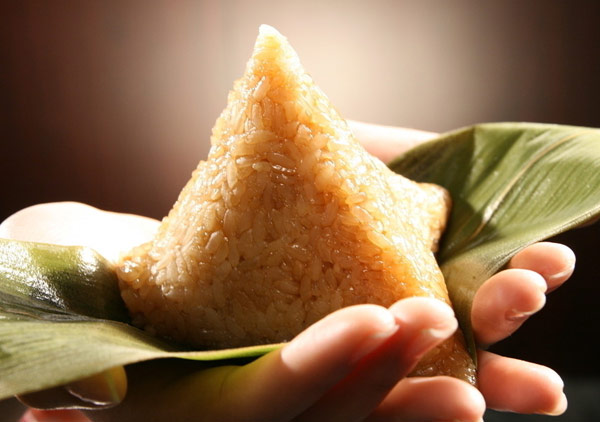
The Origin of Zongzi Festival
The Zongzi Festival, also known as the Dragon Boat Festival, has its roots in ancient China. It commemorates the death of the patriotic poet Qu Yuan, who drowned himself in the Miluo River in 278 BCE as a protest against corruption. To prevent fish from eating his body, villagers threw sticky rice dumplings (zongzi) into the river. This tradition evolved into an annual festival.
- Qu Yuan's suicide marked the beginning of the festival's lore.
- Villagers used zongzi to distract river creatures from his body.
- The festival later incorporated dragon boat races to symbolize the rescue attempts.
The Legend of Qu Yuan
Qu Yuan was a loyal minister and poet from the Warring States period. After being exiled for opposing corruption, he wrote melancholic poetry before his tragic end. His death became a symbol of patriotism and sacrifice, cementing his connection to the festival.
See AlsoHow To Get A Taxi in China - Keywords and Things To Know- Qu Yuan served the Chu State but was betrayed by rivals.
- His famous works, like Li Sao, expressed his despair.
- Modern celebrations honor his literary legacy alongside the culinary tradition.
The Evolution of Zongzi
Originally simple rice packets, zongzi now vary by region. They are wrapped in bamboo leaves and filled with ingredients like pork, beans, or dates. The shapes and flavors reflect local customs across China and other Asian countries.
- Northern China prefers sweet zongzi with red bean paste.
- Southern China favors savory versions with salted egg yolk.
- Countries like Vietnam and Malaysia have adapted zongzi into their cuisines.
Dragon Boat Racing Tradition
The festival's dragon boat races symbolize the frantic search for Qu Yuan's body. Teams paddle to the rhythm of drums, recreating the villagers' efforts. Today, these races are a competitive sport with international tournaments.
- Boats are decorated with dragon heads and tails for symbolism.
- Races emphasize teamwork and endurance.
- Events attract thousands of spectators worldwide.
Modern Celebrations and Customs
Beyond zongzi and races, the festival includes herbal sachets and realgar wine to ward off evil. Families hang mugwort and calamus on doors for protection, blending tradition with superstition.
See AlsoHow to Prepare for HSK with Chinese Reading Materials- Herbal sachets are worn as charms against disease.
- Realgar wine was historically believed to repel pests.
- The holiday is a UNESCO Intangible Cultural Heritage since 2009.
Why do people eat zongzi during Dragon Boat Festival?
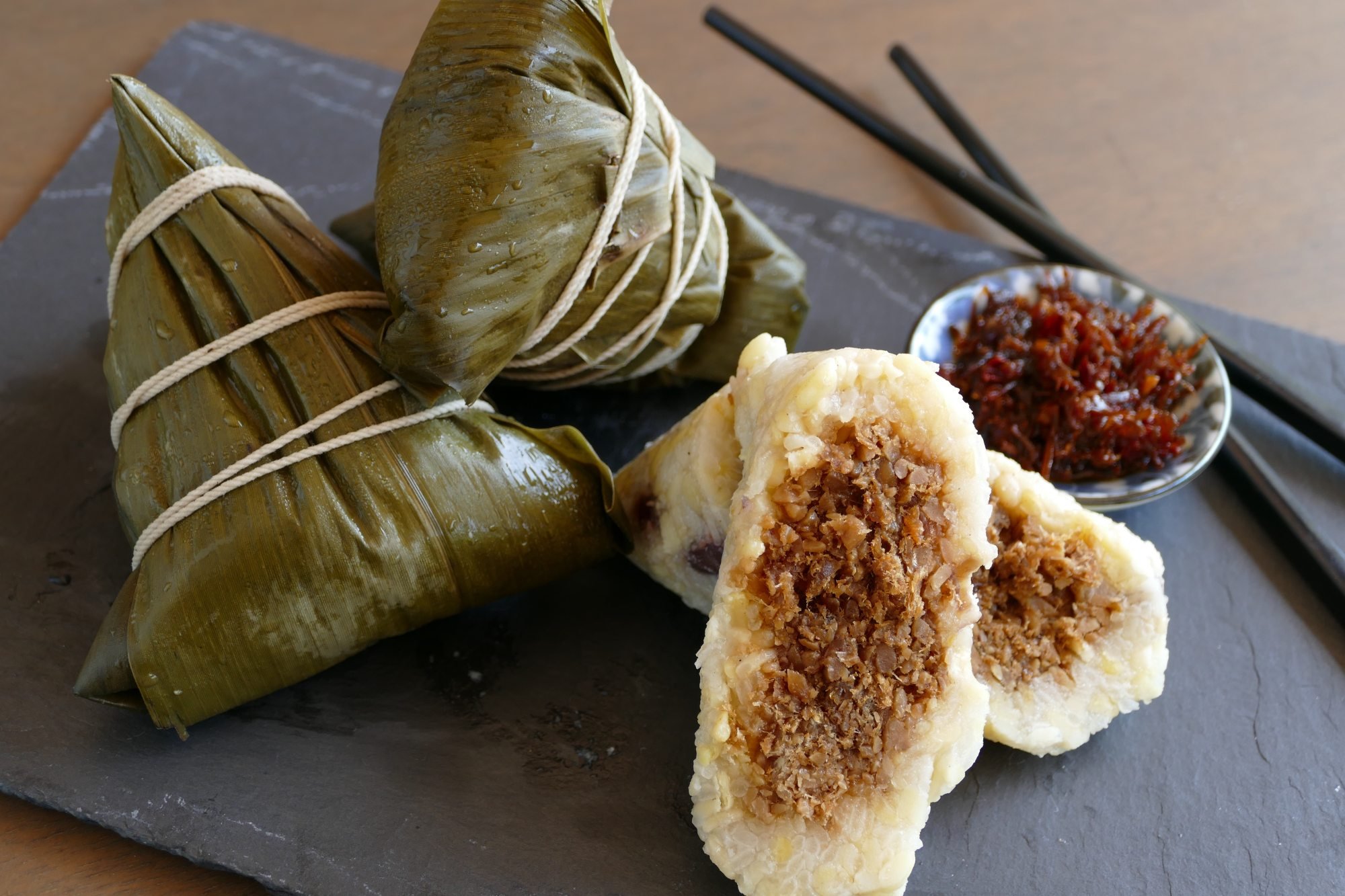
The Historical Origins of Eating Zongzi During Dragon Boat Festival
The tradition of eating zongzi during the Dragon Boat Festival dates back over 2,000 years to the Warring States period in China. It is closely tied to the legend of Qu Yuan, a patriotic poet who drowned himself in the Miluo River. To prevent fish from eating his body, villagers threw sticky rice wrapped in bamboo leaves into the river.
- Qu Yuan's sacrifice inspired the custom of making zongzi as an offering.
- The bamboo leaves symbolize protection and preservation of the rice.
- Over time, it evolved into a festive food enjoyed during the holiday.
The Symbolic Meaning Behind Zongzi
Zongzi carries deep cultural symbolism beyond its historical roots. The triangular or rectangular shape represents the stability and unity of family, while the ingredients reflect regional diversity across China.
- The glutinous rice signifies abundance and prosperity.
- Fillings like red beans or pork represent balance and harmony.
- The act of wrapping zongzi symbolizes community bonding and shared traditions.
Regional Variations of Zongzi Across China
Different regions in China prepare zongzi with unique flavors and ingredients, showcasing local culinary traditions.
- Southern China: Savory zongzi with pork, mushrooms, and salted egg yolk.
- Northern China: Sweeter versions with red bean paste or jujube.
- Zhejiang Province: Known for Jiaxing zongzi, a popular commercial variety.
The Role of Zongzi in Dragon Boat Festival Celebrations
Eating zongzi is a central activity during the Dragon Boat Festival, alongside dragon boat racing and hanging mugwort leaves.
- Families gather to make and share zongzi, strengthening bonds.
- It serves as a ritual offering to honor ancestors and Qu Yuan.
- The festival reinforces cultural identity through this culinary tradition.
Modern Adaptations and Global Popularity of Zongzi
Today, zongzi has transcended its traditional roots, gaining international appeal with creative adaptations.
- Fusion flavors like chocolate or matcha cater to younger generations.
- Pre-packaged zongzi makes the dish accessible worldwide.
- Food festivals feature zongzi as a symbol of Chinese heritage.
What does zongzi symbolize?
The Cultural Significance of Zongzi
Zongzi symbolizes cultural heritage and traditional values in Chinese society. It is deeply tied to the Dragon Boat Festival, commemorating the poet Qu Yuan. The dish represents:
- Unity: Families gather to prepare and share zongzi, strengthening bonds.
- Respect for ancestors: Offering zongzi honors historical figures like Qu Yuan.
- Seasonal celebration: Its ingredients reflect the abundance of early summer.
Zongzi as a Symbol of Protection
In folklore, zongzi is believed to ward off evil spirits and bring good fortune. This symbolism stems from:
- Ancient rituals: Throwing zongzi into rivers to protect Qu Yuan's spirit.
- Protective ingredients: Reed leaves and glutinous rice were thought to repel negativity.
- Amulet-like shape: The triangular form mimics traditional charms.
The Role of Zongzi in Family Traditions
Zongzi embodies family unity and intergenerational knowledge. Key aspects include:
- Shared preparation: Elders teach wrapping techniques to younger generations.
- Regional variations: Recipes reflect family heritage and local customs.
- Gift-giving: Exchanging zongzi expresses care and respect.
Zongzi and Agricultural Symbolism
The dish represents gratitude for harvests and agricultural cycles. This is evident through:
- Seasonal ingredients: Fresh bamboo leaves and new rice celebrate summer yields.
- Labor appreciation: The tedious wrapping process honors farmers' hard work.
- Abundance: The dense, filling nature reflects prosperity.
Zongzi as a Metaphor for Chinese Values
This delicacy encapsulates core Chinese philosophies such as:
- Harmony: Balanced flavors (savory/sweet) mirror yin-yang principles.
- Perseverance: The lengthy cooking process symbolizes patience.
- Adaptability: Regional fillings demonstrate resourcefulness.
What is the myth of the Dragon Boat Festival?
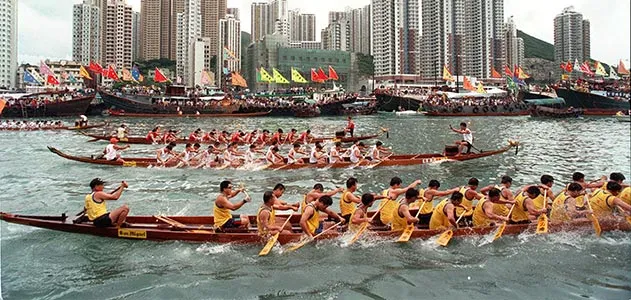
The Legend of Qu Yuan
The most famous myth behind the Dragon Boat Festival revolves around Qu Yuan, a patriotic poet and statesman from the Warring States period. According to legend:
- Qu Yuan served as a loyal minister in the state of Chu but was exiled after political rivals slandered him.
- Upon hearing that his homeland was conquered, he drowned himself in the Miluo River out of despair.
- Villagers raced in boats to save him and threw zongzi (sticky rice dumplings) into the water to prevent fish from eating his body.
The Dragon Boat Races Tradition
The festival's iconic dragon boat races are said to originate from the attempts to rescue Qu Yuan. Key details include:
- The boats are designed like dragons, symbolizing power and protection against evil spirits.
- Teams paddle rhythmically to the beat of drums, mimicking the villagers' urgency.
- Races are held annually on the 5th day of the 5th lunar month, the date of Qu Yuan's death.
The Significance of Zongzi
Zongzi, the festival's traditional food, is tied to Qu Yuan's myth. Important aspects are:
- The sticky rice is wrapped in bamboo leaves to resemble the offerings thrown into the river.
- Fillings vary by region, including meats, beans, or sweet pastes.
- Eating zongzi honors Qu Yuan's memory and symbolizes cultural preservation.
Protective Customs and Rituals
The festival incorporates rituals to ward off misfortune, such as:
- Hanging mugwort and calamus on doors to repel evil spirits.
- Wearing scented sachets filled with herbs for protection.
- Drinking realgar wine, believed to detoxify and prevent diseases.
Alternative Myths and Regional Variations
Beyond Qu Yuan, other legends explain the festival's origins, including:
- The worship of dragon deities for rain and agricultural prosperity.
- Commemorating Wu Zixu, another loyal official who met a tragic end.
- Celebrating the summer solstice in some southern Chinese traditions.
Frequently Asked Questions (FAQ)
What is the origin story behind the Dragon Boat Festival?
The Dragon Boat Festival, also known as Duanwu Festival, traces its origins to the tragic story of Qu Yuan, a patriotic poet from ancient China. Qu Yuan served as a loyal minister in the state of Chu during the Warring States period. When his kingdom fell to invaders, he drowned himself in the Miluo River out of despair. Local villagers raced in boats to save him and later threw zongzi (sticky rice dumplings) into the water to prevent fish from eating his body. These acts evolved into today's dragon boat races and zongzi-eating traditions.
Who was Qu Yuan, and why is he central to the festival?
Qu Yuan was a revered poet and statesman known for his love for his country, Chu. His lyrical works, like Li Sao, are celebrated in Chinese literature. When corrupt officials betrayed Chu, leading to its downfall, Qu Yuan's grief drove him to take his own life. His sacrifice symbolizes loyalty and patriotism, making him the heart of the festival. People honor his memory through rituals like offering zongzi and reciting his poetry.
Why do people eat zongzi during the Dragon Boat Festival?
The tradition of eating zongzi stems from the villagers' attempt to protect Qu Yuan's body in the river. These pyramid-shaped dumplings, made of glutinous rice wrapped in bamboo leaves, were thrown into the water to distract fish. Today, zongzi come in sweet and savory varieties, filled with ingredients like red bean paste, pork, or salted egg yolk. Eating them during the festival is a way to commemorate Qu Yuan's legacy while enjoying a delicious cultural delicacy.
How did dragon boat racing become part of the festival?
Dragon boat racing originated from the villagers' frantic efforts to rescue Qu Yuan by paddling their boats into the river. Over time, these rescue attempts transformed into a competitive sport symbolizing teamwork and community spirit. The boats, adorned with dragon heads and tails, represent power and good fortune. Races are held worldwide during the festival, blending athleticism with cultural pride and keeping Qu Yuan's story alive through exhilarating competition.
Leave a Reply
Related Posts