
Not for All the Tea in China… 10 Surprising Facts About Chinese Tea!

Chinese tea, with its rich history and cultural significance, has captivated the world for centuries. Yet, beyond the familiar green and black varieties lies a treasure trove of surprising facts that many tea enthusiasts may not know. From ancient legends to modern innovations, Chinese tea offers a fascinating journey through time and tradition. Did you know that some teas were once used as currency, or that certain varieties can age like fine wine? Prepare to be amazed as we uncover 10 lesser-known truths about Chinese tea—facts so intriguing, you wouldn’t trade them for all the tea in China!
Not for All the Tea in China… 10 Surprising Facts About Chinese Tea!
The Ancient Origins of Chinese Tea
Chinese tea has a history spanning over 5,000 years, making it one of the oldest beverages in the world. Legend attributes its discovery to Emperor Shen Nong in 2737 BCE, when tea leaves accidentally fell into his boiling water. Archaeological evidence confirms tea consumption during the Shang Dynasty (1600–1046 BCE).
| Period | Development |
|---|---|
| 2737 BCE | Legendary discovery by Emperor Shen Nong |
| Shang Dynasty | Earliest archaeological evidence |
| Tang Dynasty (618–907 CE) | Tea becomes a cultural staple |
The Six Major Types of Chinese Tea
China classifies tea into six main categories: green, black, white, oolong, yellow, and dark (pu-erh). Each type undergoes unique processing methods, affecting flavor and oxidation levels. Green tea, like Longjing, is unoxidized, while black tea (hongcha) is fully oxidized.
See AlsoWhat is Double Ninth Festival in China?| Type | Oxidation Level | Example |
|---|---|---|
| Green Tea | Unoxidized | Longjing |
| Black Tea | Fully oxidized | Keemun |
| Oolong | Partially oxidized | Tieguanyin |
Tea and Chinese Medicine
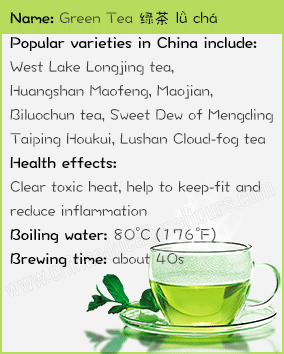
Traditional Chinese Medicine (TCM) values tea for its healing properties. Green tea is believed to detoxify, while pu-erh aids digestion. Camellia sinensis leaves contain antioxidants, catechins, and L-theanine, promoting mental clarity.
| Tea Type | Health Benefit |
|---|---|
| Green Tea | Rich in antioxidants |
| Pu-erh | Supports digestion |
| White Tea | Anti-aging properties |
The Role of Tea in Chinese Culture
Tea is deeply embedded in Chinese traditions, from ceremonies to daily life. The Gongfu Cha ceremony emphasizes precision, while Yum Cha (dim sum tea) reflects social bonding. Tea houses have been hubs for philosophy and art for centuries.
| Tradition | Significance |
|---|---|
| Gongfu Cha | Artful brewing ritual |
| Yum Cha | Social dining with tea |
China’s Most Expensive Tea
Some Chinese teas fetch astronomical prices. Da Hong Pao (Big Red Robe) from Fujian can cost $1.2 million per kilogram. Rare vintage pu-erh also commands high prices due to aging and limited supply.
See AlsoHealth in Chinese - Most Common Symptoms & Illnesses| Tea | Price (per kg) |
|---|---|
| Da Hong Pao | Up to $1.2 million |
| Vintage Pu-erh | Thousands of dollars |
What is a fun fact about Chinese tea?
The Discovery of Tea Was an Accident
According to legend, Chinese tea was discovered accidentally by Emperor Shen Nong in 2737 BCE. While boiling water, a tea leaf fell into his pot, creating the first infusion. This serendipitous event led to the birth of tea culture in China.
- Shen Nong, known as the Divine Farmer, was a mythical ruler and herbalist.
- The emperor tested hundreds of herbs for medicinal purposes, making tea a natural discovery.
- This legend highlights tea's early association with health and wellness.
Tea Was Once Used as Currency
During the Tang Dynasty (618–907 CE), compressed tea bricks were used as a form of currency in trade, especially with nomadic tribes. These bricks were durable, portable, and highly valued.
See AlsoThe Most Common Chinese Loanwords in English- Tea bricks were often stamped with imperial seals to verify authenticity.
- They were exchanged for horses, silk, and other goods along the Ancient Tea Horse Road.
- This practice reflects tea's economic and cultural significance in ancient China.
There Are Six Major Types of Chinese Tea
Chinese tea is categorized into six main types, each with unique processing methods and flavors: green tea, black tea, oolong tea, white tea, yellow tea, and dark tea (like pu-erh).
- Green tea is unoxidized, preserving its fresh, grassy flavor.
- Pu-erh is fermented and aged, developing a rich, earthy taste.
- The processing techniques date back centuries and vary by region.
The World's Oldest Tea Plant Is in China
The oldest cultivated tea plant, over 3,200 years old, grows in Yunnan Province. Known as the Tea Ancestor, it still produces leaves today.
- This ancient plant is a Camellia sinensis var. assamica.
- It stands as a living testament to China's long tea history.
- Locals revere it and host annual ceremonies in its honor.
Tea Was Once a Luxury Reserved for Emperors
During the Tang and Song Dynasties, high-quality tea was so precious that only the emperor and nobility could afford it. Commoners drank lower-grade varieties.
See AlsoReview: The Phonology of Standard Chinese- Imperial tea was often tribute tea, gifted to the emperor from top-producing regions.
- Special tea competitions were held to judge the finest leaves.
- This exclusivity fueled tea's status as a symbol of power and refinement.
Why do people say not for all the tea in China?

The Origin of the Phrase Not for All the Tea in China
The expression not for all the tea in China is an English idiom that emphasizes something is absolutely not worth doing, no matter how valuable the reward. It originated in the late 19th or early 20th century when tea from China was considered one of the most luxurious and expensive commodities in the world. The phrase highlights the idea that even an unimaginably vast treasure—like all of China's tea—wouldn’t be enough to persuade someone.
- Historical context: Tea was a symbol of wealth and trade dominance during the British Empire.
- Cultural significance: China was the primary global tea supplier, making the phrase hyperbolic.
- Linguistic exaggeration: The phrase uses an impossible scenario to stress refusal.
Why China's Tea Was So Valuable
China's tea was highly prized due to its exclusivity, quality, and trade restrictions. For centuries, China monopolized tea production, and European demand made it a status symbol. The phrase reflects how tea represented extreme wealth during colonial trade eras.
See AlsoWhen Is Chinese Valentine’s Day and How Is It Celebrated?- Monopoly: China controlled tea cultivation, creating scarcity.
- Trade routes: The Silk Road and maritime trade inflated its value.
- British obsession: Tea became central to British culture, increasing its perceived worth.
How the Phrase Entered English Language
The idiom likely emerged during the Opium Wars or the peak of British tea consumption. It capitalized on China’s association with tea and the impossibility of owning all of it, making the refusal dramatic.
- Colonial trade: British merchants exaggerated China’s tea wealth.
- Literary influence: Writers popularized hyperbolic comparisons.
- Oral tradition: The phrase spread through storytelling and everyday speech.
Modern Usage and Interpretations
Today, the phrase is used metaphorically to reject something emphatically. While tea is no longer as exclusive, the idiom persists due to its historical weight and vivid imagery.
- Flexibility: Applied to any undesirable offer or situation.
- Cultural legacy: Retains ties to colonial history.
- Global recognition: Understood even where tea isn’t a major commodity.
Misconceptions About the Phrase
Some assume the phrase is Chinese in origin, but it’s purely English. It reflects Western perceptions of China’s tea trade rather than Chinese language or culture.
- Linguistic confusion: No equivalent idiom exists in Chinese.
- Orientalist undertones: Projects Western fantasies of Eastern abundance.
- Historical distortion: Overlooks China’s actual tea trade complexities.
What are 5 facts about tea?

1. Tea is the Second Most Consumed Beverage in the World
After water, tea is the most widely consumed drink globally. Its popularity spans across cultures and continents, with billions of cups enjoyed daily.
- Black tea accounts for about 75% of global tea consumption.
- Countries like China and India are the largest producers and consumers of tea.
- The global tea market is valued at over $200 billion annually.
2. Tea Originated in China Over 5,000 Years Ago
According to legend, Emperor Shen Nong discovered tea in 2737 BCE when leaves accidentally fell into his boiling water.
- Tea was initially used for medicinal purposes before becoming a daily beverage.
- The oldest tea leaves were found in the tomb of Emperor Jing of Han (141–87 BCE).
- Camellia sinensis is the plant species from which all true teas are derived.
3. There Are Six Main Types of True Tea
All true teas come from the same plant but differ based on processing methods.
- White tea: Least processed, with a delicate flavor.
- Green tea: Unoxidized, known for its fresh taste and health benefits.
- Black tea: Fully oxidized, robust and caffeinated.
- Oolong tea: Partially oxidized, offering a balance of flavors.
- Pu-erh tea: Fermented and aged, with an earthy profile.
- Yellow tea: Rare and lightly oxidized, with a mellow taste.
4. Tea Contains Health-Boosting Compounds
Tea is rich in antioxidants, such as polyphenols, which contribute to its health benefits.
- Green tea contains EGCG, linked to improved heart health and metabolism.
- Black tea may reduce stress hormones and support gut health.
- Regular tea consumption is associated with a lower risk of chronic diseases.
5. The British Popularized Afternoon Tea in the 19th Century
Anna, the Duchess of Bedford, introduced afternoon tea as a way to curb hunger between meals.
- Traditional afternoon tea includes sandwiches, scones, and pastries.
- High tea was a working-class meal, heavier and served later in the day.
- The tea bag was accidentally invented in the U.S. in 1908 by Thomas Sullivan.
What is the history of tea in China class 10?

The Origins of Tea in Ancient China
The history of tea in China dates back over 5,000 years, with its origins rooted in the Shennong era. According to legend, Emperor Shennong discovered tea accidentally when tea leaves fell into his boiling water. Key points include:
- Shennong, the mythical Divine Farmer, is credited with introducing tea as a medicinal drink.
- Early tea consumption was primarily for health benefits, such as detoxification and digestion.
- Tea was initially consumed as a bitter herbal remedy before evolving into a beverage.
Tea During the Han Dynasty (206 BCE–220 CE)
During the Han Dynasty, tea became more widely consumed and traded. Key developments include:
- Tea was used as a currency in trade with neighboring regions.
- The first written records of tea appeared in medical texts and poetry.
- Tea cultivation expanded, with Yunnan and Sichuan becoming major growing regions.
The Tang Dynasty: The Golden Age of Tea (618–907 CE)
The Tang Dynasty marked a turning point in tea culture. Key highlights include:
- Lu Yu wrote The Classic of Tea, the first comprehensive book on tea preparation and etiquette.
- Tea became a national drink, enjoyed by all social classes.
- The tea brick method was developed for easier transport and trade.
Tea in the Song Dynasty (960–1279 CE)
The Song Dynasty refined tea culture with artistic and ceremonial advancements. Notable aspects include:
- The invention of powdered tea (matcha) and the whisking method.
- Tea competitions (doucha) became popular among scholars and nobles.
- Tea houses emerged as social hubs for poetry and discussion.
Ming and Qing Dynasties: Modern Tea Practices (1368–1912 CE)
During the Ming and Qing Dynasties, tea evolved into its modern form. Key changes include:
- The shift from compressed tea to loose-leaf tea for daily consumption.
- The development of oolong, black tea, and other varieties.
- Tea became a major export commodity, influencing global trade.
Frequently Asked Questions (FAQ)
What does the phrase Not for All the Tea in China mean in relation to Chinese tea?
The phrase Not for All the Tea in China is an English idiom that emphasizes something is so valuable or important that no amount of wealth—symbolized by China's historical tea trade—could persuade someone to give it up. In the context of the article, it highlights the immense cultural and economic significance of Chinese tea throughout history. Tea was once so prized that it fueled global trade, sparked wars, and became a symbol of status and tradition in China and beyond.
What are some surprising facts about the history of Chinese tea?
Chinese tea has a rich and unexpected history spanning over 5,000 years. One surprising fact is that tea was initially used as a medicinal herb before becoming a daily beverage. Another fascinating detail is that during the Tang Dynasty (618–907 AD), tea bricks were used as currency along the Silk Road. Additionally, the British obsession with tea led to the Opium Wars, as Britain traded opium for tea to balance trade deficits with China.
How many types of Chinese tea exist, and what makes them unique?
There are six main categories of Chinese tea: green, black, oolong, white, yellow, and pu-erh. Each type undergoes different processing methods, such as oxidation, fermentation, or roasting, which define their flavor, aroma, and color. For example, green tea is unoxidized, preserving its fresh taste, while pu-erh is fermented and aged, developing deep, earthy notes. Regional differences, like the high-altitude growth of Dragon Well tea, also contribute to their uniqueness.
Why is Chinese tea culture considered an art form?
Chinese tea culture is an art form because it encompasses ritual, philosophy, and craftsmanship. The Gongfu tea ceremony, for instance, emphasizes precision in brewing, serving, and savoring tea, turning it into a meditative practice. Tea masters dedicate years to mastering the perfect temperature, timing, and utensils, such as Yixing clay teapots, which enhance flavor over time. Beyond taste, tea is intertwined with Chinese poetry, calligraphy, and social harmony, reflecting its deep spiritual and aesthetic value.
Leave a Reply
Related Posts