
A Brief History of Chinese Characters

Chinese characters, one of the world’s oldest writing systems, have a rich history spanning over 3,000 years. Originating during the Shang Dynasty, early forms were inscribed on oracle bones for divination. Over centuries, these symbols evolved through stages like Bronze Script, Seal Script, and Clerical Script, eventually standardizing into the modern Regular Script. Each transformation reflected cultural, political, and technological shifts, from brush-and-ink calligraphy to movable type printing. Today, Chinese characters remain a vital part of East Asian literacy, bridging ancient traditions with contemporary communication. This article explores their fascinating journey, highlighting key developments that shaped one of humanity’s most enduring writing systems.
The Evolution of Chinese Characters: A Historical Overview
1. Origins of Chinese Characters
The history of Chinese characters dates back over 3,000 years, with the earliest known forms being oracle bone script (甲骨文) from the Shang Dynasty (1600–1046 BCE). These characters were inscribed on turtle shells and animal bones for divination purposes. The script was highly pictographic, representing objects and ideas through simplified drawings.
| Period | Script Type | Characteristics |
|---|---|---|
| Shang Dynasty | Oracle Bone Script | Pictographic, angular strokes |
| Zhou Dynasty | Bronze Script | More stylized, used in inscriptions |
2. Development During the Zhou Dynasty
During the Zhou Dynasty (1046–256 BCE), Chinese characters evolved into the bronze script (金文), which appeared on ritual bronze vessels. This script was more stylized and less angular than oracle bone script. Later, the seal script (篆书) emerged, characterized by its flowing, symmetrical lines and used primarily for official seals and inscriptions.
See AlsoShould you throw away your Chinese textbook?| Script | Usage | Features |
|---|---|---|
| Bronze Script | Ritual vessels | Curved, decorative strokes |
| Seal Script | Official documents | Symmetrical, elegant |
3. Standardization Under the Qin Dynasty
The Qin Dynasty (221–206 BCE) marked a turning point with the standardization of Chinese characters under Emperor Qin Shi Huang. The small seal script (小篆) was promoted, followed by the adoption of the clerical script (隶书), which was easier to write and became the foundation for modern characters.
| Reform | Script Introduced | Impact |
|---|---|---|
| Qin Standardization | Small Seal Script | Unified writing system |
| Han Dynasty | Clerical Script | Simplified strokes |
4. The Rise of Regular Script
By the Han Dynasty (206 BCE–220 CE), the clerical script transitioned into the regular script (楷书), which is still used today. This script features balanced and structured strokes, making it highly legible. The cursive (草书) and semi-cursive (行书) scripts also developed for faster writing.
| Script | Purpose | Traits |
|---|---|---|
| Regular Script | Formal writing | Clear, uniform strokes |
| Cursive Script | Quick writing | Fluid, connected strokes |
5. Modern Simplification Efforts
In the 20th century, the Chinese government introduced simplified characters to increase literacy rates. While Mainland China uses simplified characters, Taiwan, Hong Kong, and Macau retain traditional characters. This reform reduced stroke counts but sparked debates about cultural preservation.
See AlsoEscaping the convenience trap to learn more Chinese| Region | Character Type | Notes |
|---|---|---|
| Mainland China | Simplified | Introduced in 1950s |
| Taiwan | Traditional | Older, complex forms |
What is the history of Chinese characters?
The Origins of Chinese Characters
The history of Chinese characters dates back over 3,000 years, making them one of the oldest writing systems still in use today. The earliest known forms are oracle bone script (甲骨文), used during the Shang Dynasty (1600–1046 BCE). These characters were inscribed on animal bones and turtle shells for divination purposes.
- Oracle bone script is the earliest confirmed form of Chinese writing.
- Characters evolved from pictographs, representing objects or ideas visually.
- The Shang Dynasty's use of writing marked the beginning of recorded Chinese history.
The Evolution of Chinese Scripts
Over centuries, Chinese characters underwent significant changes, transitioning through several script styles. The bronze script (金文) emerged during the Zhou Dynasty, followed by the seal script (篆书), which was standardized under the Qin Dynasty (221–206 BCE).
See AlsoWhy good feedback matters and how to get it- Bronze script was used for inscriptions on ritual vessels.
- Seal script became the official script after China's unification.
- The clerical script (隶书) later simplified characters for bureaucratic use.
Standardization Under the Qin Dynasty
The Qin Dynasty played a pivotal role in unifying Chinese writing. Qin Shi Huang, the first emperor, mandated the use of small seal script to consolidate power and improve communication across the empire.
- Small seal script replaced regional variations.
- This reform laid the foundation for modern Chinese characters.
- The standardization facilitated administrative efficiency.
The Development of Regular Script
By the Han Dynasty (206 BCE–220 CE), the regular script (楷书) emerged, becoming the dominant form still used today. It features clear, structured strokes and is easier to read and write compared to earlier scripts.
- Regular script is the basis for modern printed and handwritten Chinese.
- It was refined during the Tang Dynasty (618–907 CE).
- This script improved literacy rates and cultural dissemination.
Modern Chinese Characters
In the 20th century, simplified characters were introduced in mainland China to promote literacy, while traditional characters remain in use in Taiwan, Hong Kong, and Macau. Both forms retain the core principles of the ancient writing system.
- Simplified characters reduced stroke counts for ease of learning.
- Traditional characters preserve historical and cultural nuances.
- Debates continue over which system better serves linguistic heritage.
What is the brief history of China?
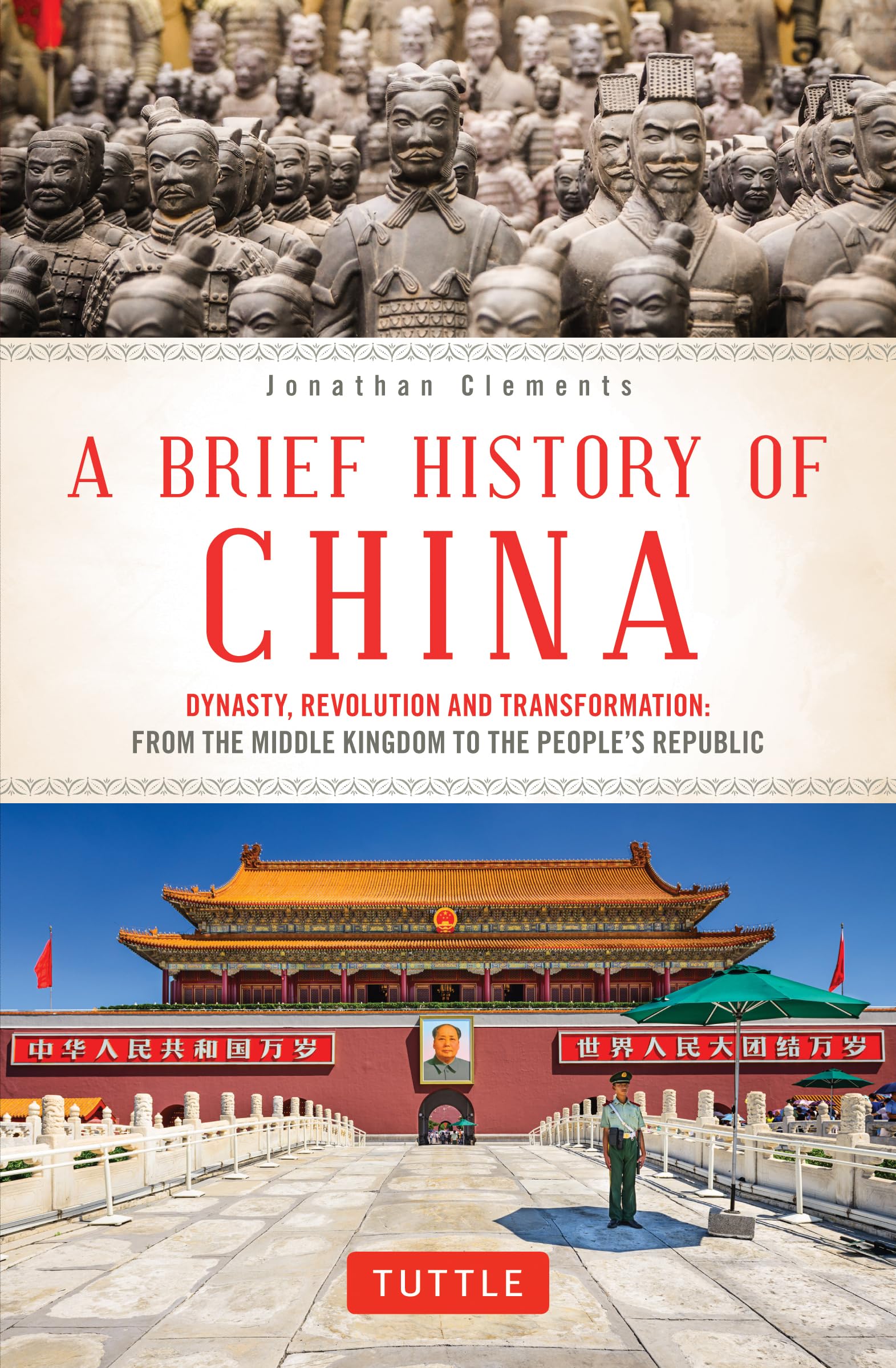
The Ancient Dynasties of China
The history of China dates back thousands of years, beginning with the Xia Dynasty (c. 2070–1600 BCE), though its existence remains debated. The Shang Dynasty (1600–1046 BCE) followed, leaving behind oracle bones—the earliest known Chinese writing. The Zhou Dynasty (1046–256 BCE) introduced the Mandate of Heaven, a philosophical justification for rulership.
- The Xia Dynasty is considered semi-legendary, with archaeological evidence still under scrutiny.
- The Shang Dynasty developed bronze craftsmanship and a complex writing system.
- The Zhou Dynasty established feudalism and Confucian ideals.
The Imperial Era: Qin to Han Dynasties
The Qin Dynasty (221–206 BCE) unified China under Emperor Qin Shi Huang, standardizing writing, currency, and measurements. The Han Dynasty (206 BCE–220 CE) expanded territory and solidified Confucianism as state ideology, while the Silk Road facilitated trade.
- The Qin Dynasty built the Great Wall and the Terracotta Army.
- The Han Dynasty saw advancements in papermaking and astronomy.
- This era laid the foundation for China’s bureaucratic system.
Medieval China: Tang and Song Dynasties
The Tang Dynasty (618–907 CE) marked a golden age of poetry and art, while the Song Dynasty (960–1279 CE) pioneered gunpowder and movable-type printing. Both dynasties emphasized civil service exams.
- The Tang Dynasty expanded China’s influence across Asia.
- The Song Dynasty introduced paper money and naval technology.
- Cultural achievements flourished, including Li Bai’s poetry.
The Mongol Rule and Ming Dynasty
The Yuan Dynasty (1271–1368 CE), led by Kublai Khan, was China’s first foreign-ruled empire. The Ming Dynasty (1368–1644 CE) restored Han Chinese rule, constructing the Forbidden City and sponsoring Zheng He’s voyages.
- The Yuan Dynasty integrated China into the Mongol Empire.
- The Ming Dynasty revived traditional arts and literature.
- Zheng He’s expeditions reached Africa and the Middle East.
Modern China: Qing Dynasty to Present
The Qing Dynasty (1644–1912 CE), China’s last imperial dynasty, faced Opium Wars and internal rebellions. The 20th century brought revolution, the founding of the People’s Republic of China (1949), and rapid economic growth under Deng Xiaoping’s reforms.
- The Qing Dynasty collapsed after foreign invasions and the 1911 Revolution.
- Mao Zedong established communist rule in 1949.
- Economic reforms since 1978 transformed China into a global power.
Is there a logic behind Chinese characters?

The Historical Development of Chinese Characters
The evolution of Chinese characters follows a structured historical progression, rooted in ancient pictographs and ideographs. Over time, these symbols became more abstract, yet they retained a logical foundation based on visual representation and meaning. Key stages include:
- Oracle Bone Script: The earliest form, used for divination, featuring simplified drawings of objects.
- Bronze Script: More stylized characters inscribed on ritual bronzes, with added complexity.
- Small Seal Script: Standardized under the Qin Dynasty, leading to greater consistency in form.
The Role of Radicals in Chinese Characters
Radicals are essential components that provide clues to meaning or pronunciation. They serve as building blocks, organizing characters into logical categories. For example:
- Semantic Radicals: Indicate general meaning (e.g., 水 water in 河 river).
- Phonetic Radicals: Suggest pronunciation (e.g., 可 in 河, which sounds like he).
- Combination Rules: Radicals are often positioned left or top, guiding character interpretation.
Pictographic and Ideographic Principles
Many Chinese characters originate from pictographs (direct visual representations) or ideographs (symbolic concepts). Examples include:
- Pictographs: 山 mountain resembles peaks, 日 sun depicts a circle with a dot.
- Ideographs: 上 up and 下 down use horizontal lines to convey direction.
- Compound Ideographs: 明 bright combines 日 sun and 月 moon for clarity.
Phonetic Loan Characters and Adaptations
Some characters borrow sound rather than meaning, creating phonetic loans. This adaptation adds complexity but follows patterns:
- Rebus Principle: Using existing characters for homophones (e.g., 來 come originally meant wheat).
- Phonetic Compounds: Combining a semantic radical with a phonetic one (e.g., 媽 mother uses 女 female + 馬 horse for sound).
- Historical Sound Shifts: Pronunciation changes over time may obscure original phonetic links.
Modern Simplification and Logical Consistency
The 20th-century simplification of characters aimed to improve literacy but retained underlying logic. Key aspects include:
- Reduced Strokes: 国 (simplified) vs. 國 (traditional) for country, preserving the 囗 enclosure radical.
- Systematic Rules: Recurring components like 门 (simplified from 門 gate) apply across multiple characters.
- Controversies: Some argue simplification sacrifices historical connections, though logic remains in structure.
What does the Chinese character 人 rén mean?

The Basic Meaning of the Chinese Character 人 (rén)
The Chinese character 人 (rén) fundamentally means person or human being. It is one of the most basic and frequently used characters in the Chinese language, representing the concept of an individual or people in general. Here are some key points about its meaning:
- Core Definition: It refers to a single person or collectively to humanity.
- Pictographic Origin: The character resembles a person standing with legs apart.
- Common Usage: It appears in words like 人民 (rénmín, people) and 人类 (rénlèi, mankind).
The Etymology and Evolution of 人 (rén)
The character 人 (rén) has ancient roots in Chinese script, evolving from a pictograph. Here’s how its form and meaning developed:
- Oracle Bone Script: The earliest form depicted a side view of a person with arms and legs.
- Bronze Script: The shape became more stylized, resembling the modern version.
- Simplification: Over time, the strokes were streamlined for easier writing.
Common Words and Phrases Using 人 (rén)
人 (rén) is a building block for many Chinese words. Here are some examples:
- 大人 (dàrén): Means adult or important person.
- 工人 (gōngrén): Translates to worker or laborer.
- 人口 (rénkǒu): Refers to population.
Cultural Significance of 人 (rén)
In Chinese culture, 人 (rén) carries deep philosophical and social meanings:
- Confucianism: Emphasizes the moral duties of a person (仁 rén, meaning benevolence).
- Collective Identity: Highlights the importance of community over individualism.
- Proverbs: Phrases like 人山人海 (rén shān rén hǎi) describe large crowds.
How to Write and Pronounce 人 (rén)
Mastering 人 (rén) involves understanding its writing and pronunciation:
- Stroke Order: Written with two simple strokes—first a downward left stroke, then a right stroke.
- Pinyin: Pronounced as rén with a rising second tone.
- Homophones: Sounds similar to 仁 (rén, benevolence) but differs in meaning.
Frequently Asked Questions (FAQ)
What is the origin of Chinese characters?
The origin of Chinese characters dates back over 3,000 years to the Shang Dynasty, where the earliest known form, oracle bone script, was used for divination. These characters were carved onto animal bones and turtle shells, representing the foundation of the written Chinese language. Over time, the script evolved into bronze inscriptions and later into more standardized forms like seal script, which paved the way for modern Chinese writing.
How have Chinese characters evolved over time?
Chinese characters have undergone significant stylistic and structural changes throughout history. From the oracle bone script, they transitioned into the large seal script during the Zhou Dynasty, followed by the small seal script under Emperor Qin Shi Huang's unification efforts. The clerical script emerged in the Han Dynasty, simplifying strokes and leading to the regular script (kaishu), which remains the standard today. Each phase reflected cultural, political, and technological influences.
Why are Chinese characters considered logographic?
Chinese characters are logographic because each symbol represents a meaningful unit (a word or morpheme) rather than a sound, as in alphabetic systems. For example, the character 人 (rén) means person, and 山 (shān) means mountain. This contrasts with phonetic writing systems, where letters denote sounds. The logographic nature allows Chinese to be read across dialects, though pronunciation may differ, making it a unifying feature of the language.
What role did Chinese characters play in East Asian cultures?
Chinese characters profoundly influenced East Asian civilizations, serving as the foundation for writing systems in Japan, Korea, and Vietnam. Japan adapted characters into kanji, while Korea developed hanja before creating Hangul. Vietnam used chữ Nôm, a derivative script, before adopting the Latin alphabet. Beyond linguistics, characters shaped art, literature, and philosophy, embedding Confucian and Daoist ideals into regional cultures. Their legacy persists in modern calligraphy, education, and historical studies.
Leave a Reply
Related Posts