
How learning some basic theory can improve your Mandarin pronunciation

Mastering Mandarin pronunciation can be challenging, especially for beginners. While practice is essential, understanding some basic theory can significantly accelerate your progress. Learning concepts like tones, pinyin, and mouth positioning provides a foundation for accurate sound production. Tones, for instance, are crucial in Mandarin, as they change word meanings entirely. Pinyin, the romanization system, helps bridge the gap between familiar letters and unfamiliar sounds. Additionally, knowing how to position your tongue and lips can make pronunciation more natural. By combining theory with practice, you’ll develop a clearer, more confident speaking style. This article explores how these theoretical insights can transform your Mandarin pronunciation journey.
How Learning Basic Theory Enhances Your Mandarin Pronunciation
Mastering Mandarin pronunciation requires more than just practice—it demands an understanding of the phonetic theory behind the sounds. By learning foundational concepts like tones, pinyin, and articulation techniques, you can refine your pronunciation systematically. This approach helps avoid common mistakes and accelerates fluency by ensuring accuracy from the start.
The Role of Tones in Mandarin Pronunciation
Mandarin is a tonal language, meaning the pitch contour of a word changes its meaning. There are four main tones and a neutral tone, each requiring precise control. Understanding tone theory—such as high-level (1st tone), rising (2nd tone), falling-rising (3rd tone), and falling (4th tone)—helps learners distinguish and produce sounds correctly. Mispronouncing tones can lead to misunderstandings, making this knowledge essential.
See AlsoIs learning things by heart good for improving your Chinese?| Tone Number | Description | Example (Pinyin) |
|---|---|---|
| 1st | High and level | mā (mother) |
| 2nd | Rising | má (hemp) |
| 3rd | Falling-rising | mǎ (horse) |
| 4th | Falling | mà (scold) |
Understanding Pinyin for Accurate Sounds
Pinyin is the Romanization system for Mandarin, acting as a bridge between characters and pronunciation. Learning pinyin rules, such as how q is pronounced like ch but with the tongue further forward, prevents errors. For example, xī (west) differs from shī (poem) due to subtle articulation differences.
| Pinyin Initial | Pronunciation Tip |
|---|---|
| zh, ch, sh | Retroflex sounds (curl tongue back) |
| j, q, x | Alveolo-palatal (tongue near hard palate) |
Mastering Consonant and Vowel Articulation
Mandarin has unique consonants (e.g., r is a rolled sound) and vowels (e.g., ü requires rounded lips). Studying mouth positioning and airflow ensures clarity. For instance, confusing b (unaspirated) with p (aspirated) alters word meanings, like bà (dad) vs. pà (fear).
| Sound Pair | Key Difference |
|---|---|
| b / p | Aspiration (puff of air) |
| z / c | Affricate vs. aspirated affricate |
The Importance of Syllable Structure
Mandarin syllables follow a strict consonant-vowel (CV) or consonant-vowel-nasal (CVN) pattern. Knowing this prevents adding extra sounds, like pronouncing shi as shee instead of a crisp sh-ih.
See AlsoAsking the experts: How to learn Chinese grammar| Syllable Type | Example |
|---|---|
| CV | tā (he/she) |
| CVN | mén (door) |
Linking Theory to Listening Practice
Applying theory to listening drills sharpens your ear. For example, distinguishing nǐ hǎo (hello) from ní hāo (incorrect tones) trains auditory recognition, reinforcing correct pronunciation through repetition.
| Exercise | Benefit |
|---|---|
| Tone pairs | Improves tonal accuracy |
| Minimal pairs | Refines consonant/vowel distinction |
How to improve Mandarin pronunciation?

Master the Four Mandarin Tones
Mandarin is a tonal language, meaning the pitch contour of a syllable can change its meaning. To improve pronunciation, focus on mastering the four primary tones:
See AlsoA Guide to All Dialects of Chinese- First tone (high and flat): Practice sustaining a steady high pitch, like singing a musical note.
- Second tone (rising): Mimic the inflection of a question in English (e.g., What?).
- Third tone (falling-rising): Start mid, dip low, then rise slightly—often simplified as a low tone in fluent speech.
- Fourth tone (sharp falling): Imagine giving a firm command (e.g., Stop!).
Practice with Pinyin and Audio Resources
Pinyin (Romanized Mandarin) is essential for linking sounds to characters. Use these strategies:
- Study Pinyin charts with audio to match symbols to correct sounds.
- Repeat after native speakers via language apps (e.g., Pleco, HelloChinese) or YouTube tutorials.
- Record yourself and compare to native pronunciations to identify gaps.
Imitate Native Speakers and Shadowing
Shadowing involves mimicking speech in real-time to refine accent and rhythm:
- Listen to podcasts or dialogues, pausing to repeat phrases exactly.
- Focus on intonation and stress patterns, not just individual words.
- Use TV shows or movies with subtitles to practice colloquial delivery.
Work on Difficult Mandarin Sounds
Mandarin has unique consonants and vowels absent in English. Prioritize these:
- Retroflex sounds (zh, ch, sh, r): Curl the tongue backward against the palate.
- Nasal finals (-n, -ng): Differentiate between front (e.g., xin) and back nasal sounds (e.g., xing).
- Ü vowel: Round lips tightly, as saying ee with a puckered mouth.
Engage in Regular Feedback and Correction
Consistent feedback accelerates improvement:
- Partner with a native speaker or tutor for live corrections.
- Join language exchange platforms (e.g., Tandem) to practice conversational Mandarin.
- Use apps like Speechling to submit recordings for professional feedback.
How useful is learning Mandarin?

Career Opportunities and Professional Growth
Learning Mandarin significantly enhances career prospects, especially in global industries like trade, finance, and technology. China's economic influence makes Mandarin a valuable asset for professionals. Here’s why:
- Competitive edge: Bilingual professionals stand out in multinational companies.
- Business expansion: Mandarin opens doors to partnerships with Chinese firms.
- Higher salaries: Many employers offer premiums for Mandarin-speaking roles.
Cultural Understanding and Travel Benefits
Mastering Mandarin deepens appreciation for Chinese culture and simplifies travel across China and other Mandarin-speaking regions. Key advantages include:
- Authentic experiences: Engage with locals beyond tourist areas.
- Navigational ease: Read signs, menus, and public transport effortlessly.
- Cultural respect: Build stronger connections by speaking the native language.
Cognitive and Academic Advantages
Studying Mandarin sharpens mental agility and offers unique academic benefits. The language's structure challenges the brain, leading to:
- Improved memory: Tonal recognition enhances cognitive flexibility.
- Problem-solving skills: Learning characters boosts pattern recognition.
- Academic opportunities: Access scholarships or programs focused on Asian studies.
Technological and Digital Influence
China's dominance in tech innovation makes Mandarin essential for staying ahead in digital trends. Benefits include:
- Early access: Understand cutting-edge tech developments from Chinese sources.
- E-commerce: Navigate platforms like Alibaba or WeChat more effectively.
- AI and coding: Collaborate with Mandarin-speaking tech communities.
Global Diplomacy and International Relations
Proficiency in Mandarin is invaluable for roles in diplomacy, NGOs, or global policy. Key reasons:
- Negotiation power: Communicate directly with Chinese officials or stakeholders.
- Conflict resolution: Bridge cultural gaps in international discussions.
- Policy insight: Analyze Chinese media and government communications firsthand.
How can I improve my Mandarin tone?
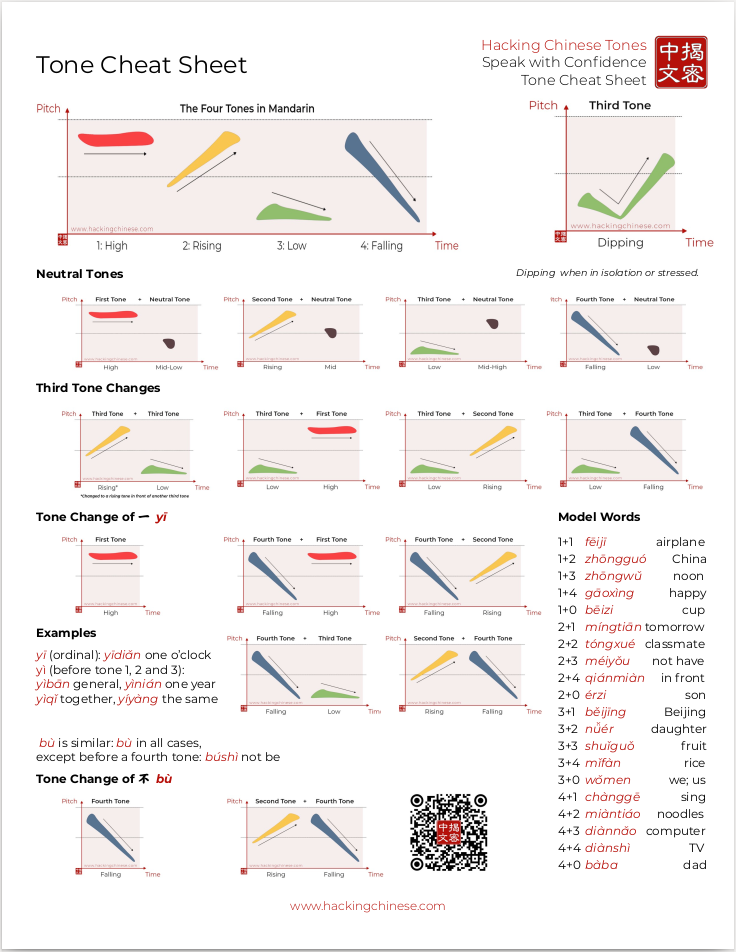
Understanding Mandarin Tones
To improve your Mandarin tones, you must first understand the four main tones and the neutral tone. Each tone has a distinct pitch contour:
- First tone (high-level): Maintain a steady, high pitch.
- Second tone (rising): Start mid and rise sharply.
- Third tone (dipping): Begin mid, drop low, then rise.
- Fourth tone (falling): Start high and drop sharply.
- Neutral tone: Light and quick, often unstressed.
Listening and Mimicking Native Speakers
Listening to native speakers is crucial for tone improvement. Focus on mimicking their pronunciation:
- Use podcasts, songs, or TV shows in Mandarin.
- Repeat phrases immediately after hearing them.
- Record yourself and compare with native audio.
- Pay attention to tone pairs (how tones change in context).
- Practice with a language partner for feedback.
Practicing Tone Pairs and Sentences
Tones often change in context, so practice tone pairs and full sentences:
- Drill common tone combinations (e.g., 2nd + 1st, 3rd + 4th).
- Use flashcards with pinyin and audio.
- Read aloud sentences, focusing on tone flow.
- Practice tongue twisters to build muscle memory.
- Work on question vs. statement intonation.
Using Technology and Apps
Leverage technology to refine your tones:
- Use apps like Pleco or HelloChinese for tone drills.
- Try speech recognition tools (e.g., Google Pinyin input).
- Watch YouTube tutorials with tone visualization.
- Join online language communities for feedback.
- Use tone-checking tools like Mandarin Blueprint.
Working with a Tutor or Language Partner
A tutor or partner can provide real-time corrections:
- Schedule regular sessions for tone-focused practice.
- Ask them to highlight your tone errors immediately.
- Practice minimal pairs (words differing only by tone).
- Role-play conversations to apply tones naturally.
- Request feedback on your intonation and rhythm.
How can I improve my Mandarin?

1. Practice Speaking Regularly
To improve your Mandarin, consistent speaking practice is essential. Engage in daily conversations, even if it's just with yourself or a language partner. Here are some effective methods:
- Language exchange: Partner with a native speaker who wants to learn your language.
- Shadowing technique: Repeat sentences from podcasts or videos to mimic pronunciation.
- Join Mandarin-speaking clubs or online communities to practice in a supportive environment.
2. Expand Your Vocabulary
Building a strong vocabulary is key to fluency. Focus on learning words and phrases relevant to your daily life or interests:
- Use flashcards (digital apps like Anki or physical cards) for memorization.
- Learn high-frequency words first, such as common verbs and nouns.
- Label objects in your home with their Mandarin names for constant exposure.
3. Immerse Yourself in Mandarin Media
Exposure to native content accelerates learning by improving listening comprehension and cultural understanding:
- Watch Chinese TV shows, movies, or YouTube channels with subtitles.
- Listen to Mandarin podcasts or music during downtime.
- Follow Chinese social media accounts or news outlets to read daily.
4. Study Grammar and Sentence Structure
Understanding grammar rules helps you construct accurate sentences. Dedicate time to study:
- Focus on basic sentence patterns (e.g., Subject-Verb-Object).
- Practice particle usage (like 了, 的, 吗) to sound more natural.
- Use workbooks or online exercises to reinforce grammar concepts.
5. Take Formal Lessons or Use Learning Apps
Structured learning through courses or apps provides a clear progression path:
- Enroll in a Mandarin class (online or in-person) for guided instruction.
- Use apps like HelloChinese, Duolingo, or Pleco for interactive practice.
- Hire a tutor for personalized feedback on pronunciation and grammar.
Frequently Asked Questions (FAQ)
Why is learning basic theory important for improving Mandarin pronunciation?
Understanding basic theory is crucial because Mandarin is a tonal language, meaning the meaning of a word can change entirely based on its tone. By studying the phonetic rules, such as Pinyin (the Romanization system for Mandarin), learners can grasp how sounds are formed and how tones function. This foundational knowledge helps avoid common pronunciation mistakes and ensures clearer communication. Without this theory, learners may rely solely on imitation, which can lead to inconsistent or inaccurate pronunciation.
How does learning Pinyin help with Mandarin pronunciation?
Pinyin serves as a bridge between Mandarin characters and their sounds, breaking down syllables into initials, finals, and tones. By mastering Pinyin, learners can decode unfamiliar words and pronounce them correctly, even without hearing them first. It also helps distinguish between similar sounds, like zh and j, which are challenging for non-native speakers. Additionally, Pinyin provides a systematic way to practice tones, ensuring learners develop accurate intonation from the beginning.
What role do tones play in Mandarin pronunciation, and how can theory help?
Tones are the backbone of Mandarin pronunciation, as they differentiate words that otherwise sound identical. For example, mā (mother) and mà (scold) have entirely different meanings due to their tones. Learning the four main tones (flat, rising, falling-rising, and falling) and the neutral tone through theory allows learners to consciously apply them in speech. Theoretical knowledge also helps identify tone pairs and sandhi rules, such as the third-tone change, which are essential for natural-sounding speech.
Can studying Mandarin phonetics improve listening skills as well?
Absolutely. Phonetic theory trains the ear to recognize subtle sound distinctions, such as aspirated vs. unaspirated consonants (e.g., p vs. b in Pinyin). By understanding how sounds are produced, learners can better discriminate between similar words when listening to native speakers. This knowledge also reduces reliance on visual cues, making it easier to follow conversations in real-world settings. Over time, this leads to improved comprehension and faster language acquisition.
Leave a Reply
Related Posts