
How to Avoid Scams in Shanghai: The Pearl of the Orient

Shanghai, known as the Pearl of the Orient, is a vibrant metropolis brimming with culture, commerce, and opportunity. However, like any major city, it also attracts scams targeting unsuspecting visitors and expats. From counterfeit goods to overpriced tours, knowing how to spot and avoid these pitfalls is essential for a safe and enjoyable experience. This guide provides practical tips to help you navigate Shanghai’s bustling streets with confidence. Learn how to identify common scams, protect your finances, and make informed decisions while exploring this dynamic city. Stay vigilant and informed to ensure your time in Shanghai remains memorable for all the right reasons.
How to Avoid Scams in Shanghai: The Pearl of the Orient
1. Recognizing Common Scams in Shanghai
Shanghai, known as the Pearl of the Orient, is a bustling metropolis with a vibrant culture. However, tourists should be aware of common scams such as fake taxis, overpriced tea ceremonies, and counterfeit goods. Scammers often target foreign visitors in popular areas like Nanjing Road or The Bund. Always verify official taxi markings and avoid unsolicited invitations from strangers.
| Scam Type | How It Works | How to Avoid |
|---|---|---|
| Fake Taxis | Unmarked cars charging exorbitant fares | Use ride-hailing apps or official taxis |
| Tea Ceremony Scam | Strangers invite you for tea, then demand payment | Politely decline unsolicited offers |
2. Safe Transportation Practices in Shanghai
Public transport in Shanghai is efficient and affordable, but scams can occur. Always use licensed taxis or apps like Didi. Avoid unmarked vehicles, and insist on using the meter. If taking the metro, purchase tickets from official counters or machines to avoid counterfeit tickets.
See AlsoNew Chinese Buzzword: Dalonga Candy Game/Challenge| Transport Type | Safety Tip |
|---|---|
| Metro | Buy tickets from official sources |
| Taxis | Check for official license and meter |
3. Avoiding Overpriced Shopping Scams
Shanghai is famous for its markets and shopping districts, but tourists often fall for overpriced or fake goods. Stick to reputable stores and avoid street vendors selling luxury items at low prices. Bargaining is common, but be cautious of inflated initial prices.
| Shopping Area | Risk Level |
|---|---|
| Fake Market | High (counterfeit goods) |
| Department Stores | Low (fixed prices) |
4. Protecting Your Personal Information
Scammers may attempt identity theft or credit card fraud. Avoid sharing personal details with strangers and use ATMs inside banks. Be wary of skimming devices and always cover your PIN when entering it.
| Risk | Prevention |
|---|---|
| Credit Card Fraud | Use chip-enabled cards |
| Skimming | Inspect ATMs before use |
5. Staying Safe in Tourist Hotspots
Areas like The Bund, Yu Garden, and Tianzifang are popular but attract scammers. Be cautious of pickpockets and distraction techniques. Keep valuables secure and avoid flashing expensive items.
See AlsoText adventure games and how to use them in the Chinese language classroom| Location | Common Scam |
|---|---|
| The Bund | Fake tour guides |
| Yu Garden | Overpriced souvenirs |
Are scams common in Shanghai?
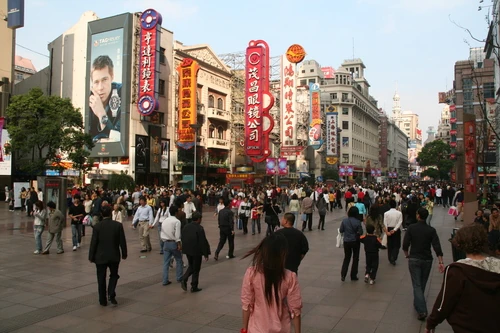
What Are the Most Common Scams in Shanghai?
Shanghai, like any major city, has its share of scams targeting tourists and locals alike. Some of the most common scams include:
- Tea House Scams: Tourists are lured into a tea house and charged exorbitant prices for tea they didn’t order.
- Fake Taxis: Unlicensed cabs overcharge passengers or take longer routes to inflate fares.
- Counterfeit Goods: Fake luxury items are sold as genuine, often in markets or by street vendors.
How Do Scammers Target Tourists in Shanghai?
Scammers often focus on tourists due to their unfamiliarity with local customs and language barriers. Common tactics include:
See AlsoPreply Review - Just Another Italki? Or Something Different?- Friendly Strangers: Scammers pose as helpful locals, only to lead victims into overpriced shops or scams.
- Overcharging: Vendors or drivers may charge significantly more than the standard rate.
- Distraction Theft: Thieves work in pairs—one distracts while the other steals belongings.
Are Shopping Scams Prevalent in Shanghai?
Shopping scams are relatively common, especially in tourist-heavy areas. Key examples include:
- Bait-and-Switch: Sellers show genuine products but deliver counterfeits after payment.
- Fake Discounts: Stores advertise huge discounts on inflated original prices.
- No Refund Policies: Some shops refuse refunds even for defective or misrepresented goods.
How Can You Avoid Taxi Scams in Shanghai?
To avoid taxi scams, follow these precautions:
- Use Official Taxis: Only ride in licensed cabs with visible meters and company logos.
- Track Your Route: Use GPS apps like Google Maps or local alternatives to monitor the driver’s path.
- Insist on the Meter: Never agree to a fixed fare unless it’s a pre-negotiated ride-hailing service.
What Should You Do If You Fall Victim to a Scam in Shanghai?
If you encounter a scam, take these immediate steps:
- Report to Authorities: Contact local police or tourist assistance hotlines.
- Document Evidence: Save receipts, take photos, or record interactions if possible.
- Notify Your Embassy: For serious cases, your country’s consulate may provide support.
Why did I just get a call from Shanghai, China?

Possible Reasons for Receiving a Call from Shanghai, China
There are several reasons why you might have received a call from Shanghai, China. Some common explanations include:
- Business inquiries: If you work in international trade or have an online presence, a company or individual from Shanghai may be reaching out for professional reasons.
- Scam or phishing attempts: Fraudulent calls from foreign numbers, including spoofed calls, are common and may aim to extract personal or financial information.
- Wrong number: The caller may have dialed incorrectly, especially if international dialing codes were misused.
How to Identify a Legitimate Call from Shanghai
To determine if the call was genuine, consider these factors:
- Caller ID: Check if the number matches a known business or contact from Shanghai.
- Content of the call: Legitimate callers usually provide clear details about their purpose.
- Request for sensitive information: Be wary if the caller asks for passwords, bank details, or other private data.
Common Scams Originating from Shanghai Calls
Scams from Shanghai-based numbers often follow these patterns:
- Tech support scams: Pretending to be from a well-known tech company offering fake assistance.
- Investment fraud: Promising high returns on dubious financial schemes.
- Government impersonation: Claiming to be from Chinese authorities demanding payments or personal details.
Steps to Take After Receiving a Suspicious Call
If the call seemed fraudulent, follow these steps:
- Do not engage: Hang up immediately if the call feels suspicious.
- Block the number: Use your phone’s blocking feature to prevent future calls.
- Report the call: Notify your local fraud prevention agency or telecommunications provider.
Why Shanghai is a Hub for International Calls
Shanghai is a major global city with a high volume of international communications due to:
- Business and trade: Many multinational companies operate in Shanghai, leading to legitimate cross-border calls.
- Telecom infrastructure: Advanced networks make it a base for call centers, both legal and fraudulent.
- Population density: High numbers increase the likelihood of wrong-number calls or mass dialing attempts.
Frequently Asked Questions (FAQ)
What are the most common scams targeting tourists in Shanghai?
Shanghai, known as The Pearl of the Orient, attracts millions of tourists each year, but it also draws scammers looking to exploit unsuspecting visitors. Some of the most common scams include overpriced tea ceremonies, where tourists are lured into tea houses and charged exorbitant prices. Another frequent scam is the fake art gallery scheme, where individuals are pressured into buying counterfeit artwork at inflated prices. Additionally, taxi overcharging and fake tour guides are prevalent, especially around popular attractions like The Bund or Yu Garden. Being aware of these tactics is the first step to avoiding them.
How can I identify and avoid fake tour guides in Shanghai?
Fake tour guides often operate near major tourist spots, offering exclusive or discounted tours. To avoid falling victim, always verify credentials by asking for official identification or licenses. Legitimate guides in Shanghai usually work for registered agencies. Another red flag is if the guide insists on taking you to specific shops or restaurants, as they may receive commissions. Instead, book tours through reputable platforms or your hotel. If approached aggressively, politely decline and walk away.
What should I do if I suspect a taxi driver is overcharging me?
Taxi scams in Shanghai often involve unmetered rides or manipulated meters. To protect yourself, always insist the driver uses the meter and avoid unmarked cabs. Before getting in, check if the taxi has a company logo and a visible license. If you suspect overcharging, note the driver’s ID and license plate, then report it to local authorities or your hotel. Alternatively, use ride-hailing apps like Didi, which provide transparent pricing and driver details.
Are there safe ways to shop without falling for scams in Shanghai?
Shopping in Shanghai can be a delightful experience if you stay cautious. Avoid street vendors selling luxury goods at suspiciously low prices, as these are likely counterfeit. Stick to established markets like Nanjing Road or Xintiandi, where stores are more regulated. When bargaining, research fair prices beforehand and be wary of high-pressure sales tactics. For high-value purchases, use credit cards or official receipts, which offer better fraud protection than cash. Always trust your instincts—if a deal seems too good to be true, it probably is.
Leave a Reply
Related Posts