
Learn Chinese as a Retiree - Is It Even Possible?

Learning Chinese as a retiree may seem like a daunting challenge, but it’s far from impossible. With more free time and a relaxed pace of life, retirement offers a unique opportunity to dive into language learning. While mastering Mandarin’s tones and characters requires dedication, age is no barrier to acquiring new skills. Many retirees find that studying Chinese not only keeps their minds sharp but also opens doors to cultural experiences, travel, and meaningful connections. Whether for personal enrichment or practical use, tackling this language later in life can be both rewarding and enjoyable. The key lies in patience, consistency, and finding the right approach.
- Learn Chinese as a Retiree – Is It Even Possible?
- Am I too old to learn Chinese?
- How long does it realistically take to learn Chinese?
-
Can you become fluent in Chinese as an adult?
- Is It Possible to Achieve Fluency in Chinese as an Adult?
- What Are the Biggest Challenges for Adults Learning Chinese?
- How Long Does It Take to Become Fluent in Chinese as an Adult?
- What Are the Best Methods for Learning Chinese as an Adult?
- Can You Achieve Native-Like Pronunciation in Chinese as an Adult?
- Is it worth learning Chinese as an American?
- Frequently Asked Questions (FAQ)
Learn Chinese as a Retiree – Is It Even Possible?
Learning Chinese as a retiree is not only possible but also a rewarding and intellectually stimulating endeavor. While it may seem daunting at first, retirees often have the time, patience, and life experience to approach language learning effectively. Chinese, with its unique characters and tonal system, requires consistent practice, but age is not a barrier. In fact, studies suggest that learning a new language can improve cognitive health and delay memory-related decline. With the right resources, methods, and mindset, retirees can successfully learn Chinese and even enjoy the cultural immersion it offers.
Why Should Retirees Consider Learning Chinese?
Learning Chinese as a retiree offers numerous benefits beyond just language acquisition. It keeps the brain active, enhances memory retention, and provides a sense of accomplishment. Additionally, it opens doors to cultural exploration, whether through travel, literature, or connecting with native speakers. Retirees often have the flexibility to study at their own pace, making Chinese an ideal challenge.
See Also7 kinds of tone problems in Mandarin and what to do about them| Benefit | Description |
|---|---|
| Cognitive Health | Improves memory and delays cognitive decline. |
| Cultural Engagement | Deepens understanding of Chinese traditions and history. |
| Social Connections | Opportunities to interact with native speakers or fellow learners. |
What Are the Best Learning Methods for Retirees?
Retirees should focus on structured yet flexible learning methods. Online courses, language apps (like Duolingo or HelloChinese), and private tutors are excellent options. Incorporating multisensory techniques, such as listening to Chinese podcasts or watching films, can reinforce learning. Consistency is key—even short daily sessions yield progress.
| Method | Effectiveness |
|---|---|
| Online Courses | Self-paced, structured lessons. |
| Language Apps | Interactive and gamified learning. |
| Private Tutoring | Personalized guidance and feedback. |
How Difficult Is Chinese for Older Learners?
While Chinese presents challenges—such as tones and characters—it is not insurmountable. Retirees can leverage their life experience and problem-solving skills to break down complex concepts. Pinyin (Romanized Chinese) simplifies pronunciation, and gradual character recognition makes reading manageable. The key is patience and persistence.
| Challenge | Solution |
|---|---|
| Tones | Practice with audio tools and repetition. |
| Characters | Learn radicals first, then build vocabulary. |
| Grammar | Simpler than many languages—focus on patterns. |
What Resources Are Ideal for Retirees Learning Chinese?
Retirees should use age-friendly resources that balance engagement and simplicity. Books like Chinese for Dummies, YouTube channels (e.g., Learn Chinese with Emma), and senior-focused language groups can be highly effective. Audiobooks and flashcards also help reinforce learning without screen fatigue.
See AlsoHow To Use Rhetorical Language Structures In Chinese| Resource | Use Case |
|---|---|
| Beginner Textbooks | Structured lessons with exercises. |
| YouTube Lessons | Free, visual, and auditory learning. |
| Language Meetups | Practice speaking in a social setting. |
Can Retirees Achieve Fluency in Chinese?
Fluency is achievable with dedication, though the definition varies. Retirees may focus on conversational fluency rather than academic mastery. Setting realistic goals—like ordering food or discussing hobbies—keeps motivation high. Regular practice with native speakers, whether online or in-person, accelerates progress.
| Goal | Strategy |
|---|---|
| Basic Conversations | Daily speaking practice with a tutor. |
| Character Recognition | Learn 5-10 characters per week. |
| Listening Skills | Watch Chinese shows with subtitles. |
Am I too old to learn Chinese?

Is Age a Barrier to Learning Chinese?
While age can influence the learning process, it is not a definitive barrier to learning Chinese. Adults often bring valuable skills to language learning, such as discipline and problem-solving abilities. Here are key points to consider:
See AlsoCan You Drive in China with Your Overseas License?- Neuroplasticity allows the brain to adapt and learn at any age, though it may take longer than for younger learners.
- Motivation plays a bigger role than age—consistent practice matters more.
- Prior language experience can help adults recognize patterns and grammar rules more efficiently.
How Does Age Affect Pronunciation in Chinese?
Pronunciation can be challenging for older learners due to reduced auditory sensitivity, but it’s not impossible to master. Focused practice helps:
- Tonal languages like Mandarin require attentive listening, which improves with repetition.
- Mimicking native speakers through apps or tutors can refine accent and tone accuracy.
- Speech training tools provide instant feedback to correct mistakes early.
What Are the Best Methods for Older Learners to Study Chinese?
Older learners benefit from structured and interactive approaches:
- Spaced repetition systems (SRS) like Anki reinforce memory retention over time.
- Immersive experiences, such as watching Chinese media or joining language meetups, enhance real-world usage.
- Private tutoring offers personalized guidance tailored to individual pacing.
Can Older Learners Achieve Fluency in Chinese?
Fluency is achievable with dedication and the right strategies:
See AlsoFoodie Map of China- Define realistic goals—fluency varies (conversational vs. professional proficiency).
- Daily practice is critical, even in short sessions.
- Cultural engagement (e.g., traveling or consuming Chinese content) deepens understanding.
What Are Common Challenges for Older Chinese Learners?
Acknowledging hurdles helps overcome them:
- Memory retention may decline, but mnemonic devices can aid recall.
- Time constraints from work/family require efficient scheduling.
- Fear of mistakes often hinders progress—embracing errors accelerates learning.
How long does it realistically take to learn Chinese?
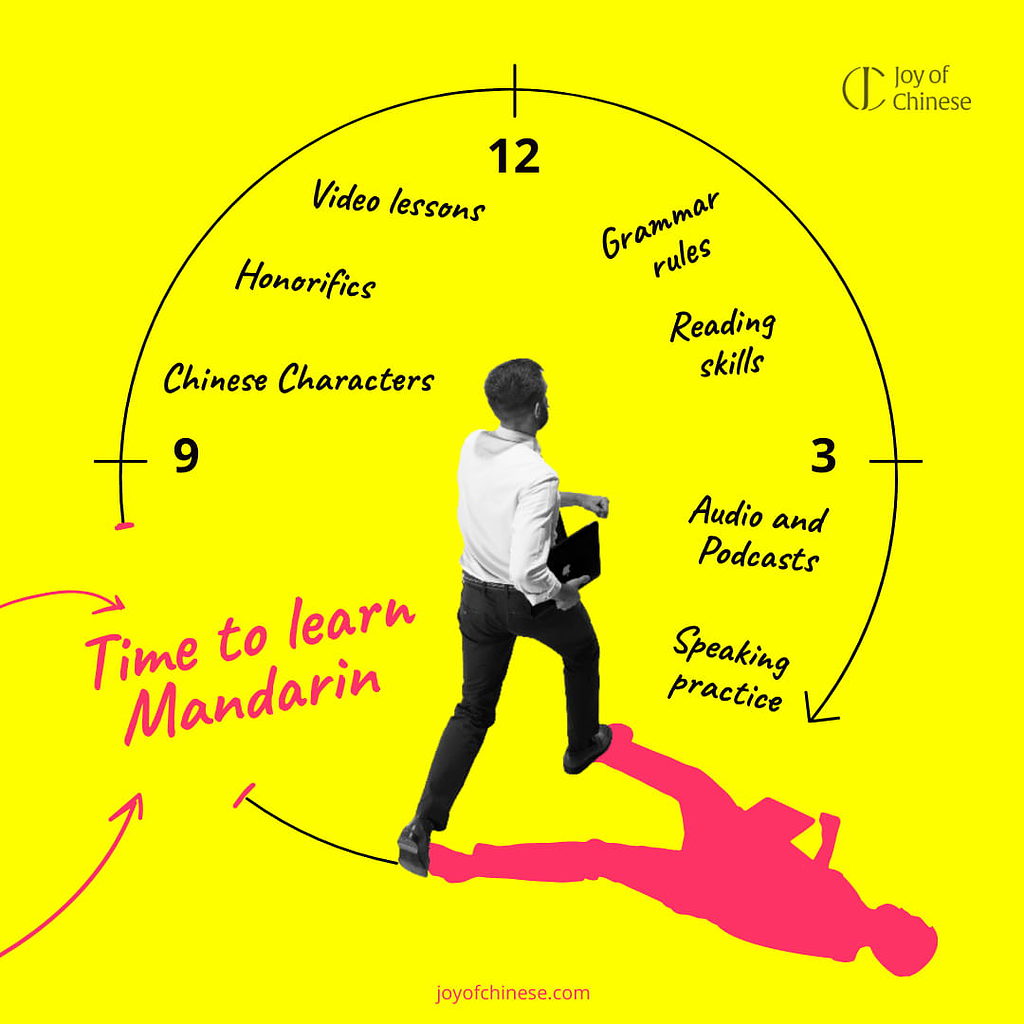
Factors That Influence Learning Chinese
The time it takes to learn Chinese depends on several factors, including:
See AlsoExpressing All Along with 一直 and 一向- Prior language experience: Knowing other tonal languages like Vietnamese or Thai can speed up the process.
- Study intensity: Full-time learners progress faster than those studying casually.
- Learning methods: Immersion programs yield quicker results than self-study alone.
Basic Proficiency: Survival Chinese
Achieving basic proficiency (simple conversations, greetings) typically takes:
- 3-6 months with consistent daily practice.
- Focus on pinyin and essential phrases for quick communication.
- Limited character recognition (around 300-500 characters).
Intermediate Level: Conversational Fluency
Reaching intermediate fluency (discussing everyday topics) generally requires:
- 1-2 years of dedicated study.
- Mastery of 1,000-2,000 characters and common grammar patterns.
- Regular speaking practice with native speakers.
Advanced Proficiency: Business or Academic Chinese
Attaining advanced proficiency (work or academic use) often demands:
- 3-5 years of immersive learning.
- 3,000+ characters and specialized vocabulary.
- Deep cultural understanding for nuanced communication.
Native-Like Mastery: Near-Fluency
Achieving near-native fluency is rare and usually takes:
- 5+ years of intensive study and immersion.
- Complete character literacy (5,000+ characters).
- Idiomatic and cultural mastery to sound natural.
Can you become fluent in Chinese as an adult?

Is It Possible to Achieve Fluency in Chinese as an Adult?
Yes, achieving fluency in Chinese as an adult is entirely possible, though it requires consistent effort, effective strategies, and immersion. While children may have a slight advantage in pronunciation, adults can leverage their cognitive skills, such as pattern recognition and discipline, to master the language.
- Immersion: Surround yourself with Chinese media, conversations, and cultural contexts.
- Structured Learning: Follow a curriculum focusing on grammar, vocabulary, and tones.
- Practice: Engage in daily speaking, writing, and listening exercises.
What Are the Biggest Challenges for Adults Learning Chinese?
Adults face unique challenges when learning Chinese, including tones, characters, and grammar structures. However, these obstacles can be overcome with targeted practice.
- Tones: Mandarin’s four tones require precise pronunciation practice.
- Characters: Memorizing thousands of characters demands systematic study.
- Grammar Differences: Sentence structures differ significantly from English.
How Long Does It Take to Become Fluent in Chinese as an Adult?
The time required depends on study intensity, prior language experience, and learning methods. On average, reaching fluency may take 3–5 years of dedicated study.
- Daily Practice: 1–2 hours daily accelerates progress.
- Immersion Programs: Intensive courses shorten the learning curve.
- Consistency: Regular exposure prevents skill stagnation.
What Are the Best Methods for Learning Chinese as an Adult?
Effective methods combine traditional study with modern tools to enhance retention and practical use.
- Spaced Repetition: Apps like Anki reinforce vocabulary.
- Language Exchange: Partnering with native speakers improves fluency.
- Media Consumption: Watching Chinese shows boosts listening skills.
Can You Achieve Native-Like Pronunciation in Chinese as an Adult?
While native-like pronunciation is challenging, adults can achieve near-native clarity with focused training.
- Tone Drills: Repeating tones with feedback refines accuracy.
- Mimicry: Copying native speakers improves intonation.
- Speech Coaching: Professional guidance corrects subtle errors.
Is it worth learning Chinese as an American?

Career Opportunities for Americans Who Speak Chinese
Learning Chinese can significantly enhance career prospects for Americans, especially in industries like international business, diplomacy, and technology. China's growing global influence makes Mandarin a valuable skill.
- Business: Many U.S. companies collaborate with Chinese firms, and bilingual professionals are in high demand.
- Government: Agencies like the CIA and State Department seek Mandarin speakers for diplomatic and intelligence roles.
- Tech Sector: Silicon Valley firms value employees who can navigate China's booming tech market.
Cultural Understanding and Personal Growth
Mastering Chinese opens doors to rich cultural experiences, from literature to philosophy, and fosters deeper connections with native speakers.
- Literature & History: Access classic works like The Art of War or modern novels untranslated.
- Travel: Communicate effortlessly while exploring China's diverse regions.
- Networking: Build meaningful relationships with Chinese colleagues or friends.
Challenges of Learning Chinese for English Speakers
While rewarding, Mandarin presents unique difficulties, such as tones, characters, and grammar, which require dedication.
- Tonal Language: Mispronouncing tones can change word meanings entirely.
- Writing System: Memorizing thousands of characters is time-consuming.
- Grammar Differences: Sentence structure differs significantly from English.
Economic Advantages of Bilingualism in Chinese
China's economic power makes Mandarin a strategic asset for Americans in global trade, finance, and entrepreneurship.
- Trade Relations: Navigate negotiations or partnerships with Chinese firms more effectively.
- Investment: Understand market trends and opportunities in China's economy.
- Startups: Leverage bilingual skills to tap into China's consumer base.
Educational and Cognitive Benefits
Studying Chinese enhances cognitive abilities, such as memory and problem-solving, and offers academic advantages.
- Brain Health: Learning characters stimulates neural activity.
- Academic Programs: Access scholarships or study-abroad opportunities in China.
- Multitasking: Bilingualism improves executive function and focus.
Frequently Asked Questions (FAQ)
Is it too late to learn Chinese as a retiree?
No, it is never too late to learn Chinese, even as a retiree. While younger learners may absorb languages more quickly, older adults bring valuable life experience, patience, and discipline to the learning process. Studies show that cognitive benefits, such as improved memory and mental agility, make language learning a rewarding activity for retirees. The key is to set realistic goals, practice consistently, and enjoy the journey without pressure.
What are the best methods for retirees to learn Chinese?
Retirees can benefit from structured yet flexible learning methods. Online courses tailored for beginners, language apps like Duolingo or HelloChinese, and one-on-one tutoring provide adaptable pacing. Additionally, immersing yourself in Chinese culture through movies, music, or conversation groups can make learning more engaging. Repetition and patience are crucial, as retirees may need more time to retain new vocabulary and tones.
How long does it take for a retiree to become proficient in Chinese?
The timeline varies based on dedication, practice frequency, and prior language experience. While achieving fluency may take years, retirees can reach basic conversational proficiency within 6–12 months with regular study. Breaking the learning process into manageable milestones—such as mastering greetings, numbers, or common phrases—helps maintain motivation. Consistency matters more than speed, so progress should be measured in small victories.
What are the biggest challenges retirees face when learning Chinese?
Retirees often encounter challenges like memorizing Chinese characters, mastering the four tones, and adapting to a completely different grammar structure. Additionally, hearing and pronunciation difficulties may arise due to age-related hearing changes. However, these obstacles can be overcome with targeted exercises, such as tone drills, flashcards for characters, and speaking practice with native speakers. A positive mindset and willingness to make mistakes are essential for success.
Leave a Reply
Related Posts