
A language learner’s guide to wuxia novels

Wuxia novels, a captivating genre of Chinese martial arts fiction, offer language learners a unique window into Chinese culture, history, and philosophy. These tales of chivalrous heroes, intricate swordplay, and ancient traditions are not only thrilling but also rich in idiomatic expressions and classical references. For students of Chinese, diving into wuxia can enhance vocabulary, improve reading comprehension, and deepen cultural understanding. This guide explores how to approach wuxia novels as a language learner, from selecting beginner-friendly texts to deciphering martial arts terminology. Whether you're drawn by the adventure or the linguistic challenge, wuxia provides an engaging and rewarding way to advance your Chinese proficiency while immersing yourself in a legendary literary world.
A Language Learner’s Guide to Wuxia Novels
Wuxia novels are a captivating genre of Chinese martial arts fiction that blends historical settings, chivalrous heroes, and supernatural martial arts. For language learners, these stories offer an immersive way to improve Chinese vocabulary, cultural understanding, and reading comprehension. Below, we explore key aspects of wuxia novels and how they can aid in language acquisition.
Why Wuxia Novels Are Great for Language Learning
Wuxia novels are rich in descriptive language, dialogue, and cultural references, making them excellent tools for learners. The repetitive use of martial arts terminology and historical phrases helps reinforce vocabulary. Additionally, the engaging plots keep readers motivated.
See AlsoReview: The Phonology of Standard Chinese| Benefit | Explanation |
|---|---|
| Vocabulary Expansion | Exposure to specialized terms like 武功 (wǔgōng - martial arts) and 江湖 (jiānghú - martial world). |
| Cultural Insight | Learn about Confucian values, honor codes, and ancient Chinese society. |
| Reading Fluency | Improves speed and comprehension through engaging narratives. |
Essential Wuxia Vocabulary for Beginners
To fully appreciate wuxia novels, learners should familiarize themselves with key terms. Below are some foundational words and phrases:
| Term | Meaning |
|---|---|
| 侠客 (xiákè) | Chivalrous martial hero |
| 内力 (nèilì) | Inner energy or Qi |
| 轻功 (qīnggōng) | Lightness skill (ability to move swiftly) |
Top Wuxia Novels for Language Learners
Some wuxia novels are more accessible for beginners due to their simpler language and clear storytelling. Recommended titles include:
| Novel | Author |
|---|---|
| The Legend of the Condor Heroes | Jin Yong |
| Demi-Gods and Semi-Devils | Jin Yong |
| Seven Killers | Gu Long |
How to Read Wuxia Novels Effectively
To maximize learning, adopt strategies like annotating unfamiliar words, summarizing chapters, and listening to audiobook versions. Breaking down complex sentences helps with comprehension.
See AlsoHua Mulan: The True Story Behind The Legend| Strategy | Purpose |
|---|---|
| Use a Bilingual Edition | Compare translations to grasp nuances. |
| Focus on Dialogue | Helps learn conversational Chinese. |
Common Challenges and How to Overcome Them
Wuxia novels can be difficult due to archaic language, cultural idioms, and complex fight scenes. Overcoming these requires patience and supplementary resources like glossaries or online forums.
| Challenge | Solution |
|---|---|
| Archaic Terms | Use a specialized dictionary. |
| Fast-Paced Action | Re-read passages for clarity. |
When was wuxia banned?
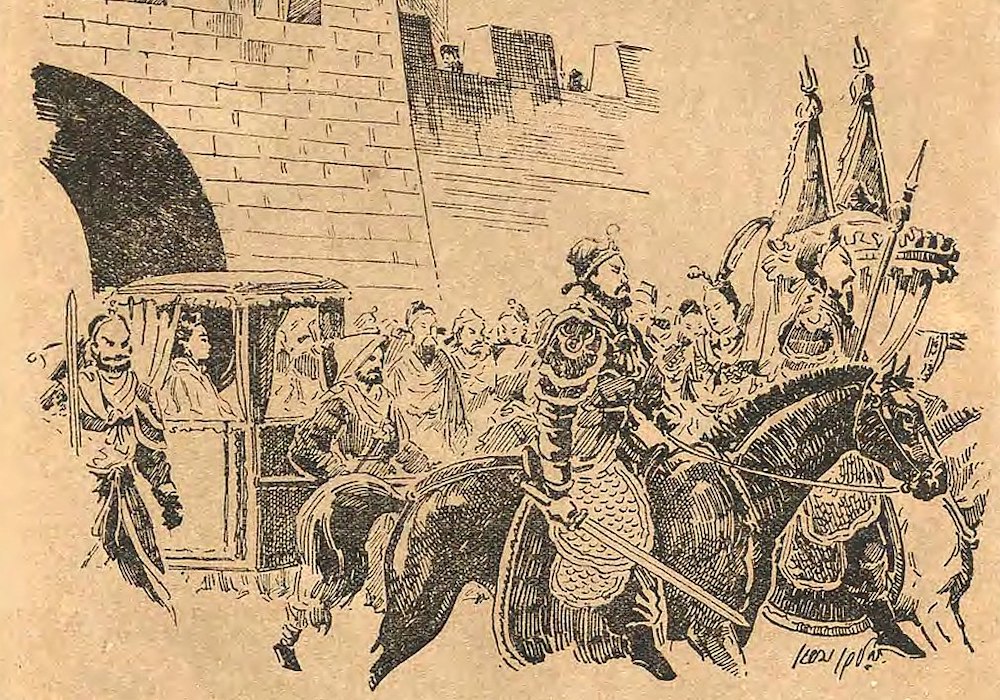
The Ban on Wuxia During the Ming Dynasty
Wuxia literature faced restrictions during the Ming Dynasty (1368–1644), particularly under Emperor Hongwu, who viewed martial heroes as threats to centralized authority. The ban targeted stories glorifying independent warriors or rebellious figures.
See AlsoThree steps to more and better Chinese listening practice- Emperor Hongwu outlawed wuxia tales for promoting individualism over state loyalty.
- Authorities censored works depicting swordsmen (xiake) challenging imperial rule.
- Despite bans, oral traditions kept wuxia themes alive in folk culture.
Wuxia Censorship in the Qing Dynasty
The Qing Dynasty (1644–1912) intensified censorship, associating wuxia with anti-Manchu sentiment. Emperors like Qianlong suppressed novels featuring Han Chinese martial heroes to prevent dissent.
- Qianlong's literary inquisition destroyed subversive wuxia texts.
- Stories like Water Margin were labeled as inciting rebellion.
- Underground networks circulated banned manuscripts secretly.
20th-Century Wuxia Prohibitions in China
After the 1949 Communist Revolution, wuxia was deemed feudal and bourgeois. The government banned it for promoting superstition and violence, though restrictions eased slightly post-1980s.
- Mao Zedong's regime classified wuxia as harmful old culture.
- Publishing houses faced penalties for printing martial arts fiction.
- Hong Kong and Taiwan became hubs for uncensored wuxia production.
Wuxia Bans in Modern Mainland China
While no outright ban exists today, censorship persists. Authorities scrutinize wuxia media for historical inaccuracies or nationalistic deviations, delaying releases or demanding edits.
See AlsoChinese listening strategies: Diversify your listening practice- Adaptations like Jin Yong's novels require approval from state regulators.
- Web platforms remove wuxia content violating socialist core values.
- Films may alter plots to align with government narratives.
Regional Variations in Wuxia Restrictions
Bans varied by region: Hong Kong and Taiwan freely produced wuxia, while Mainland China imposed stricter controls. Overseas Chinese communities preserved uncensored versions.
- Hong Kong's film industry popularized wuxia globally during the 1960s–70s.
- Taiwanese publishers reprinted banned Mainland wuxia novels.
- Diaspora communities translated works into other languages.
What is the difference between wuxia and xianxia?

Core Themes and Focus
The primary difference between wuxia and xianxia lies in their core themes. Wuxia focuses on martial arts, chivalry, and human-level conflicts, often grounded in historical or semi-historical settings. Xianxia, on the other hand, revolves around immortality, cultivation, and supernatural elements, often set in fantastical worlds.
See AlsoHow to Use Technology to Create an Immersive Environment in the Chinese Classroom- Wuxia emphasizes swordsmanship, honor, and personal growth within mortal limits.
- Xianxia explores daoist cultivation, divine powers, and transcending human boundaries.
- While both genres feature martial arts, xianxia incorporates magic, mythical creatures, and cosmic battles.
Setting and Worldbuilding
The settings of wuxia and xianxia differ significantly. Wuxia typically takes place in ancient China, often mirroring real historical periods with added martial arts flair. Xianxia worlds are more fantastical, featuring immortal realms, floating mountains, and celestial beings.
- Wuxia settings are earthly and often tied to human politics and societal structures.
- Xianxia introduces multiple dimensions, such as the mortal world, heavenly realms, and underworlds.
- The worldbuilding in xianxia is more expansive, with supernatural laws governing reality.
Power Systems and Abilities
The power systems in wuxia and xianxia are distinct. Wuxia characters rely on refined martial techniques, inner energy (qi), and physical prowess. Xianxia characters pursue immortality, harnessing spiritual energy and breaking through cultivation stages.
- Wuxia abilities are grounded in realistic martial arts with slight exaggerations.
- Xianxia powers include elemental manipulation, flying, and divine artifacts.
- Cultivation in xianxia involves meditation, pill refining, and absorbing cosmic energy.
Character Archetypes
Character roles in wuxia and xianxia also diverge. Wuxia protagonists are often righteous heroes or wandering swordsmen. Xianxia leads are usually cultivators seeking immortality, sometimes reborn or reincarnated with past-life memories.
- Wuxia heroes uphold justice and often face moral dilemmas.
- Xianxia protagonists may start weak but grow exponentially through cultivation.
- Villains in xianxia are often immortal beings or demonic cultivators.
Cultural and Philosophical Influences
Both genres draw from Chinese culture but emphasize different philosophies. Wuxia is influenced by Confucianism and chivalric codes. Xianxia leans heavily into Daoism, Buddhism, and mystical traditions.
- Wuxia stresses loyalty, filial piety, and personal honor.
- Xianxia explores enlightenment, karma, and the pursuit of eternal life.
- The concept of qi is shared, but its application differs between mortal and divine contexts.
Where can I read wuxia novels for free?

Best Websites to Read Wuxia Novels for Free
Several websites offer free wuxia novels with extensive libraries and translations. Here are some top options:
- WuxiaWorld: A popular platform hosting translated wuxia and xianxia novels with frequent updates.
- NovelUpdates: Aggregates links to fan translations, including many wuxia titles.
- Webnovel (Qidian International): Offers free chapters of licensed wuxia novels, though some require payment for advanced chapters.
Free Wuxia Novel Apps for Mobile Reading
Mobile apps provide convenient access to wuxia stories on the go. Consider these apps:
- Moon+ Reader: Supports EPUB files, allowing you to read downloaded wuxia novels.
- Webnovel App: Features official translations and community-driven content.
- NovelReader: Scrapes various sites to compile free wuxia novels in one place.
Fan Translation Communities for Wuxia Novels
Many fan groups translate wuxia novels for free. Explore these communities:
- r/noveltranslations (Reddit): A hub for finding fan-translated wuxia works.
- Volare Novels: Hosts high-quality translations of classic and new wuxia novels.
- Gravity Tales: Previously a major site, now archived but still accessible for older translations.
Classic Wuxia Novels Available for Free
Some classic wuxia novels are in the public domain or freely shared. Notable examples:
- Jin Yong's works: Partial translations of The Legend of the Condor Heroes can be found online.
- Gu Long's novels: Titles like The Eleventh Son are available on fan sites.
- Liang Yusheng's stories: Older translations may still be accessible via forums.
Tips for Finding High-Quality Free Wuxia Translations
To avoid low-quality translations, follow these tips:
- Check reviews: Sites like NovelUpdates include reader feedback on translation quality.
- Follow official channels: Some authors or publishers release free previews.
- Join forums: Communities like WuxiaSociety discuss reliable sources.
What language is the wuxia?
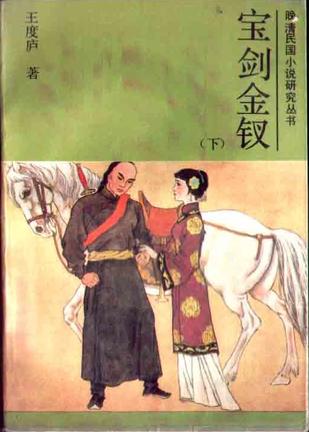
The Origin and Language of Wuxia
Wuxia is a genre deeply rooted in Chinese literature and culture, originally written in Classical and Modern Chinese. The term itself combines wu (martial) and xia (chivalry), reflecting its focus on martial heroes and their moral codes. Key aspects include:
- Classical Chinese: Early wuxia works, like those from the Tang and Ming dynasties, were composed in this formal, literary language.
- Modern Chinese: Contemporary wuxia novels, such as those by Jin Yong or Gu Long, use vernacular Mandarin.
- Dialects: Some regional adaptations incorporate dialects like Cantonese in oral storytelling or performances.
Wuxia in Translated Works
While wuxia originates in Chinese, it has been translated into numerous languages, including English, to reach global audiences. Notable points:
- English translations: Popular novels like The Legend of the Condor Heroes have been adapted, though nuances may be lost.
- Subtitles/dubbing: Wuxia films and TV series often feature multilingual subtitles or voice-overs.
- Cultural context: Translators face challenges preserving martial arts terminology and historical references.
Wuxia’s Influence on Other Languages
The genre has inspired non-Chinese creators, blending wuxia elements with local languages. Examples include:
- Korean adaptations: Films like The Swordsman incorporate wuxia themes with Korean dialogue.
- Japanese chanbara: While distinct, some works share wuxia’s emphasis on honor and swordplay.
- Western media: Movies like Crouching Tiger, Hidden Dragon popularized Mandarin wuxia dialogue globally.
Key Linguistic Features of Wuxia
Wuxia narratives are rich in specialized vocabulary and stylistic traits, such as:
- Martial arts terms: Techniques like Qinggong (lightness skill) are often untranslated.
- Poetic descriptions: Fight scenes use flowing, metaphorical language.
- Honorifics: Titles like Xia (hero) or Jianghu (martial world) carry cultural weight.
Wuxia in Multimedia: Language Variations
Beyond literature, wuxia appears in films, games, and comics, each with unique language adaptations:
- Films/TV: Mandarin remains dominant, but international releases add subtitles or dubbing.
- Video games: Titles like Jade Empire blend wuxia themes with English voice acting.
- Manhua/comics: Some are published bilingually to cater to diverse readers.
Frequently Asked Questions (FAQ)
What are wuxia novels and why are they popular among language learners?
Wuxia novels are a genre of Chinese martial arts fiction that blend historical settings, chivalry, and supernatural elements. They often follow the adventures of martial artists who uphold justice in ancient China. These novels are popular among language learners because they offer an engaging way to immerse in Chinese culture and vocabulary. The rich narratives and repetitive use of key phrases help learners grasp context and improve their reading comprehension.
How can reading wuxia novels improve my Chinese language skills?
Reading wuxia novels exposes learners to authentic language use, including idioms, classical Chinese, and colloquial expressions. The stories' descriptive nature helps with understanding contextual meanings, while the dialogues improve familiarity with spoken Chinese. Additionally, the cultural references in these novels deepen learners' appreciation of Chinese history and traditions, making the language more relatable and memorable.
What are some recommended wuxia novels for beginners in Chinese?
For beginners, shorter and simpler wuxia novels like The Legend of the Condor Heroes by Jin Yong (in simplified versions) or Demi-Gods and Semi-Devils (abridged editions) are excellent choices. These books balance accessible language with captivating plots. Graded readers or bilingual editions can also help bridge the gap for learners. As proficiency grows, transitioning to original texts by authors like Gu Long or Liang Yusheng becomes more manageable.
Are there any challenges when reading wuxia novels as a non-native speaker?
Yes, non-native speakers may face challenges such as archaic vocabulary, cultural nuances, and complex sentence structures unique to wuxia literature. The genre often uses specialized martial arts terminology and historical context that may require additional research. However, using annotated editions, dictionaries, or online resources can mitigate these difficulties and turn the reading experience into a rewarding learning journey.
Leave a Reply
Related Posts