
Accessing Chinese culture through cartoons

Chinese culture, with its rich history and vibrant traditions, has found a unique and engaging medium of expression through cartoons. Animated series and films from China, such as Nezha and The Legend of Hei, offer audiences worldwide a captivating gateway into its myths, values, and societal norms. These cartoons blend ancient folklore with modern storytelling, making cultural elements like calligraphy, martial arts, and festivals accessible to younger generations. By exploring themes of family, honor, and harmony, they provide both entertainment and education. For global viewers, Chinese cartoons serve as an immersive tool to understand the country’s heritage, fostering cross-cultural appreciation in an increasingly interconnected world.
Exploring Chinese Culture Through the Lens of Cartoons
1. The Role of Traditional Chinese Values in Cartoons
Cartoons often serve as a medium to showcase traditional Chinese values such as filial piety, respect for elders, and harmony. Series like Nezha and Journey to the West incorporate these themes, making them accessible to younger audiences. By watching these shows, viewers gain insight into the moral frameworks that shape Chinese society.
| Cartoon | Core Value |
|---|---|
| Nezha | Bravery & Sacrifice |
| Journey to the West | Perseverance & Loyalty |
2. Depiction of Chinese Festivals in Animated Shows
Chinese cartoons frequently highlight festivals like the Lunar New Year, Mid-Autumn Festival, and Dragon Boat Festival. For example, Big Fish & Begonia visually represents the Mid-Autumn Festival with mooncakes and lanterns. These portrayals help international audiences understand the cultural significance behind these celebrations.
See AlsoChinese TV Shows || 14 Great Shows for Practicing Chinese| Festival | Cartoon Example |
|---|---|
| Lunar New Year | Pleasant Goat and Big Big Wolf |
| Mid-Autumn Festival | Big Fish & Begonia |
3. Chinese Mythology and Folklore in Animation
Many cartoons draw from Chinese mythology, introducing characters like the Monkey King or the Dragon Kings. Shows such as White Snake and Legend of Hei adapt these stories, preserving their essence while making them engaging for modern viewers.
| Mythological Figure | Cartoon Adaptation |
|---|---|
| Monkey King | Havoc in Heaven |
| Dragon Kings | The Legend of Nezha |
4. Language and Proverbs in Chinese Cartoons
Chinese cartoons often incorporate proverbs and idiomatic expressions, teaching language nuances. For instance, Boonie Bears uses simple sayings to convey lessons. This exposure helps non-native speakers grasp the richness of the Chinese language.
| Proverb | Meaning |
|---|---|
| A journey of a thousand miles begins with a single step. | Emphasizes perseverance |
| When the tree falls, the monkeys scatter. | Highlights disloyalty |
5. Modern Chinese Society Reflected in Cartoons
Contemporary cartoons like Scissor Seven reflect modern Chinese society, blending urban life with humor and action. These shows offer a glimpse into China's rapid development while retaining cultural roots, making them relatable to younger generations.
See AlsoZizzle App | A Neat Way to Learn Chinese Characters| Cartoon | Modern Theme |
|---|---|
| Scissor Seven | Urbanization & Identity |
| Ling Long: Incarnation | Technology & Tradition |
What children's show teaches Chinese?

What Are the Best Children's Shows for Learning Chinese?
Several children's shows are designed to teach Mandarin Chinese in an engaging way. Here are some top choices:
- Ni Hao, Kai-Lan – A Nickelodeon show blending storytelling with basic Mandarin phrases and cultural lessons.
- Baby Einstein: Baby’s First Moves in Mandarin – Introduces simple words and concepts through music and visuals.
- Little Fox Chinese – Animated stories and songs tailored for young learners.
How Do These Shows Make Learning Chinese Fun?
These programs use interactive methods to keep children engaged while teaching Chinese:
See AlsoHow to not fail with your New Year resolution to learn Chinese- Colorful animations and catchy songs help reinforce vocabulary.
- Repetition of key phrases ensures retention.
- Cultural elements like festivals and traditions are woven into episodes.
What Age Group Are These Shows Suitable For?
Most Chinese-learning shows target specific age ranges:
- Toddlers (1-3) – Shows like Baby Einstein focus on simple words and sounds.
- Preschoolers (3-5) – Ni Hao, Kai-Lan introduces basic conversations.
- Early elementary (6-8) – Programs like Little Fox Chinese offer structured lessons.
Are There Bilingual or Subtitled Options Available?
Many shows offer bilingual or subtitled formats to aid comprehension:
- Dual-language episodes (e.g., English and Mandarin) are common.
- Pinyin subtitles help with pronunciation.
- Closed captions allow parents to follow along.
Where Can You Watch These Chinese-Learning Shows?
These programs are accessible on multiple platforms:
- Streaming services like Netflix, Amazon Prime, and YouTube.
- Educational websites such as Little Fox’s official platform.
- DVDs or apps for offline learning.
What is China's most popular cartoon?
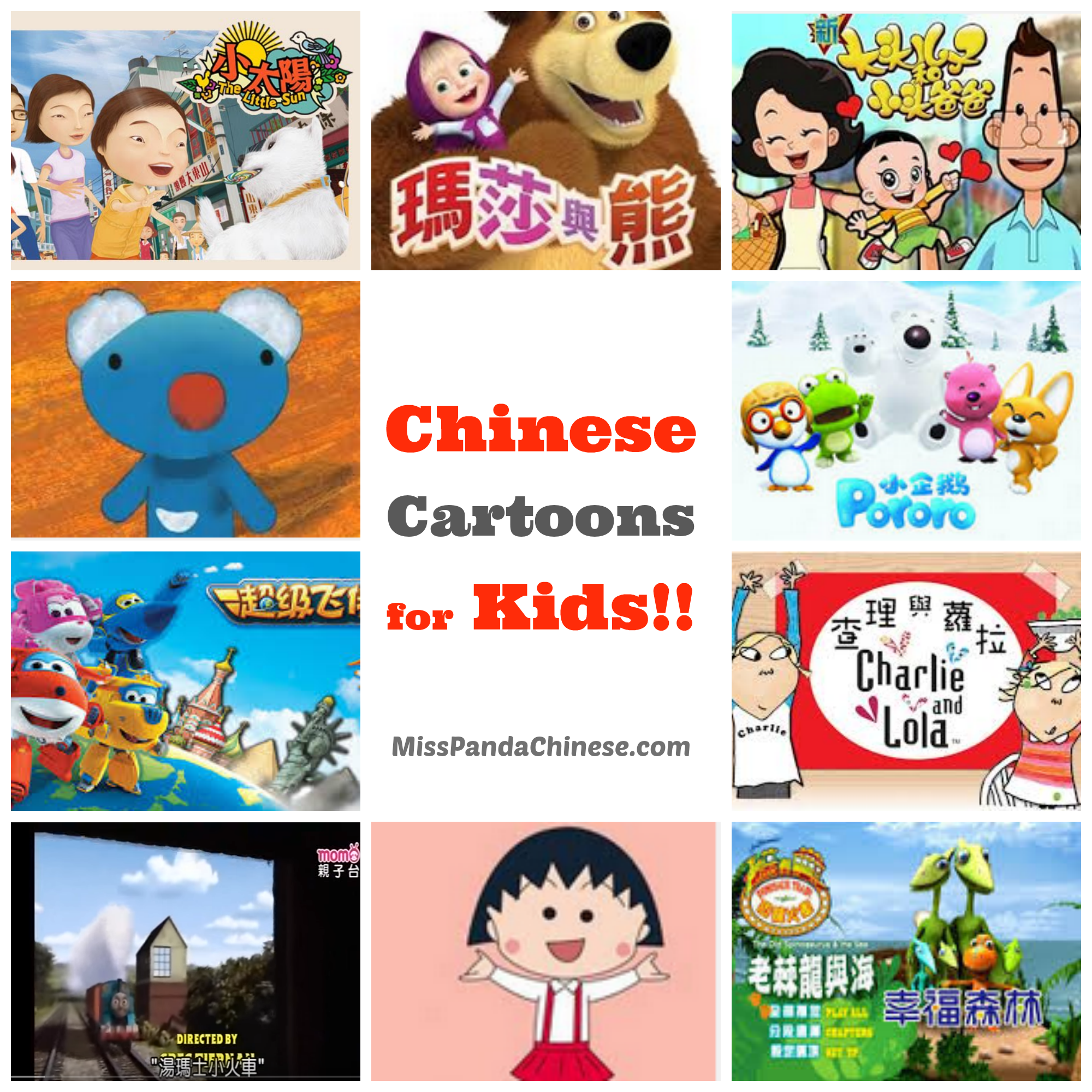
What is the Most Popular Cartoon in China?
The most popular cartoon in China is Pleasant Goat and Big Big Wolf (喜羊羊与灰太狼). This animated series, created by Huang Weiming, debuted in 2005 and quickly became a cultural phenomenon. It follows the adventures of a group of goats and their constant battles with the cunning wolf, Big Big Wolf. The show’s success stems from its:
- Humor: Lighthearted and family-friendly comedy.
- Relatable Characters: Each goat has a distinct personality.
- Educational Themes: Teaches teamwork and problem-solving.
Why is Pleasant Goat and Big Big Wolf So Popular in China?
The series' popularity is driven by its universal appeal and cultural relevance. Key factors include:
- Broad Audience: Appeals to both children and adults.
- Merchandising: Toys, clothing, and theme parks expand its reach.
- Longevity: Over 2,500 episodes and multiple spin-offs.
What Are the Main Characters in Pleasant Goat and Big Big Wolf?
The show features a memorable cast, including:
- Pleasant Goat: The intelligent and kind leader.
- Big Big Wolf: The persistent but often outsmarted antagonist.
- Lazy Goat: Comic relief with a love for naps.
How Has Pleasant Goat Influenced Chinese Animation?
This series has revolutionized China’s animation industry by:
- Boosting Domestic Production: Reduced reliance on foreign cartoons.
- Inspiring New Creators: Paved the way for more local content.
- Global Recognition: Exported to over 100 countries.
Are There Any Spin-offs or Movies of Pleasant Goat and Big Big Wolf?
Yes, the franchise includes:
- Movies: Over 10 theatrical releases since 2009.
- Spin-offs: Such as The Adventures of Viggy and Mighty Little Defenders.
- Video Games: Expanding its multimedia presence.
What are Chinese cartoons called?
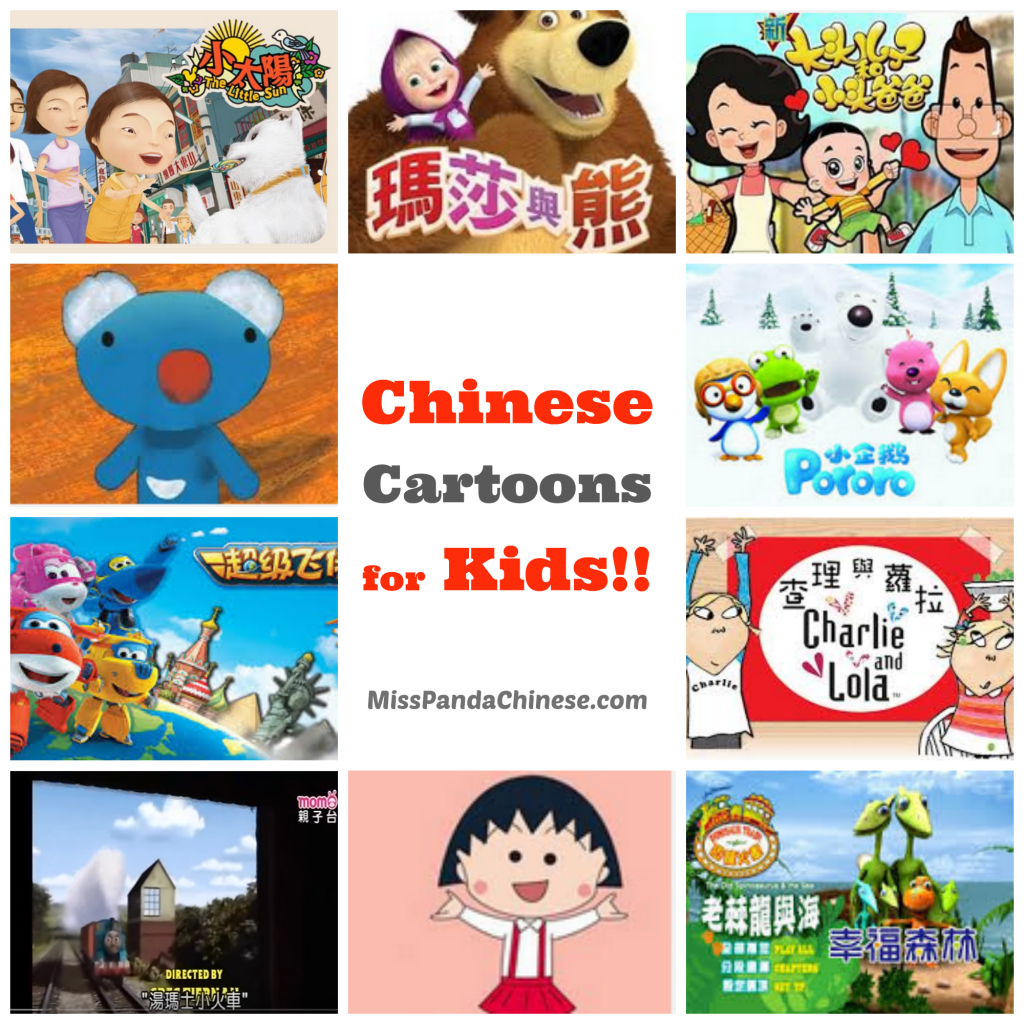
What Are Chinese Cartoons Called?
Chinese cartoons are commonly referred to as Donghua (动画). The term originates from the Chinese words for moving images and encompasses all forms of animation produced in China, including TV series, films, and web-based animations.
- Donghua is the official term for Chinese animation, similar to anime in Japan.
- Unlike Western cartoons, Donghua often incorporates Chinese cultural themes, mythology, and history.
- The industry has grown significantly, with popular titles like Nezha and White Snake gaining international recognition.
How Does Donghua Differ from Anime?
While both Donghua and anime are forms of animation, they have distinct cultural and stylistic differences.
- Art Style: Donghua often blends traditional Chinese painting techniques with modern animation.
- Themes: Anime frequently explores Japanese societal issues, while Donghua emphasizes Chinese legends and values.
- Production: Many Donghua are produced with government support to promote Chinese culture globally.
Popular Donghua Series and Films
Several Donghua titles have gained popularity both in China and internationally.
- The Legend of Hei – A fantasy adventure with stunning visuals.
- Scissor Seven – A comedic yet action-packed series.
- Big Fish & Begonia – A visually poetic film inspired by Chinese mythology.
The Growth of the Donghua Industry
The Donghua industry has expanded rapidly due to technological advancements and increased investment.
- Streaming Platforms: Sites like Bilibili and Tencent Video host thousands of Donghua episodes.
- Global Reach: Subtitled versions are now available on platforms like Netflix and Crunchyroll.
- Government Support: Policies encourage animation studios to create content that reflects Chinese heritage.
Cultural Significance of Donghua
Donghua plays a crucial role in preserving and promoting Chinese culture.
- Mythology: Many stories are based on ancient texts like Journey to the West.
- Language: Helps younger generations connect with traditional Chinese dialects and idioms.
- Global Influence: Introduces international audiences to Chinese customs and philosophies.
Where can I watch cartoons in Chinese?

Best Streaming Platforms for Chinese Cartoons
If you want to watch cartoons in Chinese, several streaming platforms offer a wide selection. Here are the top options:
- iQiyi: A popular Chinese platform with a dedicated kids' section featuring dubbed and original animations.
- Tencent Video: Offers a variety of Chinese cartoons, including classic and modern series.
- Youku: Another major platform with a vast library of animated content in Mandarin.
Free Websites to Watch Chinese Cartoons
For those looking for free options, these websites provide Chinese cartoons without a subscription:
- Bilibili: A user-generated content site with many free Chinese animations and dubbed cartoons.
- YouTube: Search for channels like Little Fox Chinese or BabyBus for educational cartoons.
- PBS Kids (Mandarin Section): Offers select shows dubbed in Mandarin for language learners.
Chinese Cartoons on Netflix and Other Global Platforms
Global streaming services also host Chinese cartoons in their libraries:
- Netflix: Search for titles like Legend of Hei or Scissor Seven available in Mandarin.
- Amazon Prime Video: Features select Chinese animations, often with subtitles or dubbing.
- Disney+: Some Disney classics are available in Mandarin, especially in regional versions.
Educational Platforms for Learning Chinese Through Cartoons
If your goal is learning Chinese, these platforms combine entertainment and education:
- ChineseAnimated: Focuses on simple, language-learning-friendly animations.
- Peppa Pig Mandarin Edition: Available on platforms like iQiyi for beginner learners.
- HelloChinese App: Integrates cartoon clips to teach vocabulary and phrases.
Offline Options: DVDs and Local TV Channels
For offline viewing, consider these alternatives:
- Chinese DVD Stores: Look for physical copies of popular cartoons in Chinatowns or online shops.
- CCTV Children’s Channel: A Chinese state TV channel broadcasting cartoons in Mandarin.
- Local Libraries: Some libraries carry Chinese-language animated films for borrowing.
Frequently Asked Questions (FAQ)
What are the best Chinese cartoons to understand Chinese culture?
Chinese cartoons, also known as donghua, offer a rich window into the country's traditions, values, and history. Some of the best titles include Nezha Conquers the Dragon King, which reflects Chinese mythology, and The Legend of Hei, showcasing Taoist philosophy. For modern cultural insights, Scissor Seven blends humor with martial arts, while White Snake explores classic folktales with stunning animation. These series and films highlight Confucian ideals, family bonds, and spiritual beliefs, making them excellent for cultural immersion.
How do Chinese cartoons differ from Western animations in portraying culture?
Unlike Western animations, which often focus on individualism or fantasy, Chinese cartoons emphasize collectivism, historical reverence, and moral lessons. For example, stories frequently revolve around filial piety or loyalty to the community, as seen in Lotus Lantern. Visual styles also differ, with ink-wash aesthetics or opera-inspired designs paying homage to traditional art forms. Additionally, Chinese animations often adapt classic literature like Journey to the West, whereas Western works tend to prioritize original storytelling.
Can watching Chinese cartoons help in learning the Chinese language?
Absolutely! Chinese cartoons are a fun and engaging tool for language learning, especially for beginners. The dialogue is usually simpler than in live-action shows, and the visuals provide context clues. Titles like Pleasant Goat and Big Big Wolf use repetitive phrases, aiding vocabulary retention. For advanced learners, historical donghua like Qin's Moon introduce classical Chinese terms. Pairing cartoons with subtitles or language apps can enhance comprehension and pronunciation skills over time.
What cultural themes are commonly explored in Chinese cartoons?
Chinese cartoons frequently delve into themes like harmony with nature (e.g., Big Fish & Begonia), heroism rooted in humility (e.g., Monkey King: Hero Is Back), and the balance of yin and yang. Many stories also address social responsibility, such as protecting one's homeland or family. Festivals like the Lunar New Year or Mid-Autumn Festival often appear, reinforcing cultural practices. These themes not only entertain but also instill traditional values in younger audiences, preserving China's heritage through animation.
Leave a Reply
Related Posts