
What important words are missing from HSK?

The HSK (Hanyu Shuiping Kaoshi) is a standardized test designed to assess Chinese language proficiency for non-native speakers. While it covers a broad range of vocabulary, many learners argue that key words essential for daily communication or cultural understanding are missing. This article explores the gaps in the HSK word lists, highlighting terms frequently used in real-life conversations, regional dialects, or modern slang that aren’t included. By identifying these omissions, we aim to help learners expand their vocabulary beyond the test’s framework, ensuring a more nuanced and practical grasp of Mandarin. Whether for travel, work, or deeper cultural immersion, these missing words matter.
What Important Words Are Missing from the HSK Vocabulary?
The HSK (Hanyu Shuiping Kaoshi) is China's standardized test for non-native speakers to assess their proficiency in Mandarin Chinese. While the HSK vocabulary lists cover a broad range of words, many essential and commonly used terms are surprisingly absent. These omissions can create gaps in communication for learners, especially in daily conversations, professional settings, or cultural contexts. Below, we explore some of the most significant missing words and why they matter.
1. Common Slang and Colloquial Expressions
The HSK vocabulary often overlooks slang and informal expressions that native speakers frequently use. Words like 靠谱 (kàopǔ – reliable) or 给力 (gěilì – awesome/supportive) are common in daily speech but are not included in the HSK lists. This can make it difficult for learners to understand casual conversations or modern media content.
See AlsoGuanxi in China: A Little Understood Concept in the West| Missing Word | Pinyin | Meaning |
|---|---|---|
| 靠谱 | kàopǔ | Reliable |
| 给力 | gěilì | Awesome/Supportive |
| 土豪 | tǔháo | Newly rich/Extravagant |
2. Essential Business and Professional Terms
Many business-related words are missing from the HSK, despite their importance in work environments. Terms like 截止日期 (jiézhǐ rìqī – deadline) or 客户服务 (kèhù fúwù – customer service) are crucial for professionals but are often absent from official lists.
| Missing Word | Pinyin | Meaning |
|---|---|---|
| 截止日期 | jiézhǐ rìqī | Deadline |
| 客户服务 | kèhù fúwù | Customer Service |
| 合同 | hétong | Contract |
3. Modern Technology and Internet Vocabulary
With the rapid growth of digital communication, many tech-related words are missing from the HSK. Terms like Wi-Fi (无线网络 wúxiàn wǎngluò) or 截图 (jiétú – screenshot) are essential in today's world but are not always included.
| Missing Word | Pinyin | Meaning |
|---|---|---|
| 无线网络 | wúxiàn wǎngluò | Wi-Fi |
| 截图 | jiétú | Screenshot |
| 软件更新 | ruǎnjiàn gēngxīn | Software Update |
4. Regional Dialects and Cultural Terms
The HSK focuses mainly on Standard Mandarin, leaving out regional dialect words and cultural-specific terms. For example, 喝茶 (hē chá – drink tea) is common, but regional tea names or customs may not be included.
See AlsoAdd Oil! “Jia You” Makes it Into the Oxford English Dictionary| Missing Word | Pinyin | Meaning |
|---|---|---|
| 功夫茶 | gōngfū chá | Kung Fu Tea (ceremony) |
| 早茶 | zǎochá | Morning Tea (Cantonese custom) |
5. Emotional and Expressive Vocabulary
Many emotional and nuanced words are missing, making it hard for learners to express feelings accurately. Words like 委屈 (wěiqu – feel wronged) or 尴尬 (gāngà – awkward) are important but often excluded.
| Missing Word | Pinyin | Meaning |
|---|---|---|
| 委屈 | wěiqu | Feel Wronged |
| 尴尬 | gāngà | Awkward |
What HSK level is Duolingo?
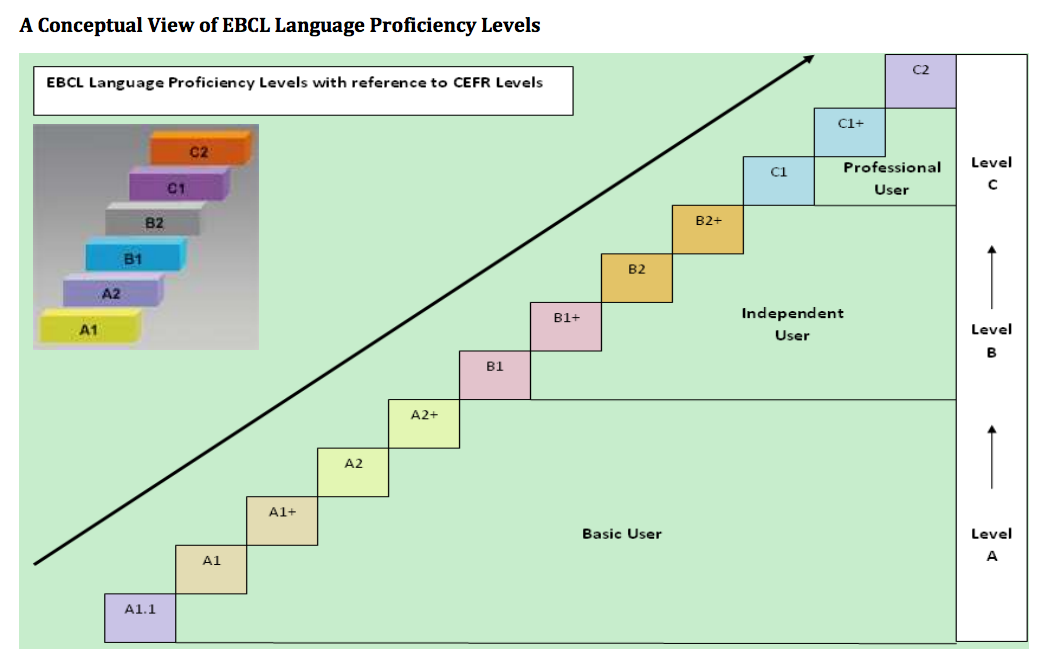
What HSK Level Does Duolingo Chinese Cover?
Duolingo's Chinese course is designed to introduce learners to basic vocabulary, grammar, and sentence structures. While it doesn’t explicitly follow the HSK (Hanyu Shuiping Kaoshi) framework, its content roughly aligns with:
See AlsoChina VPN Guide (for 2025) - Big Names Aren’t Working- HSK 1: Covers foundational words like greetings, numbers, and simple phrases.
- HSK 2: Introduces slightly more complex sentences and everyday vocabulary.
- Partial HSK 3: Touches on intermediate topics but lacks depth for full proficiency.
How Does Duolingo Compare to HSK Standards?
Duolingo’s approach is more casual and gamified compared to HSK’s structured levels. Key differences include:
- Vocabulary Scope: Duolingo teaches ~1,000 words, while HSK 3 alone requires 600+.
- Grammar Focus: HSK emphasizes formal patterns; Duolingo prioritizes conversational usage.
- Testing: HSK includes writing and listening; Duolingo relies on app-based exercises.
Can Duolingo Alone Prepare You for HSK Exams?
While Duolingo is a helpful supplementary tool, it’s insufficient for HSK success due to:
- Limited Content: Doesn’t cover all HSK 3+ vocabulary or characters.
- No Exam Practice: Lacks mock tests or writing components.
- Cultural Context: HSK includes China-specific references; Duolingo is more generic.
What Are Duolingo’s Strengths for HSK Learners?
Duolingo aids beginners by offering:
See AlsoDaoism: The Complete Guide- Daily Practice: Reinforces retention through repetition.
- Audio Support: Improves pronunciation with native speaker clips.
- Accessibility: Free and user-friendly for casual study.
What Are the Limitations of Duolingo for HSK?
Critical gaps include:
- No Advanced Material: Stops short of HSK 4+ content.
- Simplified Writing: Neglects handwriting practice for characters.
- Lack of Feedback: No personalized corrections for complex errors.
How many words are needed for HSK vocabulary?
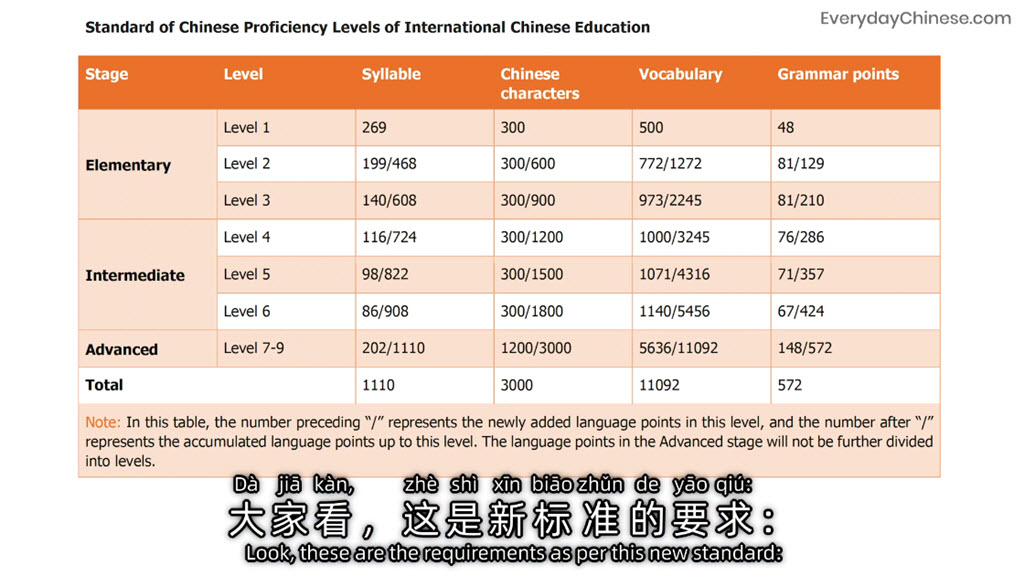
HSK Vocabulary Levels and Word Count Requirements
The HSK (Hanyu Shuiping Kaoshi) exam is divided into six levels, each requiring a specific number of vocabulary words. Here’s a breakdown:
- HSK 1: 150 words (basic phrases and expressions)
- HSK 2: 300 words (simple daily communication)
- HSK 3: 600 words (basic conversational skills)
- HSK 4: 1,200 words (discussing broader topics)
- HSK 5: 2,500 words (reading and writing fluently)
- HSK 6: 5,000+ words (advanced proficiency)
Why HSK Vocabulary Size Matters
Mastering the required vocabulary size for each HSK level ensures effective communication and comprehension. Key reasons include:
- Exam success: Vocabulary is the foundation for listening, reading, and writing sections.
- Real-life usage: Higher word counts enable complex conversations and professional interactions.
- Confidence: A broader vocabulary reduces reliance on dictionaries or translations.
How to Efficiently Learn HSK Vocabulary
Expanding your HSK word bank requires strategic methods:
- Flashcards: Use apps like Anki or Pleco for spaced repetition.
- Contextual learning: Study words in sentences or dialogues.
- Practice tests: Reinforce retention through mock HSK exams.
Common Challenges in Memorizing HSK Words
Learners often face hurdles when tackling HSK vocabulary lists:
- Tones and characters: Mandarin’s tonal system and logographic writing add complexity.
- Retention: Forgetting words without consistent review.
- Homophones: Different meanings for similarly pronounced words (e.g., 是 vs. 十).
Resources to Build HSK Vocabulary
Utilize these tools to master HSK-level words effectively:
- Official textbooks: HSK Standard Course books align with exam requirements.
- Online platforms: Websites like ChineseSkill or Duolingo offer structured lessons.
- Language partners: Practice with native speakers to reinforce usage.
What is the hardest HSK level?
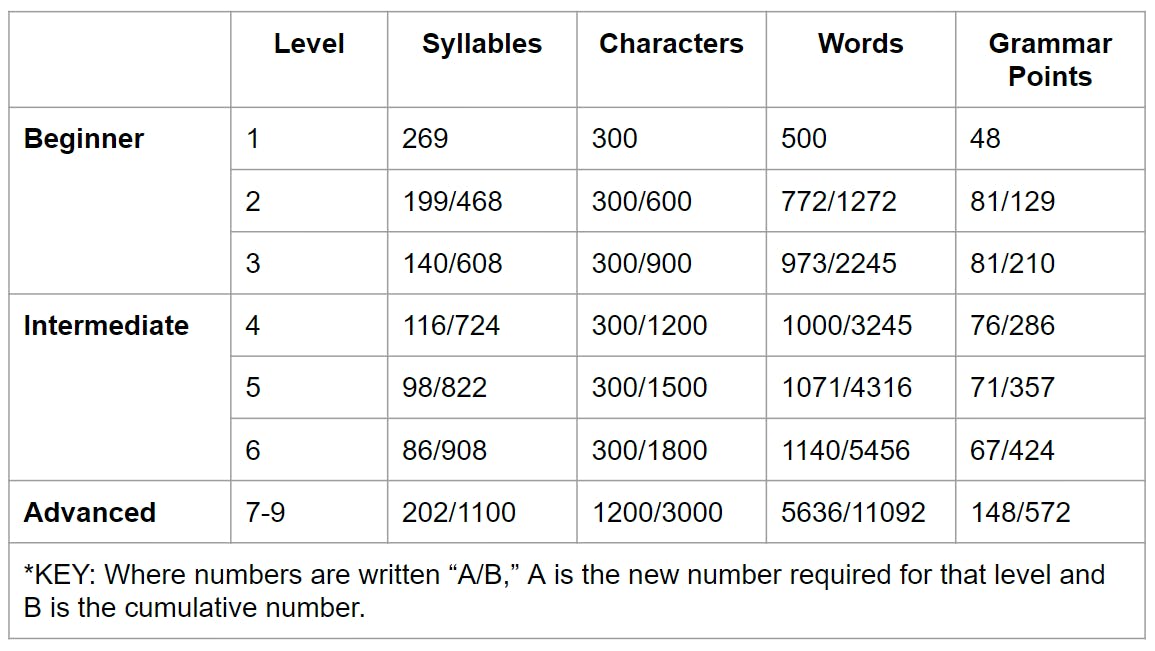
What Makes HSK 6 the Hardest Level?
The HSK 6 is widely considered the most challenging due to its extensive vocabulary, complex grammar, and advanced reading comprehension requirements. Here’s why:
- Vocabulary: Requires mastery of 5,000+ words, including idioms and specialized terms.
- Reading: Involves lengthy passages with nuanced meanings and literary styles.
- Listening: Features fast-paced dialogues and academic or formal content.
How Does HSK 6 Compare to Lower HSK Levels?
The jump from HSK 5 to HSK 6 is significant, as lower levels focus on everyday communication, while HSK 6 demands near-fluency:
- HSK 1-4 covers basic to intermediate skills for daily life.
- HSK 5 introduces abstract topics but remains manageable.
- HSK 6 requires analyzing sophisticated texts and expressing complex ideas.
What Are the Biggest Challenges in HSK 6?
Test-takers often struggle with these key difficulties in HSK 6:
- Time pressure: Long reading sections demand quick comprehension.
- Writing: Summarizing texts coherently under strict word limits.
- Listening accuracy: Distinguishing subtle tones and meanings.
Is HSK 6 Necessary for Fluency in Chinese?
While HSK 6 certifies advanced proficiency, fluency depends on practical use:
- Academic/work settings: HSK 6 is often required for universities or professional roles.
- Daily communication: Lower levels may suffice for casual conversations.
- Cultural nuance: True fluency goes beyond test content.
How to Prepare Effectively for HSK 6?
Success requires a structured approach:
- Expand vocabulary: Use flashcards and context-based learning.
- Practice tests: Simulate exam conditions regularly.
- Immersion: Engage with native materials like news or literature.
Frequently Asked Questions (FAQ)
What are some common everyday words missing from the HSK vocabulary lists?
The HSK vocabulary lists focus heavily on academic and formal language, often omitting everyday words that native speakers use frequently. For example, words like nap (打盹 dǎdǔn), leftovers (剩饭 shèngfàn), or to gossip (八卦 bāguà) are rarely included, despite being essential in daily conversations. These omissions can make it difficult for learners to sound natural in informal settings, even if they have a high HSK level.
Why does the HSK exclude certain culturally significant Chinese words?
The HSK exam prioritizes universal Mandarin over region-specific or culturally nuanced terms. Words like dim sum (点心 diǎnxin) or feng shui (风水 fēngshuǐ), which hold deep cultural meaning, are often left out because they aren't considered standard vocabulary. This can create a gap for learners who want to engage with Chinese culture beyond textbooks, as these terms are vital in real-life interactions and media.
Are there any essential business terms missing from the HSK curriculum?
Yes, many business-related words crucial for professional settings are absent from the HSK lists. Terms like startup (初创公司 chūchuàng gōngsī), networking (社交 shèjiāo), or deadline (截止日期 jiézhǐ rìqī) are rarely covered, even in advanced levels. This oversight can hinder learners who need Mandarin for work environments, forcing them to supplement their studies with industry-specific resources.
How do HSK vocabulary gaps affect learners' fluency in spoken Chinese?
Since the HSK vocabulary leans toward written and formal language, learners often struggle with colloquial expressions and slang. Phrases like no way! (不会吧 bù huì ba) or chill out (放松 fàngsōng) are rarely taught, making conversations sound stiff or unnatural. Without exposure to these missing words, learners may find it hard to understand native speakers or participate in casual discussions smoothly.
Leave a Reply
Related Posts