
Time quality: Studying the right thing at the right time

In today’s fast-paced world, effective learning isn’t just about what you study—it’s also about when you study. The concept of time quality emphasizes aligning your study sessions with your natural energy peaks and cognitive rhythms to maximize retention and productivity. By understanding your personal productivity cycles, you can choose the right moments to tackle complex subjects or review familiar material. This approach not only enhances efficiency but also reduces mental fatigue. Whether you’re a student or a lifelong learner, mastering the art of studying the right thing at the right time can transform your educational journey into a more rewarding and sustainable experience.
Time Quality: Maximizing Learning by Studying the Right Thing at the Right Time
Detailed Explanation:
Studying effectively isn't just about putting in hours—it's about aligning your focus with the optimal time for retention and comprehension. Time quality refers to the strategic selection of study material based on your mental state, energy levels, and cognitive peaks. By identifying when you're most alert and matching it with the complexity of the subject, you enhance memory retention and understanding. For example, tackling difficult concepts during peak focus times (morning for many) and reviewing familiar material during lower-energy periods (evenings) can significantly boost productivity.
The Science Behind Peak Cognitive Performance
Detailed Explanation:
Research shows that cognitive abilities fluctuate throughout the day due to circadian rhythms. Most people experience peak alertness in the late morning, making it ideal for problem-solving or learning new material. Conversely, creativity often spikes in the afternoon. Aligning study tasks with these natural rhythms ensures higher efficiency.
| Time of Day | Recommended Study Activity |
|---|---|
| Morning (8 AM - 12 PM) | Complex subjects (e.g., math, coding) |
| Afternoon (1 PM - 4 PM) | Creative tasks (e.g., writing, brainstorming) |
| Evening (6 PM - 9 PM) | Review & repetition (e.g., flashcards, summaries) |
Prioritizing High-Value Study Material
Detailed Explanation:
Not all study content holds equal importance. Focus on high-yield topics—those frequently tested or foundational to advanced concepts. Use techniques like the 80/20 rule (Pareto Principle) to identify the 20% of material that delivers 80% of results.
| Priority Level | Study Material Example |
|---|---|
| High | Core theories, recurring exam topics |
| Medium | Supporting examples, case studies |
| Low | Rare exceptions, minor details |
Energy Management for Optimal Focus
Detailed Explanation:
Mental energy is finite. Schedule intense study sessions during high-energy windows and reserve low-energy periods for passive learning (e.g., listening to lectures). Regular breaks (e.g., Pomodoro Technique) prevent burnout and sustain concentration.
| Energy Level | Recommended Action |
|---|---|
| High | Active learning (solving problems, memorizing) |
| Moderate | Reading, note-taking |
| Low | Reviewing notes, light revision |
Leveraging Spaced Repetition for Long-Term Retention
Detailed Explanation:
Spaced repetition exploits the brain's forgetting curve by reviewing material at increasing intervals. Tools like Anki or Quizlet automate this process, ensuring knowledge sticks with minimal effort.
| Interval | Activity |
|---|---|
| Day 1 | Initial learning |
| Day 3 | First review |
| Day 7 | Second review |
Adapting Study Strategies to Subject Type
Detailed Explanation:
Different subjects demand distinct approaches. STEM topics often require practice-heavy methods, while humanities benefit from conceptual discussions. Match techniques to subject demands for maximum impact.
| Subject Type | Optimal Study Method |
|---|---|
| Quantitative (Math, Physics) | Problem sets, derivations |
| Qualitative (History, Literature) | Essay outlines, debates |
What is the 1/2/3 method for studying?

What Is the 1/2/3 Method for Studying?
The 1/2/3 method is a structured study technique designed to improve focus and retention by dividing study sessions into three distinct phases. This approach helps learners manage their time efficiently while reinforcing material through repetition and active engagement. Here’s how it works:
See AlsoLearning Chinese through audiobooks- 1st Phase (Review): Spend the first part of your session reviewing previously learned material to reinforce memory.
- 2nd Phase (Learn): Dedicate the middle segment to understanding new concepts or topics.
- 3rd Phase (Practice): Use the final portion to apply knowledge through exercises, quizzes, or problem-solving.
How Does the 1/2/3 Method Improve Retention?
The 1/2/3 method enhances retention by combining repetition, active learning, and application. Here’s why it works:
- Spaced Repetition: Reviewing old material first leverages the spacing effect, strengthening long-term memory.
- Focused Learning: Isolating new concepts prevents cognitive overload and improves comprehension.
- Active Recall: Practicing with problems or questions solidifies understanding and identifies gaps.
When Should You Use the 1/2/3 Method?
The 1/2/3 method is versatile but particularly effective in these scenarios:
- Exam Preparation: Ideal for covering both old and new material systematically before tests.
- Skill Development: Useful for mastering subjects requiring cumulative knowledge, like math or languages.
- Time Management: Helps break study sessions into manageable chunks for better productivity.
What Are the Steps to Implement the 1/2/3 Method?
To apply the 1/2/3 method effectively, follow these steps:
- Allocate Time: Divide your session into three equal parts (e.g., 20 minutes each for a 1-hour session).
- Review First: Start with flashcards, notes, or summaries of past lessons.
- Learn New Material: Read, watch lectures, or take notes on unfamiliar topics.
- Practice Immediately: Solve problems, teach the concept aloud, or use practice tests.
What Are the Benefits of the 1/2/3 Method?
The 1/2/3 method offers several advantages over traditional study techniques:
- Efficiency: Maximizes study time by balancing review, learning, and application.
- Reduced Procrastination: Clear structure minimizes distractions and decision fatigue.
- Higher Retention: Combines multiple evidence-based learning strategies for better recall.
Should you study one thing at a time?

The Benefits of Focusing on One Subject at a Time
Studying one thing at a time allows for deeper comprehension and retention. By concentrating on a single subject, you minimize distractions and can allocate all your mental resources to mastering it. Here are some advantages:
- Improved focus: Eliminating multitasking helps maintain attention on the material.
- Better retention: Information is more likely to be stored in long-term memory.
- Reduced stress: Juggling multiple topics can overwhelm, while a single focus feels manageable.
The Drawbacks of Studying Only One Thing
While focusing on a single subject has merits, there are potential downsides. Monotony and burnout may arise from repetitive study sessions. Consider these challenges:
- Limited variety: Studying the same topic for extended periods can become tedious.
- Slower skill integration: Some subjects benefit from cross-disciplinary connections.
- Risk of stagnation: Without diversifying, you might miss broader insights.
When Multitasking Study Sessions Works Better
In certain scenarios, alternating between subjects can enhance learning. This approach is useful when:
- Subjects complement each other: Like math and physics, where concepts overlap.
- Preventing fatigue: Switching topics can re-energize the mind.
- Short study windows: When time is limited, variety keeps engagement high.
How to Decide Whether to Study One or Multiple Topics
Choosing between single-topic or multitopic study depends on factors like:
- Learning style: Some thrive on depth, others on variety.
- Subject complexity: Difficult material may require undivided attention.
- Deadlines: Multiple exams might force parallel study.
Strategies for Effective Single-Topic Study Sessions
To maximize single-subject learning, implement these tactics:
- Break into chunks: Divide the topic into smaller, manageable sections.
- Use active recall: Test yourself frequently to reinforce memory.
- Schedule breaks: Avoid burnout with timed intervals of rest.
What is the golden time for studying?
What is the Golden Time for Studying?
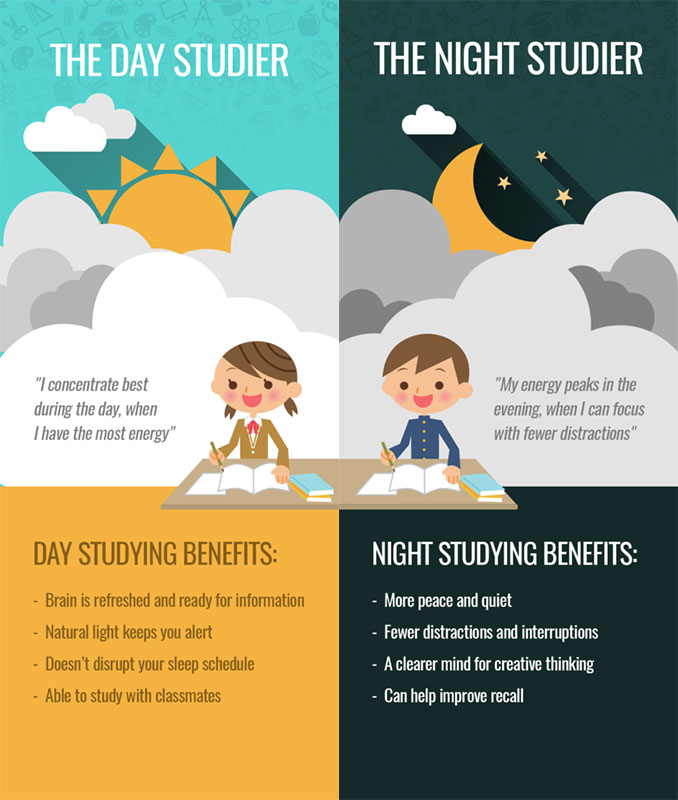
The golden time for studying refers to the period when the brain is most alert and receptive to absorbing information. This varies among individuals but generally falls into two categories: early morning (6 AM–10 AM) and late afternoon (4 PM–7 PM). During these windows, cognitive functions like memory retention and focus are at their peak. Factors influencing this include:
- Circadian rhythm: Natural body clock affecting energy levels.
- Personal habits: Night owls vs. early risers.
- Environment: Quiet, distraction-free settings enhance productivity.
Why is Morning Considered the Best Time to Study?
Mornings are often hailed as the optimal study time due to higher mental clarity and lower distractions. Key reasons include:
- Fresh mind: The brain is rested after sleep.
- Higher willpower: Discipline levels are typically stronger early in the day.
- Natural light: Boosts alertness and reduces eye strain.
How Does the Afternoon Affect Study Efficiency?
The afternoon offers a secondary peak for productivity, especially for those who aren’t morning people. Advantages include:
- Body temperature: Slightly higher, linked to improved cognitive function.
- Break advantage: Post-lunch energy dip can be mitigated with short naps.
- Collaboration opportunities: Easier to study with peers during daylight hours.
Can Nighttime Studying Be Effective?
For night owls, late-night study sessions can be productive, but with caveats:
- Fewer distractions: Quieter surroundings may aid concentration.
- Sleep trade-off: Risk of reduced sleep quality if studying too late.
- Memory consolidation: Sleep shortly after studying can reinforce learning.
How to Identify Your Personal Golden Time for Studying?
To pinpoint your ideal study window, consider these steps:
- Track energy levels: Note when you feel most focused during the day.
- Experiment: Test different times for a week and compare results.
- Adjust routines: Align study sessions with your natural productivity peaks.
What is the best time study method?
The Pomodoro Technique
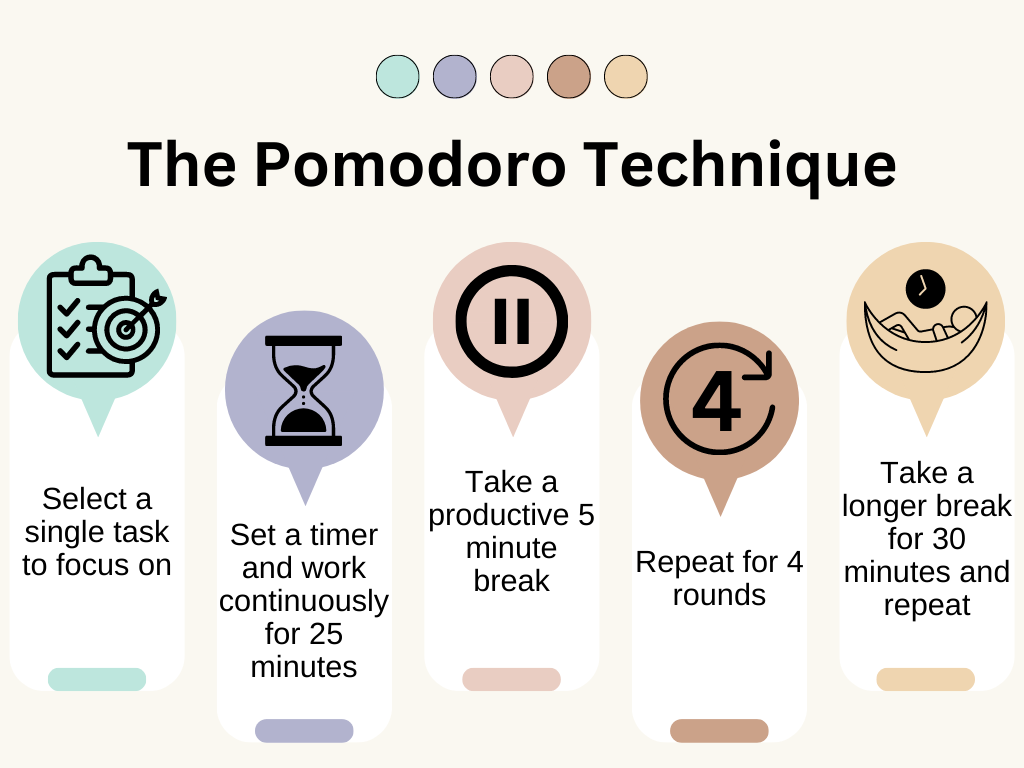
The Pomodoro Technique is a highly effective time management method for studying. It involves breaking study sessions into 25-minute intervals (called Pomodoros) followed by a 5-minute break. After four Pomodoros, take a longer break of 15–30 minutes. This method helps maintain focus and prevents burnout.
- Set a timer for 25 minutes and focus on one task.
- Avoid distractions during the Pomodoro.
- Take a short break after each session to recharge.
Spaced Repetition
Spaced repetition leverages the psychological spacing effect to improve long-term retention. Instead of cramming, you review material at increasing intervals, reinforcing memory over time.
- Use flashcards or apps like Anki for systematic review.
- Schedule reviews based on difficulty (e.g., harder concepts more frequently).
- Gradually increase intervals between reviews as mastery improves.
Active Recall
Active recall is the practice of actively stimulating memory during learning by self-testing. It’s more effective than passive review because it forces the brain to retrieve information.
- Close your notes and quiz yourself on key concepts.
- Summarize material without looking at sources.
- Teach the topic to someone else to reinforce understanding.
Time Blocking
Time blocking involves scheduling specific blocks of time for studying, minimizing procrastination. It creates a structured routine and ensures dedicated focus.
- Plan your day by assigning tasks to fixed time slots.
- Prioritize difficult subjects during peak focus hours.
- Stick to the schedule to build discipline.
The Feynman Technique
The Feynman Technique simplifies complex topics by teaching them in plain language. If you can’t explain it simply, you don’t understand it well enough.
- Choose a concept and study it thoroughly.
- Explain it as if teaching a beginner.
- Identify gaps and revisit the material to clarify.
Frequently Asked Questions (FAQ)
What is time quality in the context of studying?
Time quality refers to the strategic alignment of your study sessions with the most productive periods of your day. It emphasizes not just how long you study, but when and what you study during those times. By focusing on high-quality time slots—when your energy, focus, and retention are at their peak—you can maximize learning efficiency. For example, tackling complex subjects during your peak mental clarity and saving lighter review sessions for lower-energy periods ensures better results.
How can I identify the right time to study?
To identify your optimal study times, track your daily energy and focus levels for a week. Note when you feel most alert and productive—often in the morning or early evening for many people. Pair this with self-awareness of your personal rhythms. Tools like time logs or productivity apps can help pinpoint patterns. Once identified, reserve these periods for demanding tasks, while using less optimal times for passive review or administrative study tasks.
Why is studying the right thing at the right time important?
Studying the right material at the right time leverages your brain's natural cycles, enhancing retention and comprehension. For instance, learning new concepts during high-energy windows ensures deeper engagement, while reviewing notes during lower-focus periods reinforces memory without wasted effort. Misaligned study habits—like cramming complex topics late at night—often lead to fatigue and inefficiency. Proper timing turns study sessions into high-impact activities.
What strategies can improve time quality for studying?
To enhance time quality, prioritize task batching (grouping similar topics) and time blocking (dedicating specific slots to focused study). Use techniques like the Pomodoro method to maintain intensity during peak hours. Align study content with energy levels: difficult subjects during peak focus, revision during moderate energy, and flashcards or summaries when tired. Regularly evaluate and adjust your schedule based on performance feedback.
Leave a Reply
Related Posts