
How to find a suitable Chinese name

Choosing a suitable Chinese name can be a meaningful and rewarding process, whether for personal, professional, or cultural reasons. Unlike Western names, Chinese names carry deep significance, often reflecting values, aspirations, or familial connections. A well-chosen name not only helps integrate into Chinese-speaking environments but also shows respect for the culture. This article explores key considerations, such as phonetic harmony, meaning, and cultural appropriateness, to guide you in selecting a name that resonates. Whether you’re learning Mandarin, doing business, or simply appreciating the language, understanding these principles ensures your Chinese name is both authentic and meaningful. Let’s dive into the art of naming.
How to Find a Suitable Chinese Name: A Step-by-Step Guide
Understanding the Importance of a Chinese Name
Choosing a Chinese name is more than just a translation of your original name. It reflects cultural significance, phonetic harmony, and often carries a meaningful message. Unlike Western names, Chinese names are usually composed of two or three characters, with the surname coming first. A well-chosen name can help you integrate better into Chinese culture and make a positive impression.
| Key Aspect | Description |
|---|---|
| Cultural Relevance | Names often reflect virtues, nature, or historical figures. |
| Phonetic Match | Should sound similar to your original name or have a pleasant tone. |
| Meaningful Characters | Each character carries a specific meaning. |
Researching Common Chinese Surnames
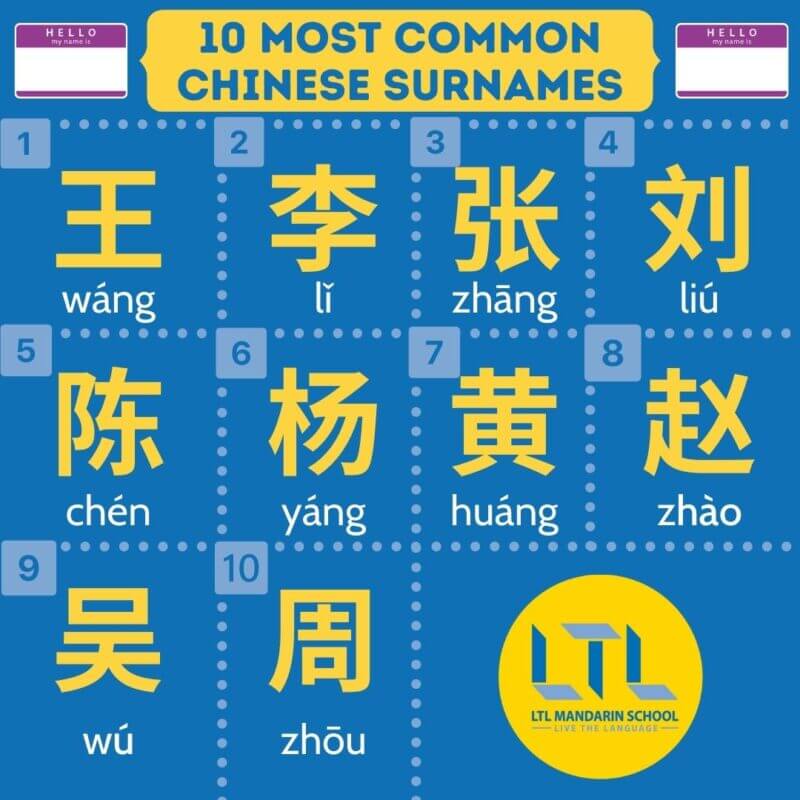
Chinese surnames are limited in number, with the most common being 王 (Wáng), 李 (Lǐ), and 张 (Zhāng).
When selecting a surname, consider:
- Popularity: Some surnames are overused, while others are rare.
- Pronunciation: Ensure it’s easy for native speakers to say.
- Heritage: Some surnames have historical or regional significance.
| Common Surnames | Pronunciation |
|---|---|
| 王 (Wáng) | Means king or royal. |
| 李 (Lǐ) | Means plum or a common family name. |
| 张 (Zhāng) | Means stretch or open. |
Choosing Meaningful Given Names
The given name (one or two characters) should have a positive meaning and harmonize with the surname. Common themes include:
- Nature: 丽 (Lì - beautiful), 伟 (Wěi - great).
- Virtues: 勇 (Yǒng - brave), 智 (Zhì - wise).
- Aspirations: 成 (Chéng - success), 安 (Ān - peace).
| Name Theme | Example Characters |
|---|---|
| Nature-Inspired | 花 (Huā - flower), 山 (Shān - mountain). |
| Virtue-Based | 信 (Xìn - trustworthy), 仁 (Rén - benevolent). |
Balancing Pronunciation and Meaning
A good Chinese name should sound pleasant and avoid awkward meanings. Some syllables may sound like unfortunate words in Chinese. For example:
- Avoid names that sound like negative phrases (e.g., Sì can mean death).
- Use tones carefully—some combinations may sound harsh.
| Pitfall | Solution |
|---|---|
| Bad Pronunciation | Test with native speakers. |
| Unintended Meanings | Check dictionaries or naming guides. |
Consulting Native Speakers or Experts
If unsure, seek help from:
- Chinese friends or colleagues.
- Professional naming services.
- Online forums dedicated to Chinese culture.
| Resource | Benefit |
|---|---|
| Native Speakers | Provide authentic feedback. |
| Naming Services | Offer culturally accurate suggestions. |
How to pick your Chinese name?
Understanding the Importance of a Chinese Name
Choosing a Chinese name is more than just a translation of your original name. It reflects cultural nuances, meanings, and sometimes even aspirations. Here’s why it matters:
- Cultural integration: A well-chosen name helps you connect with Chinese speakers.
- Phonetic harmony: It should sound pleasant and avoid unintended meanings.
- Symbolism: Chinese characters often carry deep meanings or historical significance.
Researching Common Chinese Surnames
Chinese surnames, or family names, are typically one character and come first. Here’s how to pick one:
See AlsoHow to improve your Chinese writing ability through focused reading- Popular choices: Common surnames like 李 (Lǐ), 王 (Wáng), or 张 (Zhāng) are safe.
- Personal connection: Some adopt surnames from mentors or admired figures.
- Avoid rarity: Uncommon surnames may draw unnecessary attention.
Selecting Meaningful Given Names
Given names in Chinese are usually one or two characters with positive connotations. Consider these tips:
- Meaning first: Choose characters like 伟 (Wěi, great) or 静 (Jìng, calm).
- Gender appropriateness: Some names lean masculine or feminine.
- Balance: Combine characters for harmony, e.g., 美琳 (Měilín, beautiful jade).
Checking Pronunciation and Tone
Chinese is a tonal language, so mispronunciation can change meanings. Follow these steps:
- Test the flow: Say the name aloud to ensure it sounds natural.
- Avoid homophones: Some sounds resemble negative words (e.g., sì vs. sǐ).
- Seek feedback: Ask native speakers to verify pronunciation.
Consulting Native Speakers or Experts
Getting help ensures your name is culturally appropriate. Here’s how:
See AlsoDon’t try to improve everything at once when learning Chinese- Professional services: Some agencies specialize in naming.
- Language partners: Bilingual friends can offer insights.
- Online communities: Forums like Reddit or Quora have knowledgeable users.
What is the Chinese rule for names?
What Are the Basic Rules for Chinese Names?
In Chinese culture, names typically follow a specific structure and set of conventions. The most important rules include:
- Surname first: The family name (姓, xìng) comes before the given name (名, míng).
- One or two characters: Given names usually consist of one or two Chinese characters.
- Meaningful characters: Names often carry positive meanings related to virtues, nature, or aspirations.
How Are Chinese Surnames Structured?
Chinese surnames are deeply rooted in tradition and follow these key principles:
- Limited variety: Around 100 common surnames cover most of the population, with Wang, Li, Zhang being the most frequent.
- Single character: Most surnames are one character, though a few (like Ouyang) use two.
- Patrilineal tradition: Children traditionally inherit the father’s surname.
What Are Common Practices for Choosing Given Names?
Selecting a given name in Chinese culture involves careful consideration:
- Generational names: Some families use a shared character for siblings or cousins.
- Balanced elements: Names may reflect yin-yang harmony or the Five Elements (Wood, Fire, Earth, Metal, Water).
- Avoiding taboo characters: Names often omit characters used by ancestors or historical figures.
Are There Regional Differences in Chinese Naming Conventions?
Naming customs can vary across Chinese-speaking regions:
- Mainland China: Follows simplified characters and may include political or modern influences.
- Taiwan and Hong Kong: Often use traditional characters and may preserve older naming styles.
- Diaspora communities: May adopt dual names (e.g., an English name alongside a Chinese one).
How Do Chinese Names Adapt in Western Contexts?
When used internationally, Chinese names may undergo adjustments:
- Reversed order: Some place the given name first to align with Western conventions.
- Romanization: Names are transcribed using systems like Pinyin (e.g., 张伟 becomes Zhang Wei).
- Nicknames: Simplified or English names may be adopted for ease of pronunciation.
How do foreigners get Chinese names?

How Do Foreigners Choose a Chinese Name?
Foreigners often select a Chinese name based on phonetic similarity to their original name or meaningful translations. Here’s how the process typically works:
- Phonetic Matching: Names are adapted to sound like the original (e.g., David becomes 大卫 Dàwèi).
- Meaning-Based: Some choose names with positive connotations (e.g., 平安 Píng'ān for peace).
- Cultural Consultation: Native speakers or experts help ensure the name is appropriate and culturally resonant.
What Are the Common Methods for Creating a Chinese Name?
There are several approaches to crafting a Chinese name for foreigners:
- Transliteration: Converting the foreign name into Chinese characters with similar sounds.
- Literal Translation: Translating the meaning of the name (e.g., Rose becomes 玫瑰 Méiguī).
- Hybrid Approach: Combining phonetic and meaningful elements for balance.
Why Is a Proper Chinese Name Important?
A well-chosen Chinese name helps foreigners integrate socially and professionally in Chinese-speaking environments:
- Cultural Respect: Shows appreciation for local traditions.
- Ease of Communication: Makes it easier for native speakers to remember and address them.
- Avoiding Misunderstandings: Prevents unintended meanings or awkward associations.
What Are the Pitfalls to Avoid When Selecting a Chinese Name?
Foreigners should be cautious to avoid these common mistakes:
- Unintended Meanings: Some characters may sound fine but carry negative connotations.
- Overly Complex Names: Hard-to-pronounce or write names may cause confusion.
- Ignoring Cultural Norms: Names should follow Chinese naming conventions (e.g., surname first).
Where Can Foreigners Get Help in Choosing a Chinese Name?
Resources for selecting a Chinese name include:
- Language Teachers: They provide guidance on suitable characters and meanings.
- Online Tools: Websites and apps offer name suggestions based on input criteria.
- Native Friends: Locals can verify the name’s appropriateness and natural flow.
How do Chinese pick American names?
Why Do Chinese People Choose American Names?
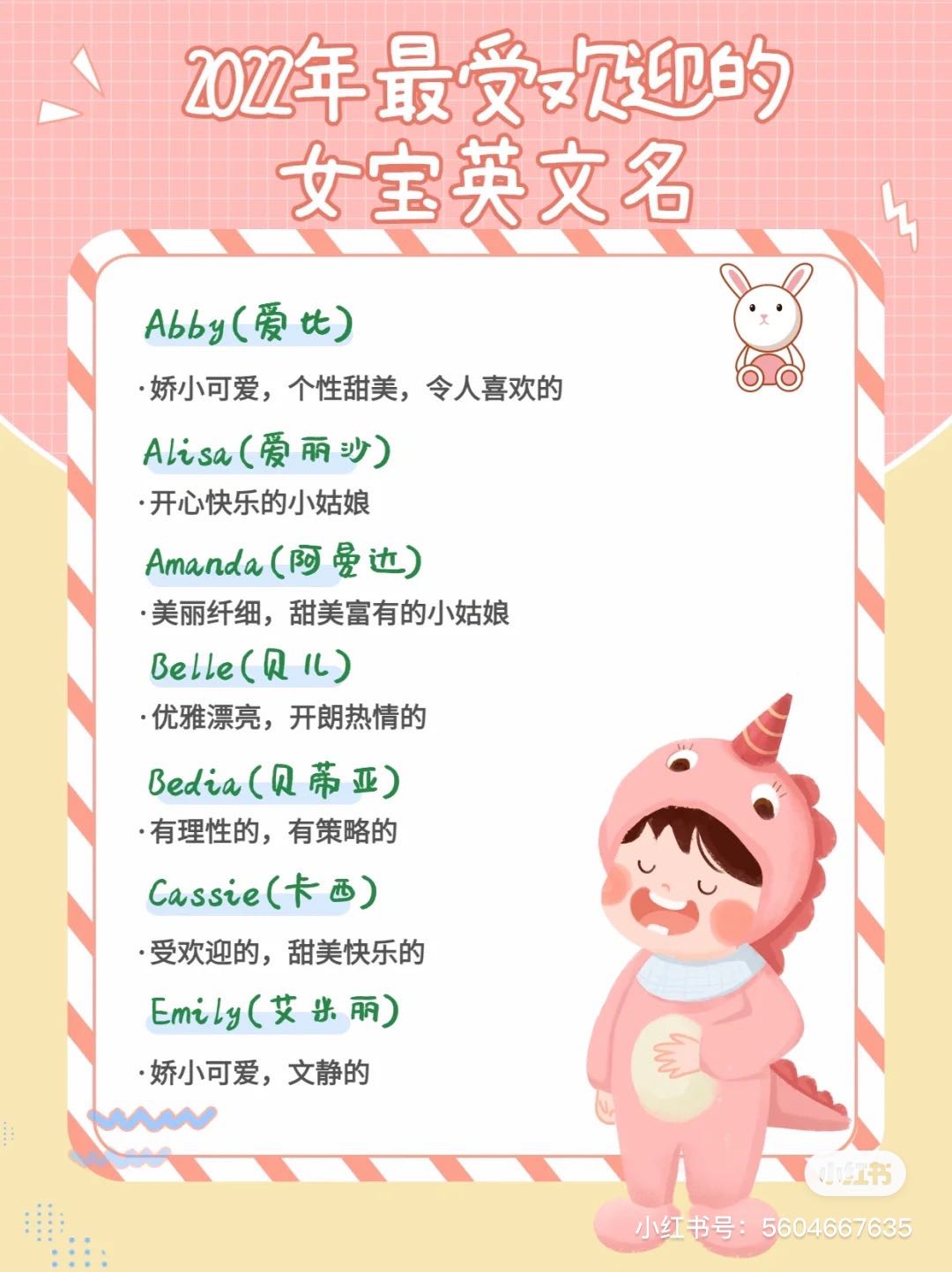
Chinese individuals often adopt American names for practical and cultural reasons. Many do so to facilitate communication in international settings, such as business or academia, where English is the dominant language. Additionally, an American name can help avoid mispronunciations or misunderstandings of their original Chinese name. Some also choose names to reflect personal aspirations or cultural integration.
- Ease of Communication: Simplifies interactions with English speakers.
- Professional Settings: Commonly used in global workplaces or educational institutions.
- Personal Preference: Some select names that resonate with their identity or interests.
How Are American Names Selected by Chinese Individuals?
The process of selecting an American name varies but often involves considering pronunciation, meaning, and cultural relevance. Some opt for names that sound similar to their Chinese names, while others choose names inspired by pop culture, historical figures, or personal role models. Online resources, name dictionaries, or suggestions from friends may also influence the decision.
- Phonetic Similarity: Names like May for Mei or Lee for Li.
- Meaning-Based: Selecting names with positive connotations (e.g., Grace, Victor).
- Cultural References: Inspired by celebrities, fictional characters, or historical icons.
Common Mistakes When Choosing an American Name
Some Chinese individuals unintentionally pick American names that sound outdated, unusual, or even humorous to native speakers. Examples include overly literal translations, names more common in previous generations, or names with unintended meanings. Research and feedback from native English speakers can help avoid these pitfalls.
- Outdated Names: Choosing names like Ethel or Clarence, which are rare today.
- Literal Translations: Names like Dragon or Rainbow, which are unconventional in English.
- Unintended Associations: Names like Candy or Bunny, which may carry informal connotations.
Popular American Names Among Chinese Speakers
Certain American names are frequently chosen by Chinese individuals due to their simplicity, positive meanings, or familiarity. Names like Amy, Kevin, Linda, or David are common picks. These names are easy to pronounce, widely recognized, and lack negative cultural associations.
- Short and Simple: Names like Eric, Anna, or John.
- Gender-Neutral Options: Such as Alex, Taylor, or Jordan.
- Timeless Classics: Like Michael, Sarah, or Emily.
Cultural Considerations in Name Selection
When choosing an American name, Chinese individuals may consider how the name aligns with cultural norms in English-speaking countries. Avoiding names with strong religious or ethnic specificity (e.g., Mohammed or Giovanni) can help ensure broader acceptance. Neutral or universally appealing names are often preferred.
- Religious Neutrality: Opting for secular names like Ryan or Olivia.
- Avoiding Stereotypes: Steering clear of names tied to specific ethnic groups unless relevant.
- Global Appeal: Selecting names recognized across multiple cultures.
Frequently Asked Questions (FAQ)
What factors should I consider when choosing a Chinese name?
When selecting a Chinese name, it's essential to consider cultural significance, pronunciation, and meaning. Chinese names often reflect virtues, aspirations, or natural elements, so choose characters that align with your values or personality. Additionally, ensure the name sounds harmonious and avoids unintended meanings when spoken aloud. Consulting a native speaker or a naming expert can help avoid misunderstandings and create a name that feels authentic.
How can I ensure my Chinese name is easy to pronounce?
To make your Chinese name easy to pronounce, focus on selecting characters with simple tones and common syllables. Avoid overly complex characters or combinations that may be difficult for native speakers to say fluently. Testing the name with Chinese friends or language tutors can help identify any pronunciation challenges. A smooth, natural-sounding name will make it easier for others to remember and address you correctly.
Is it better to translate my existing name or create a new Chinese name?
While translating your existing name phonetically into Chinese is an option, it may not always convey a meaningful or culturally appropriate message. Creating a new Chinese name allows you to embrace local traditions and select characters with positive connotations. A meaningful name often leaves a better impression in Chinese-speaking communities. However, if you prefer consistency, a phonetic translation with carefully chosen characters can also work well.
Where can I find reliable resources to help me pick a Chinese name?
Several resources can assist in finding a suitable Chinese name, including online name generators, Chinese dictionaries, and cultural guides. For a more personalized approach, seek advice from native speakers, language teachers, or professional naming services. Books or websites dedicated to Chinese culture and linguistics can also provide valuable insights into naming conventions and symbolism.
Leave a Reply
Related Posts