
How long have you studied Chinese?

Learning Chinese is a journey that varies greatly from one person to another, shaped by factors like dedication, methods, and exposure. Whether you’ve studied for a few months or several years, the question How long have you studied Chinese? often sparks reflection on progress and challenges. Some learners achieve fluency in a couple of years, while others spend decades refining their skills. This article explores the different timelines for mastering Chinese, the milestones along the way, and how consistency and immersion play crucial roles. No matter where you are in your studies, understanding your journey can help set realistic goals and stay motivated.
How Long Have You Studied Chinese?
1. Why Is the Duration of Chinese Study Important?
Understanding how long you've studied Chinese helps gauge your proficiency level. Longer study periods often correlate with better fluency and comprehension, though consistency and method also play crucial roles.
| Study Duration | Typical Proficiency Level |
|---|---|
| 0-6 months | Basic phrases, greetings |
| 1-2 years | Conversational, simple sentences |
| 3+ years | Intermediate to advanced fluency |
2. How Does Study Duration Affect Fluency?
The longer you study Chinese, the more comfortable you become with tones, characters, and grammar. However, daily practice and immersion significantly impact progress more than just time alone.
See AlsoChinese Measure Words Quiz How Many Do You Know?| Factor | Impact on Fluency |
|---|---|
| Consistent daily study | High (accelerates learning) |
| Irregular study | Low (slower progress) |
3. Can You Learn Chinese Quickly?
While intensive study (e.g., 20+ hours/week) can lead to rapid progress, mastering Chinese usually requires years due to its complex writing system and tonal nature.
| Method | Estimated Time to Basic Fluency |
|---|---|
| Full-time immersion | 6-12 months |
| Part-time study | 2-3 years |
4. How to Track Your Chinese Study Progress?
Use milestones like HSK exam levels or conversational benchmarks. Recording study hours and reviewing vocabulary retention helps measure improvement over time.
| Tool | Purpose |
|---|---|
| HSK tests | Official proficiency assessment |
| Language apps | Track vocabulary & grammar |
5. What Factors Influence Study Duration?
Prior language experience, learning environment, and motivation affect how long it takes to learn Chinese. Immersion programs shorten the timeline compared to self-study.
See AlsoWhat Are Duolingos Next Languages: Learning Guide 2025| Factor | Effect on Learning Speed |
|---|---|
| Living in China | Faster (immersion advantage) |
| Self-study only | Slower (limited practice) |
How long do you study Chinese?
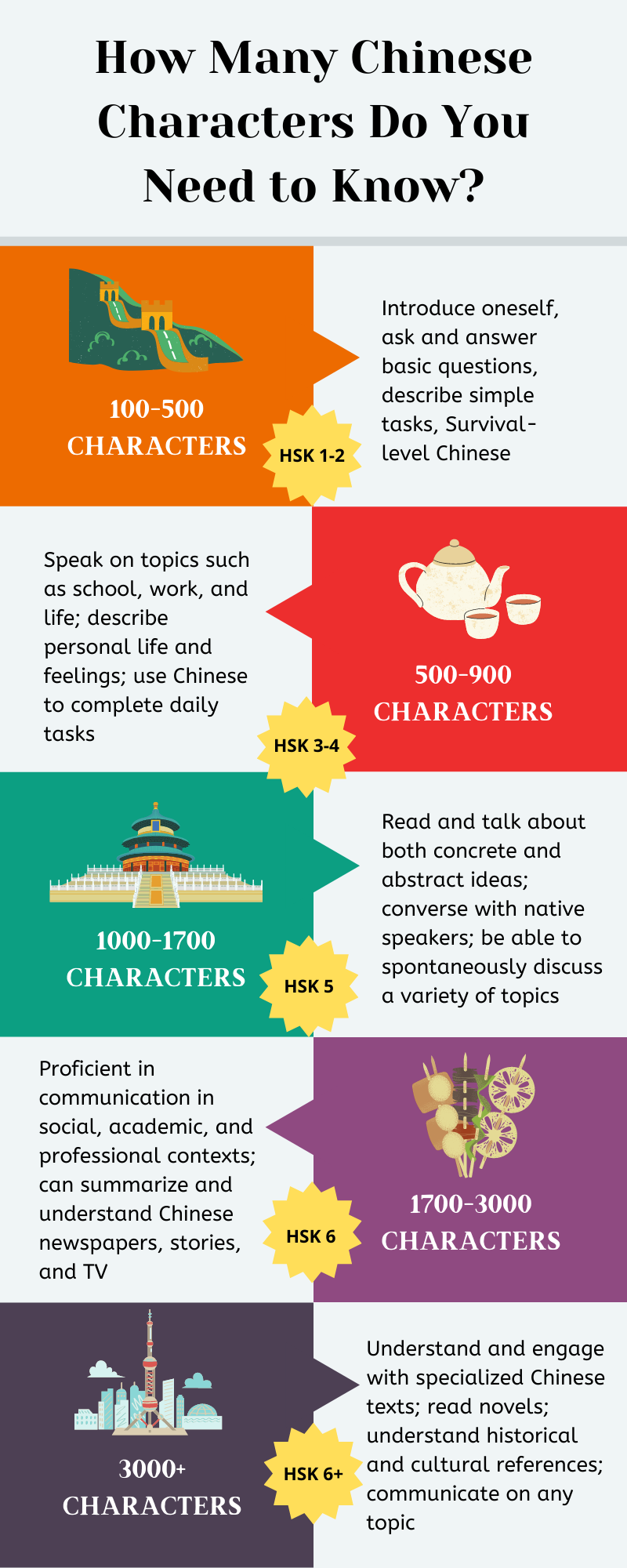
How Many Hours Per Day Should You Study Chinese?
The ideal study time depends on your goals and schedule. Here’s a breakdown:
- Beginners: 30 minutes to 1 hour daily helps build foundational vocabulary and pronunciation.
- Intermediate learners: 1–2 hours per day to focus on grammar, listening, and conversation.
- Advanced students: 2+ hours, emphasizing fluency, writing, and cultural nuances.
How Long Does It Take to Become Fluent in Chinese?
Fluency timelines vary based on effort and exposure:
See AlsoHow To Get 500 Gems In Duolingo In One Day: complete guide- Basic fluency: 1–2 years with consistent daily practice.
- Intermediate fluency: 3–5 years, including immersion or formal classes.
- Advanced fluency: 5+ years, often requiring immersion in a Chinese-speaking environment.
What Factors Influence How Long You Study Chinese?
Several elements affect your learning duration:
- Prior language experience: Knowing tonal languages (e.g., Vietnamese) may speed up progress.
- Learning methods: Structured courses vs. self-study impact efficiency.
- Consistency: Daily practice accelerates mastery compared to sporadic study.
Can You Learn Chinese Faster with Immersion?
Immersion significantly shortens learning time:
- Living in China/Taiwan: Forces daily use, improving listening and speaking rapidly.
- Language partners: Regular conversation practice enhances fluency.
- Media consumption: Watching Chinese shows or reading news reinforces vocabulary.
How to Measure Progress in Chinese Studies?
Track improvement with these methods:
See AlsoDrills and exercises aren’t only for beginners- Standardized tests: HSK exams provide clear proficiency benchmarks.
- Self-assessment: Recording speaking or writing samples over time.
- Feedback: Teachers or native speakers can identify strengths/weaknesses.
Is 2 years enough to learn Chinese?
Can You Become Fluent in Chinese in 2 Years?
Becoming fluent in Chinese in just two years is ambitious but possible with intensive study and immersion. Mandarin Chinese is a complex language with tones, characters, and grammar that differ significantly from English. However, dedicated learners can achieve conversational fluency or even higher proficiency if they follow a structured approach.
- Daily practice (2+ hours) is essential to build vocabulary and tone recognition.
- Immersion through media, conversation partners, or living in a Chinese-speaking environment accelerates learning.
- Consistency matters more than cramming—spaced repetition and regular review are key.
What Factors Influence Learning Chinese in 2 Years?
Several factors determine whether two years is enough to learn Chinese, including prior language experience, learning methods, and personal motivation.
- Prior language skills: Knowing another tonal language (e.g., Vietnamese) may help.
- Study intensity: Full-time learners progress faster than casual students.
- Quality of resources: Textbooks, apps, and tutors impact efficiency.
How Much Chinese Can You Realistically Learn in 2 Years?
In two years, a committed learner can reach an intermediate to advanced level, depending on effort. The HSK (Chinese proficiency test) provides a benchmark:
- HSK 4 (1,200+ words) is achievable, enabling discussions on everyday topics.
- Reading/writing may lag behind speaking/listening without focused character study.
- Professional fluency (HSK 5-6) typically requires longer than two years.
What Are the Biggest Challenges When Learning Chinese in 2 Years?
Learners often face obstacles like tones, characters, and grammar when tackling Chinese quickly.
- Tones: Mispronunciations can change word meanings entirely.
- Character memorization: Thousands of characters require repetitive practice.
- Grammar nuances: Particles like 了 (le) and 的 (de) can confuse beginners.
What Strategies Maximize Chinese Learning in 2 Years?
To optimize progress, learners should adopt effective strategies tailored to Mandarin’s unique features.
- Focus on high-frequency words: Prioritize vocabulary used in daily conversations.
- Use mnemonics: Memory techniques help retain characters and tones.
- Practice speaking early: Overcoming shyness accelerates real-world proficiency.
How long do Chinese people study?

How Many Hours Do Chinese Students Study Daily?
Chinese students typically study for 10 to 12 hours per day, including school hours and after-school self-study sessions. This intensive schedule is common due to the competitive education system and high expectations for academic performance.
- School hours usually run from 7:30 AM to 5:00 PM, with additional evening self-study until 9:00 PM.
- Weekend classes or tutoring are common, adding another 4-8 hours of study time.
- Homework assignments often extend study time beyond formal hours, sometimes lasting until midnight.
How Long Is the Academic Year in China?
The Chinese academic year is divided into two semesters, totaling around 9 to 10 months of study. Students have shorter vacations compared to Western countries, with summer and winter breaks often filled with extra classes.
- First semester runs from September to January, followed by a 3-4 week winter break.
- Second semester starts in February or March and ends in July, with a 6-8 week summer break.
- Holiday study programs are popular, reducing actual downtime significantly.
How Many Years Do Chinese Students Spend in School?
Chinese students spend 12 years in formal education, divided into primary, junior high, and senior high school. Higher education adds another 4-6 years for university or vocational studies.
- Primary school lasts 6 years (ages 6-12).
- Junior high school covers 3 years (ages 12-15), followed by the rigorous Gaokao prep in senior high.
- Senior high school takes 3 years (ages 15-18), with most students aiming for university entrance.
How Much Time Is Spent on Gaokao Preparation?
Preparing for the Gaokao (national college entrance exam) dominates the final 2-3 years of high school, with students dedicating 12+ hours daily to study.
- Rigorous schedules include early-morning drills and late-night revision sessions.
- Mock exams are held frequently, often on weekends, to simulate test conditions.
- Specialized cram schools (e.g., Gaokao factories) extend study time further.
How Does Higher Education Study Time Compare?
University students in China study 6-10 hours daily, balancing coursework, research, and exam preparation. STEM fields often require more time due to lab work and technical subjects.
- Lecture attendance is mandatory, with 4-6 hours of classes per day.
- Self-study is emphasized, especially for competitive postgraduate exams.
- Internships and certifications add to the workload, particularly in final years.
Is it possible to learn Chinese in 1 year?
What Level of Chinese Can You Achieve in 1 Year?
Learning Chinese in one year is possible, but the level of proficiency depends on factors like study intensity, prior experience, and learning methods. With consistent effort, a dedicated learner can reach:
- Basic conversational fluency (HSK 2-3) for everyday interactions.
- The ability to read and write 500-1,000 characters.
- Understanding simple texts and audio materials.
How Many Hours Per Day Are Needed to Learn Chinese in 1 Year?
To make significant progress in Chinese within a year, daily commitment is crucial. Here’s a breakdown:
- 1-2 hours/day: Can achieve basic conversational skills.
- 3-4 hours/day: Likely to reach intermediate levels (HSK 4).
- Immersion programs (6+ hours/day) may yield advanced results.
What Are the Best Methods to Learn Chinese Quickly?
Effective strategies to accelerate Chinese learning include:
- Spaced repetition (e.g., Anki) for vocabulary retention.
- Language exchange with native speakers.
- Using multimedia resources like podcasts, dramas, and apps.
Which Chinese Dialect Should You Focus On?
Choosing the right dialect is critical for efficiency:
- Mandarin: The most widely spoken and standardized.
- Cantonese: Useful for regions like Hong Kong.
- Other dialects: Only if targeting specific communities.
What Are the Biggest Challenges When Learning Chinese in 1 Year?
Common obstacles include:
- Tones: Mastering pronunciation nuances.
- Character memorization: Thousands of unique symbols.
- Grammar differences: Lack of verb conjugations.
Frequently Asked Questions (FAQ)
How long have you studied Chinese?
Studying Chinese is a journey that varies greatly depending on the individual's dedication, learning methods, and exposure to the language. Some people may study for a few months to grasp basic conversational skills, while others dedicate years to achieve fluency. The time required also depends on whether you're learning Mandarin or another dialect, as Mandarin is often considered more structured due to its standardized writing system and pronunciation.
What factors influence how long it takes to learn Chinese?
Several key factors determine the duration needed to learn Chinese effectively. Consistency and practice are crucial—daily study sessions yield faster progress than sporadic efforts. Additionally, immersion, such as living in a Chinese-speaking environment, accelerates learning. The complexity of Chinese characters and tones also plays a role, as mastering them requires significant time and repetition.
Can I learn Chinese quickly, or does it take years?
While it's possible to learn basic Chinese in a few months, achieving fluency typically takes years of dedicated study. Intensive courses or immersive experiences can shorten this timeline, but the language's unique features, like character memorization and tonal pronunciation, demand patience. Setting realistic goals, such as focusing on conversational skills first, can make the process feel more manageable.
How does studying Chinese compare to learning other languages?
Chinese is often considered one of the more challenging languages for English speakers due to its logographic writing system and tonal nature. Unlike alphabetic languages, where letters form words, Chinese requires memorizing thousands of characters. However, its grammar is relatively straightforward, with no verb conjugations or gendered nouns. The learning curve may be steep initially, but consistent effort leads to steady progress.
Leave a Reply
Related Posts