
The new HSK 3.0: What you need to know

The new HSK 3.0 represents a significant update to China's standardized Chinese proficiency test, introducing major changes to its structure, content, and scoring system. Designed to better reflect real-world language skills, the updated exam now includes nine levels instead of six, with a stronger emphasis on listening, speaking, reading, and writing. These revisions aim to align the test with the CEFR (Common European Framework of Reference for Languages), making it more internationally recognized. Whether you're a student, professional, or language enthusiast, understanding these updates is crucial for effective preparation. This article breaks down everything you need to know about the new HSK 3.0 and how it impacts your learning journey.
The New HSK 3.0: Key Changes and Updates
1. What Is the HSK 3.0?
The HSK 3.0 is the latest version of the Hanyu Shuiping Kaoshi (HSK), the standardized test for Chinese language proficiency. This update introduces significant changes to the exam structure, difficulty levels, and scoring system to better align with real-world language use and international standards. The new version aims to provide a more accurate assessment of a learner's Mandarin skills.
| Aspect | Change in HSK 3.0 |
|---|---|
| Levels | Expanded from 6 levels to 9 levels |
| Vocabulary | Increased word count, with 11,092 words at the highest level |
| Focus | Greater emphasis on practical communication |
2. How Many Levels Are There in HSK 3.0?
The HSK 3.0 has been restructured into nine proficiency levels, categorized into three stages: Beginner (Levels 1-3), Intermediate (Levels 4-6), and Advanced (Levels 7-9). This expansion allows for a more granular assessment of a learner's abilities compared to the previous six-level system.
See AlsoTop 5 Chinese Lucky Number Combinations| Stage | Levels | Vocabulary Size |
|---|---|---|
| Beginner | 1-3 | 300-900 words |
| Intermediate | 4-6 | 1,200-2,500 words |
| Advanced | 7-9 | 5,000-11,092 words |
3. What Are the New Vocabulary Requirements?
The HSK 3.0 significantly increases the vocabulary requirements for each level. For example, Level 9 now expects knowledge of 11,092 words, compared to 5,000 words in the old HSK 6. The new word lists also prioritize modern, practical vocabulary used in daily life, work, and academic contexts.
| Level | Old HSK Vocabulary | New HSK 3.0 Vocabulary |
|---|---|---|
| 6 | 5,000 words | 5,000 words (now Level 7) |
| 9 | N/A | 11,092 words |
4. How Does the New HSK 3.0 Impact Test Takers?
The HSK 3.0 demands higher language proficiency from test takers, especially at advanced levels. The updated exam includes more complex tasks, such as writing essays and listening to longer dialogues. Learners will need to adjust their study plans to meet the stricter requirements.
| Skill | Changes in HSK 3.0 |
|---|---|
| Listening | Longer passages, faster speech |
| Writing | Essay writing at higher levels |
| Reading | More academic and professional texts |
5. When Will the HSK 3.0 Be Fully Implemented?
The HSK 3.0 is being rolled out gradually, with full implementation expected by 2025. Some levels are already available, while others are still in development. Test takers should check the official Hanban website for updates on availability and transition timelines.
See AlsoBeginner Chinese listening practice: What to listen to and how| Year | Implementation Phase |
|---|---|
| 2021-2023 | Pilot testing for select levels |
| 2024-2025 | Full rollout of all nine levels |
Is HSK 3.0 harder?
What Are the Key Changes in HSK 3.0?
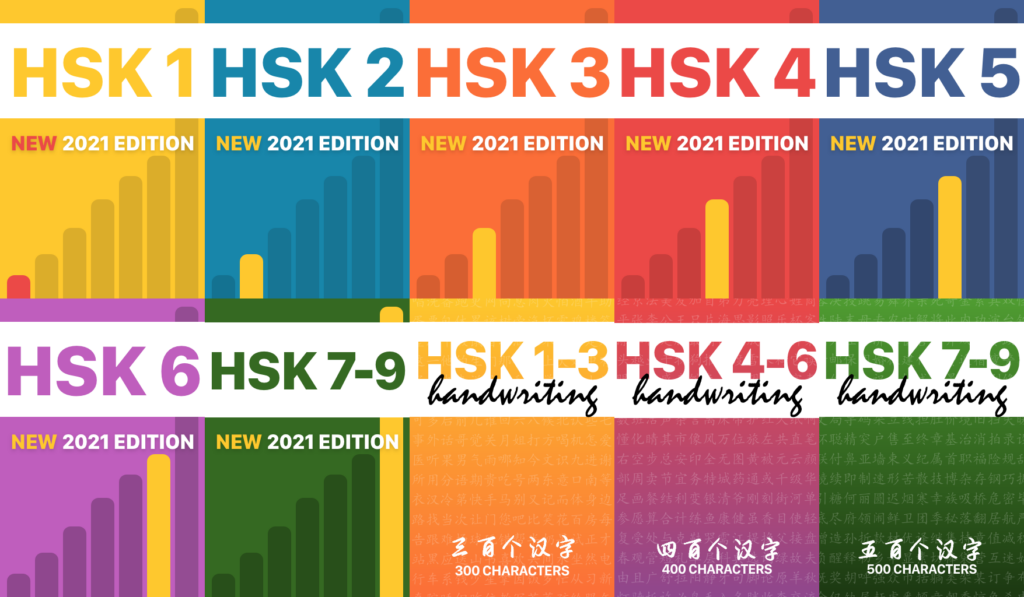
The HSK 3.0 introduced significant updates compared to its predecessor, including an expanded vocabulary, revised difficulty levels, and a stronger focus on practical language skills. Here are the key changes:
- Vocabulary expansion: HSK 3.0 nearly doubles the required words, adding more advanced terms.
- Revised level structure: The exam now has nine levels (1-9) instead of six, increasing granularity in proficiency assessment.
- Greater emphasis on fluency: Listening, speaking, reading, and writing are tested more rigorously.
How Does HSK 3.0 Compare to HSK 2.0 in Difficulty?
The difficulty level of HSK 3.0 is noticeably higher due to structural and content adjustments. Below are the main differences:
See AlsoHow To Get A Taxi in China - Keywords and Things To Know- Higher vocabulary requirements: Learners must master more words per level.
- Longer reading passages: Comprehension tasks are more complex.
- Stricter speaking assessments: Pronunciation and coherence are evaluated more critically.
What Makes HSK 3.0 More Challenging for Test-Takers?
HSK 3.0 presents new challenges that demand deeper language proficiency. The primary difficulties include:
- Increased memorization load: The expanded word list requires more study time.
- Complex sentence structures: Grammar expectations are higher.
- Time pressure: Tasks are designed to test quick thinking and application.
Are the Speaking and Writing Sections Harder in HSK 3.0?
Yes, the speaking and writing sections in HSK 3.0 are more demanding. Key reasons include:
- Extended responses: Test-takers must produce longer, more detailed answers.
- Stricter grading criteria: Errors in tone or grammar are penalized more harshly.
- Real-world task simulations: Exercises mimic actual communication scenarios.
How Should Students Prepare for HSK 3.0 Compared to HSK 2.0?
Preparing for HSK 3.0 requires a more strategic approach. Essential adjustments include:
See AlsoHow to Prepare for HSK with Chinese Reading Materials- Expanded study materials: Use updated textbooks and word lists.
- More practice tests: Familiarize yourself with the new question formats.
- Focus on active skills: Prioritize speaking and writing drills over rote memorization.
What is the HSK 3 level equivalent to?
What is the HSK 3 Level Equivalent to in the CEFR Framework?
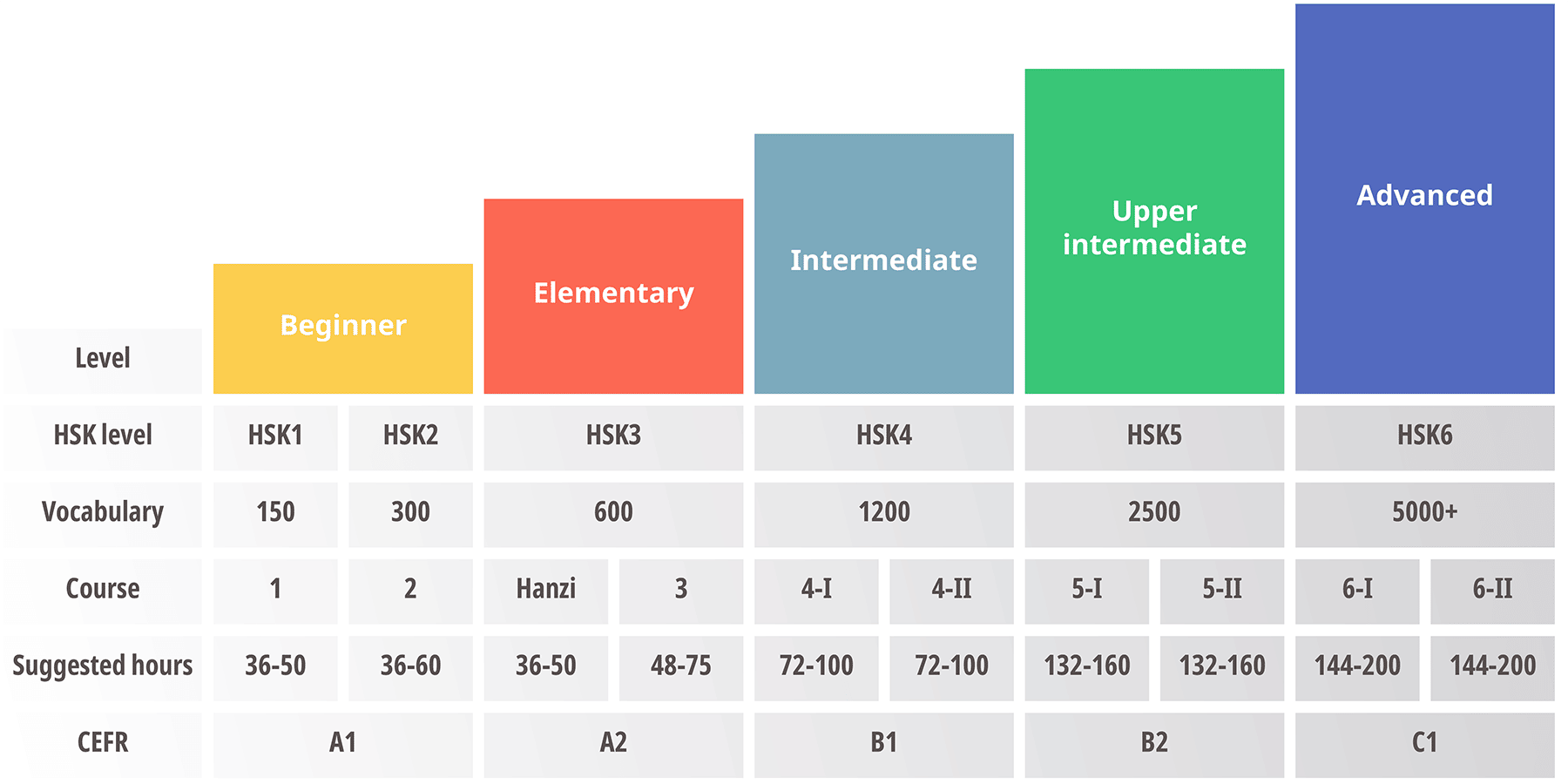
The HSK 3 level is roughly equivalent to B1 in the Common European Framework of Reference for Languages (CEFR). At this stage, learners can handle everyday conversations, express basic opinions, and understand straightforward texts. Here’s a breakdown:
- Listening: Comprehend conversations about daily life, such as shopping or travel.
- Speaking: Communicate simple ideas and needs with relative fluency.
- Reading: Understand short passages with common vocabulary.
- Writing: Write brief messages or descriptions using basic grammar.
How Does HSK 3 Compare to Other Language Proficiency Tests?
HSK 3 aligns with intermediate levels in other language tests. For example:
- TOEFL: Comparable to a score range of 42–71 (Internet-based test).
- IELTS: Similar to a band score of 4.0–5.0.
- JLPT (Japanese): Roughly equivalent to N4 level.
- DELE (Spanish): Close to A2-B1 level.
What Vocabulary and Grammar is Required for HSK 3?
To pass HSK 3, learners must master:
- Vocabulary: Around 600–700 words, including common verbs, adjectives, and nouns.
- Grammar: Basic sentence structures, conjunctions, and question forms.
- Characters: Recognize and write 300–400 Chinese characters.
- Topics: Daily routines, hobbies, weather, and simple plans.
Can HSK 3 Help in Real-Life Situations?
Yes, HSK 3 prepares learners for practical scenarios like:
- Travel: Asking for directions or ordering food.
- Work: Handling basic professional interactions.
- Socializing: Discussing hobbies or making plans.
- Studies: Understanding simple academic instructions.
How Long Does It Take to Reach HSK 3 Level?
The time required varies, but typically:
- Beginners: 6–12 months with consistent study (3–5 hours/week).
- Fast Learners: 4–6 months with intensive practice.
- Slow Learners: Up to 18 months, depending on dedication.
- Factors: Prior language experience, study methods, and immersion.
How hard is HSK level 3?
What is the HSK Level 3 Exam Structure?
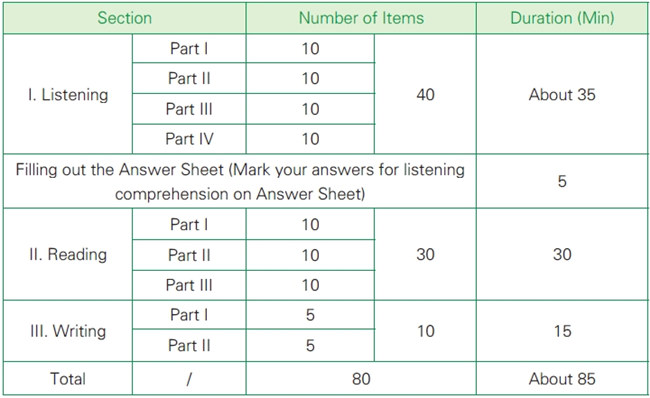
The HSK Level 3 exam consists of three sections: listening, reading, and writing. It tests a foundational understanding of Mandarin Chinese, requiring knowledge of around 600 vocabulary words and basic grammar patterns.
- Listening: 40 questions assessing comprehension of everyday conversations.
- Reading: 30 questions testing recognition of characters and sentences.
- Writing: 10 questions, including sentence rearrangement and fill-in-the-blank tasks.
How Difficult is the Vocabulary for HSK 3?
The vocabulary required for HSK 3 is manageable but demands consistent study. Learners must master 600 words, including common nouns, verbs, and adjectives used in daily life.
- Common themes: Family, hobbies, shopping, and travel.
- Character recognition: Focus on both Pinyin and Hanzi.
- Repetition: Flashcards and spaced repetition help retention.
Is HSK 3 Grammar Challenging?
The grammar in HSK 3 includes basic but essential structures, such as question forms, tenses, and sentence patterns.
- Basic sentence order: Subject-Verb-Object (SVO).
- Common particles: 了 (le), 的 (de), and 吗 (ma).
- Comparisons: Using 比 (bǐ) for more than.
How Long Does It Take to Prepare for HSK 3?
Preparation time varies, but an average learner studying 10-15 hours per week may need 3-6 months to pass HSK 3 comfortably.
- Beginner level: 6+ months if starting from scratch.
- Intermediate level: 3-4 months with prior exposure.
- Intensive study: 2 months with daily practice.
What Are Common Challenges in HSK 3?
Test-takers often struggle with listening speed, character recognition, and time management during the exam.
- Listening comprehension: Fast-paced dialogues can be tricky.
- Writing section: Rearranging words into correct sentences.
- Time pressure: Balancing speed and accuracy.
How many words do you need to know for HSK 3?
How Many Words Are Required for HSK 3?
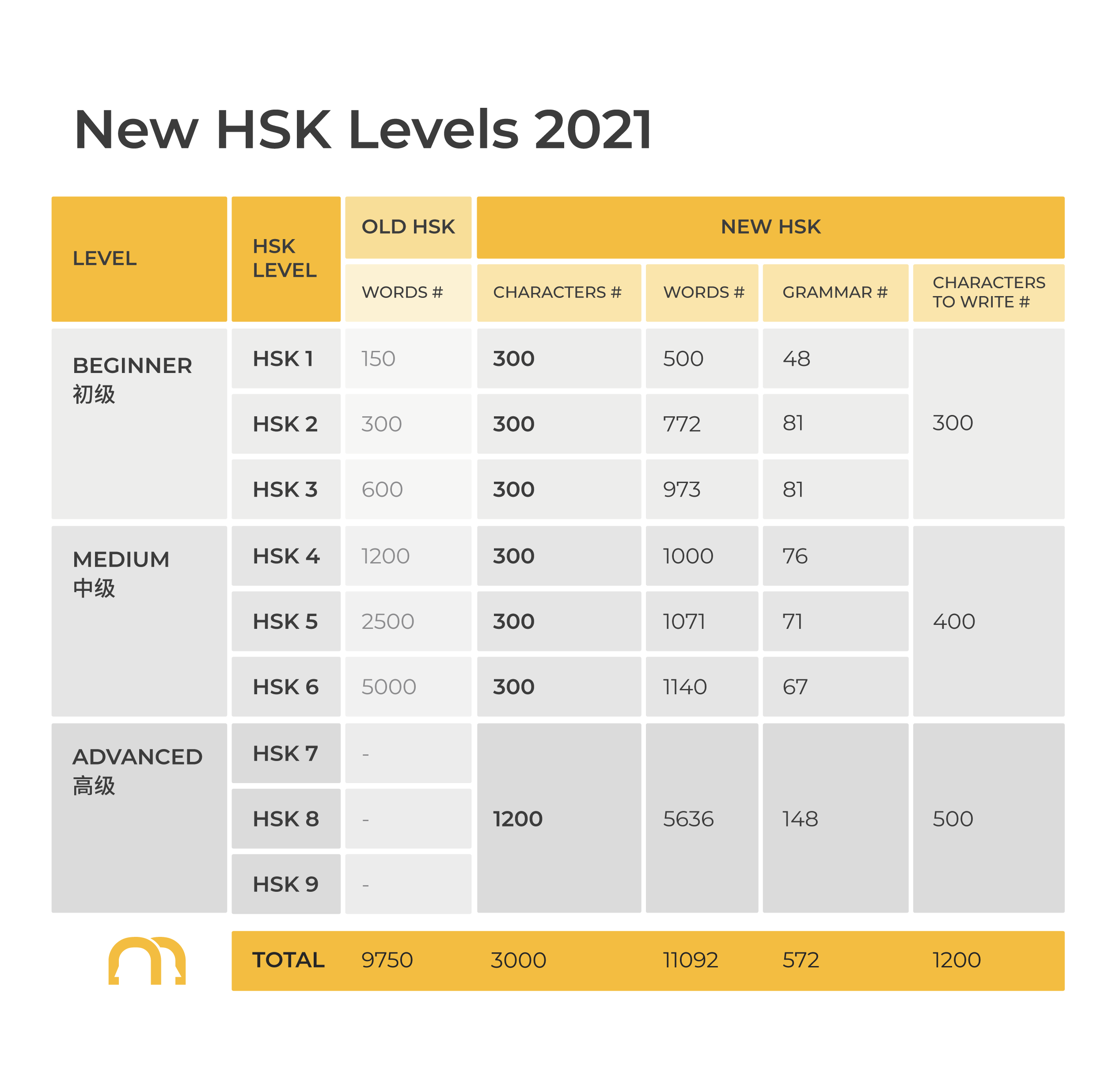
To pass the HSK 3 exam, you need to know approximately 600 words. This vocabulary list is officially defined by the Hanban and includes a mix of nouns, verbs, adjectives, and other essential terms. The words are selected to ensure you can handle everyday conversations and basic written texts.
- 600 words is the official requirement for HSK 3.
- The vocabulary covers common topics like shopping, travel, and personal life.
- Some words from HSK 1 and HSK 2 are also included.
What Types of Words Are Included in HSK 3?
The HSK 3 vocabulary consists of a balanced mix of word types to ensure comprehensive language use. You will encounter verbs, nouns, adjectives, adverbs, and measure words, all essential for forming correct sentences.
- Verbs like 喜欢 (xǐhuān - to like) and 学习 (xuéxí - to study).
- Nouns such as 学校 (xuéxiào - school) and 朋友 (péngyou - friend).
- Adjectives including 高兴 (gāoxìng - happy) and 漂亮 (piàoliang - beautiful).
How Does HSK 3 Compare to HSK 2 in Terms of Vocabulary?
HSK 3 builds directly on HSK 2, which requires only 300 words. The jump to 600 words means you must learn twice as many terms, with increased complexity in sentence structures and contexts.
- HSK 2 covers 300 basic words.
- HSK 3 doubles the vocabulary to 600 words.
- More grammar patterns and idiomatic expressions are introduced.
What Are the Most Common HSK 3 Words?
Some of the most frequently used words in HSK 3 include everyday terms related to routines, preferences, and descriptions. Mastering these will help in both speaking and writing sections of the exam.
- 时间 (shíjiān) - time
- 工作 (gōngzuò) - work
- 帮助 (bāngzhù) - help
How to Efficiently Learn HSK 3 Vocabulary?
To effectively memorize the 600 words for HSK 3, structured learning methods like flashcards, spaced repetition, and contextual practice are highly recommended.
- Use flashcards for daily review.
- Practice writing sentences with new words.
- Engage in listening exercises to reinforce recognition.
Frequently Asked Questions (FAQ)
What are the key changes in the new HSK 3.0 compared to the previous version?
The new HSK 3.0 introduces several significant updates to better align with modern language learning needs. Vocabulary requirements have been expanded, with Level 3 now requiring 973 words compared to 600 in the old system. Additionally, the exam now includes nine proficiency levels instead of six, offering a more granular assessment of skills. The listening, reading, and writing sections have also been restructured to better reflect real-world language use, emphasizing practical communication over rote memorization.
How does the new HSK 3.0 impact test preparation strategies?
Preparing for the HSK 3.0 requires a more comprehensive approach due to the expanded vocabulary and additional levels. Learners should focus on practical language skills, such as conversational fluency and contextual understanding, rather than just memorizing word lists. Incorporating authentic materials like news articles, podcasts, and videos is highly recommended. Mock tests tailored to the new format are essential to familiarize yourself with the updated question types and time constraints.
What are the benefits of the new HSK 3.0 for learners?
The HSK 3.0 offers learners a more accurate measurement of their Mandarin proficiency, thanks to its refined level system. The inclusion of higher-level vocabulary and real-world tasks ensures that successful candidates are better prepared for academic or professional environments. Additionally, the updated exam aligns more closely with international language standards like the CEFR, making it easier for learners to showcase their skills globally.
When will the new HSK 3.0 be fully implemented, and how can I transition?
The HSK 3.0 is being rolled out gradually, with full implementation expected by 2025. During the transition period, both the old and new versions may coexist, so it's crucial to verify which exam you're registering for. To adapt, learners should start incorporating the new vocabulary lists and practice materials into their study routines. Official resources from Hanban or Confucius Institutes are the most reliable for up-to-date information and preparation guides.
Leave a Reply
Related Posts